Table of Contents >> Show >> Hide
- First, Know Which Phlox You’re Growing
- Should You Cut Back Phlox in Fall?
- The Best Timing for Cutting Back Garden Phlox in Fall
- How to Cut Back Phlox the Right Way
- What About Deadheading and Summer Cutting Back?
- When You Should Leave Phlox Standing Until Spring
- Common Mistakes When Cutting Back Phlox
- A Simple Fall Phlox Care Checklist
- The Bottom Line on Cutting Back Phlox for Fall
- Real-World Gardener Experiences With Cutting Back Phlox in Fall
If your phlox looked fabulous all summer and then limped into fall wearing a dusty coat of powdery mildew, welcome to the club. Gardeners everywhere have stood in the yard with pruners in one hand and mild emotional confusion in the other, wondering: Do I cut this back now, wait until spring, or pretend I never saw it?
The good news is that cutting back phlox for fall is not complicated once you know which kind of phlox you have and what condition it is in. The better news is that you do not need a mystical “perfect gardening day” to get it right. You mostly need good timing, clean cuts, and the ability to resist turning healthy plants into over-trimmed little stumps just because you’re in a tidy mood.
In this guide, we’ll cover when to cut back phlox in fall, how far to cut it, when to leave it alone, and what to do if powdery mildew turned your plant into a botanical cautionary tale. We’ll also talk about the difference between tall garden phlox, creeping phlox, and woodland phlox, because the word “phlox” covers more than one plant, and they do not all appreciate the same haircut.
First, Know Which Phlox You’re Growing
Before you start pruning, identify your plant. This matters because garden phlox fall care is different from how you handle spring-blooming phlox types.
Garden phlox (Phlox paniculata)
This is the tall, summer-blooming phlox most people mean when they ask about cutting back phlox for fall. It grows upright, blooms in midsummer through early fall, and is the type most likely to deal with powdery mildew. This is also the phlox most often cut back in late fall or early winter.
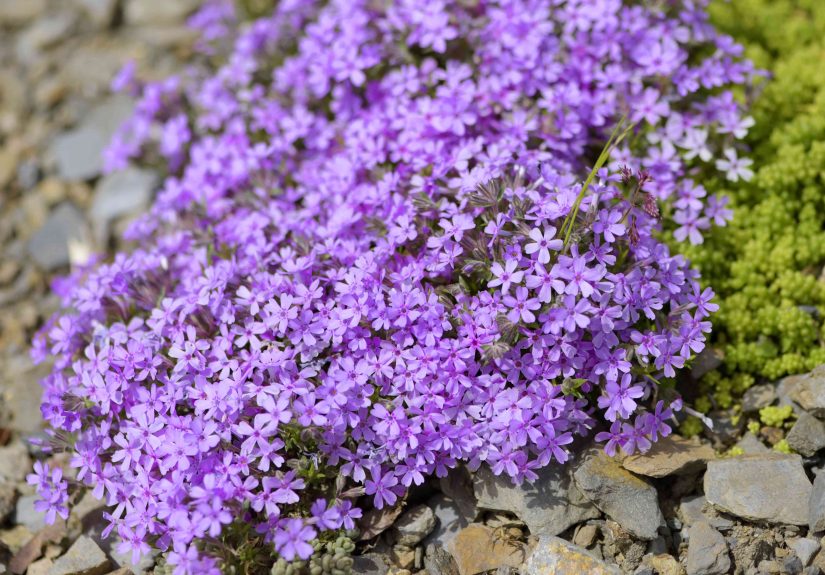
Creeping phlox (Phlox subulata)
This is the low-growing, spring-blooming groundcover that spills over walls and edges. It usually gets its main trim after flowering in spring, not a severe fall chop. Fall cleanup on creeping phlox is usually limited to removing dead, broken, or obviously diseased growth.
Woodland phlox (Phlox divaricata)
This spring bloomer is more relaxed and naturalistic. It can be tidied after bloom if needed, but it generally does not need the same aggressive fall cutback as tall garden phlox. In many gardens, a light cleanup is plenty.
Should You Cut Back Phlox in Fall?
Here’s the practical answer: yes, garden phlox can be cut back in fall, but whether you should do it right away depends on the plant’s health.
If your tall garden phlox had a rough season with powdery mildew, leaf spotting, or other foliar disease, fall cleanup is usually the smart move. Removing infected stems and leaves helps reduce the amount of disease-carrying debris left in the garden over winter.
If your phlox stayed relatively healthy, you have options. You can cut it back in late fall after it dies down naturally, or you can leave stems standing until late winter or early spring for a little winter structure and some wildlife value. In other words, there is no gardening police unit hiding in the hydrangeas waiting to issue citations.
The key is not to cut back too early while the plant is still actively growing. Let the foliage slow down, let frost or cold weather do its work, and then step in.
The Best Timing for Cutting Back Garden Phlox in Fall
For healthy garden phlox
The best time to cut back healthy garden phlox is after the foliage has died back naturally, usually after a hard frost or once the plant has clearly gone dormant. At that point, the stems have finished their season, and you are no longer interrupting active growth.
This timing gives you two benefits. First, the plant has had time to finish storing energy in its crown and roots. Second, you avoid stimulating tender new growth that can be damaged by cold weather. That is why cutting back too early in fall is not ideal. A September “I’m cleaning everything today” burst of energy can be admirable, but your phlox may not appreciate the enthusiasm.
For diseased garden phlox
If your phlox was hit hard by powdery mildew, don’t rush to cut it while it’s still trying to function, but do plan to clean it up once a hard freeze knocks it back. Diseased garden phlox is one of the clearest cases where fall pruning phlox makes sense. Removing infected stems and leaves reduces the amount of fungal material lingering in the bed.
If the plant is severely infected before frost and looks dreadful, some gardeners do remove the worst foliage earlier for sanitation. But for a full seasonal cutback, wait until the plant is finished for the year.
For creeping and woodland phlox
These types are the exception that saves you time. Do not treat them like tall summer phlox. Creeping phlox and woodland phlox are usually best trimmed after their bloom period to shape the plant, encourage denser growth, or remove tired foliage. In fall, limit yourself to cleanup, not a buzz cut.
How to Cut Back Phlox the Right Way
Once your tall garden phlox is dormant, here’s the technique that works best:
1. Use clean, sharp pruners
Dull blades mash stems instead of cutting them cleanly, which is rude and unhelpful. Clean pruners also lower the odds of spreading disease as you move from plant to plant.
2. Cut stems down to about 2 to 4 inches above the soil
This is a reliable target for most home gardens. Leaving a short stub helps you remember where the plant is and avoids scraping the crown. You do not need tall sticks left standing like tiny flagpoles unless you prefer that look or garden in an area where extra stem helps catch insulating snow.
3. Remove all fallen debris around the base
This matters just as much as the pruning itself. Old leaves and stem pieces can harbor fungal problems. If you are cleaning up mildew-prone phlox, gather the mess thoroughly rather than giving the bed a symbolic once-over.
4. Dispose of diseased material properly
If the plant had powdery mildew or another clear disease issue, bag the debris or discard it with yard waste according to local guidance. Do not casually toss infected foliage into a cool backyard compost pile and hope nature sorts out the drama. Sometimes nature does. Sometimes nature sends the mildew back next year.
5. Mulch only after the soil gets cold
If you mulch, wait until late fall, once the soil has cooled down. A light protective layer can help moderate freeze-thaw cycles. Just don’t pile mulch directly over the crown like you’re tucking the plant into a beanbag chair.
What About Deadheading and Summer Cutting Back?
A lot of confusion about when to prune phlox comes from the fact that phlox can be cut at more than one time of year for different reasons.
Deadheading is the removal of spent flower clusters during the blooming season. This can improve appearance, reduce self-seeding, and in some cases encourage another flush of bloom. Deadheading is not the same thing as a full fall cutback.
Some gardeners also cut certain phlox stems back lightly in summer to manage height or encourage bushier growth. That is a separate technique, not a substitute for fall cleanup. So if you deadheaded in July and are now staring at floppy, mildew-speckled stems in October, yes, you may still need to do fall cleanup. Gardening loves a sequel.
When You Should Leave Phlox Standing Until Spring
Not every phlox plant needs immediate fall attention. In some gardens, leaving healthy perennial stems standing into winter is a perfectly reasonable choice. It can add texture, catch snow, and support beneficial insects or a little winter habitat.
So when is it better to wait?
- If the plant was healthy and mostly disease-free
- If you like a softer, more natural winter garden look
- If you prefer doing major cleanup in late winter or early spring
- If your garden style prioritizes wildlife support and you are comfortable with some seasonal messiness
The important distinction is this: healthy phlox can wait, diseased phlox should not. If mildew was heavy, fall cleanup is usually the better call.
Common Mistakes When Cutting Back Phlox
Cutting too early
If the plant is still green and active, give it more time. Early pruning can interrupt the plant’s normal transition into dormancy.
Treating all phlox the same
Tall garden phlox is the main candidate for fall cutback. Creeping and woodland phlox are usually managed differently.
Leaving diseased debris in the bed
This is the big one. A beautiful pruning job followed by a ring of infected leaves around the crown is not really a sanitation strategy. It’s more of a decorative oversight.
Overcrowding plants
If your phlox gets mildew every year, pruning is only part of the answer. Improve air circulation, divide crowded clumps when needed, avoid overhead watering when possible, and grow resistant cultivars if mildew is a repeat offender.
Mulching too heavily
A light winter mulch can be helpful, but burying the crown under a thick mound can trap moisture where you do not want it.
A Simple Fall Phlox Care Checklist
If you want the short version, here it is:
- Identify whether you have tall garden phlox, creeping phlox, or woodland phlox.
- Wait until tall garden phlox is dormant or has been hit by a hard frost.
- Cut healthy tall phlox to about 2 to 4 inches above the ground, or leave it until spring if you prefer.
- Cut back diseased tall phlox in fall and remove all infected debris.
- Do not hard-prune creeping or woodland phlox in fall unless you are removing dead or diseased material.
- Address future mildew problems with spacing, better airflow, soil-level watering, and resistant varieties.
The Bottom Line on Cutting Back Phlox for Fall
If you grow garden phlox, the best timing for fall cutback is usually after a hard frost or once the plant has gone dormant. Cut stems back to a few inches above the soil, clean up the debris, and be extra thorough if powdery mildew showed up during the season.
If the plant stayed healthy, you can either prune in late fall or leave it standing until late winter or early spring. If you grow creeping phlox or woodland phlox, resist the urge to apply the same rule. Those spring-blooming types are usually shaped after flowering, not chopped back hard in autumn.
So yes, you can absolutely cut back phlox for fall. Just do it at the right time, on the right type of phlox, and for the right reason. Your plants will thank you next season by looking less like garden survivors and more like the stars of the border again.
Real-World Gardener Experiences With Cutting Back Phlox in Fall
If you’ve grown phlox for more than one season, you’ve probably noticed that it has a way of teaching the same lesson in slightly different costumes. One year the plant looks lush, full, and movie-set gorgeous until August. The next year it seems to attract powdery mildew the minute the weather turns humid, as if it signed up for trouble in advance. That is why so many gardeners end up adjusting their fall cutback routine based on experience, not just the label on the pot.
A common experience is realizing that healthy phlox and messy phlox should not be handled exactly the same way. Gardeners who leave healthy stems standing for winter often report no problem at all, especially in beds with good airflow and decent spacing. But gardeners who leave badly mildewed stems in place usually notice the same issue returning the following season. The “maybe it will be fine” experiment is one many people run exactly once.
Another frequent lesson is that cutting phlox back in fall feels more satisfying than expected. There is something deeply reassuring about taking a floppy, spotted, exhausted plant and turning it into a neat little clump with a clean bed around it. It is the gardening equivalent of clearing forty tabs from your browser. Suddenly everything looks manageable again.
Gardeners also learn that timing really does matter. Cut back too early, and the plant may still be trying to grow. Wait until after frost or true dormancy, and the job becomes easier because the stems are clearly done for the season. Many people who rush fall cleanup once end up changing their habit the next year and waiting a little longer. Plants have a humbling way of improving our patience.
There is also the very real experience of confusing one phlox with another. Plenty of gardeners have given creeping phlox a hard fall trim, only to discover later that it really preferred a post-bloom haircut in spring or early summer. Luckily, phlox is often forgiving, but it’s still a good reminder that “phlox” is not a one-size-fits-all category.
Perhaps the most practical experience of all is this: gardeners who combine pruning with better spacing, improved airflow, and soil-level watering usually see the best long-term results. Fall cutback helps, but it works best as part of a larger routine. In other words, pruning is important, but it is not magic. Then again, on a crisp fall afternoon with clean pruners and a tidy bed, it can feel pretty close.