Table of Contents >> Show >> Hide
- What Is a Cyberdeck, Anyway?
- Meet CyberDÛCK: The Duck That Codes
- Why the Duck Shape Is More Than a Gag
- Why CircuitPython Is the Secret Sauce
- How CyberDÛCK Fits the Larger Cyberdeck Movement
- What Builders Can Learn From It
- Could You Build a Better CyberDÛCK Today?
- Why Weird Computers Still Matter
- Conclusion
- Experience Notes: What a Build Like CyberDÛCK Feels Like in the Real World
- SEO Tags
There are two kinds of portable computers in this world. The first kind tries very hard to look serious, professional, and ready for a quarterly budget review. The second kind lives in a bright yellow duck body, looks like it escaped from a bathtub during a lightning storm, and somehow still manages to deliver a genuinely clever computing experience. CyberDÛCK belongs proudly to camp two.
And that is exactly why it matters.
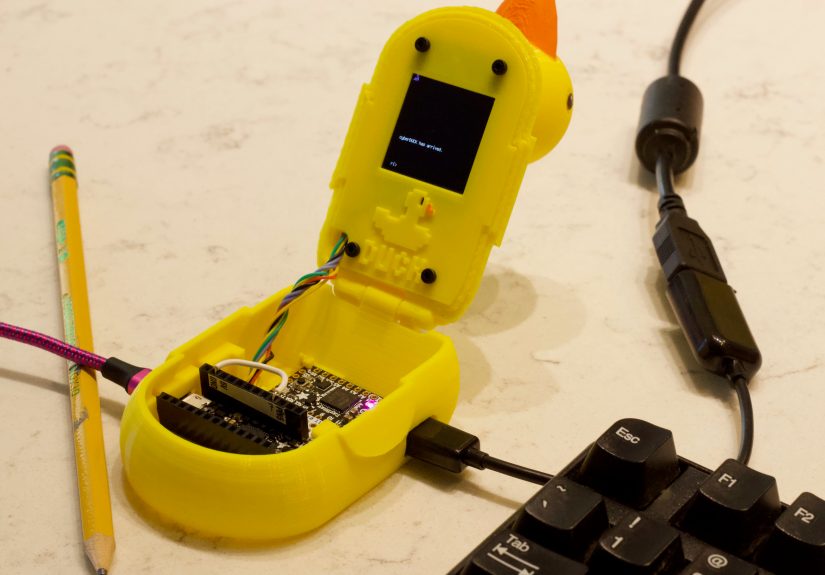
At first glance, CyberDÛCK sounds like a joke with a USB cable attached. In reality, it is a sharp little example of what makes the cyberdeck movement so appealing: imagination, portability, technical curiosity, and a refusal to accept that computers have to be boring gray rectangles. The original project took the spirit of the cyberdeck, shrank it down from the usual Raspberry Pi-and-keyboard beast, and turned it into a duck-shaped portable prototyping rig built for CircuitPython.
That combination is delightful on the surface, but it is also more thoughtful than it looks. CyberDÛCK is not just a quirky shell around electronics. It is a reminder that a useful device can also be playful, personal, and strangely charming. In a maker scene full of rugged cases, exposed screws, tactical handles, and “I hacked this in a bunker” energy, a duck waddles in and says, “Sure, but can your cyberdeck make people smile before it opens a REPL?”
What Is a Cyberdeck, Anyway?
If you have spent time around DIY electronics, Raspberry Pi projects, or retrofuturist hardware circles, you have probably seen the word cyberdeck thrown around with equal parts passion and dramatic lighting. The term traces back to William Gibson’s Neuromancer, where portable computing devices were imagined as tools for navigating cyberspace. In the modern maker world, the term has evolved into a broad label for custom-built portable computers that mix function with cyberpunk style.
That is why cyberdecks can look wildly different from one another. Some are clamshell terminals with full keyboards and chunky batteries. Some look like field radios, Pelican case workstations, or props from a movie that never actually got made but definitely should have. Others lean hard into the retro-future vibe with offset displays, mechanical keyboards, antennas, knobs, weathering, and enough 3D-printed panels to make a filament manufacturer weep with joy.
Still, most cyberdecks share a few big ideas:
Portability
A cyberdeck is meant to go places. It might not slip into your jeans pocket, unless you are wearing pants designed by science fiction, but it is usually compact enough to carry and use away from a desk.
Personal Utility
Cyberdecks are often built for a specific workflow: terminal work, testing code, radio experimentation, field notes, lightweight Linux tasks, or portable prototyping. They are not trying to beat a gaming laptop in benchmark charts. They are trying to feel right for a particular task.
Style With Intent
This is where the culture gets fun. Cyberdecks are not just computers; they are also design statements. Builders choose materials, layouts, switches, screens, and enclosures in a way that turns utility into personality. A good cyberdeck says something before it even boots.
Which brings us to the duck.
Meet CyberDÛCK: The Duck That Codes
The original CyberDÛCK project was presented as a small, self-contained programming interface for microcontroller tinkering on the go. Instead of following the typical cyberdeck recipe of “grab a Raspberry Pi, add a display, bolt on a keyboard, and call it a day,” this build took a different route. It focused on a microcontroller-first workflow.
That distinction matters.
Rather than acting like a tiny general-purpose PC, CyberDÛCK was built around a pair of Adafruit ItsyBitsy M4 boards and a 240×240 TFT display. One board handled USB keyboard input through an OTG connection, while the other displayed a REPL, giving the user a self-contained environment for interacting with CircuitPython code. In plain English: it let you bring the “talk directly to the hardware” feeling of embedded development into a tiny, whimsical, portable shell.
That is where the project becomes more than a cute enclosure. CyberDÛCK was not pretending to be a full laptop. It was solving a narrower problem with unusual elegance: how do you make embedded experimentation feel mobile, immediate, and fun?
Answer: apparently, you put a programmer in a duck.
Why the Duck Shape Is More Than a Gag
It is easy to dismiss novelty-shaped hardware as a pure joke, but that would miss the point. Great maker projects often become memorable because they give technical ideas a strong physical identity. A duck-shaped shell does three useful things at once.
It Makes the Device Approachable
A lot of DIY electronics projects can look intimidating to beginners. Exposed wiring, boards, batteries, and acronyms tend to whisper, “Touch me and something expensive will happen.” CyberDÛCK has the opposite energy. It invites curiosity. It feels playful rather than forbidding. For education, demos, and community engagement, that is not a small advantage.
It Gives the Build a Clear Purpose
Cyberdecks live or die on identity. If a build looks like every other slab of plastic with a screen, it risks becoming forgettable. CyberDÛCK is unforgettable, which is a kind of engineering success all by itself. Makers remember the project, talk about it, and want to build their own strange variations. That is how ideas spread.
It Matches the Spirit of Tinkering
At its best, the maker culture is not just about efficiency. It is about discovery, delight, and doing things because they are technically interesting and emotionally satisfying. A duck shell is not “unnecessary.” It is a declaration that computing can still be weird in the best possible way.
Why CircuitPython Is the Secret Sauce
CyberDÛCK makes more sense once you understand why CircuitPython is such a natural fit. CircuitPython was designed to make experimentation on low-cost microcontrollers simpler and more accessible. Instead of setting up a heavy desktop toolchain before blinking your first LED, you can often connect a board, edit files directly, and interact with the device in a more immediate way.
That workflow is a huge deal for portability. A traditional embedded setup may depend on a separate computer for coding, compiling, flashing, and debugging. CircuitPython reduces that friction. The REPL makes it easier to test ideas quickly. The storage-drive style interaction lowers the barrier to entry. The result feels lighter, faster, and more playful.
CyberDÛCK basically leans into that philosophy and says, “What if the device itself became the tiny place where experimentation happens?”
That question is more important than it sounds. It pushes against the usual assumption that portable computing has to imitate a laptop. Sometimes the best portable machine is not a mini-laptop at all. Sometimes it is a specialized tool that does one narrow thing beautifully.
How CyberDÛCK Fits the Larger Cyberdeck Movement
Most modern cyberdecks are built around Raspberry Pi hardware, and there is a simple reason for that: Raspberry Pi boards are compact, flexible, low-power, and surrounded by a galaxy of accessories. Makers use them to build clamshell rigs, field terminals, compact coding stations, and cyberpunk props that somehow turned into real tools.
That broader scene helps explain why CyberDÛCK feels fresh. It does not reject the cyberdeck tradition. It miniaturizes and reinterprets it.
Where many cyberdecks chase “portable Linux workstation” energy, CyberDÛCK chases portable embedded console energy. Where some builds emphasize rugged industrial styling, this one embraces toy-like humor without losing technical purpose. Where many cyberdecks are designed to be all-purpose, CyberDÛCK stays focused.
That focus is actually very cyberdeck-like. The best decks are not always the most powerful ones. They are the ones with a clear use case, a coherent visual identity, and just enough weirdness to make their owners irrationally proud of them.
In that sense, CyberDÛCK absolutely quacks like a cyberdeck. Loudly. Possibly while wearing sunglasses at night.
What Builders Can Learn From It
Even if you never plan to build a duck-shaped console, CyberDÛCK offers a few excellent lessons for makers.
1. Design Around a Workflow, Not a Buzzword
It is tempting to build portable hardware first and figure out its purpose later. CyberDÛCK flips that process. It starts from a workflow, namely portable CircuitPython interaction, and lets the design serve that goal.
2. Smaller Can Be Smarter
There is a common trap in maker projects where “more features” becomes the same thing as “better.” Bigger battery, bigger screen, bigger processor, more ports, more complexity. CyberDÛCK shows the opposite path. By staying small and specialized, it becomes more distinctive and arguably more useful for its intended job.
3. Personality Is a Feature
Hardware people sometimes talk about aesthetics like they are frosting on the cake. But in a community-driven project, personality can be a real functional advantage. It attracts attention, sparks conversation, encourages sharing, and helps others understand the concept quickly. A memorable form factor can make an idea travel farther.
4. Friendly Devices Invite Experimentation
There is something psychologically powerful about a device that does not look precious. CyberDÛCK feels like the kind of tool you would actually pick up and mess with. That matters. The more approachable a device feels, the more likely people are to use it, modify it, and learn from it.
Could You Build a Better CyberDÛCK Today?
Absolutely, and that is part of the fun. Modern maker hardware gives builders even more options than the original project had. Newer boards, easier USB host support, better batteries, brighter displays, and more compact design tools all make this category richer than ever. A modern version could add wireless features, a cleaner integrated keyboard solution, improved power management, or a sharper display while keeping the original duck-brained spirit intact.
But “better” should be handled carefully here. The original CyberDÛCK works because it is not trying to become a polished commercial product. It is a maker object with a sense of humor. Sand all the weird edges off it, and you might end up with something more practical but less lovable.
And let us be honest: “lovable portable microcontroller interface” is a category more products should aim for.
Why Weird Computers Still Matter
We live in an era of astonishingly capable devices that all sort of look the same. Phones are black glass rectangles. Laptops are thin aluminum sandwiches. Tablets are minimalist slabs. That uniformity is efficient, but it can also be spiritually beige.
Cyberdeck culture pushes back against that sameness. It reminds us that computing can still be local, tactile, customized, imperfect, and deeply personal. CyberDÛCK takes that principle and gives it a squeaky bath-toy silhouette. Under the joke is a serious point: people learn better, build more boldly, and share more enthusiastically when the hardware feels alive with intention.
That is why this little duck deserves attention. Not because it is the most powerful machine in the room. Not because it can replace your laptop. And certainly not because it is trying to act cool in the conventional sense. It matters because it captures a truth the best DIY tech projects always understand: function gets you started, but delight is what makes people care.
Conclusion
CyberDÛCK is a tiny, funny, technically smart answer to a real question: what happens when the cyberdeck idea leaves the world of oversized portable terminals and waddles into the realm of microcontroller hacking? The answer is a device that feels both ridiculous and right. It borrows the cyberdeck’s portability, identity, and hacker spirit, then trims the concept down into a highly focused CircuitPython console that proves specialized tools can still have big personality.
In a sea of serious gadgets, CyberDÛCK earns its place by being memorable, useful, and gloriously weird. It quacks like a cyberdeck because it shares the same DNA: custom purpose, portable form, and a refusal to be ordinary. The only real difference is that this one looks like it might float away if you leave it near a sink.
Experience Notes: What a Build Like CyberDÛCK Feels Like in the Real World
The most interesting thing about a device like CyberDÛCK is not what it looks like on a project page. It is what happens when you imagine actually living with it for a few days. A normal laptop asks to be treated like a productivity appliance. A build like this asks to be picked up, shown around, experimented with, and talked about. That changes the whole experience.
First, there is the reaction factor. If you pull a standard ultrabook out at a coffee shop, nobody notices. If you pull out a duck-shaped coding rig, people immediately want to know what in the world is happening. That sounds silly, but it creates a kind of social interface. The device becomes a conversation starter, a demo platform, and an invitation for curiosity. For educators, makerspaces, classrooms, and hobby meetups, that is powerful. People who would never walk up to a black project box might absolutely walk up to a cybernetic duck.
Second, the small-screen experience changes your mindset. A tiny display and focused input method naturally push you toward shorter, tighter interactions. You are not opening twenty browser tabs and pretending you are going to read them later. You are checking code, testing a snippet, poking at hardware, and making one thing work. There is a refreshing honesty in that. The machine sets boundaries, and those boundaries can actually improve attention.
Third, a playful enclosure lowers the fear of experimentation. Devices that look expensive or polished often make users hesitant. A weird homemade object feels like it wants to be modified. You are more willing to tweak code, swap parts, print a better shell, reroute wiring, or try a new idea. In that way, the form factor encourages the exact behavior the maker world values most: iteration.
There is also a practical emotional effect. A humorous design can reduce the pressure people feel around technical work. Programming and electronics can be frustrating. Debugging is often just polite suffering in small increments. A project that looks funny helps balance that mood. When your tiny console resembles a duck, failure feels a little less dramatic. It is hard to be devastated by a syntax error when your hardware looks like it might ask for breadcrumbs.
Most of all, a build like CyberDÛCK makes computing feel personal again. It does not arrive as a sealed product with a marketing slogan and six mandatory dongles. It feels handcrafted, opinionated, and oddly affectionate. That is the real experience at the heart of this project. You are not just using a machine. You are using someone’s idea of what a machine could be if utility and joy were allowed to sit at the same workbench.