Table of Contents >> Show >> Hide
Diverticulitis is one of those conditions that sounds like a spelling-bee trap but feels much less funny when it shows up in real life. It usually starts with tiny pouches in the wall of the colon called diverticula. Having those pouches is called diverticulosis, and many people never know they have them. Trouble begins when one or more of those pouches become inflamed or infected. That is diverticulitis, and it can turn a normal day into a “why does my lower belly suddenly hate me?” kind of day.
The good news is that diverticulitis is treatable, and many cases improve with conservative care. The trick is knowing what it is, what it is not, and when symptoms cross the line from annoying to urgent. This guide breaks down the causes, symptoms, diagnosis, treatment options, prevention strategies, and everyday realities of living with diverticulitis in plain American English, with enough detail to be useful and not so much jargon that your colon files a complaint.
What Is Diverticulitis?
Diverticulitis develops when diverticula in the colon become inflamed, and in some cases infected. These pouches are most often found in the large intestine, especially the lower part of the colon. Diverticulosis is common with age and often causes no symptoms at all. Diverticulitis is different because it tends to be painful, more sudden, and much more likely to send someone to urgent care, the emergency room, or at least straight to a search bar at 2 a.m.
Doctors often divide diverticulitis into two broad categories:
- Uncomplicated diverticulitis: Inflammation without major complications.
- Complicated diverticulitis: Inflammation with problems such as an abscess, perforation, fistula, obstruction, or peritonitis.
That distinction matters because uncomplicated cases are often treated without surgery, while complicated cases may need hospitalization, drainage procedures, or surgery.
What Causes Diverticulitis?
The exact cause is not fully settled, which is medicine’s polite way of saying, “we know a lot, but not every last detail.” Experts believe diverticulitis results from a mix of pressure, structural weakness in the colon wall, inflammation, changes in the gut microbiome, and lifestyle factors.
Common factors linked to diverticulitis
- Older age
- A low-fiber eating pattern over time
- Higher intake of red meat
- Lack of regular physical activity
- Smoking
- Overweight and obesity
- Certain medicines, especially some NSAIDs
- Genetic susceptibility
One important myth deserves retirement: nuts, seeds, and popcorn are no longer considered automatic villains. For years, people were told to avoid them because they were thought to get stuck in diverticula and trigger attacks. Current guidance does not support that old rule. In other words, the popcorn did not mastermind this situation.
Diverticulitis Symptoms to Watch For
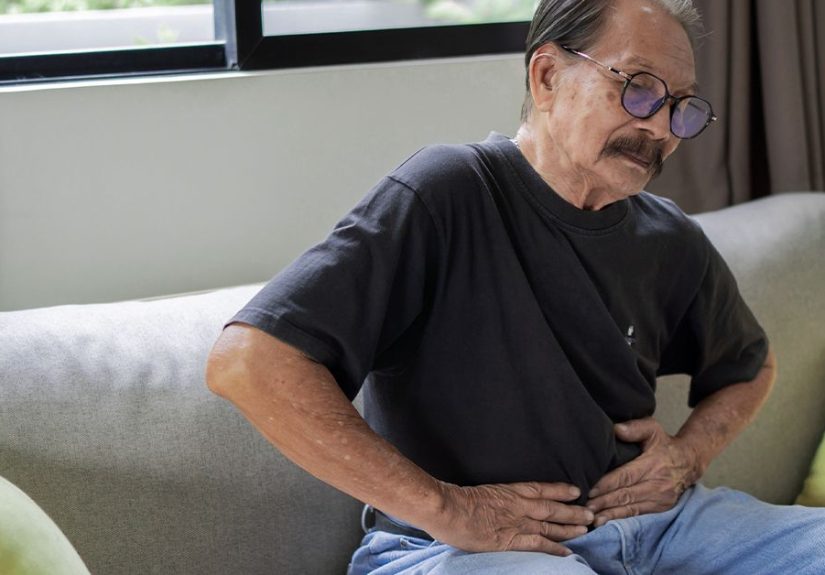
The most common symptom of diverticulitis is abdominal pain, usually on the lower left side. The pain may come on suddenly or build over several days. Some people describe it as steady, deep, and hard to ignore, rather than a quick cramp that comes and goes.
Typical symptoms
- Lower left abdominal pain or tenderness
- Fever and chills
- Nausea or vomiting
- Constipation or diarrhea
- Bloating
- Loss of appetite
Not every symptom checklist looks identical. One person may mostly notice pain and fever, while another deals with bloating, altered bowel habits, and fatigue. Mild symptoms can overlap with other digestive conditions, which is why self-diagnosing every belly ache as diverticulitis is not a winning strategy.
When symptoms may signal an emergency
Seek urgent medical care if there is severe abdominal pain, a rigid abdomen, high fever, inability to keep down fluids, fainting, blood in the stool, or signs of a possible perforation or peritonitis. Those symptoms can point to a complication that should not be managed with soup, optimism, and internet tabs.
How Diverticulitis Is Diagnosed
Diagnosis usually starts with a medical history and physical exam, but symptoms alone are not enough because other conditions can mimic diverticulitis. Appendicitis, irritable bowel syndrome, inflammatory bowel disease, kidney stones, urinary infections, and gynecologic issues can all create confusion.
Tests doctors may use
- Blood tests: To look for infection or inflammation.
- Urine or stool testing: To help rule out other causes.
- CT scan: Often the most useful imaging test for confirming diverticulitis and checking for complications.
- Colonoscopy after recovery: Sometimes recommended after an attack, depending on severity and prior screening history.
A colonoscopy is generally not the first test during an acute flare because the colon is inflamed and needs a chance to calm down. After recovery, a follow-up colonoscopy may be recommended to rule out other conditions, including colorectal cancer, especially if the episode was complicated or recent colon screening has not been done.
Diverticulitis Treatments
Treatment depends on how severe the illness is and whether complications are present. This is where modern care has become more nuanced. Years ago, many patients automatically received antibiotics. Today, some people with mild uncomplicated diverticulitis may recover without routine antibiotics, while others still clearly need them.
Treatment for mild or uncomplicated diverticulitis
For uncomplicated diverticulitis, treatment may include rest, fluids, pain control, and temporary diet changes. Some people are treated at home. Antibiotics may be used selectively, especially if symptoms are more severe, persistent, or the patient has risk factors such as frailty, significant medical problems, vomiting, or immune suppression.
Diet during a flare
During an acute flare, doctors may suggest a clear liquid diet for a short period or a temporary low-fiber diet. The goal is to reduce the workload on the colon while inflammation settles down. Once symptoms improve, foods are gradually added back.
Examples of foods commonly used during early recovery include:
- Broth
- Clear juices without pulp
- Gelatin
- Popsicles
- Plain toast
- Rice
- Applesauce
- Yogurt, depending on tolerance
Eventually, many patients are advised to return to a balanced, fiber-rich eating pattern once the flare has resolved. That shift is about long-term prevention, not punishment. Nobody gets a gold medal for eating beige foods forever.
Pain relief and supportive care
Pain treatment should be guided by a clinician. Acetaminophen is often preferred over NSAIDs in many cases because some NSAIDs may increase the risk of complications. Hydration matters too, especially if fever, diarrhea, or vomiting is in the picture.
Treatment for severe or complicated diverticulitis
Complicated diverticulitis often requires hospital care. Treatment may include:
- IV fluids
- IV antibiotics
- Drainage of an abscess
- Bowel rest
- Surgery if there is perforation, fistula, obstruction, or repeated severe episodes
Surgery usually involves removing the diseased portion of the colon. In some situations, the healthy ends can be reconnected right away. In others, a temporary or less commonly permanent ostomy may be needed. Surgeons increasingly use minimally invasive techniques when appropriate, but the exact approach depends on how sick the patient is and what complication has occurred.
Possible Complications of Diverticulitis
Most people do not develop life-threatening complications, but when complications happen, they are serious. These can include:
- Abscess: A pocket of infection near the colon.
- Perforation: A hole in the colon wall.
- Peritonitis: Infection of the abdominal lining.
- Fistula: An abnormal connection between the colon and another organ, such as the bladder.
- Obstruction: A narrowing or blockage in the intestine.
These complications are why persistent fever, worsening pain, inability to eat or drink, or feeling dramatically worse should never be brushed off as “just digestion being dramatic.”
Can Diverticulitis Be Prevented?
No prevention plan is perfect, but lifestyle changes appear to lower the risk of future attacks. This is where everyday habits matter more than miracle foods or social-media gut hacks.
Strategies that may help reduce risk
- Eat more fiber from fruits, vegetables, beans, and whole grains
- Cut back on excess red meat
- Exercise regularly
- Maintain a healthy weight
- Quit smoking
- Stay hydrated
- Work with a clinician on medication choices if you frequently use NSAIDs
Fiber is especially important after recovery, not during the peak of a painful flare. That timing matters. Loading up on bran cereal in the middle of acute diverticulitis is a little like trying to fix a traffic jam by adding more cars.
Living With Diverticulitis
Many people recover from diverticulitis and do well. Others deal with repeat flares or lingering digestive sensitivity. The emotional side can be just as real as the physical symptoms. Some patients become anxious about travel, restaurant meals, or any cramp that appears on the lower left side like an uninvited sequel.
Living well with diverticulitis usually involves learning personal triggers, staying consistent with follow-up care, and separating myths from evidence. It can also mean working with a primary care doctor, gastroenterologist, or colorectal surgeon if episodes are frequent or complicated.
Real-World Experiences With Diverticulitis
Ask people what diverticulitis feels like, and many will say the same thing in different words: “I thought it was gas, constipation, food poisoning, or stress until it really wasn’t.” A common experience is the slow realization that this is not an ordinary stomachache. The pain often settles in one spot, usually the lower left abdomen, and refuses to behave like a typical cramp. It can be steady, sore, and weirdly exhausting. People talk about feeling feverish, wiped out, bloated, and oddly tender even when walking around the house.
Another common thread is confusion. A first episode often sends people down a rabbit hole of guesses. Some assume they ate the wrong thing. Others blame spicy food, popcorn, or one heroic but regrettable cheeseburger. By the time they reach a clinic and hear the word “diverticulitis,” many have never heard it before and are suddenly trying to understand colon anatomy while wearing paper exam shorts. It is not a glamorous learning environment.
Recovery stories vary. Some people improve after a few days of fluids, rest, and medication, then gradually return to normal meals. Others say the recovery feels less like a dramatic movie montage and more like a cautious negotiation with their digestive system. One day toast feels fine, the next day a heavy meal feels like a terrible plot twist. That stop-and-start pattern can make people nervous about food, even when they are healing normally.
People with repeat flares often describe a different challenge: uncertainty. They may worry about traveling, eating out, exercising, or being far from a bathroom or a hospital. A lot of patients become hyperaware of every abdominal sensation. Is this just bloating? Is it constipation? Is another flare starting? That mental loop can be draining. The condition may also affect work, sleep, and social plans, especially when attacks come with fatigue or urgent trips to the doctor.
For some, the biggest relief comes from finally having a plan. Knowing when to call a doctor, what to eat during recovery, how to add fiber back slowly, and which symptoms signal something serious can make the condition feel less mysterious and less scary. People also often feel better when they learn that modern guidance no longer bans nuts and seeds by default and that not every flare means surgery is next. Clear information lowers panic, and panic is a terrible side dish.
The long-term experience is often about balance. Many patients do best when they focus on steady habits rather than perfection: more fiber after recovery, more water, more walking, less smoking, less guesswork, and faster check-ins when symptoms feel different or worse than usual. Diverticulitis may be a frustrating condition, but for many people it becomes manageable once they understand what is happening and how to respond early.
Conclusion
Diverticulitis is common, painful, and sometimes scary, but it is also highly manageable when recognized early and treated appropriately. The key is understanding the difference between diverticulosis and diverticulitis, recognizing common symptoms, getting the right tests, and following a treatment plan matched to the severity of the flare. Mild cases may improve with rest, diet changes, and selective use of antibiotics, while complicated cases may require hospital care, drainage, or surgery.
Long term, the best strategy is not fear. It is smart prevention: more fiber after recovery, regular movement, better overall diet quality, avoiding smoking, and staying alert to warning signs. Your colon may be high-maintenance at times, but with the right care, it does not have to run the show.