Table of Contents >> Show >> Hide
- Are Frozen Dog Treat Popsicles Safe for Dogs?
- The Simple Formula for DIY Dog Popsicles
- 5 Easy DIY Frozen Dog Treat Popsicle Recipes
- Smart Tips for Making and Serving Dog Popsicles
- Ingredients to Avoid in Dog Popsicles
- Customizing Popsicles for Different Dogs
- Real-Life Experiences with DIY Frozen Dog Treat Popsicles
- Conclusion: A Simple Way to Keep Your Dog Cool and Happy
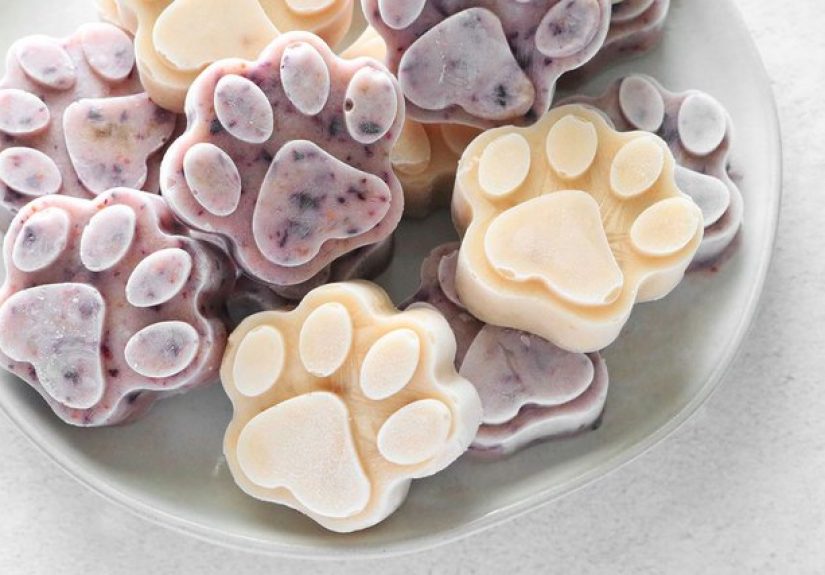
It’s 95°F outside, your dog is panting like a tiny furry dragon, and you’re standing at the freezer with a popsicle in your hand and a very offended pair of puppy eyes staring back at you. Good news: you don’t have to eat your frozen treat in secret. With a few simple ingredients and some basic kitchen gear, you can whip up DIY frozen dog treat popsicles (often called “pupsicles”) that are safe, refreshing, and seriously fun to make.
This guide walks you through how to create healthy frozen dog treats, which ingredients are dog-safe, what to avoid, and several easy popsicle recipes you can customize for your pup. We’ll also share real-life tips and experiences so you can skip the mistakes and go straight to tail wags.
Are Frozen Dog Treat Popsicles Safe for Dogs?
Frozen dog popsicles can be perfectly safeas long as you’re careful with ingredients and portion sizes. Think of these treats like doggie dessert. Tasty? Absolutely. Daily food group? Not so much.
- Keep treats to about 10% of your dog’s daily calories. The rest should come from a balanced dog food diet.
- Use dog-safe ingredients. Stick with plain, unsweetened yogurt, xylitol-free peanut butter, low-sodium broth, and dog-friendly fruits and veggies.
- Watch dairy. Many dogs are a bit lactose-intolerant. Plain Greek yogurt or lactose-free yogurt is usually easier to digest, but introduce it slowly and watch for any tummy issues.
- Check peanut butter labels. Xylitol (sometimes listed as “birch sugar”) is extremely toxic to dogs. Your peanut butter must be completely xylitol-free.
If your dog has health issues (pancreatitis, kidney problems, food allergies, or is on a prescription diet), talk to your vet before adding rich or new treats. When in doubt, keep recipes simple and low-fat.
The Simple Formula for DIY Dog Popsicles
Most frozen dog treat popsicles follow a pretty easy formula:
Base + Flavor + Optional Boosters = Frozen Dog Happiness
1. Choose a Dog-Safe Base
- Plain Greek yogurt: Thick, creamy, and protein-rich. Choose unsweetened, unflavored, low- or nonfat versions.
- Water: Great for light, hydrating treats that won’t add many calories.
- Low-sodium broth: Chicken or beef broth with no onions, garlic, or added seasonings makes a savory popsicle.
- Coconut water (unsweetened): Another hydrating optionjust use in moderation and avoid added sugars.
2. Add Dog-Friendly Flavors
Here are some popular fruits and veggies that often show up in vet- and trainer-approved frozen treat recipes:
- Bananas
- Blueberries
- Strawberries (no added sugar)
- Seedless watermelon (no rind)
- Pumpkin puree (plain, not pie filling)
- Carrots
- Apples (no seeds or core)
- Plain peanut butter (xylitol-free)
Introduce new foods slowly and in small amounts. Even dog-safe foods can upset an individual dog’s stomach if they’re not used to them.
3. Add Optional Nutrition Boosters
Once your dog tolerates the basics, you can mix in small amounts of extra goodies:
- Plain oats for extra fiber and texture.
- Purée of sweet potato or butternut squash for vitamins and a creamy consistency.
- Dog-safe supplements only if recommended by your vet (like joint-support powders or probiotic blends).
4. Tools You’ll Need
- Blender or food processor (or a sturdy fork and some patience)
- Silicone molds, ice cube trays, or small paper cups
- Dog biscuits, chew sticks, or carrot sticks to use as “popsicle sticks” (optional)
- Freezer space (the eternal struggle)
5 Easy DIY Frozen Dog Treat Popsicle Recipes
These recipes are flexible. Your dog doesn’t need perfect measurementsjust consistency, safety, and moderation.
Recipe 1: Classic Peanut Butter–Banana Pupsicles
Like a dog-friendly frozen peanut butter banana smoothie.
Ingredients
- 1 ripe banana
- 1 cup plain Greek yogurt
- 2 tablespoons xylitol-free peanut butter
- Water as needed (1–3 tablespoons) to thin
Instructions
- Blend banana, yogurt, and peanut butter until smooth. Add a splash of water if it’s too thick.
- Spoon or pour the mixture into silicone molds or ice cube trays.
- Optional: Insert a small dog biscuit or carrot stick as a “popsicle stick.”
- Freeze for at least 3–4 hours, or until solid.
- Pop one out and let your pup enjoy under supervision.
Recipe 2: Berry Yogurt Swirl Pops
Great for dogs that love fruity flavors and for owners who want something Instagram-worthy.
Ingredients
- 1 cup plain Greek yogurt
- 1/2 cup blueberries (fresh or frozen)
- 1/2 cup strawberries, chopped (fresh or frozen, no sugar added)
- Water as needed
Instructions
- Blend the berries with a few tablespoons of water to make a pourable purée.
- In a separate bowl, stir the yogurt until smooth.
- Layer yogurt and berry purée into molds for a swirl effect, lightly stirring with a toothpick or spoon.
- Freeze 3–4 hours, then serve one pop at a time.
Recipe 3: Hydrating Watermelon Ice Pops
Light and refreshing for dogs that don’t need a rich, creamy treat.
Ingredients
- 2 cups seedless watermelon cubes (no rind)
- 1/4 cup water
- Optional: a small handful of blueberries
Instructions
- Blend watermelon (and blueberries, if using) with water until smooth.
- Pour into ice cube trays or shallow molds.
- Freeze for 2–3 hours. The texture will be more like a light ice pop than a creamy treat.
- Offer a small cube and see how your dog likes it.
Recipe 4: Pumpkin Pie Freezer Bites
Perfect for fall… or for dogs who believe pumpkin season is year-round.
Ingredients
- 1/2 cup plain pumpkin puree (not pumpkin pie filling)
- 1/2 cup plain Greek yogurt or water
- 1 tablespoon xylitol-free peanut butter (optional)
- Pinch of ground cinnamon (optional, only if your vet okays it and in tiny amounts)
Instructions
- Stir pumpkin, yogurt or water, peanut butter (if using), and cinnamon together until smooth.
- Pour into small molds or an ice cube tray.
- Freeze for 3–4 hours.
- Serve one or two bites for a medium dog as an occasional treat.
Recipe 5: Savory Chicken & Carrot Freezer Pops
For dogs who think fruit is suspicious but chicken is life.
Ingredients
- 1 cup low-sodium chicken broth (no onion, no garlic)
- 1/2 cup shredded cooked chicken (plain, no seasoning)
- 1/4 cup finely grated carrot
Instructions
- Mix the broth, chicken, and carrot in a bowl.
- Pour the mixture into molds, making sure chicken and carrot are evenly distributed.
- Freeze until solidabout 3–4 hours.
- Pop one out and let your dog crunch and lick their way to the good stuff.
Smart Tips for Making and Serving Dog Popsicles
1. Size Matters
- Small dogs: Use mini molds or ice cube trays. One cube is often enough.
- Medium dogs: One small to medium pop is usually fine.
- Large dogs: One to two pops, depending on ingredients and their daily calorie needs.
When you introduce a new recipe, start with half a treat and see how your dog’s stomach handles it before offering more.
2. Serve Slowly and Supervise
Some dogs will try to inhale a frozen treat in record time. To prevent gulping:
- Offer popsicles on a towel, mat, or in the yard.
- Hold the treat while your dog licks, then let go when it’s smaller.
- If your dog tends to swallow things whole, skip hard sticks and use soft, “stickless” cubes.
3. Store Them Correctly
Once the treats are frozen, pop them out of the molds and store them in an airtight freezer bag or container. Label them (you do not want to confuse the dog popsicles with your strawberry margarita cubes) and use within 1–2 months for best flavor and texture.
Ingredients to Avoid in Dog Popsicles
Not everything you’d put in your own smoothie or popsicle belongs in your dog’s treat. Steer clear of:
- Xylitol and artificial sweeteners: Extremely dangerous for dogs. Check peanut butter, yogurt, and any packaged ingredients.
- Chocolate or cocoa: Toxic to dogs, even in small amounts.
- Grapes and raisins: Can cause kidney failure in dogs.
- Cherry pits and apple seeds: Contain compounds that can be harmful; always remove pits and cores.
- Onions and garlic: Often found in broths and sauces; avoid them completely.
- Excess salt, sugar, or fat: Too much can upset your dog’s stomach and contribute to long-term health problems.
When in doubt, keep recipes basic and check with your vet, especially if your dog has a medical condition or special diet.
Customizing Popsicles for Different Dogs
For Dogs with Sensitive Stomachs
- Use water or diluted broth rather than dairy.
- Choose gentle flavors like pumpkin, carrot, or a small amount of banana.
- Make very small cubes so your dog isn’t overloaded with new ingredients at once.
For Puppies
Puppies can enjoy frozen treats, but their digestive systems and teeth are still developing.
- Keep treats tinythink mini ice cubes, not full-size popsicles.
- Avoid rich recipes loaded with peanut butter or dairy.
- Use simple flavors like diluted broth or a bit of banana and water.
For Senior Dogs
Older dogs may have dental issues or be more easily chilled.
- Use softer, smaller frozen treats that melt quickly.
- Limit very hard or large popsicles that require lots of chewing.
- Offer frozen treats after they’ve been out of the freezer for a minute or two so they soften slightly.
Real-Life Experiences with DIY Frozen Dog Treat Popsicles
Once you start making DIY frozen dog treats, you’ll quickly realize they’re more than just snacksthey’re tools. They help with training, enrichment, grooming sessions, and even helping shy or anxious dogs feel more at ease.
For example, many dog owners swear by a simple peanut butter–banana pupsicle as the secret weapon for nail trims. Instead of wrestling with a wiggly pup, they smear a little of the mixture into a silicone lick mat or offer a small frozen pop. While the dog is focused on licking, the human quietly gets through one paw at a time. It turns “Ugh, nail clipping” into “Wow, popsicle day!”
Frozen popsicles also make fantastic hot-weather enrichment. On brutally warm days, a long walk can be too much for some dogsespecially flat-faced breeds, seniors, or dogs with health challenges. That’s where frozen toys come in. Filling a rubber chew toy with yogurt and fruit, then freezing it, creates a long-lasting project that keeps your dog’s mind busy while they stay safely inside with the air conditioning on. They lick, pause, lick some more, and eventually pass out for a nap, emotionally satisfied and pleasantly tired.
Another fun trick is to turn popsicles into a “treasure hunt.” Freeze small cubes of flavored water or broth, then scatter them over a shaded patch of grass. Let your dog sniff, search, and discover each cube. It’s simple, but it taps into natural foraging instincts. For anxious or under-stimulated dogs, that sniffing time can be incredibly soothing.
Of course, there are lessons learned the hard way, too. One common mistake is making popsicles that are too big or too rich. Maybe you fill large molds with yogurt and peanut butter because you love your dog “so much”and then spend the next day dealing with an upset stomach and a very guilty conscience. Most owners who’ve been through that once end up scaling back: smaller molds, lighter bases, fewer high-fat ingredients, and slower introductions of anything new.
Another real-world tip: test your dog’s enthusiasm before you commit to a whole batch. Some dogs adore fruit-based popsicles; others look at a blueberry like it’s an alien. Try a tiny sample first. If your dog goes wild, you know you’ve found a winning flavor combination. If they spit it out and give you The Look, adjust your recipe, maybe swapping fruits for chicken broth or pumpkin.
Storage and routine also come into play. A lot of owners like to make a big batch on Sundayusing different molds, flavors, and texturesand then pull out one treat per day. It becomes part of the dog’s daily rhythm: morning potty break, breakfast, afternoon nap, evening popsicle. Dogs thrive on routine, and when that routine includes a refreshing frozen treat, they start looking forward to the sound of the freezer opening like it’s a party invitation.
Finally, DIY popsicles are a nice way to involve the whole household. Kids can safely help mash bananas, pour mixtures into molds, and pop the treats out once they’re frozen. It becomes a family project with an enthusiastic canine taste tester waiting for the “quality control” phase. That shared fun is as valuable as the treat itself. You’re not just cooling your dog downyou’re building little rituals and memories around caring for them.
Conclusion: A Simple Way to Keep Your Dog Cool and Happy
DIY frozen dog treat popsicles are one of those rare projects that check every box: they’re easy, inexpensive, customizable, and dog-approved. By choosing safe ingredients, making small portions, and tailoring recipes to your dog’s tastes and health needs, you can turn hot days into something your pup actually looks forward to.
Start with a simple recipelike peanut butter and banana or watermelon and waterwatch how your dog reacts, and tweak from there. Before long, you’ll have a freezer full of colorful pupsicles and a dog who sprints to the kitchen every time they hear the ice maker. That’s a summer win for everyone.