Table of Contents >> Show >> Hide
- What Is a Duplicate Check, Exactly?
- Duplicate Checks vs. Check Copies vs. “Canceled Checks”
- How Duplicate Checkbooks Work
- Why People Still Use Duplicate Checks
- Pros and Cons of Duplicate Checks
- How to Use Duplicate Checks Like You’re the CEO of Your Own Money
- Ordering Duplicate Checks: What to Look For
- Can Duplicate Checks Help With Disputes, Taxes, or Proof of Payment?
- Duplicate Checks and Fraud: Same Word, Different Problem
- Who Should Get Duplicate Checks (and Who Can Skip Them)?
- FAQ: Quick Answers About Duplicate Checkbooks
- Real-World Experiences: What People Notice After Switching to Duplicate Checks
- Conclusion
- SEO Tags
If you’ve ever seen a “duplicate checkbook,” you already know the vibe: it’s a regular checkbook… with a built-in
paper trail. Think of it like receipts for people who still enjoy the ancient art of writing checks (no judgmentsome
of us also like vinyl records and “real” notebooks).
Duplicate checks are mostly about recordkeeping: every time you write a check, a copy of that check is
created automatically. That copy stays in your checkbook so you can remember what you paid, who you paid, and why you
paid itwithout playing detective later.
What Is a Duplicate Check, Exactly?
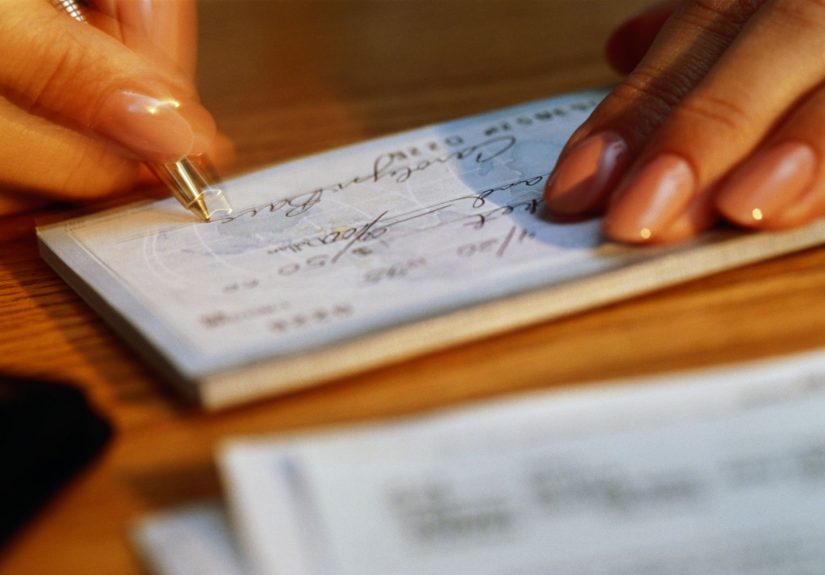
A duplicate check is an automatic copy of a check you write. The original check is the one you tear out
and give to the payee. The duplicate is the “shadow twin” that remains in your checkbook as a permanent record of the
transactiontypically capturing the check number, date, payee name, amount, memo, and your signature.
Most duplicate checkbooks use carbonless paper (not old-school messy carbon sheets). When you write on
the top check, pressure transfers the same information onto the sheet underneath. The duplicate isn’t meant to be used
as paymentit’s your built-in backup.
Duplicate Checks vs. Check Copies vs. “Canceled Checks”
The word “duplicate” gets used in a few different ways in banking, so let’s clean up the confusion before it starts
renting space in your brain.
Duplicate checks (the checkbook kind)
These are the carbonless copies created at the moment you write the check. They stay in your checkbook
for personal records and bookkeeping.
Check copies (from your bank)
Many banks can provide a copy or image of a processed check (often through online banking, and sometimes
by request for older items). This is typically a scan of the actual cleared check used in processing.
Canceled checks (processed and paid)
A canceled check generally means the check has been processed, paid, and is no longer valid for payment.
In other words: the check did its job, got “retired,” and now exists mainly as proof the payment happened.
How Duplicate Checkbooks Work
The mechanics are wonderfully simple (which is why they’ve survived in a world where your fridge can join Wi-Fi but
your printer still refuses to print).
Carbonless paper = instant copy
A duplicate checkbook places a thin carbonless sheet under each check. When you write on the original check, the
duplicate page underneath receives the same writing. No scanning, no apps, no “where did I put that receipt?”
What details the duplicate captures
- Check number (so you can match it to your statement)
- Date (useful when payments cross months)
- Payee (aka “who got your money”)
- Amount (both numeric and written amount)
- Memo notes (your future self will thank you)
- Signature (handy for verification)
Single, duplicate, and triplicate checks
You’ll usually see three formats:
- Single checks: no built-in copy; you track payments separately (or rely on online banking).
- Duplicate checks: one copy stays in the book for your records.
- Triplicate checks: two copies (often used in businesses where multiple departments need records).
Why People Still Use Duplicate Checks
Checks may not be the star of the payment world anymore, but they still show upespecially for rent, contractors,
childcare, HOA fees, and small organizations that like a paper trail.
They make recordkeeping almost effortless
If you’ve ever tried to remember whether “Check #112” was for the plumber or the piano lessons, duplicate checks are
basically your “nope, we’re not guessing” solution.
They’re great for payments that need proof
Some payments are the financial equivalent of “get it in writing.” Duplicate checks help you keep consistent notes
like invoice numbers, service dates, and what the payment covered.
They help when digital tools aren’t your main system
Not everyone wants to live inside apps and spreadsheets. Duplicate checks support a more analog approach while still
keeping things organizedespecially for people managing a household budget, a side hustle, or a small nonprofit.
Pros and Cons of Duplicate Checks
Pros
- Instant paper record of every check you write
- Easier reconciliation when your statement arrives
- Helpful for budgeting (especially when checks clear later)
- Useful documentation for disputes, reimbursements, or accounting
- Less reliance on memory (a wildly underrated benefit)
Cons
- Costs more than single checks
- Bulkier checkbook (more paper = more “stuff”)
- Privacy risk if you store your checkbook carelessly
- Not always necessary if you already track everything digitally
How to Use Duplicate Checks Like You’re the CEO of Your Own Money
Duplicate checks work best when you treat the duplicate copy as your “mini ledger.” Here’s how to get maximum value
without turning your life into an accounting seminar.
Write with clarity (your future self is the customer)
- Use the memo line for specifics: “January rent,” “Invoice #8842,” “Deposit,” “Reimbursement.”
- Write legibly. Your duplicate is only helpful if you can read it later.
- Fill all spaces so there’s less opportunity for tampering.
Reconcile regularly
Checks don’t always clear instantly. Duplicate checks help you track what’s “out there” and avoid accidentally
double-spending money you’ve already committed. A quick monthly check-in can prevent the classic “Wait… why is my
balance lower than I thought?” moment.
Store duplicates securely
A duplicate checkbook contains sensitive details: your name, bank routing number, account number, and your signature.
Treat it like you would cash or important documentssecure location, not floating around in a car console or an open
desk drawer at a busy office.
Ordering Duplicate Checks: What to Look For
You can usually order duplicate checks through your bank/credit union or through reputable check printers. When
shopping around, focus less on cute designs and more on practical details.
1) Choose the right format
- Personal duplicate checks: great for households and personal budgeting.
- Business duplicate checks: often include more space for memos and may align with accounting workflows.
- Desk checks: larger checks used with manual accounting systems (less common, but still around).
2) Look for security features
Modern checks often include features meant to deter counterfeiting and alteration. One recognizable industry marker is
the padlock icon used to indicate enhanced check security features.
3) Confirm ordering and delivery practices
If ordering through a third-party printer, stick to well-known providers and confirm they follow secure shipping and
verification steps. Ordering through your bank can be simpler because they already have your account information and
formatting requirements.
Can Duplicate Checks Help With Disputes, Taxes, or Proof of Payment?
Duplicate checks are excellent for personal records, but it’s important to know their limits.
Duplicate copy = your record, not the negotiable instrument
The duplicate sheet isn’t intended to be cashed or deposited. It’s proof of what you wroteuseful for your tracking
and internal documentation.
For “official” proof, banks often rely on cleared check images
If you need proof a check was processed (for example, a payment dispute or documentation request), banks may provide
a copy/image of the check that cleared. Many institutions also allow requesting older check copies (sometimes for a
fee, and with specific details like check number, amount, and date).
Duplicate Checks and Fraud: Same Word, Different Problem
Here’s a curveball: in fraud and banking operations, “duplicate” can also mean something else entirelylike when a
payment is presented twice or when a fraudulent item imitates a real check. This isn’t the same thing as a duplicate
checkbook, but it’s a good reason to take check security seriously.
Smart habits reduce check risk
- Use permanent ink and avoid blank spaces to reduce alteration risk.
- Monitor account activity so you can flag suspicious transactions quickly.
- Secure incoming/outgoing checks (mail theft and opportunistic fraud are real issues).
- For businesses: ask your bank about tools like Positive Pay or payee verification options.
Who Should Get Duplicate Checks (and Who Can Skip Them)?
Duplicate checks are a good fit if you:
- write checks regularly (rent, services, childcare, donations)
- want a built-in paper trail without extra effort
- manage a small business or side hustle and need clean records
- prefer offline tracking or have limited access to digital statements
You can probably skip duplicate checks if you:
- rarely write checks
- track spending fully through online banking and budgeting apps
- prefer bank-provided check images for documentation
FAQ: Quick Answers About Duplicate Checkbooks
Are duplicate checks the same as carbon copy checks?
Pretty much, yesmodern versions are typically carbonless, but the effect is the same: writing one
check creates a copy.
Can someone cash the duplicate copy?
The duplicate page is meant for recordkeeping and generally isn’t treated as the negotiable check you hand to a payee.
The original check is what gets used for payment processing.
Do duplicate checks prevent fraud?
They don’t “prevent” fraud on their own, but they can help you detect issues faster because you have a
clear record of what you wrote and when.
Is a duplicate checkbook worth it in 2026?
If you write checks often and want easy documentation, yes. If you write two checks a year (and one is to your aunt
who refuses electronic payments), probably not.
Real-World Experiences: What People Notice After Switching to Duplicate Checks
People usually don’t buy a duplicate checkbook because it’s exciting. (If it is exciting, congratulations on being
extremely organized.) They buy it because something happened: a landlord asked for clearer payment history, a small
business needed cleaner books, or a family got tired of arguing about whether a bill was paid. Here are the kinds of
real-world “aha” moments that often show up once duplicate checks become part of someone’s routine.
1) The “Wait, I already paid that” moment disappears. One of the most common experiences is realizing
how often memory liesespecially when payments are repetitive. Rent, tuition, lessons, subscriptions, contractors…
they all start to blur together. With duplicate checks, someone can flip back and instantly confirm: check number,
date, amount, and memo. It turns a stressful guess into a 10-second verification.
2) Reimbursements get easier (and less awkward). Think shared expenses: school fees, team uniforms,
supplies for a group project, or a work expense someone paid out of pocket. A duplicate check with a memo like
“Reimburse: printer ink + paper” makes it easier to document what happenedwithout requiring anyone to build an
evidence board like they’re solving a mystery.
3) Small business owners stop “reconstructing the month.” A typical experience for freelancers and
small shops is realizing how much time goes into after-the-fact bookkeeping. A duplicate checkbook helps capture the
transaction details while they’re freshespecially when paired with short, useful memos like invoice numbers and
service dates. It’s not glamorous, but it reduces cleanup work later (and the chances of missing something during tax
season).
4) Disputes become calmer because the record is immediate. Sometimes a vendor claims they didn’t
receive payment, or a service provider insists the amount was different. With a duplicate check, people can reference
exactly what they wroteoften including notes like “Deposit only” or “Final payment.” While a bank-provided cleared
check image may be the ultimate proof of processing, the duplicate copy is frequently enough to move the conversation
from emotion to facts.
5) People get more intentional about check-writing habits. An unexpected experience is that duplicate
checks encourage better “check hygiene.” Because the duplicate is so visible, people tend to write more clearly, use
better memos, and fill out checks more completely. It’s like the difference between tossing receipts in a drawer and
keeping a tidy folder: the system gently nudges better behavior.
In short, duplicate checks don’t make checks trendy againbut they do make check-writing less stressful. They
replace guessing with documentation, and in personal finance, that’s a pretty great upgrade.
Conclusion
Duplicate checks are simple, old-school tools with a modern superpower: they make recordkeeping automatic.
If you write checks frequentlyor you’re responsible for tracking payments that really need documentationa duplicate
checkbook can save time, reduce confusion, and make budgeting less of a “wait, what happened?” situation. If you
rarely use checks, you may be better off relying on digital statements and bank-provided check images when needed.