Table of Contents >> Show >> Hide
- What Counts as “Ultra-Processed,” Exactly?
- Why UPFs Can Be a Problem (Even Before We Talk Diseases)
- The 32 Major Health Issues Linked to Higher UPF Intake
- So…Should You Never Eat Ultra-Processed Foods Again?
- Real-World Experiences: What Cutting Back on UPFs Often Feels Like (About )
- Conclusion: The Smart Way to Use This Information
Ultra-processed foods (often shortened to UPFs) are basically the “it’s complicated” relationship status of the modern food world.
They’re convenient, engineered to taste amazing, and show up everywherefrom gas stations to “healthy-ish” snack aisles.
And here’s the catch: a growing pile of research links higher UPF intake with a long list of health problems.
Important nuance up front: linked doesn’t always mean caused. Many studies are observational, meaning they can’t prove
UPFs are the sole culprit. But when you see consistent associations across large cohorts, meta-analyses, and even controlled feeding trials, it’s a signal worth taking seriously.
The goal isn’t to fear your pantryit’s to understand what UPFs are, why they can be risky, and how to lower your exposure without turning dinner into a full-time job.
What Counts as “Ultra-Processed,” Exactly?
The most widely used way to define UPFs comes from the NOVA classification. In simple terms, UPFs are industrial formulations made mostly from
substances extracted from foods (like starches, oils, protein isolates), plus additives that make products taste, smell, look, and “feel” irresistible.
They’re designed for convenience and shelf lifeoften with long ingredient lists and items you wouldn’t use in a home kitchen.
Common UPF Examples
- Soda and many sweetened drinks (including some “energy” and flavored coffees)
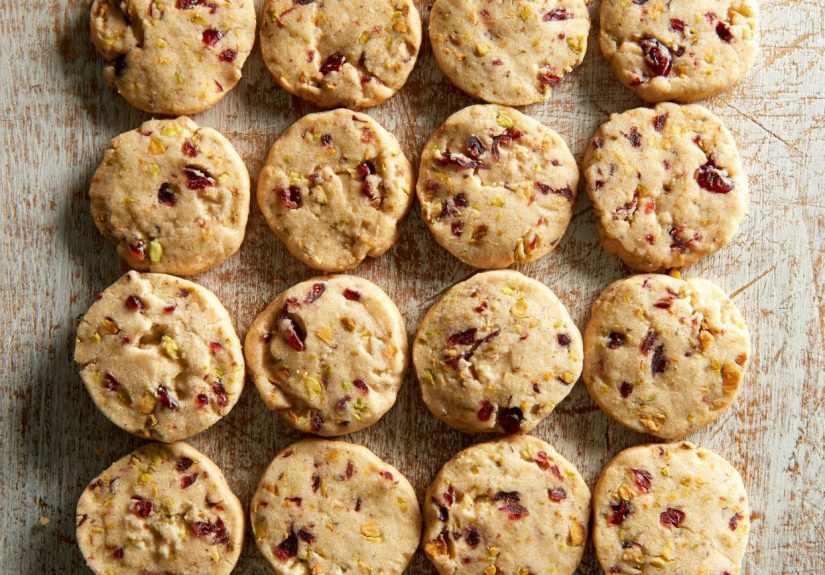
- Packaged chips, candy, cookies, pastries, and snack cakes
- Frozen pizzas, many ready meals, instant noodles, boxed mac and cheese
- Processed meats like hot dogs, some deli meats, nuggets, and “stick” meats
- Sugary cereals, flavored yogurts, sweetened protein bars
Not every packaged food is automatically a villain. Some foods can be processed and still fit into a healthy pattern (think frozen vegetables, canned beans, plain yogurt).
UPFs are a specific categorymore about industrial formulation than the fact that the food came in a box.
Why UPFs Can Be a Problem (Even Before We Talk Diseases)
UPFs tend to combine multiple “easy-to-overdo” features in one place: high energy density, added sugars,
refined starches, unhealthy fats, and high sodiumoften with low fiber and fewer naturally occurring micronutrients.
They’re also engineered to be hyper-palatable, which is science-speak for “your brain keeps voting yes.”
One of the clearest clues: people eat more calories on UPF-heavy diets
In a controlled inpatient trial, participants ate about 500 extra calories per day on an ultra-processed diet (despite the diets being designed to be comparable in several nutritional ways),
gained weight during the UPF phase, and lost weight during the unprocessed phase. That’s not a moral failingit’s biology meeting product design.
Other plausible “how this happens” pathways
- Blood sugar spikes and crashes (more cravings, more snacking)
- Low fiber intake (less fullness, worse gut health)
- Sodium overload (blood pressure effects)
- Inflammation (a common thread across many chronic diseases)
- Gut microbiome disruption (emerging evidence, still developing)
The 32 Major Health Issues Linked to Higher UPF Intake
Below are 32 health issues that research has linked to higher UPF intake across umbrella reviews, meta-analyses, and large cohort studies.
The strength of evidence variessome associations are more consistent than othersso consider this a map of where the scientific “warning lights” have been blinking most often.
Mortality and “Big Picture” Outcomes
- All-cause mortality (earlier death) Higher UPF intake has been associated with increased risk of dying from any cause.
- Cardiovascular disease–related mortality Strong associations appear in pooled analyses for deaths related to cardiovascular disease.
- Heart disease–related mortality Higher UPF intake has been linked to higher heart-disease death risk in prospective research.
- Cardiometabolic multimorbidity People who stack multiple cardiometabolic conditions often have dietary patterns higher in UPFs.
Cardiovascular and Metabolic Health
- Cardiovascular disease events (overall) Higher UPF intake is associated with higher risk of combined cardiovascular outcomes.
- Coronary heart disease (CHD) Associations have been reported between UPF intake and CHD risk.
- Heart attack (myocardial infarction) Dose-response meta-analyses suggest higher UPF intake relates to higher MI risk.
- Stroke Higher UPF intake has been linked to increased stroke risk in pooled evidence (with varying certainty).
- High blood pressure (hypertension) Cohort studies report higher hypertension incidence with higher UPF intake.
- Dyslipidemia Higher UPF intake has been associated with unfavorable lipid profiles (e.g., higher triglycerides, lower HDL).
- Obesity Higher UPF intake is linked to higher odds of obesity in multiple analyses.
- Weight gain / overweight Even without a formal obesity diagnosis, UPF-heavy patterns are associated with weight gain over time.
- Metabolic syndrome UPF intake has been linked to increased metabolic syndrome risk in systematic reviews.
- Type 2 diabetes One of the more consistently reported associations in umbrella evidence.
- Prediabetes / insulin resistance Higher UPF intake can correlate with impaired glucose regulation.
- Nonalcoholic fatty liver disease (NAFLD) UPF intake has been associated with NAFLD risk in population studies and meta-analyses.
- Chronic kidney disease (CKD) Higher UPF intake has been linked with increased CKD risk and faster decline in kidney function.
Mental Health, Brain Health, and Sleep
- Depression Higher UPF intake is associated with higher risk of depressive symptoms and outcomes.
- Anxiety Pooled evidence links UPF intake with higher odds of anxiety outcomes.
- Common mental disorders (combined) Studies often group anxiety/depression-related outcomes; higher UPF intake is linked with higher odds.
- Sleep problems (including insomnia-like symptoms) Higher UPF intake has been associated with poorer sleep outcomes.
- Cognitive decline Higher UPF intake has been linked to faster decline in certain cognitive domains in cohort research.
- Dementia (all-cause) Higher UPF intake has been associated with increased dementia risk in longitudinal studies.
- Alzheimer’s disease Some large cohorts report an association between UPF intake and Alzheimer’s risk.
Respiratory and Immune-Adjacent Outcomes
- Wheezing Higher UPF intake has been linked with increased prevalence of wheezing in pooled analyses.
- Asthma Evidence is still developing, but higher UPF patterns have been associated with asthma-related outcomes in some studies.
Digestive Health and Gut-Related Conditions
- Inflammatory bowel disease (IBD) Higher UPF intake has been linked to increased IBD risk in prospective research.
- General gastrointestinal disease risk Umbrella evidence suggests links with GI health outcomes, though details vary by study.
Cancer and Cancer Precursors
- Colorectal adenomas (precancerous polyps) Higher UPF intake has been linked to higher risk of certain early-onset colorectal cancer precursors in women.
- Colorectal cancer risk Research suggests UPF-heavy patterns may relate to higher colorectal cancer risk (evidence strength varies).
- Overall cancer risk (any cancer) Some pooled findings suggest associations between UPFs and overall cancer incidence.
Bone, Strength, and Aging-Related Outcomes
- Osteoporosis / osteopenia Higher UPF intake has been associated with poorer bone health indicators in older adults in observational research.
- Frailty (and related declines in strength and mobility) Higher UPF intake has been linked with frailty development and worse frailty components in aging cohorts.
Yes, that’s a lot. And no, this doesn’t mean one frozen burrito will instantly summon a medical drama montage.
The risk signal is about patterns: when UPFs dominate your daily intakeespecially replacing fiber-rich, minimally processed foodsyour odds can shift in the wrong direction.
So…Should You Never Eat Ultra-Processed Foods Again?
If your first thought is “I guess I live on air and steamed kale now,” take a breath.
The practical, evidence-aligned approach is replacement, not perfection.
Even public-facing guidance from major health organizations emphasizes improving overall dietary patternsmore minimally processed foods, fewer added sugars, more fiber, and less sodium.
A realistic “UPF reduction” strategy that doesn’t ruin your life
- Start with beverages: swapping soda/sweet drinks for water, seltzer, or unsweetened tea can cut a surprising amount of UPF load.
- Upgrade breakfast: choose oats, eggs, plain yogurt + fruit, or low-sugar options with recognizable ingredients.
- Make one “default dinner”: a repeatable meal (sheet-pan chicken + veggies, bean chili, stir-fry) reduces decision fatigue.
- Use labels like a detective, not a judge: shorter ingredient lists and fewer “mystery additives” can help, but context matters.
- Keep conveniencejust change the type: frozen vegetables, canned beans, rotisserie chicken, pre-washed salad can be lifesavers.
Real-World Experiences: What Cutting Back on UPFs Often Feels Like (About )
People don’t experience “eating fewer ultra-processed foods” as a single moment of enlightenment where angels sing and quinoa cooks itself.
More commonly, it feels like a series of small realizationssome satisfying, some annoying, and some hilariously human.
Week 1 often looks like this: “Why am I hungry again?” That’s because many UPFs are engineered to be easy to eat quickly and easy to eat a lot of.
When someone swaps a packaged snack for something with more fiber and proteinsay, an apple plus peanut butter, or Greek yogurt with berriesmany notice they stay full longer.
Not magically full. Not “I no longer crave joy.” Just… less snack-panic.
Cravings can get louder before they get quieter. This doesn’t mean anyone is weak; it’s a normal response to changing a routine that’s been reinforced by
salt-sugar-fat combos designed to hit the brain’s reward pathways like a catchy chorus. The experience is often: cravings peak, then settle.
People who plan for it (keeping easy alternatives on hand) usually find the transition less dramatic than those who attempt a “pantry exorcism” overnight.
Energy and mood changes are commonly reportedbut vary. Some people describe steadier afternoon energy after replacing ultra-processed lunches
(like chips plus a sandwich on refined bread) with meals built around minimally processed foods (like leftovers, a grain-and-bean bowl, or a salad with protein).
Others feel no immediate difference and only notice benefits weeks later. Mood is complicatedsleep, stress, and overall lifestyle matter tooso it’s best to treat
“UPF reduction” as one helpful lever, not the only one.
Social life is where plans go to get comedy-tackled. Birthday cake happens. Drive-thru happens. That’s not failure; that’s being alive.
Many people find the most sustainable approach is the “default healthy” pattern:
eat mostly minimally processed foods at home, then don’t spiral into guilt when convenience foods show up at parties, airports, or late-night study/work sessions.
Consistency beats intensity. Your body keeps score over months, not over one Tuesday.
The biggest practical win is usually cooking friction reduction. People who succeed long-term often don’t “love cooking” morethey make it easier:
they keep a few fast meals, use frozen produce, batch-cook a protein, and accept that dinner can be “assembly” instead of a Food Network audition.
In other words, the experience becomes less about willpower and more about systems.
If there’s one repeatable takeaway from real-world behavior change, it’s this:
replace one thing at a time. One beverage, one snack, one breakfast, one dinner template.
Over time, the UPFs stop being the main character and become an occasional cameostill tasty, just not running the whole show.
Conclusion: The Smart Way to Use This Information
Research increasingly links higher ultra-processed food intake with a wide range of health issuesespecially cardiometabolic disease, mental health outcomes, and mortality risk.
But the best response isn’t panic; it’s pattern improvement. You don’t need a perfect diet. You need a better default.
Lowering UPF exposureespecially from sugary drinks, packaged snacks, and ready mealswhile increasing fiber-rich, minimally processed foods is a practical, evidence-aligned move.