Table of Contents >> Show >> Hide
- Why These Problems Feel Bigger Than They Are
- Back Hair: Totally Normal, Frequently Hated, Very Manageable
- Body Odor: It Is Usually Sweat Plus Bacteria, Not a Personal Failure
- Excessive Sweating: When “Just Sweat Less” Is Useless Advice
- Back Acne: When Your Shirt, Sweat, and Skin Start a Tiny Riot
- Razor Bumps and Ingrown Hairs: Your Beard Is Not Supposed to Fight Back
- Jock Itch: The Itchy, Sweaty Plot Twist Nobody Wants
- Dandruff: Tiny White Flakes, Big Confidence Damage
- When It Is Time to See a Doctor
- The Experience Side of It: What Men Commonly Go Through but Rarely Say Out Loud
- Conclusion
- SEO Tags
Let’s get one thing out of the way: the male body is not a precision-engineered luxury sedan. It is more like a pickup truck with a mystery rattle, one weird smell in August, and a tendency to grow hair in places nobody requested. Back hair, body odor, back acne, jock itch, razor bumps, dandruff, random sweat stormsnone of this is rare, and none of it means your body has personally declared war on you. It usually means your skin, sweat glands, hormones, grooming habits, and daily routine are doing what human bodies do: being inconvenient at highly specific times.
Still, “common” does not automatically mean “fun.” A sweaty shirt before a meeting, flakes on a black jacket, or an itchy groin after a workout can feel like your body is trying to roast you in public. The good news is that most embarrassing male body problems are manageable once you understand what is causing them and stop treating every issue with the universal male strategy of “ignore it and hope it leaves.” This guide breaks down the usual suspects, what actually helps, and when it is smart to stop self-diagnosing and call a doctor.
Why These Problems Feel Bigger Than They Are
A lot of male body concerns land in a strange category: not dangerous enough to be an emergency, but annoying enough to hijack your confidence. That matters. A problem does not have to be medically dramatic to affect how you dress, date, work out, or walk into a room. The truth is that many of these issues are tied to totally ordinary biologyhair follicles, sweat glands, yeast, bacteria, friction, oil, and heat. In other words, your body is not broken. It is just running the world’s least glamorous chemistry experiment.
The trick is learning the difference between something that is normal-but-annoying and something that is persistent, painful, suddenly worse, or changing in a way that deserves medical attention. Once you know that line, you can stop guessing and start fixing.
Back Hair: Totally Normal, Frequently Hated, Very Manageable
Why back hair happens
Back hair is not a character flaw. It is mostly a mix of genetics, hormones, and hair follicle sensitivity. Some men barely grow any body hair. Others look like they could lose a set of car keys in their shoulders. Neither category is morally superior. It is just biology being extra.
What you can do about it
If you do not care about your back hair, congratulationsyou have unlocked freedom. If you do care, you have options. Shaving is quick and cheap, but it is short-lived and can cause irritation or ingrown hairs. Waxing lasts longer, but it is painful enough to make a grown man reassess several life choices. Depilatory creams can work, but some people find them irritating or dislike the smell. Laser hair removal is the longer-game option. It is often used on the back, and while it is not magic after one session, it can reduce hair growth significantly over time.
The main thing is to choose a method that fits your pain tolerance, budget, and patience. If shaving or waxing gives you angry red bumps, you may be dealing with ingrown hairs or folliculitis rather than just “sensitive skin.” That is your cue to stop bullying your back with random grooming experiments.
Best strategy
- Use a body groomer or trimmer if you want low-maintenance control without going fully smooth.
- Exfoliate gently, not aggressively, to reduce clogged follicles.
- Do not dry shave your back like you are sanding a deck.
- See a dermatologist if you get repeated bumps, dark marks, or painful irritation.
Body Odor: It Is Usually Sweat Plus Bacteria, Not a Personal Failure
Why body odor happens
Here is the rude little secret about body odor: sweat itself is not usually the villain. Odor develops when sweat mixes with the bacteria on your skin, especially in areas like the armpits and groin. Add hair, heat, tight clothing, stress, and a long day, and suddenly your underarms are producing a scent profile no fragrance brand would dare name.
Some men are more prone to body odor because they have more body hair, sweat more, or naturally produce stronger-smelling odor compounds. Food can play a role too. Garlic, onions, certain spices, alcohol, and some sulfur-rich foods can make your sweat smell stronger. So yes, your lunch may be submitting notes.
What actually helps
Start with the basics before you buy a heroic amount of body spray. Wash daily, especially after sweating. Wear clean clothes. Change sweaty shirts and underwear fast instead of marinating in them. Use antiperspirant if the issue is wetness and deodorant if the issue is mostly smell. If you need both, use both. This is not cheating; it is strategy.
If odor is coming mostly from your armpits, trimming or removing some underarm hair may help because it reduces the surface area where sweat and bacteria hang out together like troublemakers. Breathable fabrics also matter more than people think. A crisp cotton shirt is not a cure, but it beats trapping heat in synthetic regret.
When odor might mean more than odor
A sudden change in body odor, unusually strong odor, or odor paired with other symptoms can sometimes point to a medical issue. A fruity smell, for example, can be associated with high ketone levels in diabetes-related emergencies. A fishy smell can rarely be linked to a condition called trimethylaminuria. Infections, hormonal changes, certain medications, liver disease, kidney disease, and overactive thyroid issues can also change the way a person smells. Most odor is ordinary. A major or sudden change is worth checking.
Excessive Sweating: When “Just Sweat Less” Is Useless Advice
Some men do not simply sweat. They leak like a water bottle with commitment issues. If you sweat far more than seems normaleven when you are not exercising, overheating, or particularly stressedyou may have hyperhidrosis. This is not just regular sweating with dramatic branding. It is a real medical condition that can soak shirts, drip from hands, ruin shoes, and make social situations miserable.
The first upgrade is using antiperspirant correctly. Many people swipe it on after a shower and call it a day. But antiperspirant often works best when applied to dry skin, especially at night, so it has time to block sweat glands more effectively. If over-the-counter products are not enough, doctors may recommend prescription-strength antiperspirants, medicated wipes, oral medications, or treatments such as botulinum toxin injections. For some people, longer-lasting procedures are an option.
If sweating is symmetrical, frequent, and disruptive, or if it starts suddenly in adulthood, get it checked. Sometimes excessive sweating is primary hyperhidrosis. Other times, it can be linked to an underlying condition or medication.
Back Acne: When Your Shirt, Sweat, and Skin Start a Tiny Riot
Back acnebetter known as bacne because apparently even acne got a rebrandis incredibly common in men. It tends to show up when oil, dead skin cells, bacteria, and sweat clog pores. Add friction from backpacks, tight shirts, sports gear, or sweaty fabric rubbing against your skin, and your back can become breakout central.
The first mistake many men make is treating back acne like dirt. Acne is not proof that you are “dirty.” Scrubbing harder usually makes it angrier. Instead, shower after sweating, switch out of damp clothes quickly, and use a body wash or cleanser made for acne-prone skin. Look for tried-and-true ingredients like benzoyl peroxide or salicylic acid if your skin tolerates them. Wash athletic gear and bedding regularly. And if you use hair products, rinse your back well in the shower so oily residue does not camp out on your skin.
If your bumps are itchy, oddly uniform, or not improving with acne products, the problem may be folliculitis rather than ordinary acne. That matters because the treatment can be different. Translation: if your “bacne” refuses to read the script, get a professional opinion.
Razor Bumps and Ingrown Hairs: Your Beard Is Not Supposed to Fight Back
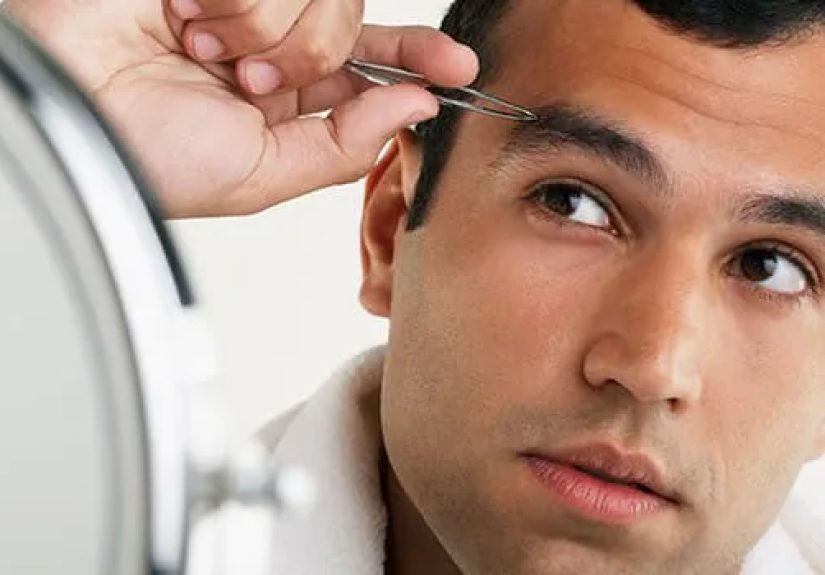
Razor bumps happen when shaved hairs curl back into the skin and trigger irritation. For some men, especially those with curly or coarse hair, this can be a recurring nightmare in the beard area, on the neck, or anywhere hair is shaved closely.
The fix is usually less about buying a more aggressive razor and more about changing technique. Shave when the hair is soft, such as after a shower. Use a moisturizing shaving cream. Avoid stretching the skin. Do not keep making extra passes like you are trying to polish marble. A super-close shave might look clean for six hours and then declare revenge the next morning.
If razor bumps are constant, switching to trimming instead of shaving may help. For men with severe recurring ingrown hairs, laser hair removal can be worth discussing because it can reduce the problem at the source: fewer hairs, fewer chances for them to grow inward and start drama.
Jock Itch: The Itchy, Sweaty Plot Twist Nobody Wants
Jock itch is a fungal infection that loves warm, moist areas, which means the groin is basically its dream vacation home. It often causes an itchy, burning, red, sometimes ring-shaped rash on the groin and inner thighs. Sweating, tight clothing, prolonged dampness, and athlete’s foot can all help it spread or stick around.
The good news is that mild cases are often treatable with over-the-counter antifungal creams or powders. The less glamorous news is that you also have to change your habits. Keep the area dry. Change underwear after sweating. Wear breathable fabrics. Dry your feet first, then the groin, or use separate towels if athlete’s foot is part of the picture. The fungus loves shortcuts.
If the rash is painful, spreading, oozing, or not improving, stop guessing. Not every groin rash is jock itch. Some are yeast infections, intertrigo, eczema, or irritation from friction. Your groin deserves a better plan than internet roulette.
Dandruff: Tiny White Flakes, Big Confidence Damage
Dandruff can feel ridiculous because the problem is tiny, yet somehow it manages to dominate a dark shirt, a first date, or a conference room presentation. In many cases, dandruff is the mildest form of seborrheic dermatitis, a common condition that affects oily areas like the scalp, beard, and sometimes even the chest.
The answer is usually not scrubbing your scalp like it owes you money. Medicated dandruff shampoos are often the first line of defense. They work best when used consistently rather than only when your shoulders look like a winter weather report. If flakes are thick, the scalp is very red, or the rash extends into the beard, eyebrows, or ears, a dermatologist can help sort out whether it is dandruff, seborrheic dermatitis, psoriasis, or something else entirely.
When It Is Time to See a Doctor
Embarrassing body issues are often manageable at home, but some deserve backup. Make an appointment if:
- Body odor changes suddenly or becomes unusually strong for no obvious reason.
- Sweating is excessive, unpredictable, or interfering with work, sleep, or daily life.
- Back acne is painful, scarring, itchy, or not responding to over-the-counter products.
- A groin rash is spreading, oozing, severe, or not improving with antifungal care.
- Razor bumps, ingrown hairs, or folliculitis keep coming back.
- Dandruff is severe or spreads beyond the scalp.
There is no medal for pretending a fixable problem is “just one of those things.” Sometimes the most masculine move is making the appointment and solving it properly.
The Experience Side of It: What Men Commonly Go Through but Rarely Say Out Loud
One reason these body problems feel so embarrassing is that men are often trained to joke about them instead of talk about them. A guy will mention his back hair once at a pool party, everyone will laugh, and then the topic gets sealed in a vault. But the day-to-day experience is usually less funny and more exhausting. There is the guy who wears a shirt in the pool because he hates how his back looks in direct sunlight. There is the office worker who keeps a backup deodorant, backup undershirt, and backup level of anxiety in his desk drawer because he sweats through everything by noon. There is the gym regular who is not actually worried about lifting weightshe is worried about turning around and realizing his shirt has mapped out every pore on his back.
Then there is the social side. Body odor does not just make people self-conscious; it can make them hyperaware of every hug, crowded elevator, and close conversation. A completely normal human interaction suddenly feels like a stress test. Some men start over-applying cologne in self-defense, which is how you end up smelling like cedarwood panic. Others shower obsessively, change shirts three times a day, or avoid situations where they might get sweaty at all. It is not vanity. It is self-protection.
Back acne comes with its own weird psychology. It is one thing to have a breakout on your face where at least you can see what is happening. It is another to have painful spots in a place you cannot inspect without acrobatics and a mirror arrangement that makes you feel like you are trying to crack a safe. Men with bacne often notice it most when it hurts under a backpack strap, catches on a shirt, or shows up in photos from behind. That is usually when “I’ll ignore it” turns into “Okay, this is officially annoying.”
Razor bumps are another quiet confidence killer. A clean shave is supposed to make you look polished, but for a lot of men it can lead to a neck full of inflamed bumps by the next day. That can create a frustrating cycle: shave to look neat, get bumps, look less neat, shave again, make it worse. At some point your face starts acting like it has labor union rules against close grooming.
And jock itch? Nobody wants to discuss it, yet plenty of men know the miserable combination of heat, sweat, friction, and regret that comes after long workouts, hot commutes, or humid days. It is not glamorous. It is not rare. It is just one of those problems that feels wildly personal until you realize an enormous number of people have dealt with the exact same thing.
The most useful mindset shift is this: embarrassment is not evidence that something is unusual. It usually just means the problem lives in a body area that people do not discuss over appetizers. Once men stop treating these issues like secret failures and start treating them like routine maintenance, everything gets easier. Less shame. Better habits. Faster solutions. Fewer panicked mirror checks under bad bathroom lighting. And honestly, that is progress.
Conclusion
Embarrassing male body problems are common because male bodies are, in many ways, gloriously inconvenient. Back hair, body odor, sweating, bacne, razor bumps, dandruff, and jock itch all tend to thrive where hair, heat, oil, friction, and moisture collide. That sounds dramatic, but it also means most of these problems have practical solutions. Better hygiene, smarter grooming, the right skin products, breathable clothing, and medical treatment when needed can make a huge difference.
The bigger win, though, is dropping the shame. These issues are not proof that you are sloppy, dirty, or uniquely doomed by your own DNA. They are body problems, not personality problems. And once you approach them that way, the fixes get a lot less embarrassing and a lot more effective.