Table of Contents >> Show >> Hide
- Quick refresher: what surgery is trying to fix
- Option 1: Laparoscopy (diagnosis + treatment in one “tiny camera” mission)
- Results after laparoscopy: pain relief, fertility, and recurrence
- Option 2: Hysterectomy (definitive for the uterusNOT automatically for endometriosis)
- Results after hysterectomy: what the data suggests (and why “cure” is a tricky word)
- Laparoscopy vs. hysterectomy: a practical comparison
- How to improve odds of a good surgical result
- Possible side effects and risks (honest, not scary)
- When to call your clinician after surgery
- Real-World Experiences: What Patients Often Report
- Conclusion
Endometriosis has a talent for doing the absolute most: it can act like a tiny, overachieving troublemakershowing up where it doesn’t belong, causing pain,
messing with fertility, and then refusing to follow the script. If you’ve tried medications, lifestyle tweaks, or other therapies and you’re still hurting (or trying
to get pregnant), surgery can become the next big conversation.
Two surgical paths get mentioned the most: laparoscopy (minimally invasive “keyhole” surgery to diagnose and remove endometriosis) and
hysterectomy (removal of the uterus, sometimes with the ovaries and tubes). They are not interchangeable. They have different goals,
different trade-offs, and very different “future you” implications.
This article breaks down what each option actually involves, what results people commonly see, what can affect success, and how to think through the decision.
(And yeswe’ll keep it practical, honest, and only mildly sarcastic. Your pelvis has suffered enough.)
Quick refresher: what surgery is trying to fix
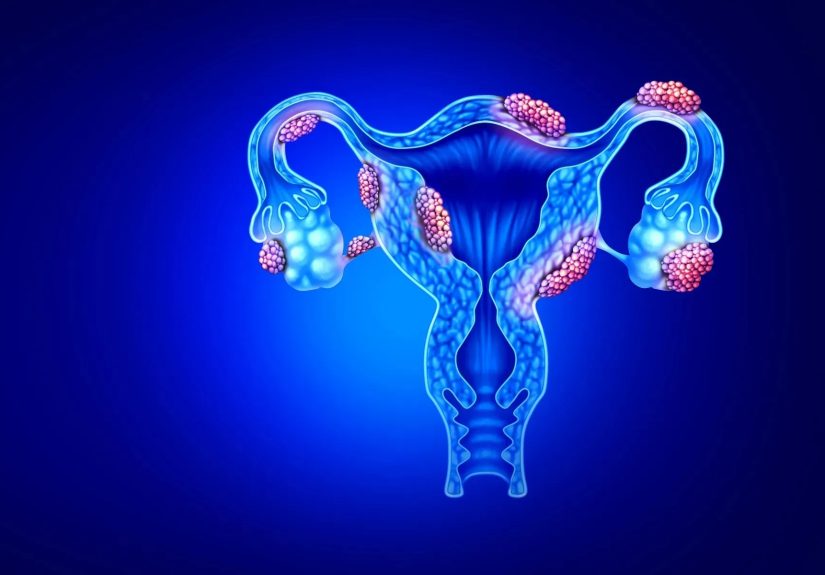
Endometriosis happens when tissue similar to the uterine lining grows outside the uterus. These implants can irritate nearby organs, drive inflammation, and form
scar tissue (adhesions). Symptoms often include pelvic pain, painful periods, pain with sex, bowel or bladder symptoms, fatigue, and infertility.
Here’s the key point: endometriosis is not just a “uterus problem.” It can involve ovaries, pelvic sidewalls, bowel, bladder, ureters, and more.
That’s why surgical planning is about where the disease is, how deep it goes, and what your goals arenot just how fed up you feel
(although that absolutely counts).
Why surgery gets recommended
- Diagnosis confirmation (especially when symptoms and imaging don’t tell the whole story).
- Pain relief by removing or destroying lesions and freeing scarred tissue.
- Fertility support by restoring anatomy (for example, freeing tubes/ovaries from adhesions).
- Rule-outs when something else serious needs evaluation.
Surgery can be powerfulbut it’s not a magic wand. Results depend on disease type, surgeon skill, completeness of removal, and what happens after surgery.
Option 1: Laparoscopy (diagnosis + treatment in one “tiny camera” mission)
Laparoscopy is a minimally invasive procedure using small incisions and a camera to look inside the pelvis. In many cases, surgeons can
treat endometriosis during the same operationremoving lesions, excising cysts, and cutting through adhesions to restore normal movement of organs.
What actually happens during laparoscopy for endometriosis
- A surgeon makes a few small incisions and inserts a camera.
- The abdomen is gently inflated for visibility.
- The surgeon identifies endometriosis (which can look different from person to person).
- Lesions may be excised (cut out) or ablated (destroyed with energy).
- Scar tissue/adhesions may be removed, and cysts (like endometriomas) may be treated.
Many patients go home the same day. That said, “minimally invasive” does not mean “minimally intense.” Your body still went through surgery. You still deserve
real recovery time.
Excision vs. ablation: the difference matters
Think of ablation as “burning the surface.” Think of excision as “removing the whole thing.” For superficial disease, both
approaches can help pain. But for deeper disease, excision is often favored because it removes the lesion more completely and provides tissue for pathology.
One common example: ovarian endometriomas (endometriosis-related cysts). Many specialty centers recommend excising the cyst wall rather than just
draining and burning, because it tends to improve pain control and supports fertility goals more effectively when done carefully.
Deep infiltrating endometriosis (DIE): why some cases need a team
When endometriosis goes deep (for example, involving bowel, bladder, or ureters), surgery can become more complex. In these scenarios, the best outcomes often
come from multidisciplinary planninggynecology working alongside colorectal surgery, urology, or other specialists when needed.
Recovery after laparoscopy: what “normal” often looks like
- First week: fatigue, soreness, bloating, and “gas pain” are common. Many people need help with meals, chores, or kids.
- Weeks 2–3: gradual return to normal routines; desk-work often becomes easier.
- Weeks 4–6+: deeper healing continues, especially after extensive excision or bowel/urinary tract work.
Your recovery timeline should be based on what was done, not just the word “laparoscopy” stamped on the paperwork.
Results after laparoscopy: pain relief, fertility, and recurrence
Pain relief: many improve, but not everyone
Many people report meaningful pain relief after removing endometriosis lesions. But outcomes vary. Pain can return over time, and some people don’t respond as
well as hopedespecially when multiple pain drivers are involved (for example, pelvic floor muscle pain, bladder pain syndromes, IBS, nerve sensitization, or
overlapping conditions).
Fertility outcomes: helpful in the right context
For some patientsespecially those with adhesions or lesions affecting pelvic anatomylaparoscopy can improve chances of pregnancy by restoring normal function.
But there’s a ceiling to how much surgery can accomplish, and repeated surgeries on ovaries can reduce ovarian reserve. If pregnancy doesn’t happen within the
expected window, fertility treatment (like IVF) may be the more effective next step than “another surgery, just to see.”
Recurrence: why endometriosis can come back
Endometriosis is chronic, and recurrence isn’t a moral failure or proof you “did it wrong.” Recurrence risk relates to:
- How advanced the disease was at surgery
- How completely lesions were removed
- Whether hormonal suppression is used afterward (when pregnancy isn’t the goal)
One reason specialists emphasize thorough evaluation is that endometriosis can hide in tricky locationsand leaving disease behind can reduce long-term benefit.
Option 2: Hysterectomy (definitive for the uterusNOT automatically for endometriosis)
A hysterectomy removes the uterus. Depending on the plan, it may also remove the cervix (total hysterectomy) and sometimes the fallopian tubes
(salpingectomy) and/or ovaries (oophorectomy). Hysterectomy can be done laparoscopically, robot-assisted, vaginally, or through an abdominal incision.
For endometriosis, hysterectomy is typically considered when:
- Symptoms are severe and persistent
- Other treatments haven’t helped enough
- Fertility is no longer a goal
- There may be a uterine pain driver too (for example, adenomyosis or heavy bleeding)
Important reality check: removing the uterus doesn’t erase lesions outside the uterus
Endometriosis lesions can exist on pelvic structures far from the uterus. That means a hysterectomy by itself may reduce symptoms tied to the uterus
(like cramping-heavy periods), but it does not guarantee endometriosis pain will disappear unless endometriosis lesions are also removed.
Hysterectomy with ovaries vs. without ovaries: the biggest fork in the road
Ovaries make estrogen, and estrogen can stimulate endometriosis. Removing the ovaries can reduce stimulationbut it also causes surgical menopause.
That trade-off matters.
- Ovary-sparing hysterectomy: avoids immediate menopause, but endometriosis can still be stimulated by ovarian hormones, and symptoms may recur.
- Hysterectomy + bilateral oophorectomy: lowers hormonal stimulation, but triggers menopause right away and may increase long-term health risks.
Many modern specialty programs emphasize individualized decisionsespecially for younger patientsbecause early menopause can affect cardiovascular, metabolic,
and bone health, and it may not eliminate symptoms if lesions remain.
Recovery after hysterectomy
Recovery depends on the approach:
- Laparoscopic/robotic hysterectomy: many go home the same day; recovery often centers around ~2 weeks for basic routines.
- Open abdominal hysterectomy: usually longer hospital stay and 4–6 weeks (or more) for recovery.
People sometimes assume hysterectomy is “the nuclear option,” but plenty of hysterectomies are minimally invasive. The more important question is:
what problem are we trying to solve, and what are we removing to solve it?
Results after hysterectomy: what the data suggests (and why “cure” is a tricky word)
Studies show hysterectomy can lower the likelihood of future surgery for some patients with endometriosis-related pain, especially when symptoms have a strong
uterine component and when all visible endometriosis is excised during the operation. But persistent pain is still possible, and recurrence can occur.
Why symptoms may persist after hysterectomy
- Residual endometriosis: lesions weren’t fully removed or were in hard-to-see areas.
- Ovarian hormones: if ovaries remain, lesions can still be stimulated.
- Overlapping pain conditions: pelvic floor dysfunction, bladder pain syndromes, IBS, nerve sensitization, and others.
- Scar tissue: adhesions can develop after any surgery, including hysterectomy.
In other words: hysterectomy can be an excellent tool for the right patient, but it’s not a universal “delete endometriosis” buttonbecause endometriosis is not
stored in the uterus like files on a laptop. (If only.)
Laparoscopy vs. hysterectomy: a practical comparison
| Category | Laparoscopy (Excision/Ablation) | Hysterectomy (± Ovaries) |
|---|---|---|
| Main goal | Diagnose and remove lesions; preserve organs when possible | Remove uterus to address uterine pain/bleeding; may reduce repeat surgery risk in selected cases |
| Fertility | May preserve or improve fertility, depending on disease and age | Pregnancy not possible after uterine removal (though eggs may remain if ovaries stay) |
| Recovery | Often days to weeks; longer for extensive disease | Often ~2 weeks minimally invasive; 4–6+ weeks if open |
| Recurrence risk | Possible over time, especially without suppression or with incomplete removal | Still possible, especially if ovaries remain or lesions aren’t fully removed |
| Best fit | Pain and/or fertility goals; desire to keep uterus | Severe symptoms + no fertility goals + uterine driver likely (e.g., heavy bleeding, adenomyosis) |
How to improve odds of a good surgical result
1) Match the surgery to your goals (yes, goalsplural)
The “best” surgery is the one that fits your priorities: pain reduction, fertility, avoiding menopause, minimizing repeat surgery, returning to
work quickly, or finally being able to sit through a movie without your pelvis filing a complaint.
2) Ask surgeon-specific questions (skill matters more than gadgets)
- Do you primarily treat endometriosis, including deep infiltrating disease?
- Do you perform excision, and how do you decide between excision and ablation?
- How will you evaluate bowel, bladder, and ureters during surgery?
- If deep disease is found, will you have other specialists available?
- What’s your plan to reduce recurrence after surgery if I’m not trying to conceive right away?
3) Plan for “after surgery” before you ever go under anesthesia
Many people focus on the operation itself and forget that long-term success often depends on what happens next. Post-op plans may include:
- Hormonal suppression (when pregnancy isn’t the goal)
- Pelvic floor physical therapy (especially if muscle guarding is part of the pain)
- Multidisciplinary care for bowel/bladder pain or nerve sensitization
- Follow-ups to track symptoms and adjust treatment early
A good surgical plan includes a good “chapter two.” Otherwise, you’re basically editing the first half of a book and hoping the ending fixes itself.
Possible side effects and risks (honest, not scary)
All surgeries carry risks. Most people do well, but it’s smart to know what’s on the consent form:
Risks that apply to most pelvic surgeries
- Bleeding or infection
- Injury to nearby structures (bowel, bladder, ureters, blood vessels)
- Blood clots (rare, but important)
- Adhesions (new scar tissue)
- Persistent pain (especially if multiple pain drivers exist)
Additional considerations with oophorectomy
Removing both ovaries causes immediate menopause. That may reduce hormone-driven symptoms for some, but it can also bring hot flashes, sleep disruption,
mood changes, vaginal dryness, and long-term risks to bone and cardiovascular healthso it requires thoughtful planning, not panic decisions in a pre-op gown.
When to call your clinician after surgery
Your care team will give individualized instructions. In general, seek medical advice urgently if you have high fever, worsening pain that doesn’t improve,
heavy bleeding, severe shortness of breath, inability to urinate, or signs of infection around incisions.
Real-World Experiences: What Patients Often Report
Surgical decision-making for endometriosis is rarely just medicalit’s emotional, logistical, and sometimes downright existential. Many people describe the period
before surgery as a long loop of “Is this normal?” and “Why is it so hard to get answers?” Even when you have a diagnosis, choosing between laparoscopy and
hysterectomy can feel like picking between two doors when you’d really prefer the third option: the door where your body stops doing this.
Before laparoscopy, a common experience is equal parts hope and anxiety. Hope, because maybe this will finally explain the pain and offer relief.
Anxiety, because surgery is surgeryeven when it’s “just” a few small incisions. People often talk about the mental load of prepping their life for recovery:
arranging childcare, taking time off work, stocking easy foods, and making peace with the idea that healing is not linear. A surprising number of patients also
mention feeling validated simply because someone is finally lookingnot just prescribing another medication.
After laparoscopy, many describe the first several days as a mix of discomfort and relief. Discomfort because your abdomen is sore and your energy
tank is mysteriously empty. Relief because the “mystery pain” may have a name, lesions may be removed, and the next steps feel less like guessing.
Some patients report that pain improves quickly; others notice gradual improvement over weeks to monthsespecially when the surgery was extensive or when pelvic
floor tension and nerve sensitization were part of the story. It’s also common to feel frustrated if symptoms don’t vanish immediately. A recurring theme is
learning that surgery can be a major step forward, but not necessarily the entire finish line.
Hysterectomy experiences tend to carry a different emotional weight. For people who have battled severe symptoms for years, hysterectomy can feel
like reclaiming their lifeparticularly when heavy bleeding and uterine cramping are major culprits. At the same time, many patients describe a grieving process,
even when they’re confident in the choice. It’s not only about fertility; it can be about identity, body autonomy, and the emotional whiplash of making a permanent
decision because a disease pushed you there.
Patients who keep their ovaries often talk about gratitude for avoiding immediate menopause, paired with a very practical concern: “Will my pain come back?”
Those who remove ovaries frequently describe a trade-offless hormonal stimulation for disease, but a new chapter of menopause management that requires real support.
People often emphasize the importance of being counseled ahead of time about what to expect physically and emotionally, and about how symptoms can persist if
endometriosis outside the uterus wasn’t fully addressed.
Across both surgeries, one of the most repeated “wish I’d known” insights is that outcomes improve when post-op care is taken seriously. Patients often report
better long-term progress when they combine surgery with a thoughtful plan: symptom tracking, follow-up visits, pelvic floor physical therapy when indicated,
and hormonal suppression if pregnancy isn’t the immediate goal. Another common theme is learning to measure success in more than one way: not just “pain score,”
but also “Can I work a full day?” “Can I exercise without flaring?” “Can I have sex without fear?” “Can I plan my life without my cycle running the calendar?”
Finally, many people say the biggest shift was moving from “I’m supposed to just tolerate this” to “I’m allowed to ask for better.” Endometriosis can be complex,
but you are not difficult for wanting a plan that’s comprehensive, evidence-based, and built around your actual life.
Conclusion
Laparoscopy and hysterectomy are both legitimate tools in endometriosis carebut they serve different purposes. Laparoscopy is often the go-to for diagnosis and
lesion removal, especially when fertility preservation matters. Hysterectomy can be appropriate when symptoms are severe, uterine factors contribute strongly,
and pregnancy is not a future goalbut it’s not automatically a cure for disease outside the uterus.
The best outcomes usually come from three things: (1) surgery that matches your goals, (2) skilled, thorough disease evaluation and removal when indicated, and
(3) a real post-op plan to support long-term symptom control. If you’re weighing options, bring your questions, your priorities, and your “I’m done suffering”
energy to the conversationyou’ve earned that seat at the table.