Table of Contents >> Show >> Hide
- A quick “can I work out?” snapshot
- First: what counts as a D&C (and why it changes your exercise plan)
- What’s happening in your body (the short, non-gross version)
- The most useful tool: the “traffic-light” recovery system
- A realistic timeline for exercise after a D&C
- What kinds of exercise are usually safest first?
- Workouts to wait on (even if you’re feeling impatient)
- How to return to strength training without overdoing it
- What about spotting? Is exercise causing it?
- When to call your doctor (and what counts as “not normal”)
- Common questions people are afraid to ask out loud (so I’ll do it for you)
- Putting it all together: a simple return-to-exercise plan
- Real-world experiences: what recovery can look like (names changed)
- Conclusion
Friendly heads-up: This article shares general, US-based medical guidance. Your own surgeon/OB-GYN’s instructions win every time, because they know what happened in your procedure and what your body is doing right now.
You’ve had a D&C. You’re sore, tired, maybe emotionally wrung outand now you’re wondering: “Can I work out?”
Totally normal question. Also, the answer is annoyingly… it depends. Not because doctors enjoy being mysterious (okay, maybe a tiny bit), but because “D&C” can mean different things, and recovery speed depends on how far along a pregnancy was (if this was pregnancy-related), what kind of anesthesia you had, how much bleeding you’re having, and whether your body is acting like a calm pond or a dramatic reality show.
Let’s make it simple, practical, and (as much as possible) not scary.
A quick “can I work out?” snapshot
- First 24 hours: Rest. Short walks to the bathroom/kitchen are great. Anything that spikes your heart rate? Usually not yet.
- Days 1–2: Many people can do gentle walking and light daily activities if they feel okay.
- Days 3–7: Gradual return to low-impact exercise is often reasonable if bleeding and cramping stay mild.
- About 1 week: Some clinics recommend avoiding “heavy exercise” for a full week (especially after pregnancy-related procedures like a D&E).
- Call your doctor sooner if you have heavy bleeding, fever, severe pain, or foul-smelling dischargeexercise can wait.
First: what counts as a D&C (and why it changes your exercise plan)
D&C stands for dilation and curettage. The cervix is gently opened (dilated), and tissue is removed from inside the uterus. It may be done for:
- After a miscarriage (to remove remaining pregnancy tissue and reduce risk of infection/bleeding)
- After childbirth (if tissue remains)
- To diagnose or treat abnormal uterine bleeding (sometimes with a biopsy)
- As part of pregnancy termination care (often a related procedure called D&E later in pregnancy)
Why you care: A D&C for abnormal bleeding can feel like a quick physical recovery for many people. A procedure after a miscarriage may come with more bleeding, more cramping, and a heavier emotional loadplus your hormone levels can shift in a way that makes you feel foggy, sweaty, or surprisingly weepy at a dog-food commercial.
What’s happening in your body (the short, non-gross version)
Even though a D&C is often called a “minor” procedure, your body still has real healing to do:
Your uterus is rebuilding its lining
The uterine lining was removed or disturbed, and it needs time to regrow. That’s one reason spotting and cramping can show up for a few days (sometimes longer).
Your cervix was opened
After dilation, your cervix needs time to return to its usual “closed shop” mode. During this window, you may be told to avoid anything in the vagina (tampons, intercourse) for 1–2 weeks to lower infection risk.
Anesthesia can linger
If you had sedation or general anesthesia, your reaction time and balance can be off for about a day. This is not the moment for treadmill heroics.
Bleeding can increase with activity
Some people notice spotting gets heavier when they do too much too soon. It’s your body’s way of saying, “Ma’am, this is a uterus, not a CrossFit box.”
The most useful tool: the “traffic-light” recovery system
Green light: keep going
- Spotting is light and not increasing
- Cramping is mild and improving
- No dizziness, no fever, no new symptoms
- You can move and talk without feeling wiped out
Yellow light: scale back
- Bleeding increases from “spotting” to “light period” after exercise
- Cramping ramps up during or after activity
- You feel drained for hours afterward
- Your heart rate feels unusually high for the effort
What to do: Drop intensity, shorten workouts, swap to walking/stretching, and reassess the next day.
Red light: stop and call your clinician
- Heavy bleeding (examples: soaking pads quickly, passing large clots)
- Fever (often defined as 100.4°F / 38°C or higher)
- Severe or worsening abdominal pain
- Foul-smelling vaginal discharge
- Feeling faint, short of breath, or generally “something is very wrong”
A realistic timeline for exercise after a D&C
Different US medical sources give slightly different timelinesbecause recovery is individual and the reason for the procedure matters. Here’s a practical, conservative approach that fits most standard aftercare guidance.
Day 0 (procedure day): “Netflix athlete” mode
- Rest. Hydrate. Eat something gentle when you can.
- Walk around the house periodically to keep blood moving.
- Avoid driving, workouts, and anything requiring coordination if you had sedation.
Days 1–2: gentle movement is usually your friend
Many people can return to light daily activities within 24–48 hours. For exercise, think:
- Easy walking (10–20 minutes, then build)
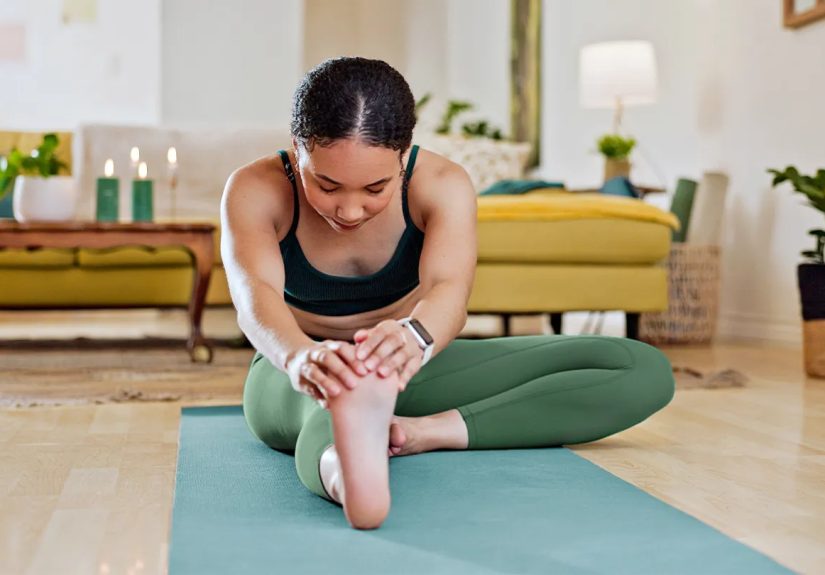
- Gentle stretching
- Breathing exercises or very light yoga (no intense core work)
Skip for now: running, heavy lifting, HIIT, long peloton rides, hot yoga, anything that makes you strain or hold your breath.
Days 3–7: add low-impact exerciseslowly
If bleeding is light and cramps are improving, you can often start layering in:
- Longer walks
- Low-resistance stationary cycling
- Light bodyweight strength (think “mobility plus,” not max effort)
Rule of thumb: increase duration or intensity, not both at once. If you do more and bleeding jumps or cramps flare, that’s a sign to back off.
About 1 week: some people can return to “real workouts,” others should wait
Some discharge instructions for uterine procedures recommend avoiding heavy exercise for around a weekespecially after procedures related to pregnancy (such as D&E). Even if you feel fine, it can be smart to treat the first week as “rebuild and reassess,” not “personal best week.”
Weeks 2 and beyond: build toward your normal routine
By two weeks, many people are back to their usual workouts, assuming no complications and bleeding has resolved. But if you’re still spotting or getting cramps after exercise, you may need a slower ramp-up.
What kinds of exercise are usually safest first?
Walking
Walking is the MVP after most minor procedures: low risk, easy to scale, good for mood, and it doesn’t ask your uterus to do anything heroic. Start short. Add minutes gradually.
Gentle stretching + mobility
Focus on neck, shoulders, hips, and low back. If you’re crampy, some hip-openers and gentle spinal twists (very mild) can feel good. Avoid deep, aggressive stretches that make you brace your core.
Light yoga (with a few modifications)
Choose restorative or beginner flows. Skip intense core sequences, strong inversions, and heated classes early on. Your goal is “I feel better afterward,” not “I conquered gravity.”
Easy cycling (low resistance)
If you’re steady on your feet and no longer woozy from anesthesia, a short, low-resistance ride can be okay for some peopleespecially after the first day or two. Keep it conversational pace.
Workouts to wait on (even if you’re feeling impatient)
Heavy lifting and high-pressure core work
Deep squats, deadlifts, heavy presses, and intense ab circuits increase internal pressure and can aggravate cramping or bleeding. This is also where people tend to hold their breath (Valsalva maneuver), which is not ideal when you’re healing.
Running, HIIT, plyometrics
High-impact exercise can nudge bleeding and cramping upward for some people. If you’re a runner, your comeback plan might look like: walking → walk/jog intervals → easy runs → normal training. Your pace will still be there later. It’s not going anywhere (unlike your motivation, which is famously fickle).
Swimming, baths, hot tubs (until your clinician says it’s okay)
This isn’t really about exerciseit’s about infection risk while the cervix and uterus are healing. Many aftercare instructions recommend avoiding soaking and vaginal insertion for at least 1–2 weeks.
How to return to strength training without overdoing it
If lifting is your stress relief (or your personality), try this step-down approach:
Step 1: days 1–3
- Walking + mobility
- Very light band work for upper body
- Stop before you feel “worked”
Step 2: days 4–7
- Light dumbbells (think 30–50% of normal)
- Higher reps, slow tempo, no breath-holding
- Avoid heavy leg work and intense core bracing
Step 3: week 2
- Gradually increase load
- Reintroduce lower-body work
- Keep an eye on bleeding/cramps for 24 hours afterward
If you’re lifting because you have to (hello, toddlers; hello, heavy job): ask your clinician for specific restrictions. “Don’t lift heavy” is easy to say and harder to do when a 28-pound child screams “UP!” like it’s their constitutional right.
What about spotting? Is exercise causing it?
Light bleeding or spotting for a few days can be normal after a D&C. Some people notice a little more spotting after being on their feet all day or exercising. That doesn’t automatically mean something is wrong.
But here’s the key: spotting should trend down over time. If each workout makes bleeding heavieror you move from “spotting” to “period-level bleeding”your body is asking for a slower pace.
When to call your doctor (and what counts as “not normal”)
If you’re debating calling, you don’t need to “earn” a phone call by suffering more. Call. That’s what the number is for.
Call your doctor urgently if you have:
- Heavy bleeding (examples used in many discharge instructions include soaking more than one pad in an hour, or soaking two maxi pads per hour for two hours in a row)
- Fever (often 100.4°F / 38°C or higher) or chills
- Severe or worsening abdominal pain that isn’t helped by recommended pain medicine
- Large clots or bleeding that suddenly escalates
- Foul-smelling vaginal discharge
Get emergency care now (or call emergency services) if you have:
- Fainting or feeling like you might pass out
- Shortness of breath, chest pain, or a racing heart that won’t settle
- Severe weakness with heavy bleeding
- Confusion or symptoms that feel rapidly worse
Common questions people are afraid to ask out loud (so I’ll do it for you)
“When can I exercise after a D&C?”
Many people can do gentle movement within 1–2 days and gradually return to normal activities quickly. Strenuous exercise may need a few days to a week (or longer), depending on your situation and your clinician’s instructions. If you were given specific restrictions, follow those.
“Can I do yoga after a D&C?”
Often yesgentle yoga. Skip intense flows, deep twists, inversions, and hard core work early on. If a pose increases cramps or bleeding, modify or stop.
“Will exercise mess up my healing?”
Gentle movement usually supports recovery. Overdoing it can increase bleeding/cramping and may delay how quickly you feel “back to normal.” You’re not fragilebut you are healing.
“When will my period come back?”
Many people get their next period within about 4–6 weeks, though timing varies and can be longer in some cases. If you’re worried about timing or pregnancy risk, ask your clinician about contraception and what to expect for your specific situation.
“What if I’m emotionally wreckedand exercise used to be my coping tool?”
First: you’re not overreacting. Second: you still have options. If intense workouts aren’t safe yet, use “bridge” coping toolswalks, gentle stretching, sunlight, supportive friends, therapy, journaling, or even a short “movement snack” every few hours. If you notice persistent hopelessness, panic, or you feel unsafe, contact a healthcare professional right away.
Putting it all together: a simple return-to-exercise plan
- Start with walking (even 5–10 minutes counts).
- Watch bleeding and cramps for the next 24 hours after activity.
- Increase gradually: add time first, then intensity later.
- Delay heavy lifting/HIIT until you’re consistently symptom-light and your clinician has cleared you (especially after pregnancy-related procedures).
- Use red flags as rules: heavy bleeding, fever, severe pain, foul discharge = stop and call.
Real-world experiences: what recovery can look like (names changed)
These are composite, anonymized examples based on common patient experiences shared in clinical settings and support communities. They’re here to normalize the wide range of “normal,” not to replace medical advice.
1) “Jess, the motivated runner”
Jess felt physically okay two days after her D&C and tried an easy jogbecause running is her stress relief and also her love language. Ten minutes in, she noticed cramps. That night, spotting got heavier. Jess didn’t “break” anything; her body just gave feedback. She switched to walking for a few days, then did walk/jog intervals the following week. When she finally returned to easy runs, she watched for next-day bleeding changes like a hawk. The takeaway: progress isn’t only about what you can do todayit’s about how your body responds tomorrow.
2) “Marisol, the yoga person (who is normally unbothered)”
Marisol tried yoga on day three, picked a gentle class, and still found that deep twists and strong plank variations made her crampy. She felt frustrateduntil she realized she was treating “gentle” like a suggestion. She modified: fewer twists, knees down in plank, more restorative poses. She finished feeling calmer instead of crushed. The takeaway: your practice can be supportive without being intense.
3) “Tanya, who didn’t plan to exercise because she could barely stand”
Tanya expected a quick bounce-back but felt wiped out for almost a week. Part of it was physical, part emotional, and part “my brain is made of soup.” She worried something was wrong because her friend said she was fine the next day. Her clinician reassured her that fatigue can varyespecially after pregnancy lossand encouraged hydration, short walks, iron-rich foods if she’d bled a lot, and a slower return. The takeaway: your timeline isn’t a moral achievement.
4) “Alyssa, the ‘I have a toddler’ workout plan”
Alyssa’s main exercise was lifting a squirming toddler who believes gravity is optional. She was told to avoid heavy lifting, then immediately had to pick up her child to prevent a staircase disaster. She felt guilty and anxiousuntil her nurse framed it as “avoid heavy lifting when you can; if you must lift, do it carefully and rest more afterward.” Alyssa started asking for help with carries, used a stroller for walks, and skipped extra strain like hauling laundry baskets upstairs. The takeaway: real life counts, and you can reduce load even when you can’t eliminate it.
5) “Devon, who felt fine and then got worried about every twinge”
Devon had a smooth physical recovery and was back to normal activities quickly. But every crampevery tiny clotsparked a spiral: “Is this infection? Is this hemorrhage? Am I supposed to be doing this?” Devon’s clinician gave clear thresholds: call for fever, foul discharge, heavy bleeding, or severe pain; otherwise, mild cramps and light bleeding can be normal. Devon kept a simple log (bleeding level, pain 0–10, activity) and felt calmer seeing symptoms trend down. The takeaway: clear rules reduce anxiety, and tracking can help when your brain is stuck on “what if.”
If any of these stories sound like you, you’re not alone. Healing after a D&C is often a mix of physical recovery, hormonal shifts, and emotional processing. Movement can helpbut only when it supports you instead of pushing you into symptoms.
Conclusion
Exercise after a D&C doesn’t have to be complicated, but it should be intentional. Start small, listen closely, and build gradually. Many people can resume light activity within a day or two, but strenuous workouts and heavy lifting often deserve a longer pauseespecially after pregnancy-related procedures.
Most importantly: if you have heavy bleeding, fever, severe pain, or foul-smelling discharge, call your doctor right away. Your workout will still be there when your body is ready. (And if your workout has feelings about it, tell it to take that up with your uterus.)