Table of Contents >> Show >> Hide
- What Is “Eye Bag Surgery,” Exactly?
- Benefits: Why People Choose Eye Bag Surgery
- Costs in the U.S.: What Eye Bag Surgery Typically Runs
- Insurance: Will It Cover Eye Bag Surgery?
- Risks and Side Effects: The Real Talk Section
- Recovery Time: A Realistic Timeline
- What to Expect at the Consultation
- Choosing the Right Surgeon (Your Face Deserves Receipts)
- Alternatives to Eye Bag Surgery
- How Long Do Results Last?
- Conclusion: Is Eye Bag Surgery Worth It?
- Real-World Experiences: What Recovery and Results Often Feel Like (About )
Under-eye bags have a special talent: they show up even when you’ve slept eight hours, drank water, and behaved like a wellness influencer all week. Sometimes they’re just part of your face’s “family genetics package.” Sometimes they’re age-related changes in fat, skin, and muscle. And sometimes they’re the result of allergies, fluid retention, or that one salty ramen you’ll never regret.
When creams, cold spoons, and “I’m fine” sunglasses stop cutting it, many people look into eye bag surgery (most commonly lower eyelid blepharoplasty). It can be a highly effective, long-lasting way to reduce puffiness and create a more rested lookwithout changing who you are, just how tired you look in group photos.
This guide covers what eye bag surgery really involves, how much it typically costs in the U.S., who’s a good candidate, the benefits and risks, recovery timelines, and how to make smart decisions without falling into internet rabbit holes (or at least not the scary ones).
What Is “Eye Bag Surgery,” Exactly?
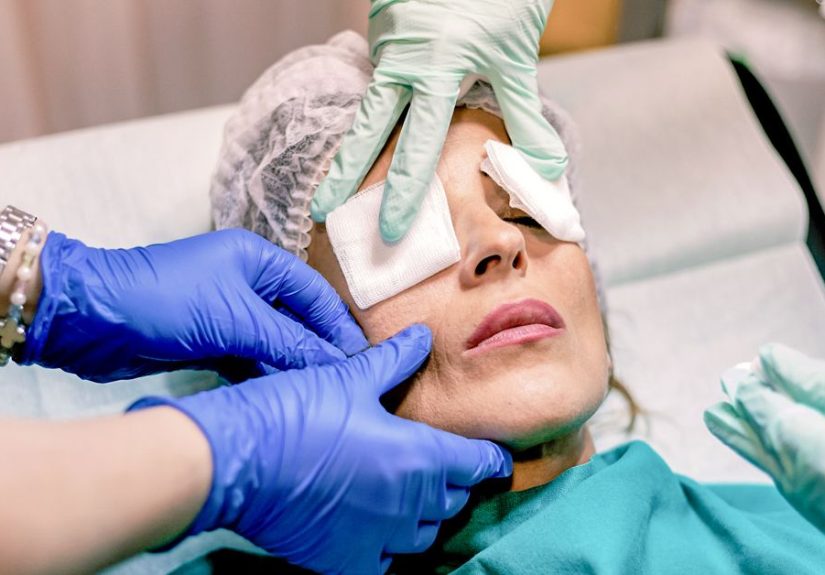
Most “eye bag surgery” refers to lower blepharoplasty, a procedure that targets under-eye puffiness caused by protruding fat pads, lax skin, or both. Depending on your anatomy, the surgeon may:
- Remove some fat (less common today if it risks a hollow look)
- Reposition fat to smooth the transition from lower lid to cheek (very common in modern techniques)
- Tighten muscle or support the lid if needed
- Remove or tighten a small amount of excess skin if skin laxity is part of the issue
Transconjunctival vs. Transcutaneous: Two Main Approaches
Transconjunctival lower blepharoplasty means the incision is inside the eyelidno visible external scar. It’s often used when the main problem is bulging fat and you don’t need skin removal. Younger patients with hereditary under-eye bags frequently fall into this category.
Transcutaneous lower blepharoplasty uses a fine incision just under the lash line. This can be helpful if you have under-eye bags plus noticeable skin laxity or wrinkles that need tightening. The tradeoff is a small external scar (usually well-hidden), and sometimes a slightly more involved recovery.
Benefits: Why People Choose Eye Bag Surgery
Let’s be honest: most people don’t do this because they love scheduling follow-up appointments. They do it because the results can be meaningful and long-lasting.
Common Benefits
- A more rested look (even if your group chat knows the truth)
- Smoother under-eye contour by reducing bulges and shadows
- Better makeup “laydown”less creasing and less “why does concealer look angry?”
- Long-lasting improvement compared with many non-surgical options
- Confidence boostoften described as looking like a refreshed version of yourself
Important nuance: surgery can improve the contour and puffiness, but it may not fully erase dark circles caused by pigmentation, visible blood vessels, or thin skin. Sometimes those issues need different treatments (or just acceptance that your face has depth and character).
Costs in the U.S.: What Eye Bag Surgery Typically Runs
The cost of eye bag surgery varies widely based on location, surgeon expertise, anesthesia type, and whether additional procedures are combined. In the U.S., you’ll often see pricing discussed in two layers:
1) Surgeon’s Fee vs. Total Price
Professional society statistics often cite an average surgeon’s fee for blepharoplasty procedures. But that number typically does not include anesthesia, facility fees, medical tests, prescriptions, or post-op supplies.
2) Real-World Totals (What People Actually Pay)
When you add everything up, total costs can land in a broader range. In many U.S. markets, it’s common for the total to be several thousand dollars higher than the surgeon’s fee alone.
Typical Cost Ranges (Ballpark)
- Lower blepharoplasty (surgeon fee average): often quoted around the mid-$3,000s
- Total out-of-pocket (common real-world range): roughly $5,000–$15,000+
- Higher-end pricing is more likely in major metro areas or with complex revisions/combined procedures
What Drives the Price Up or Down?
- Geography: Manhattan and rural Midwest do not price the same reality
- Surgeon credentials and experience: oculoplastic and facial specialists may charge more
- Setting: office-based suite vs. accredited surgery center vs. hospital outpatient
- Anesthesia: local + sedation vs. general anesthesia
- Technique complexity: fat repositioning, lid support, skin tightening
- Add-ons: laser resurfacing, midface lift, canthopexy/canthoplasty, fat grafting
Practical tip: Ask for an all-in quote that includes surgeon fee, anesthesia, facility, follow-ups, and what happens if you need a revision. “Transparent pricing” should be a vibe, not a mythical creature.
Insurance: Will It Cover Eye Bag Surgery?
Most lower eyelid blepharoplasty for under-eye bags is considered cosmetic and is typically not covered. Insurance coverage is more commonly discussed with upper eyelid blepharoplasty when excess skin or lid droop blocks vision.
When Coverage Is More Likely
Coverage may be considered when there’s documented functional impairmentoften backed by clinical notes, photos, and visual field testing showing significant obstruction and potential improvement with surgery.
Bottom line: If your main goal is reducing under-eye puffiness, plan financially as if it will be out-of-pocket.
Risks and Side Effects: The Real Talk Section
Any surgery comes with risk. The good news: when performed by a qualified specialist on an appropriate candidate, blepharoplasty is commonly performed and generally considered safe. The honest news: “safe” doesn’t mean “zero-risk,” especially around the eyes (where you’d like to keep seeing things, ideally forever).
Common, Expected Side Effects
- Swelling and bruising
- Tightness or mild discomfort
- Watery eyes or dryness
- Temporary light sensitivity
- Temporary blurred vision (often from ointment or swelling)
Potential Complications (Less Common, But Important)
- Infection or bleeding
- Dry eye flare or irritation, sometimes longer-lasting in susceptible patients
- Eyelid position issues (difficulty closing the eye fully, lid pulling down, or outward turning)
- Noticeable scarring (more relevant with external incisions)
- Need for revision surgery
- Vision problems (rare; severe vision loss is extremely rare but a known risk category in eyelid surgery)
- Anesthesia-related risks (vary by health status and anesthesia type)
Key takeaway: Your risk profile depends on your anatomy, health conditions (especially dry eye), surgeon technique, and whether lid support is addressed when needed. The “best” surgeon isn’t the cheapest or the most famous; it’s the one who can explain your specific risks without sounding like they’re speed-reading a permission slip.
Recovery Time: A Realistic Timeline
If you’re hoping to get lower blepharoplasty on Friday and look camera-ready for a wedding on Sunday… let’s gently put that idea down and step away from it.
The First 48–72 Hours
- Swelling and bruising ramp up
- Cold compresses and head elevation are your best friends
- Expect some watery eyes, dryness, or mild irritation
Days 4–10
- Bruising begins to shift colors (congratulations, you’re now an oil painting)
- Many people feel comfortable doing light activities
- If you have external stitches, they’re often removed around the one-week mark (varies by technique)
Days 10–14
- Swelling and bruising commonly improve significantly
- Many patients return to work/social life depending on comfort and job demands
Weeks 3–6
- Residual swelling continues to fade
- Under-eye contour refines
- Makeup and contacts may be resumed based on surgeon guidance (often after a couple weeks, sometimes longer)
Months 2–6+
- Scar maturation (if present) continues
- Final results look more “settled” and natural
Pro tip: If your calendar includes an important event, plan surgery far enough ahead that you’re not practicing eyeliner over leftover swelling while whispering, “I’m totally fine.”
What to Expect at the Consultation
A good consultation should feel like a mix of anatomy lesson, personalized planning session, and a reality check (the helpful kind). Your surgeon should evaluate:
- Whether your under-eye bags are mostly fat, skin laxity, or both
- Lower lid support (important for avoiding lid malposition)
- Your tear production and dry eye risk
- Skin quality, cheek support, and midface volume
- Your goals (and what’s realistically achievable)
Questions Worth Asking (Yes, Write Them Down)
- Which technique do you recommend for me, and why?
- Will you remove fat, reposition it, or both?
- Do I need lid support (canthopexy/canthoplasty)?
- What does recovery typically look like for your patients?
- What complications do you watch for most in my case?
- What’s included in the quoted price?
- How do you handle revisions if needed?
Choosing the Right Surgeon (Your Face Deserves Receipts)
Because the under-eye area is delicate, many people seek a surgeon with extensive eyelid experienceoften a board-certified plastic surgeon or an oculoplastic surgeon (ophthalmology-trained with eyelid specialization). Credentials matter.
A Quick Checklist
- Board certification by a recognized U.S. board
- Before-and-after photos that look natural (you still look like you)
- Clear discussion of risks and your specific anatomy
- Accredited facility and a qualified anesthesia plan
- No pressure tactics (“today-only discount” belongs in furniture stores)
Alternatives to Eye Bag Surgery
Surgery isn’t the only option, and it’s not always the best first step. Alternatives depend on what’s causing your under-eye concerns.
Non-Surgical Options
- Lifestyle adjustments: treat allergies, reduce salt, improve sleep, manage fluid retention
- Topicals: retinoids (if tolerated), vitamin C, caffeine-based products (limited but sometimes helpful)
- Energy-based treatments: lasers or radiofrequency for skin quality (best for mild laxity)
- Tear trough fillers: can reduce hollowing that creates shadows (not ideal for true fat bulges)
A Safety Note on Under-Eye Fillers
Fillers around the eyes can be effective in the right patient and with the right injector. But they also carry rare, serious risks if injected into blood vesselscomplications can include tissue damage and even vision problems. This is why expertise, anatomy knowledge, and conservative technique matter a lot in the under-eye region.
If your main issue is a prominent fat pad (a true “bag”), fillers can sometimes make the area look puffier or irregular. In those cases, surgery may be the more definitive solution.
How Long Do Results Last?
Results can last for many years, and some people enjoy very long-term improvement. Aging continues (rude, but consistent), so you may develop new changes over time. Techniques that focus on preserving or repositioning volume often aim for a more natural, less “hollowed-out” long-term look.
Conclusion: Is Eye Bag Surgery Worth It?
Eye bag surgery can be a game-changer for people whose under-eye puffiness is structuralfat pads, skin laxity, or bothand not something a serum can negotiate with. The key is matching the right procedure to the right anatomy, choosing a highly qualified surgeon, understanding the cost breakdown, and giving yourself an honest recovery window.
If you’re considering it, treat the process like you’re hiring someone to do delicate tailoring on your favorite outfitexcept the outfit is your face and you can’t return it. Get a thorough consultation, ask excellent questions, and prioritize safety and natural results over trends.
Real-World Experiences: What Recovery and Results Often Feel Like (About )
People rarely describe lower blepharoplasty as “the most fun I’ve ever had,” but many do describe it as “surprisingly manageable” when they’re prepared. A common theme: the emotional roller coaster of the first week is real. Day one feels like, “Okay, I’ve got this.” Day three can feel like, “Why do I look like I lost a boxing match with a very small but very determined bee?” And then, slowly, things start turning the corner.
Many patients say the first 48 hours are the most annoying, not because of intense pain, but because of the routine: cold compresses, ointment, sleeping elevated, and trying not to bend over like you’re starring in a slapstick comedy about swelling. People who go into surgery expecting “tightness, watery eyes, and looking worse before looking better” tend to handle the early phase calmly. People who expect instant glamour sometimes panic, which is understandablebut usually temporary.
Bruising is the wildcard. Some folks barely show much discoloration and feel socially presentable in a week. Others develop dramatic color gradients that make strangers offer sympathy in the grocery store. Many patients plan “camera-off time” for video calls for about 10–14 days, and they’re grateful they did. The most commonly praised strategies are boring but effective: head elevation, cold compresses early on, gentle walking (as approved), and not playing hero with workouts too soon.
Another common experience: the “mirror surprise” moment. Around week two to four, swelling is down enough that patients start noticing the under-eye contour looking smoother. That’s often when people say they look “less tired” even without makeup. Friends might not shout, “You had surgery!” They might say, “You look greatdid you take a vacation?” which is basically the Oscar of subtle cosmetic results.
Some patients mention dryness or sensitivity, especially if they had dry eyes before surgery. That’s why surgeons often ask about contact lens use, eye irritation, and tear production. People who follow post-op instructions for drops and ointment usually say the symptoms improve as healing progresses. A smaller number describe lingering tightness or asymmetry during the healing phaseoften because swelling doesn’t resolve evenly. The most repeated advice from experienced patients: don’t judge the final result too early. The under-eye area is delicate, and it takes time for tissues to settle.
Cost-wise, patients who feel happiest about their decision tend to focus on value rather than bargain-hunting. Many say the confidence boost and the “daily life” improvement (makeup routine, photos, feeling less self-conscious) made the investment feel worthwhile. The ones who feel stressed often mention surprise fees, unclear expectations, or rushing into the procedure without comparing surgeons. If there’s a universal lesson, it’s this: recovery is temporary, but planning is everything.