Table of Contents >> Show >> Hide
- What Is Narcolepsy, Really?
- Why Narcoleptic Celebrities Matter
- Famous People with Narcolepsy
- Jimmy Kimmel – Late-Night Host Who Turned Sleep Attacks into a Conversation
- Jinkx Monsoon – Drag Superstar and Broadway Performer
- Nastassja Kinski – Actor Balancing Art and Energy
- Josh Andrews – NFL Offensive Lineman Who Brought Narcolepsy to the Field
- Rylie Shaw – World Champion Cheerleader with Narcolepsy
- Other Modern Public Figures and Athletes
- Historical Figures Linked to Narcolepsy
- What We Learn from Famous People with Narcolepsy
- Living with Narcolepsy: Experiences and Takeaways
- Conclusion
When most people hear the word “narcolepsy,” they picture a cartoon character suddenly dozing off into their soup.
In real life, this chronic sleep disorder is a lot more complexand a lot more commonthan the punchlines suggest.
An estimated 135,000 to 200,000 people in the United States live with narcolepsy, but many remain undiagnosed or misunderstood.
One powerful way to bust myths is to look at famous people with narcolepsy who’ve chosen to speak openly about their diagnosis.
These narcoleptic celebrities include late-night hosts, athletes, actors, and performers who prove you can live a big, bold life
even when your brain doesn’t always cooperate with your sleep–wake cycle.
Below, we’ll walk through what narcolepsy actually is, then explore a list of public figures and celebrities with narcolepsy
(or strongly suspected narcolepsy in historical figures) and what their stories can teach us.
Whether you’re newly diagnosed, supporting someone with the condition, or just curious, consider this your
friendly, judgment-free guide.
What Is Narcolepsy, Really?
Narcolepsy is a chronic neurological sleep disorder that affects the brain’s ability to regulate sleep–wake cycles.
People with narcolepsy often experience overwhelming daytime sleepiness, known as excessive daytime sleepiness (EDS),
and may fall asleep suddenly during everyday activities like talking, eating, working, or even driving.
These episodes are often referred to as “sleep attacks.”
Common symptoms of narcolepsy can include:
- Excessive daytime sleepiness (EDS) – a constant, powerful urge to sleep during the day.
- Cataplexy – sudden loss of muscle tone triggered by strong emotions (like laughter, surprise, or anger) while the person stays conscious.
- Sleep paralysis – being temporarily unable to move or speak while falling asleep or waking up.
- Hypnagogic or hypnopompic hallucinations – vivid dreamlike experiences when drifting off or waking up.
- Fragmented nighttime sleep – frequent awakenings and unrefreshing sleep, despite intense daytime sleepiness.
There are two main types of narcolepsy:
- Type 1 narcolepsy (previously “with cataplexy”) often involves low levels of a brain chemical called hypocretin (orexin), which helps control wakefulness.
- Type 2 narcolepsy (previously “without cataplexy”) also includes severe daytime sleepiness but typically without cataplexy.
While there’s no cure yet, medications, scheduled naps, and lifestyle strategies can help many people manage symptoms and continue working,
traveling, performing, and doing all the human thingsjust like the celebrities with narcolepsy you’re about to meet.
Why Narcoleptic Celebrities Matter
At first glance, “famous people with narcolepsy” might sound like a curiosity list.
But seeing public figures openly discuss a sleep disorder can be a big deal for someone who’s been told
they’re “lazy,” “unmotivated,” or “just tired all the time.”
When celebrities with narcolepsy share their stories, they:
- Normalize the condition – It’s easier to accept a diagnosis when you know successful people live with the same thing.
- Encourage diagnosis and treatment – Their visibility can nudge people to seek help from a sleep specialist.
- Push back against stereotypes – Narcolepsy isn’t a character flaw; it’s a medical condition.
- Highlight accommodations – Naps, flexible schedules, and medication aren’t “cheating”; they’re part of smart self-care.
With that in mind, let’s look at some well-known figures who have openly discussed living with narcolepsyor, in the case of historical icons,
are strongly associated with narcolepsy-like symptoms based on modern analysis.
Famous People with Narcolepsy
Jimmy Kimmel – Late-Night Host Who Turned Sleep Attacks into a Conversation
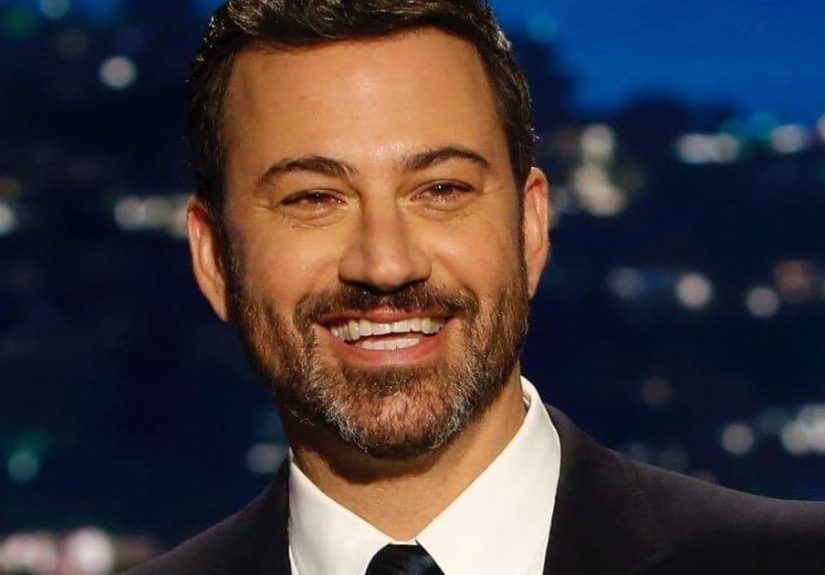
Jimmy Kimmel, the host of Jimmy Kimmel Live!, is one of the most frequently cited celebrities with narcolepsy.
He has talked in multiple interviews about being diagnosed with the condition and describes his symptoms as feeling “always very close to sleep.”
He’s said he used to nod off during meetings, watching TV, and even while driving, which eventually led him to seek medical help.
Kimmel tends to talk about his narcolepsy with humorhe is a comedian, after allbut behind the jokes is a serious point:
you can have a demanding, high-profile job and still live with a neurological sleep disorder.
His openness helps challenge the stereotype that narcolepsy automatically sidelines a person’s ambitions.
Jinkx Monsoon – Drag Superstar and Broadway Performer
Jinkx Monsoon, the fan-favorite winner of RuPaul’s Drag Race season 5 and a celebrated Broadway performer,
has publicly shared that she has narcolepsy. She mentioned her diagnosis on Drag Race and has acknowledged the condition in later posts and conversations,
including describing the struggles of managing narcolepsy alongside a demanding performance schedule.
For many fans, Jinkx is one of the most relatable narcoleptic celebrities. She juggles rehearsals, touring, acting, and singing,
all while dealing with unpredictable sleepiness. Her story highlights how invisible narcolepsy can beyou see the bright costumes,
flawless vocals, and quick wit on stage, but you don’t see the careful planning of rest periods and medical management behind the scenes.
Nastassja Kinski – Actor Balancing Art and Energy
German-born actor Nastassja Kinski has spoken in interviews about living with a form of narcolepsy and how evenings can be especially challenging for her.
Reports describe her avoiding night driving and needing to structure her days carefully so she doesn’t push herself past her limits.
Kinski’s experience reminds us that narcolepsy isn’t just “random naps”it often requires practical lifestyle adjustments:
planning around fatigue, building in recovery time, and listening to your body instead of powering through every social invitation or late-night shoot.
Josh Andrews – NFL Offensive Lineman Who Brought Narcolepsy to the Field
Josh Andrews, an offensive lineman who has played for several NFL teams, including the Atlanta Falcons and New York Jets,
has openly shared his experience of being a professional football player with narcolepsy.
He’s talked about years of unexplained exhaustion before getting a diagnosis and has partnered with advocacy organizations
to raise awareness about sleep disorders.
Competing at the highest level of American football requires intense focus, early-morning practices, travel, and pressure-packed games.
The fact that Andrews navigated narcolepsy through all of this sends a powerful message:
a serious sleep disorder can coexist with elite performance, as long as you have the right medical care, personal discipline, and support.
Rylie Shaw – World Champion Cheerleader with Narcolepsy
Rylie Shaw is a world champion cheerleader who has spoken publicly about being diagnosed with narcolepsy in high school after years of overwhelming tiredness.
She has described dozing off at inappropriate times, even while driving, before a sleep study finally provided answers.
Today, Shaw uses her platform as a high-level athlete to talk about narcolepsy, medication, strict rest routines,
and the emotional strategies she uses to help reduce cataplexy episodes triggered by strong feelings during performances.
Her story is especially encouraging for teens and young adults who may feel that a diagnosis will end their competitive dreams.
Other Modern Public Figures and Athletes
Beyond household-name celebrities, there are many public figures and high-level athletes who have shared their experiences with narcolepsy in interviews,
patient stories, and advocacy campaigns. Examples include:
- Collegiate and professional athletes who discuss maintaining training schedules while planning naps and carefully timing medications.
- Physicians and scientists living with narcolepsy who write about the challenge of working long hours in medicine while managing their own sleep disorder.
- Writers, musicians, and creators who use their art to express what it feels like to be constantly pulled toward sleep.
Many of these stories appear in patient-story sections of sleep clinics, nonprofit organizations, and narcolepsy advocacy groups.
They may not all be “celebrity famous,” but within their communities they’re influential voices pushing for better understanding and accommodations.
Historical Figures Linked to Narcolepsy
Some famous names from history are often mentioned in lists of “famous people with narcolepsy,”
though it’s important to be careful here: they lived long before sleep studies and modern diagnostics existed.
That means we can’t confirm a diagnosis the way we would today, but historians and medical writers have suggested narcolepsy
as a possible explanation for certain patterns.
Harriet Tubman – Abolitionist with Mysterious “Sleeping Spells”
Harriet Tubman, the legendary abolitionist who helped guide enslaved people to freedom on the Underground Railroad,
is often cited in discussions about historical figures with narcolepsy. After a traumatic head injury in her youth,
Tubman reportedly experienced sudden episodes where she would appear to fall asleep or lose consciousness, followed by vivid visions or dreams.
Some modern historians and organizations describe these episodes as consistent with narcolepsy or narcolepsy-like hypersomnia,
while others suggest conditions such as temporal lobe epilepsy. Because there’s no direct medical record,
we can’t say with certainty what diagnosis she would receive todaybut her story illustrates that serious sleep-wake
disturbances are not new and can coexist with extraordinary courage and leadership.
Other Historical Names
Various articles and lists over the years have suggested that figures like Louis Braille or certain politicians, writers, and entertainers
may have had symptoms resembling narcolepsy based on historical accounts of daytime “sleeping spells” or sudden collapses.
These attributions are speculative and not official diagnoses, but they show that people have lived with narcolepsy-like symptoms
throughout historylong before we had a name for it.
The key takeaway: whether or not every historical claim is medically accurate, the idea that “successful people don’t have chronic conditions”
has never been true. They absolutely doand they always have.
What We Learn from Famous People with Narcolepsy
Looking at narcoleptic celebrities isn’t about celebrity gossip; it’s about perspective.
A late-night host who jokes about nodding off in meetings, a drag artist who choreographs around their energy levels,
an NFL lineman who advocates for sleep awareness, and a world champion cheerleader with a carefully managed schedule
all reinforce a few important truths:
- Narcolepsy is real and serious – It’s not just “being tired” or “bad sleep habits.”
- Diagnosis can be delayed – Many people, including public figures, go years before someone finally connects the dots.
- Management is multifaceted – Medications help, but so do naps, boundaries, and modified schedules.
- Stigma makes things harder – Being labeled “lazy” or “unreliable” can be more painful than the sleepiness itself.
- Support matters – Coaches, directors, employers, and loved ones who make reasonable accommodations can change a life.
If you’re living with narcolepsy or suspect you might be, these stories can serve as a counterweight to the fears.
No, it’s not always easy. Yes, the condition can affect education, work, finances, relationships, and safetyespecially around driving.
But people with narcolepsy are starring in movies, winning championships, hosting TV shows, leading organizations, and raising families every day.
Living with Narcolepsy: Experiences and Takeaways
Beyond the spotlight, everyday people with narcolepsy share stories that echo many of the same themes you see in famous narcolepticsjust without the red carpet.
Their experiences add important context to what celebrities with narcolepsy describe in interviews.
One common thread is misunderstanding in school or at work.
Many people recall being punished for “sleeping in class” or “slacking off” at their desks,
even though they were fighting overwhelming sleepiness they couldn’t control.
It’s not unusual to hear about students labeled as troublemakers or “unmotivated” before anyone thinks to refer them to a sleep specialist.
Another recurring theme is the financial impact.
People with narcolepsy may struggle to keep standard 9-to-5 jobs if employers don’t allow for flexible hours,
naps, or remote work. Some switch careers to roles with more predictable schedules or less driving.
Others lean heavily on accommodations such as:
- Short, planned naps during breaks.
- Modified start times or split shifts.
- Remote or hybrid work arrangements.
- Reduced driving or avoiding long solo trips.
Emotional health is another big piece of the puzzle. People with narcolepsy often talk about feeling isolated or misunderstood,
especially if their friends and family don’t grasp how intense the sleepiness and cataplexy can be.
Joining online communities or local support groups can be a game changer.
Hearing “me too” from someone who also falls asleep in the middle of conversations or loses muscle control when they laugh
can be incredibly validating.
Many individuals also describe a period of reframing their identity after diagnosis.
At first, it can feel like their whole life is being reduced to a sleep disorder.
Over time, though, a lot of people find a new balance: narcolepsy becomes one important part of who they are,
but not the whole story. They’re still artists, parents, students, entrepreneurs, introverts, extroverts, jokesters, and dreamersjust with a brain that likes to sneak extra REM sleep into daytime hours.
When you line up the experiences of everyday people with those of famous people with narcolepsy, a clear pattern emerges:
- Self-advocacy is essential. Whether you’re asking a director for a quiet space to nap or requesting workplace accommodations, you often have to speak up for your needs.
- Knowledge is power. Understanding what narcolepsy isand isn’thelps you explain it to others and push back on stereotypes.
- Community helps. Connecting with others living with narcolepsyonline or in personcan turn a very isolating condition into something you don’t have to carry alone.
- Rest is not a moral failure. Celebrities and non-celebrities alike show that naps and flexible schedules are tools, not weaknesses.
If you relate to any of these experiences and haven’t talked with a healthcare professional yet, consider this your gentle nudge.
Only a qualified medical provider can diagnose narcolepsy, usually through a detailed history, overnight sleep study,
and daytime nap testing. But whether you’re a student, a parent, an office worker, or the next late-night host,
getting answers can be the first step toward reclaiming your energy and designing a life that works for you.
And if you’re already diagnosed, remember: you are in good company.
Some of the most creative, driven, and resilient people in the world are living with narcolepsy.
Fame doesn’t cure a sleep disorderbut it does prove that your dreams (both literal and metaphorical) are still very much on the table.
Conclusion
Narcolepsy is often misunderstood, minimized, or played for laughsbut the reality is far more serious and far more human.
Famous people with narcolepsy, from TV hosts and drag performers to athletes and historical icons, show that a chronic sleep disorder
can coexist with talent, ambition, and major achievements.
Narcoleptic celebrities don’t exist to “inspire” anyone on command, but their stories can offer something valuable:
proof that your diagnosis does not define your ceiling. With proper medical care, realistic expectations, self-advocacy,
and support, people with narcolepsy canand dobuild rich, meaningful, wildly interesting lives.