Table of Contents >> Show >> Hide
- What Counts as a “First Bloom” (And Why Your Neighbor’s Might Show Up First)
- Start With Your Zone, Then Zoom In to Your Yard
- The MVPs of First Blooms: Plants That Show Up When Winter Is Still Side-Eyeing You
- How to Get More First Blooms (Without Starting a Secret Weather-Control Lab)
- Protecting First Blooms From Frost: Don’t Panic, Just Cover Them
- Designing a “First Blooms” Sequence That Lasts (So Spring Doesn’t Peak in 48 Hours)
- First Blooms and Pollinators: A Tiny Ecosystem Win
- First Blooms in Containers and Small Spaces
- Make First Blooms a Tradition: Keep a Bloom Journal
- Wrap-Up: Your Garden’s First Hello
- First Blooms: Real-World Moments and Experiences (Because the Garden Always Has a Plot Twist)
There’s a very specific kind of joy that arrives with the first blooms of the season. It’s not the “I just won the lottery”
kind of joy. It’s more like “I found fries at the bottom of the bag” joysmall, surprising, and wildly satisfying.
One day the yard looks like winter forgot to take its stuff and leave, and thenboomthere’s a crocus like,
“Good morning, I’m awake and I’m judging your messy porch.”
“First blooms” can mean different things depending on where you live, what you grow, and how impatient you are.
For some gardeners, the first bloom is a snowdrop peeking through crusty snow. For others, it’s a witch hazel
lighting up a gray January walk, or a potted daffodil cheating spring by blooming indoors on the kitchen counter.
Wherever you are, first blooms are more than prettythey’re a signal that the garden’s next chapter has officially started.
What Counts as a “First Bloom” (And Why Your Neighbor’s Might Show Up First)
Botanists and citizen scientists often treat “first bloom” as a measurable moment: the point when a plant has
opened its first flowers for the season. That’s part of a bigger idea called phenology, which is basically
“nature’s calendar”the timing of leaf-out, flowering, fruiting, and other life events.
For gardeners, the practical version is simple: first blooms are the earliest flowers you notice that reliably return each year.
But timing is a trickster. Two gardens on the same street can bloom weeks apart because of:
- Microclimates: A south-facing wall warms earlier; a low spot holds cold air longer.
- Soil temperature and drainage: Cold, soggy soil slows growth; well-drained soil warms faster.
- Sun exposure: Spring sun is a different beast than summer suntrees are bare, so “shade” isn’t always shade yet.
- Urban heat: Pavement and buildings can create a warmer pocket that pushes bloom time earlier.
- Plant genetics: Cultivars bloom at different times, even within the same species.
Translation: your neighbor’s daffodils might be early because they’re planted by a warm driveway, not because
they’re secretly bribing the weather.
Start With Your Zone, Then Zoom In to Your Yard
To plan for first blooms, it helps to understand your baseline growing conditions. In the U.S., the most common starting
point is USDA Plant Hardiness Zones, which summarize winter cold extremes and help you predict which perennials
can survive long-term. Zones don’t tell you everything (humidity, heat, and soil matter too), but they’re an excellent
first filter when you’re choosing early bloomers.
After zone comes local reality: average last frost date, snow cover patterns, and whether your yard behaves like a wind tunnel.
Think of it like this: your zone is the broad map, and your yard is the hand-drawn “Here Be Dragons” note in the corner.
Both are useful.
The MVPs of First Blooms: Plants That Show Up When Winter Is Still Side-Eyeing You
The best first-bloom plants share a few traits: they tolerate cold snaps, they don’t mind chilly soil, and they’re willing to
perform before the rest of the garden is ready for hair and makeup. Here are the categories that most often deliver those
opening-act flowers.
1) Spring-Flowering Bulbs (The Tiny Time Capsules of Optimism)
Bulbs are classic first-bloomers because they’re pre-packed with next season’s plan. Many were formed the previous year,
tucked underground like a secret, and they’re ready to grow as soon as conditions allow.
Reliable early bulbs to consider:
- Snowdrops (Galanthus): famously earlysome emerge with snow still around.
- Crocus: a first-bloom staple, especially in sunny spots that warm quickly.
- Winter aconite (Eranthis): tiny yellow flowers that look like sunshine with a job.
- Glory-of-the-snow (Chionodoxa): early blue blooms that naturalize in many gardens.
- Netted iris (Iris reticulata): petite, jewel-toned, and early enough to feel like a magic trick.
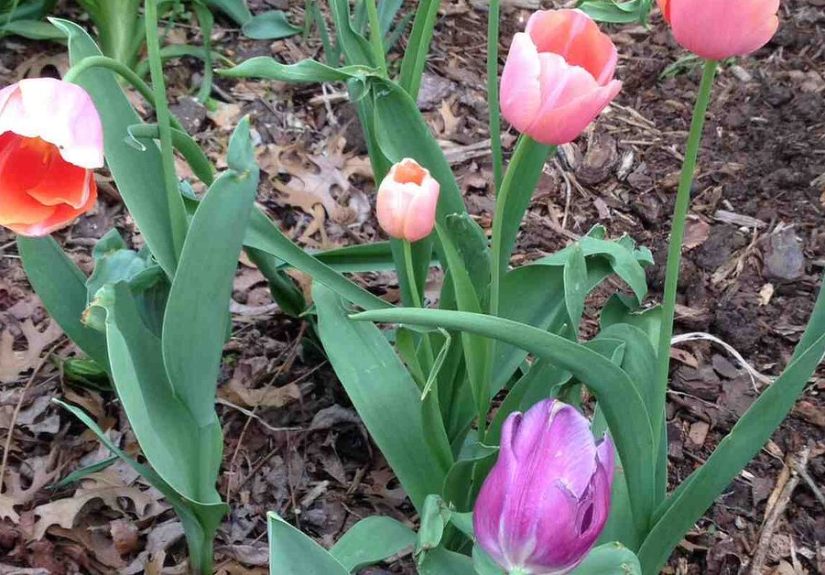
- Daffodils (Narcissus): early to mid-spring, hardy, and often less appealing to deer than tulips.
Bulbs also play well with your landscape’s seasonal lighting. Areas that are shaded in summer can be surprisingly sunny in early
spring before trees leaf out, which makes bulbs a smart way to use “temporary spring sun.”
2) Hellebores and Other Cold-Tough Perennials
If bulbs are the first blooms’ pop stars, hellebores are the indie band that never breaks up. Hellebores
(often called Lenten rose) can bloom very early and keep going for weeks. They’re also unfazed by the fact that the rest of the
garden is still wearing winter pajamas.
Other early perennials worth a look:
- Pasque flower (Pulsatilla): fuzzy buds and charming purple blooms.
- Lungwort (Pulmonaria): early flowers plus attractive spotted foliage.
- Primrose (Primula): cheerful color when you’re desperate for cheer.
- Violets/violas: often tolerate cool weather and can bloom early in many regions.
3) Flowering Shrubs That Bloom Before Leaves (Because They Understand Drama)
Some shrubs bloom on bare branches, which makes their flowers look even brighter against late-winter skies.
A standout is witch hazel. Depending on the species and the weather, some types can bloom in winter and carry into
early springexactly when you’re wondering if the sun will ever return your texts.
Other early shrubs and small trees:
- Forsythia: bright yellow and famously early (pruning timing matters if you want flowers).
- Flowering quince: early blooms and a tough constitution.
- Serviceberry: early white flowers and later berries for birds.
- Redbud: pink blooms along branches before leaves appear.
4) Native Wildflowers and Spring Ephemerals (The “Blink and You’ll Miss It” Beauties)
In woodlands and shady edges, spring ephemerals have a short mission: grow, bloom, and set seed before the tree canopy
fills in and blocks the light. They’re a reminder that “early season” isn’t just a garden vibeit’s an ecological strategy.
Examples include:
- Rue anemone and wood anemone
- Bloodroot
- Trillium
- Virginia bluebells
Bonus: early blooms can be especially meaningful for pollinators that emerge when food sources are still limited.
When you plant early-flowering natives, you’re basically putting out the first breakfast buffet of the year.
How to Get More First Blooms (Without Starting a Secret Weather-Control Lab)
Plant Bulbs the Right Way (Depth, Drainage, and the Pointy End Situation)
With bulbs, success is often decided months before you see a flower. Most spring-flowering bulbs are planted in fall.
Two big rules improve bloom quality:
- Drainage matters: bulbs dislike sitting in water; amend heavy soil with compost and avoid low, soggy pockets.
- Depth matters: deeper planting stabilizes temperature and moisture and can help bulbs perennialize.
A common guideline is to plant bulbs at a depth roughly two to three times their height (check specifics for each bulb type).
Larger bulbs like tulips and daffodils typically go deeper than tiny bulbs like snowdrops or grape hyacinths.
Keep the Leaves After Bloom (Yes, Even When They Look Like Sad Green Noodles)
After flowering, bulb foliage isn’t being “ugly for fun.” It’s photosynthesizing and refueling the bulb for next year.
If you cut leaves too early, you may get fewer blooms next season. Let foliage yellow and fade naturally, then tidy up.
If the look drives you nuts, hide fading bulb leaves behind later-emerging perennials or ornamental grasses.
Try Forcing Bulbs Indoors (Spring, But Make It Early)
If you want first blooms while it’s still very much “hot beverage season,” forcing bulbs is your loophole.
Many spring bulbs need a cold period to trigger blooming. Forcing mimics winter so the bulb thinks it has earned spring.
A simple forcing overview:
- Choose bulbs that force well (daffodils, hyacinths, tulips, crocus, grape hyacinths, paperwhitesnote that paperwhites are a bit different and don’t require the same chilling).
- Chill as needed (many varieties need weeks of cold; follow the bulb’s guidance).
- Pot them up in a container with drainage and keep them cool and dark while roots develop.
- Bring into light when shoots appear, and water consistently (not soggy).
It’s one of the few times in life where “tricking someone” leads to more beauty, not more drama.
Protecting First Blooms From Frost: Don’t Panic, Just Cover Them
Early blooms are brave, but they’re not invincible. A warm spell can push buds early, and then a cold snap rolls in like
an uninvited guest who critiques your life choices. The good news: a little protection goes a long way.
Use Covers to Trap Ground Heat
When frost is forecast, you can protect many plants with coveringsfrost cloth, row cover, sheets, light blankets, or even
towels in a pinch. The goal is to trap radiant heat from the soil and reduce frost formation on leaves and flowers.
Avoid plastic touching the plant directly (it can worsen damage where it contacts tissue). If you use plastic, prop it up
with stakes so it forms a tent.
Timing Matters
- Cover before nightfall (so you capture warmth as temperatures drop).
- Uncover in the morning once temps rise and sunlight returns (plants need light and airflow).
Mulch and WaterCarefully
Mulch can buffer soil temperature swings and protect shallow roots. For bulbs and perennials, a light spring mulch can help,
but don’t bury crowns. Consistent soil moisture also helps plants handle stressjust don’t turn your garden bed into a swamp.
Designing a “First Blooms” Sequence That Lasts (So Spring Doesn’t Peak in 48 Hours)
The dream isn’t just one early flowerit’s a sequence of early color that keeps going. Think of it as a relay race:
one plant hands off the show to the next.
Build a Bloom Ladder
Combine plants with staggered bloom times:
- Late winter: witch hazel, early hellebores (in milder regions), winter aconite
- Very early spring: snowdrops, crocus, netted iris, glory-of-the-snow
- Mid spring: daffodils, early tulips, muscari (grape hyacinth), primrose
- Late spring: flowering trees (redbud, serviceberry), late tulips, alliums
Use Repeats for Impact
A single crocus is cute. A drift of crocus is a headline. Repetition makes early blooms look intentional, not accidental.
Plant in clusters, scatter small bulbs in naturalistic groups, and repeat the same plant in a few locations so your eye
“catches” spring as you move through the yard.
First Blooms and Pollinators: A Tiny Ecosystem Win
Early-season flowers can supply nectar and pollen when not much else is available. That matters for early-emerging bees and
other pollinators that need fuel right out of the gate. You don’t have to turn your yard into a research stationjust aim for
a few early bloomers that offer real forage.
Pollinator-friendly first-bloom habits:
- Plant a mix: include native wildflowers, flowering shrubs, and early bulbs.
- Skip early-season pesticides: especially on blooming plants.
- Leave some leaf litter: many beneficial insects overwinter in plant debris.
- Provide water: a shallow dish with stones can help insects drink safely.
First Blooms in Containers and Small Spaces
No yard? No problem. First blooms are absolutely a container sport.
You can plant bulbs in pots in fall (in climates where containers won’t freeze solid for long periods), tuck them into an
unheated garage or sheltered spot, and bring them out as they wake up. Or buy pre-chilled bulbs and force them indoors.
Container tips that make a difference:
- Use drainage holes: bulbs hate wet feet.
- Choose a larger pot: bigger soil volume buffers temperature swings.
- Layer bulbs (lasagna planting): deeper large bulbs, then smaller bulbs above for multiple waves of bloom.
- Protect pots in deep cold: group them, wrap them, or shelter them so bulbs don’t freeze-dry.
Make First Blooms a Tradition: Keep a Bloom Journal
The easiest way to understand your garden’s timing is to track it. Write down:
- first crocus bloom
- first daffodil bloom
- when the redbud starts flowering
- when hellebores peak
- the last frost you actually experienced (not the one you hoped for)
Over a few seasons, you’ll start to see patternsand you’ll get better at planning. Plus, bloom notes are oddly comforting.
On a rough day, it’s hard to stay mad at the world when you’re writing, “March 12: first snowdrops. I gasped.”
Wrap-Up: Your Garden’s First Hello
First blooms are part science, part surprise, and part emotional support flower. They teach patience (because you can’t
rush soil temperature), attention (because the first bloom is easy to miss), and delight (because wow, a flower just
appeared in the middle of a world that felt stuck).
If you want more first blooms, stack your odds: choose cold-tough plants, plant bulbs well in fall, protect early flowers from
frost, and design a bloom sequence that carries you from late winter to true spring. Then step outside on a chilly morning,
spot that first brave blossom, and celebrate like it’s a holidaybecause for gardeners, it basically is.
First Blooms: Real-World Moments and Experiences (Because the Garden Always Has a Plot Twist)
First blooms don’t just happen in the gardenthey happen in the brain. They flip a switch from “endless winter”
to “okay, life is returning.” And what’s funny is that most first-bloom experiences are tiny. No fireworks, no marching band.
Just a small flower doing something ordinary that feels extraordinary because of the timing.
1) The Snowdrop That Makes You Believe Again
Gardeners who grow snowdrops often describe the same ritual: you stop looking for them… and that’s exactly when they show up.
It might be a late-February walk to take out the trash, bundled up, half-awake, thinking about nothing. Then you spot a small
white bell-shaped bloom near the foundationso early it looks like it made a scheduling mistake. In that moment, everything
shifts. The air is still cold, the grass is still dull, but your mind starts planning: “If snowdrops are here, crocus is next.”
It’s a domino effect of hope, kicked off by a flower the size of a quarter.
2) The Crocus Pop-Up Show (Featuring Squirrels as Uninvited Stagehands)
Crocus are famous for turning a boring patch of lawn into a sudden confetti moment. One week it’s all brown and “meh,”
the next week there are purple, gold, and white blooms clustered like someone spilled jewels. Many gardeners learn quickly
that crocus are not just earlythey’re also bold. They bloom low to the ground, they open on sunny days, and they
don’t seem concerned that winter might come back for an encore.
The plot twist? Animals notice first blooms too. Squirrels may dig, rabbits may nibble, and neighborhood dogs may stomp
through your “carefully planned” bulb area like they’re conducting a very personal landscaping critique. The experience
becomes part celebration, part comedy: you’re delighted, you’re protective, and you’re muttering, “Please, just let me have this.”
Over time, gardeners adaptplanting extra bulbs, tucking them into protected beds, or choosing more animal-resistant options
where wildlife pressure is high.
3) Witch Hazel on a Gray Day (The Shrub That Refuses to Be Boring)
Some first-bloom stories happen during the most colorless stretch of the year. You’re walking outside when everything looks
washed outsky like wet paper, trees like pencil sketches. Then you notice witch hazel flowers on bare branches: thin,
ribbon-like petals in yellow or orange, glowing like a tiny lantern. The experience is less “spring has arrived” and more
“beauty exists even now.” That’s a different kind of first bloomone that doesn’t promise immediate warmth, but does promise
that the garden is still alive and paying attention.
4) The Indoor Daffodil That Saves Your Mood
Indoor forcing creates its own special first-bloom experience because it happens in a place where you actually spend time.
A pot of forced bulbs on the windowsill can feel like a tiny rebellion against winter. You watch shoots grow day by day,
like a time-lapse you don’t have to film. Then the flower opens, and suddenly your kitchen looks like a happier place to be.
People often underestimate how powerful that is. It’s not just “pretty.” It’s a daily reminder that growth is happening
somewhere, even if the outdoors is still stuck on cold. Many gardeners make forcing a traditionone pot in January, another
in Februarylike a staggered series of mood boosters. If spring is a long hallway, forced blooms are the little lamps along the way.
5) The Woodland Walk That Becomes an Annual Pilgrimage
If you live near woods or a shaded park, spring ephemerals can turn first blooms into a yearly treasure hunt.
The experience usually starts with someone saying, “They should be blooming soon,” and then you find yourself taking a
slightly longer walk “for no reason.” When you catch them at the right timebloodroot, trillium, anemones, bluebellsit feels
like you’ve stumbled into a secret. Because you have. Their whole strategy is to bloom early, quickly, and quietly before the canopy
closes in.
The best part is how these experiences build a personal calendar. You start to associate certain weeks with certain blooms.
You learn where the sunny slope melts first, where the early flowers cluster, and where the frost lingers. Over a few years,
first blooms stop being random. They become familiar milestonesnature’s way of saying, “See? We’re doing this again.”