Table of Contents >> Show >> Hide
Your joints are basically the world’s most overachieving hinges: they open doors, climb stairs, lift groceries,
and somehow tolerate that one chair you always sit in like a question mark. The good news? Joint-friendly exercise
can help you move with less stiffness, support the muscles that protect your joints, and keep your body feeling
more “well-oiled machine” and less “rusty shopping cart.”
This guide breaks down five joint-loving exercisessimple, low-impact, and adaptableplus how to do them safely,
how to scale them up (or down), and how to string them into a week you’ll actually stick with.
What “joint-friendly” really means
Joint-friendly exercise isn’t code for “easy.” It’s code for smart. The best exercises for joint
health tend to do three things:
- Manage impact: Less pounding means less irritation for sensitive knees, hips, and ankles.
- Build support: Stronger muscles act like shock absorbers and stabilizers around joints.
- Keep motion available: Gentle movement helps maintain range of motion and day-to-day comfort.
Think of your joints like a nice set of tires: they last longer when the alignment is good (movement quality),
the suspension is solid (strength), and you’re not launching off curbs for fun (impact management).
Quick safety rules (so your joints don’t file a complaint)
1) Warm up like you mean it
Start with 5–10 minutes of easy motionmarching in place, shoulder circles, gentle leg swings, or slow cycling.
Warming up helps your body transition from “sleep mode” to “let’s do this” without a dramatic plot twist.
2) Use the “comfort zone” rule
Mild effort and light stretching sensations are fine. Sharp pain, sudden pinching, or pain that escalates fast
is your sign to stop, adjust, or switch exercises. If a joint looks swollen, red, or feels unusually hot, take it
as a “not today” message and choose something gentler.
3) Go slow on purpose
Progress that feels almost boring is usually the progress that lasts. Increase time, resistance, or difficulty
in small steps, and give your body a chance to adapt.
4) Form beats intensity
Joint-friendly exercise is less about grinding and more about clean movement. If your knees collapse inward,
your back arches like a startled cat, or your shoulders creep into your earspause, reset, and make it smoother.
Quick note: If you have a new injury, unexplained swelling, fever, sudden weakness, numbness, chest pain,
or severe paintalk to a clinician promptly. This article is educational, not a diagnosis.
The Five Great Exercises for Your Joints
1) Brisk Walking (the underrated joint tune-up)
Walking is a low-impact, joint-friendly classic that supports overall fitness and keeps your hips, knees, and
ankles practicing the movement pattern they were built for. It’s also one of the easiest ways to be consistent
and consistency is basically the secret ingredient in every fitness story.
Why your joints like it
- It’s low impact compared with running and jumping.
- It’s weight-bearing, which can support bone health.
- It helps lubricate movement by encouraging gentle, repeated joint motion.
How to do it (without turning it into a slog)
- Start with 10–15 minutes at an easy pace, 3–4 days per week.
- Gradually build toward 25–40 minutes most days (or split into two shorter walks).
- Use the “talk test”: you should be able to talk in short sentences while walking briskly.
Joint-friendly upgrades
- Shoe check: Supportive, comfortable shoes often make walking feel dramatically better.
- Surface swap: Try a track, treadmill, or packed trail if pavement feels harsh.
- Posture cue: Think “tall spine, relaxed shoulders, soft arms.”
Example progression
Week 1: 12 minutes, 4 days. Week 2: 15 minutes, 4 days. Week 3: 18 minutes, 4 days. You get the ideasmall,
boring increases that add up to big wins.
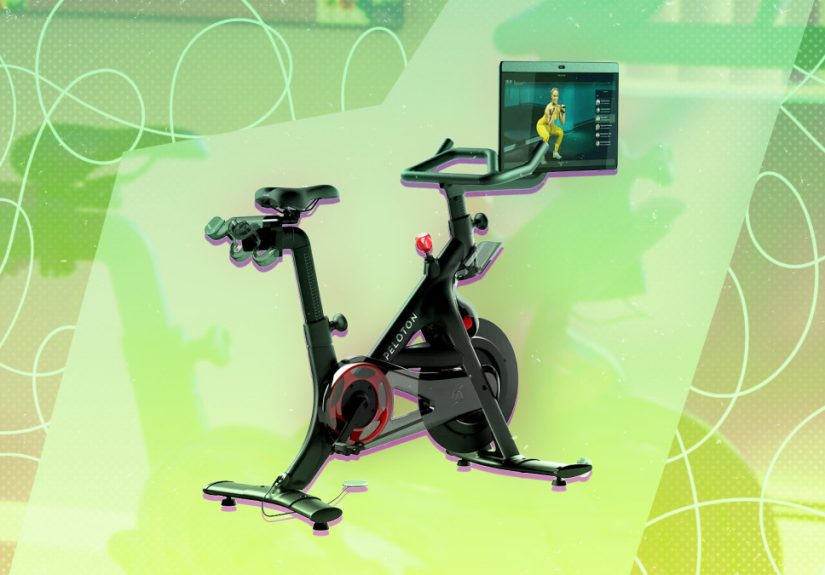
2) Cycling or Stationary Bike (smooth cardio, happy knees)
Cycling is a joint-friendly aerobic exercise because it builds leg strength and endurance without the pounding
of high-impact workouts. A stationary bike is especially great if weather, traffic, or your own sense of
self-preservation makes outdoor biking less appealing.
Why your joints like it
- Low impactless stress on knees and hips than many cardio options.
- Strengthens quads and glutes, which can help support the knee joint.
- Easy to control intensity with resistance and pace.
Set-up tips that matter more than you think
- Saddle height: Too low can irritate knees. Aim for a slight bend at the bottom of the pedal stroke.
- Resistance: Start light. Spinning with control beats mashing heavy resistance early on.
- Posture: Relax your shoulders; avoid shrugging your way through the workout.
Beginner plan
- 5 minutes easy warm-up
- 10–15 minutes steady pace
- 2 minutes cool-down
Make it joint-friendlier
If knees complain, reduce resistance and shorten the session, but keep the motion smooth. If your hips feel
pinchy, double-check saddle height and avoid overreaching.
3) Water Workouts (swimming, water aerobics, or water walking)
If you could bottle “joint relief” into an exercise format, water workouts would be a top contender. Water
supports your body weight, which reduces load on joints while still letting you move through a comfortable
range of motion. Plus, water adds gentle resistancelike strength training, but quieter.
Why your joints like it
- Buoyancy reduces stress on painful joints.
- Water resistance builds strength without heavy impact.
- Great option during flare-ups or when land exercise feels cranky.
Three easy ways to do it
- Water walking: Walk forward, backward, and sideways in chest- to waist-deep water.
- Water aerobics: Follow a class (bonus: built-in community and motivation).
- Gentle laps: Swim with a stroke that feels goodor use a kickboard if shoulders need a break.
Example session
- 5 minutes easy water walking
- 10 minutes alternating water walking + gentle jogging in place
- 5 minutes leg swings and arm movements in the water
- 2–3 minutes easy float or slow walk cool-down
Joint-friendly notes
If shoulders are sensitive, prioritize water walking and lower-body moves first. If knees are sensitive, keep
steps smaller and focus on smooth, controlled motion.
4) Sit-to-Stand (a.k.a. the “stronger legs, safer joints” move)
Sit-to-stand looks almost too simpleuntil you do it with excellent form. This exercise strengthens the
glutes and thighs, which helps support hips and knees and improves everyday function (standing up, climbing
stairs, getting off the couch without turning it into a three-act drama).
Why your joints like it
- Builds strength in key support muscles around hips and knees.
- Improves control and alignment (which can reduce unnecessary joint stress).
- Easy to scale for different fitness levels.
How to do it
- Sit on a sturdy chair, feet hip-width apart.
- Lean forward slightly (nose over toes), brace your core gently.
- Stand by pushing through your feet, squeezing glutes at the topno “launching.”
- Sit back down with control (slow is the point).
Form cues that protect joints
- Knees track over toes (avoid knees collapsing inward).
- Even pressure through the whole foot.
- Control the descent like you’re lowering into a chair on a movie set.
Reps and progression
- Start: 2 sets of 6–8 reps, 2–3 days/week.
- Progress: add reps up to 10–12, then add a light weight held at the chest.
- Need it gentler? Use a higher chair or push lightly from the armrests.
Option for tender days
Try an isometric “wall sit” at a shallow angle for 10–20 seconds, or do partial sit-to-stands (only rising
halfway). Same message to the muscles, less motion for the joint.
5) Tai Chi (balance, control, and “meditation in motion”)
Tai chi is slow, controlled movement that challenges balance, coordination, and joint controlwithout high impact.
It’s especially useful if your goals include fewer wobbles, better stability, and a calmer nervous system (because
stress has a talent for making pain feel louder).
Why your joints like it
- Improves balance and body awareness, which can protect joints during daily movement.
- Encourages gentle range of motion and controlled weight shifts.
- Often feels sustainable even for beginners or older adults.
How to start
- Look for a beginner tai chi class (in person or video-based) and start with 10 minutes.
- Choose a “small movements” approach if your range of motion is limited.
- Use a chair or wall nearby for confidence while you learn balance shifts.
A simple at-home mini-sequence (5 minutes)
- Stand tall, soften knees, breathe slowly for 30 seconds.
- Shift weight left to right, slow and steady, for 1 minute.
- Slow forward step and return (like a gentle lunge without depth), 1 minute.
- Arm circles with relaxed shoulders, 1 minute.
- Finish with calm breathing and posture reset, 30–60 seconds.
If tai chi isn’t your vibe, gentle yoga or mobility flows can offer similar benefitsjust keep positions
pain-free and avoid forcing deep stretches.
A simple weekly plan you can copy
Joint health does best with a mix of aerobic activity, strength training, and balance/mobility work. Here’s a
realistic week built around the five exercises above:
Sample week
- Mon: Brisk walk 20–30 min + 5 min easy mobility
- Tue: Sit-to-stand strength (15–20 min) + short tai chi (5–10 min)
- Wed: Cycling 15–25 min (easy/moderate)
- Thu: Water workout 20–30 min (or walk if no pool access)
- Fri: Sit-to-stand strength (15–20 min) + tai chi 5–10 min
- Sat: Brisk walk 20–40 min (split into two walks if needed)
- Sun: Gentle recovery: easy walk, stretching, or light water walking
Make it fit your life
If you only have 10 minutes, do 10 minutes. If you can do more, do moreslowly. The best joint-friendly workout
is the one you repeat often enough to matter.
FAQ: soreness, arthritis, and “is this normal?”
“What if I have arthritisshould I still exercise?”
In many cases, yes. Movement can help reduce stiffness, improve function, and build support around joints. The
key is choosing low-impact options, progressing gradually, and adjusting during flare-ups.
“How do I know if I did too much?”
A little muscle soreness can be normalespecially when you’re new to strength work. But if joint pain spikes
sharply, swelling appears, or pain lingers and worsens into the next day, scale back duration or intensity and
choose gentler motion.
“What’s better: walking or biking?”
For joint sensitivity, biking is often easier on knees and hips. For bone health and everyday function, walking
is excellent. Many people do best with both, alternating to spread stress across tissues.
“Do I need fancy equipment?”
Nope. Comfortable shoes, a sturdy chair, and (optionally) access to a bike or pool are plenty. If you want to
level up later, add a resistance band or light dumbbells.
Conclusion
Joint-friendly exercise isn’t about avoiding movementit’s about choosing movement that loves you back. Walking,
cycling, water workouts, sit-to-stands, and tai chi cover the big pillars: low-impact cardio, strength for joint
support, mobility, and balance. Do them consistently, progress gradually, and keep your form clean, and you’ll
stack the odds in favor of smoother, stronger, more comfortable motion.
If your joints have been “talking,” consider this your invitation to respond with a plannot a panic. Start
small. Keep it regular. And remember: your body doesn’t need perfection. It needs practice.
Experience Notes (about ): Real-life joint wins people commonly report
Because joint health is personal, the best “proof” often shows up in everyday momentsnot in a dramatic before-and-after photo.
Here are a few realistic, composite-style experiences that mirror what many people report when they stick with joint-friendly
exercise for several weeks. (No miracle claimsjust the kind of progress that makes you quietly smile while doing normal life.)
The “my knees stopped narrating every staircase” moment: A common story starts with walking. At first, it’s
10 minutes and a little hesitation at every curb. Then, after a couple of weeks of consistent walks plus cycling twice a week,
stairs feel less like a negotiation. People often describe it as “my legs feel more supportive,” which makes sense: stronger
thighs and hips can reduce the amount of chaotic wobble your knees have to manage. The change isn’t always dramatic, but it’s
noticeableespecially when you realize you carried laundry upstairs without planning a recovery nap.
The “my hips feel less stiff in the morning” surprise: Gentle tai chi (or a slow mobility flow) tends to
deliver sneaky benefits. People frequently report that weight shifts and controlled steps make them feel steadierand that
morning stiffness doesn’t hang around as long. One simple example: after 5–10 minutes of tai chi most days, getting out of bed
can feel less like unfolding a lawn chair. It’s not that the joint becomes brand-new; it’s that your body gets better at
coordinating movement, and your nervous system stops treating motion like an emergency.
The “the pool gave me my confidence back” effect: Water workouts are a favorite among folks who feel
intimidated by land exercise. Many describe the first pool session as the first time they moved freely without bracing for pain.
Water walking becomes the gateway habit: it feels safe, it’s still a workout, and it often improves mood because it’s a rare
combination of challenging and comfortable. Over time, that confidence tends to spill into other areaslike taking longer walks,
trying a bike again, or finally doing strength work without assuming it will “wreck” their joints.
The “sit-to-stand made daily life easier” brag: People underestimate this one until they notice the wins:
standing up from low chairs, getting in and out of cars, or holding a stable stance while cooking. A typical pattern is starting
with 2 sets of 6 and feeling comically humbled, then adding reps weekly. After a month or two, many report their legs feel
“reliable,” which is a perfect word. You’re not just exercisingyou’re training the exact movement you use all day.
The “I learned the difference between muscle work and joint pain” lesson: This is the grown-up skill.
When people ease in, warm up, and keep form clean, they often learn that some discomfort is normal (muscles working) while
sharp joint pain is a cue to adjust. That confidenceknowing how to modifykeeps them consistent. And consistency is where the
real results come from: not one heroic workout, but dozens of reasonable ones.
Bottom line: the best experiences tend to come from routines that are repeatable, adaptable, and kind to your joints. If you
start with what feels doable today, your “future you” usually shows up with better balance, stronger support, and fewer daily
aches stealing the spotlight.