Table of Contents >> Show >> Hide
- Why Your Colon Needs a Gentle Restart
- The First Few Hours: Start With Clear Liquids
- First 24 Hours: Soft, Bland, and Low-Fiber Wins
- Day 2 and Beyond: Slowly Returning to Your Usual Diet
- Foods to Avoid Right After a Colonoscopy
- Hydration: Your Most Important “Food” After a Colonoscopy
- Special Situations: Tailoring Your Post-Colonoscopy Diet
- When to Call Your Doctor
- Everyday Examples: Simple Meal Ideas After a Colonoscopy
- Real-Life Experiences and Practical Tips
You survived the prep, got through the colonoscopy, and now your stomach is
loudly reminding you that clear liquids are not a long-term life plan. The
good news: once your doctor gives the green light, you can start eating
again. The catch: your digestive system just ran a marathon. It deserves
a gentle “soft opening,” not an all-you-can-eat spicy taco buffet.
This guide walks you through what to eat after a colonoscopy, what to avoid,
and how to transition back to your normal diet with as little gas, cramping,
and bathroom drama as possible. We’ll talk soft foods, clear liquids,
comfort meals, and real-life tips so you can feel human againwithout
upsetting your freshly inspected colon.
Why Your Colon Needs a Gentle Restart
Before your colonoscopy, you likely followed a low-fiber or clear liquid
diet and took bowel prep to clean everything out. That means:
- Your digestive tract is temporarily extra sensitive.
- You may be dehydrated and low on electrolytes.
- Your usual gut bacteria and stool bulk are in “reset” mode.
After the procedure, most people can start drinking and eating again once
they are fully awake and not nauseated. Many doctors recommend starting
with clear liquids, then moving to soft, easy-to-digest foods for about
the first 24 hours before returning to your usual meals, unless your doctor
tells you otherwise.
Think of it like reintroducing food after a bad stomach bug: gentle, bland,
and small portions at first. Your colon is already a little grumpy; your
job is not to provoke it.
The First Few Hours: Start With Clear Liquids
Right after a colonoscopy, your care team will usually encourage you to
drink fluids. This helps replace the water and electrolytes lost during
the prep and supports your blood pressure and energy levels.
Clear liquids that are usually well tolerated
- Water (plain or lightly flavored, non-carbonated if you’re gassy)
- Broth (chicken, beef, or veggienothing chunky yet)
- Electrolyte drinks or sports drinks (avoiding very sugary options if they upset your stomach)
- Herbal tea or weak black tea (no cream; a little honey is usually fine)
- Clear fruit juices without pulp, like apple juice or white grape juice
- Plain gelatin or clear ice pops (avoiding red or purple dyes if your team advises that)
Sip slowly at first. If you feel nauseated, back off, wait a bit, and try
smaller sips. Once liquids are going down comfortably, you can usually start
adding soft, low-fiber foods.
First 24 Hours: Soft, Bland, and Low-Fiber Wins
The day of your colonoscopy is not the day to test your tolerance for
triple-chili nachos. Most people do best with soft, low-residue foods that
don’t require a lot of digestive “work.”
Great food choices after a colonoscopy
Here are gentle options many providers recommend for the first day:
- White toast or plain bread – No seeds, nuts, or whole grains yet.
- Plain crackers – Saltines or similar simple crackers.
- White rice or plain pasta – Soft, with a little broth or a tiny bit of butter.
- Mashed potatoes – Peeled, smooth, and not loaded with heavy cream or cheese.
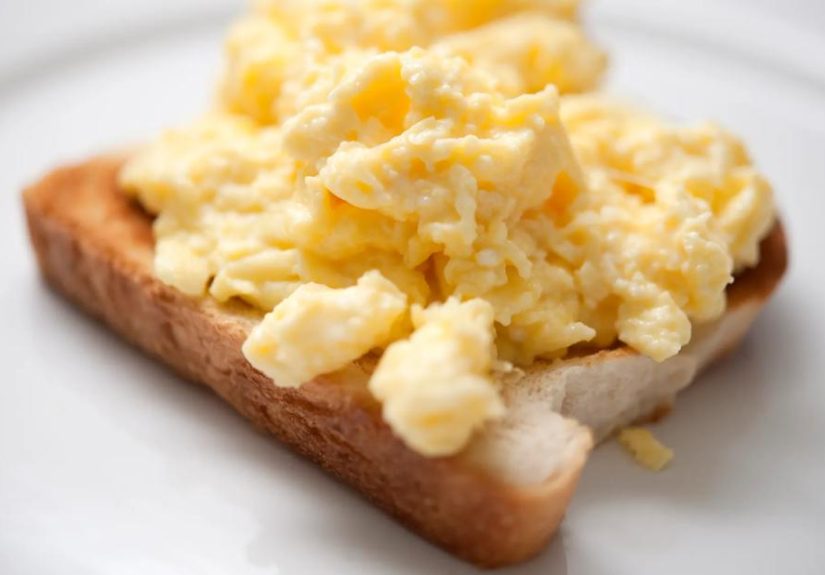
- Scrambled or soft-boiled eggs – Mild, protein-rich, and easy to digest.
- Soup – Broth-based soups with very soft noodles or small pieces of well-cooked vegetables.
- Yogurt – Plain or lightly sweetened; some people tolerate probiotic yogurt well.
- Canned or jarred fruit – Peaches, pears, or applesauce without skins or seeds.
- Soft, baked or grilled fish – White fish like cod or tilapia is usually gentle.
- Baked or boiled chicken – Without skin, heavy seasoning, or frying.
- Pudding, gelatin, or custard – Soft dessert options if your stomach feels up to it.
A simple “reintroduction day” might look like this:
- Breakfast: Applesauce, scrambled egg, white toast, herbal tea.
- Lunch: Chicken broth with soft noodles, a few crackers, a small yogurt.
- Snack: Canned peaches or a small pudding cup.
- Dinner: Soft white fish with mashed potatoes and very well-cooked carrots.
The theme: soft textures, low fiber, low spice, and moderate portions. If
you feel bloated or crampy, stick with smaller meals and more liquids until
things calm down.
Day 2 and Beyond: Slowly Returning to Your Usual Diet
Many people can transition back to their regular eating pattern within 24
hours after a routine colonoscopy, especially if no polyps were removed and
your doctor hasn’t given extra restrictions. Still, it’s wise to increase
fiber and heavier foods gradually.
How to step back up your diet
- Day 2: Keep plenty of soft foods but start adding more variety,
like oatmeal (if approved by your doctor), softer fruits like bananas, and
slightly more seasoning. - Day 3–4: Gradually reintroduce higher-fiber items like whole-grain
bread or raw fruits and vegetables. Start with small portions and see how
your body responds. - Within a week: Most people are fully back to their usual way of
eating unless they’ve been instructed to stay on a special diet for other
medical reasons.
If your doctor removed larger polyps, performed biopsies, or if you have
inflammatory bowel disease or other digestive conditions, your instructions
may be different. In that case, follow your personalized plan closely and
ask questions if anything is unclear.
Foods to Avoid Right After a Colonoscopy
For at least the first 24 hours, and sometimes a bit longer, you’ll want to
avoid foods that are hard to digest, irritating, or very bulky. These can
increase gas, discomfort, or cramping in a still-sensitive colon.
Common foods to skip (for now)
- High-fiber foods like bran cereals, granola, and whole-grain breads.
- Raw fruits and veggies with skins or seeds (apple peels, cucumber with skin, salads loaded with roughage).
- Nuts and seeds (almonds, sunflower seeds, chia, flax, popcorn).
- Bean-heavy dishes like chili or large servings of lentils and chickpeas.
- Fried or greasy foods (fried chicken, fast food, heavy burgers).
- Very spicy meals that might irritate your gut lining.
- Alcohol, usually avoided for at least 24 hours after sedation.
- Large, heavy meals that overload your system all at once.
Many people can start easing these foods back in after the first day or two,
but it’s smart to start with small portions and see how you feel. If a
particular food leads to cramps or bloating, give it a few more days.
Hydration: Your Most Important “Food” After a Colonoscopy
The bowel prep you used before the procedure pulls a lot of water into your
intestines, which you then… generously donated to your plumbing. Afterward,
dehydration and low electrolytes are common.
Hydrating smartly
- Rotate plain water with electrolyte drinks, broths, or diluted juices to
restore both fluid and minerals. - If you have heart failure, kidney disease, or are on fluid restrictions,
follow your provider’s specific guidance on how much you can drink. - Watch for signs of dehydration like dark urine, dizziness, dry mouth,
or feeling very fatigued.
Hydration also helps your bowels wake up and start moving again, which can
ease bloating and gas.
Special Situations: Tailoring Your Post-Colonoscopy Diet
If you have diabetes
Colonoscopy prep can throw off your blood sugar, and clear liquids are
often high in simple carbs. After the procedure:
- Pair carbohydrates (like toast or crackers) with protein (like eggs or yogurt).
- Choose lower-sugar fluids when possible, such as unsweetened tea or sugar-free electrolyte drinks.
- Monitor blood glucose more frequently and follow your diabetes care plan.
If you follow a vegetarian or plant-forward diet
You can still eat gently while keeping things mostly plant-based:
- Enjoy mashed potatoes, white rice, or soft pasta for energy.
- Choose soft tofu, scrambled eggs (if you eat eggs), or yogurt for protein.
- Use canned or well-cooked fruits and vegetables without skins or seeds.
If you have a history of digestive conditions
If you live with irritable bowel syndrome (IBS), inflammatory bowel disease
(IBD), or other GI issues, your doctor may give more specific instructions
about what to eat after a colonoscopy. Your “safe foods” list may look
different from someone else’s, and that’s okay. When in doubt, stick to the
gentle foods you know your body usually handles well.
When to Call Your Doctor
Mild gas, a bit of bloating, and a slightly sore belly are very common
after a colonoscopy. But certain symptoms deserve a call to your medical
team right away:
- Severe or worsening abdominal pain
- Heavy rectal bleeding or passing large clots
- Persistent vomiting or inability to keep fluids down
- Fever, chills, or feeling very unwell
- A very swollen, hard abdomen
Your diet is just one part of recovery. If anything feels “off” or more
intense than expected, trust your instincts and reach out to your provider.
Everyday Examples: Simple Meal Ideas After a Colonoscopy
If you like concrete ideas instead of vague “eat something soft” advice,
here are a few simple combos that work well for many people:
- Comfort breakfast: Cream of wheat made with water or a little
milk, topped with a banana or applesauce. - Light lunch: Chicken noodle soup with soft noodles and cooked
carrots, plus a small yogurt. - Snack: Applesauce cup, a few crackers, and herbal tea.
- Gentle dinner: Baked white fish, mashed potatoes, and very
soft green beans or squash. - Evening treat: Pudding or gelatin if your stomach feels calm.
You don’t have to eat perfectly; you just want to avoid overloading your
colon while it recovers from both the prep and the scope.
Real-Life Experiences and Practical Tips
Everyone’s post-colonoscopy story is a little different, but there are some
patterns that come up again and again when people talk about what worked
and what really didn’tfor them.
The “I Ate Too Much Too Soon” Lesson
A common story goes something like this: “I hadn’t eaten solid food in over
a day, so when I got home, I demolished a burger and fries. It tasted
amazing… for about 10 minutes. Then my stomach made noises I’m pretty sure
were illegal in several states.” The takeaway? Hunger can make you
overconfident. Even if you feel fine, your digestive system still needs a
warm-up.
A smarter move: start with something like toast, eggs, or soup. Give your
body an hour or two to respond, then decide if you’re ready for something
more substantial. Think gradual, not heroic.
The Gas Parade Is Normal (But Annoying)
Because air is pumped into your colon during the procedure, gas afterward is
almost guaranteed. Many people describe the first few hours as “the great
deflation.” Walking around, changing positions, and not lying flat right
away can help. Eating slowly and skipping carbonated drinks early on can
also keep the gas from feeling worse than it has to.
One practical tip: plan loose, comfy clothes for the day. This is not the
moment for tight waistbands or anything you’d describe as “snatched.”
The “Comfort Food, But Make It Gentle” Strategy
After something as vulnerable as a colonoscopy, many people want comfort
foodbut comfort doesn’t have to mean heavy. A bowl of mashed potatoes, a
mild soup, or warm toast with a little butter can feel surprisingly
soothing. Some people swear by a simple “BRAT-style” day: bananas, rice,
applesauce, and toast, with a bit of yogurt or eggs added for protein.
You can also lean on cultural comfort foods, as long as they’re not heavily
fried, spicy, or packed with rough fiber. A soft congee, mild noodle soups,
or gently seasoned stews can all be good options if they’re mostly smooth
and easy to chew.
Planning Ahead Makes Life Easier
The last thing you’ll want to do after a colonoscopy is cook a complicated
meal from scratch. People who’ve been through this often recommend prepping
a few items in advance:
- A pot of simple chicken or vegetable soup that can be reheated easily.
- Pre-mashed potatoes, white rice, or plain pasta stored in the fridge.
- A small stash of applesauce cups, yogurt, and canned peaches or pears.
- Crackers and herbal tea ready to go on the counter.
If you have a family member or friend helping you, you can give them a
short “post-colonoscopy menu” so they know what to bring you instead of
showing up with something your gut is absolutely not ready for.
Listening to Your Body (and Your Doctor)
Probably the most important “experience tip” is this: your body will usually
tell you how fast to go. If soft foods feel great, you can step up slowly.
If you feel bloated and uncomfortable after certain foods, scale back and
give it another day. There’s no bonus prize for rushing back to a giant,
high-fiber salad.
At the same time, your doctor’s advice wins over any online article
(including this one). If they tell you to stay low-fiber for a few days
because they removed large polyps or did extra procedures, follow that
guidance closely. They know exactly what they did inside your colon; the
internet does not.
Big Picture: This Is Temporary
A post-colonoscopy diet is a short-term strategy, not a long-term sentence
to blandness. For most people, it’s just a day or two of soft, low-fiber,
easy-to-digest foods, then a gradual return to colorful, crunchy, more
exciting meals. If you can treat this time like a little “reset” for your
guthydrating well, eating gently, and paying attention to how you feelyou
can come out of it not just recovered from the procedure, but a bit more in
tune with your digestive system overall.
And remember: getting a colonoscopy in the first place is a big step toward
taking care of your long-term health. A couple of days of gentle eating is
a small, very manageable part of that bigger, very important picture.