Table of Contents >> Show >> Hide
- Safety first (seriously, not in a buzzkill way)
- Step 1: Identify the “style” of failure
- Step 2: The 10-minute checklist (most common fixes)
- Step 3: If the furnace is totally silent
- Step 4: If it tries to start, then stops
- Step 5: If it runs, but you’re still cold
- Electric furnace note (if you don’t have gas)
- A quick “what should I hear?” ignition timeline (gas furnaces)
- Quick symptom-to-cause chart
- Use error codes like a cheat sheet
- When to call an HVAC pro
- Prevent the next no-heat surprise
- DIY lines you shouldn’t cross
- How to make a service call faster (and often cheaper)
- Real-World Experiences and the Big Takeaway
- 1) “The thermostat is on HeatI checked!”
- 2) The breaker that didn’t look tripped
- 3) The “why is there a light switch next to my furnace?” moment
- 4) The door panel wasn’t seated after a filter change
- 5) “It lights, then shuts off”the flame sensor story
- 6) Snow and ice choked a high-efficiency vent
- 7) Water near the furnace meant “no heat” by design
If your furnace won’t turn on, your home goes from “cozy” to “why can I see my breath?” in record time. The good news: many no-heat situations are caused by small, fixable issuesthermostat settings, a tripped breaker, a clogged filter, or a safety switch that’s doing its job.
This step-by-step furnace troubleshooting guide helps you diagnose the problem safely and decide what you can fix yourself versus what needs an HVAC technician.
Safety first (seriously, not in a buzzkill way)
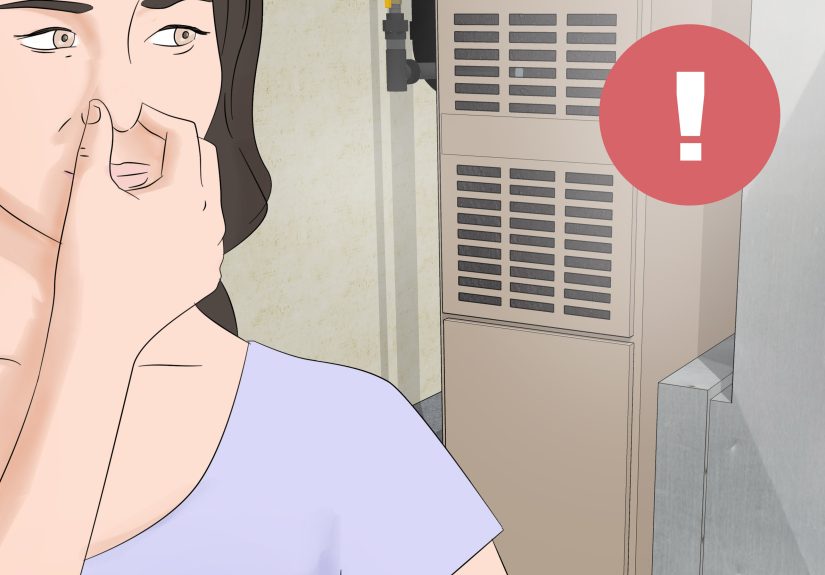
- Smell gas? Leave the house and call your gas utility or 911 from outside. Don’t flip switches.
- Carbon monoxide (CO) alarm sounding or anyone feels dizzy, nauseated, or “flu-like” without the flu? Get outside to fresh air and call emergency services.
- Not comfortable around electricity or gas equipment? Skip to When to call an HVAC pro.
Step 1: Identify the “style” of failure
“Furnace not turning on” can mean three different things. Figure out which one you have (it saves time and sanity):
- Totally silent: no fan, no clicks, no lights.
- Tries to start, then stops: you hear it attempt ignition and then quit.
- Runs, but no heat: blower runs but the air is cool or barely warm.
Step 2: The 10-minute checklist (most common fixes)
1) Thermostat: mode, setpoint, batteries
- Set it to HEAT and raise the temperature 3–5°F above the room temperature.
- If it’s programmable/smart, override schedules (Eco/Away/Hold can quietly sabotage you).
- Replace thermostat batteries if the screen is dim/blank or the thermostat acts “glitchy.”
Quick reality check: If the thermostat is set to 68°F and your room is 69°F, your furnace is not broken. It’s just obeying.
2) Breaker and power: reset the right way
- Check the breaker labeled furnace, HVAC, or air handler.
- If tripped, push it fully to OFF, then back to ON.
- If it trips again, stoprepeated tripping suggests an electrical or motor problem.
3) The “mystery light switch” near the furnace
Many furnaces have a service switch that looks exactly like a normal wall switch. Make sure it’s ON. If it is, flip it OFF for 10 seconds, then back ON to power-cycle.
4) Blower door/access panel: seat it firmly
If the door isn’t latched correctly after a filter change or quick inspection, the door safety switch won’t engage and the furnace won’t run. Reseat the panel until it sits flush.
5) Air filter: the tiny rectangle that can shut down your whole system
A clogged filter restricts airflow and can overheat the furnace, tripping the high limit switch (a safety shutdown). Replace the filter with the correct size and airflow direction.
6) Vents and returns: don’t choke the system
Open supply vents and make sure large return grilles aren’t blocked by furniture, rugs, or “creative” storage.
Step 3: If the furnace is totally silent
After the checklist above, look for any indicator light through the furnace’s viewing window. No light often means no power (breaker, switch, door switch, wiring).
Try a safe power cycle:
- Turn furnace power OFF (switch or breaker).
- Wait 30–60 seconds.
- Turn it back ON and wait a few minutes (some units have a built-in delay).
Step 4: If it tries to start, then stops
1) Dirty flame sensor (classic: lights, then quits)
If burners light for a few seconds and then shut off, the flame sensor may not be proving flame. Many homeowners can clean it:
- Power off the furnace.
- Locate the flame sensor near the burners (a small metal rod with a wire).
- Remove it and gently clean the rod with a fine abrasive pad.
- Reinstall, restore power, and test.
Tip: If you’re not comfortable opening the burner compartment, skip this step and call a pro. (No shamejust good judgment.)
2) Ignition problems (no flame at all)
If you hear the inducer fan but never see flame, the hot surface igniter may be weak or failed (or spark ignition isn’t lighting). Igniters are fragilethis is often an HVAC repair job.
3) Airflow/overheating: the high limit switch is protecting the furnace
If the furnace runs briefly and then shuts down while the blower keeps going, suspect overheating. Fix airflow first (filter, open vents). If it continues, call a technicianrepeated overheating can damage components.
4) High-efficiency venting/pressure switch issues
Modern furnaces use intake/exhaust piping (often PVC). Snow, ice, nests, or debris can block vents and prevent ignition. Clear visible blockage outside. If icing or blockages keep happening, a pro should evaluate the vent setup.
5) Condensate drain or pump problems
High-efficiency furnaces produce water. If the drain clogs or the condensate pump fails, a float switch may shut the system down. If you see pooling water, turn the system off and call for service if you can’t safely clear the drain.
Step 5: If it runs, but you’re still cold
- Thermostat fan set to ON can make air feel cool between heating cyclestry AUTO.
- One cold room vs whole house can hint at duct/register issues.
- For gas furnaces, verify the gas shutoff valve near the furnace is open (handle parallel to the pipe). After a gas interruption, the system may need a professional reset.
Electric furnace note (if you don’t have gas)
Electric furnaces don’t have a flame sensor, igniter, or gas valve, so troubleshooting shifts:
- Power is still king: breaker, disconnect, and service switch.
- Heating elements can fail (and some systems have multiple elements), causing weak heat or no heat.
- A tripped high limit switch from restricted airflow can still shut down heat.
If your blower runs but heat never comes on, it may be an element, sequencer, relay, or control issueusually a technician job because it involves high voltage.
A quick “what should I hear?” ignition timeline (gas furnaces)
Knowing the typical startup sequence helps you spot where it fails:
- Thermostat calls for heat.
- Inducer fan starts (clears the heat exchanger).
- Pressure switch proves venting.
- Igniter glows (or spark ignites).
- Gas valve opens, burners light.
- Flame sensor proves flame.
- Blower starts and warm air moves through the ducts.
Where it stops tells you a lot: No inducer suggests power/control issues; inducer with no ignition suggests igniter/venting/gas supply; flame that lights then dies suggests flame sensing or airflow/limit switch problems.
Quick symptom-to-cause chart
| What you notice | Most likely causes |
|---|---|
| Thermostat screen blank | Thermostat batteries, power issue, tripped breaker |
| Furnace totally silent | Service switch off, breaker tripped, door switch open |
| Inducer runs, then nothing | Pressure switch, vent blockage, control issue |
| Igniter glows but no flame | Gas supply/valve, safety lockout, control board |
| Flame lights then shuts off quickly | Flame sensor dirty, grounding issue, airflow/limit switch |
| Blower runs with cool air | Fan set to ON, ignition failure, heat not being produced |
Use error codes like a cheat sheet
Many furnaces have an LED that blinks a code (blink-blink-pause, etc.). The legend is often on the inside panel. Snap a photo of the patternthis can quickly confirm whether you’re dealing with ignition, pressure switch, or limit switch issues.
When to call an HVAC pro
Call a licensed technician if:
- You smell gas, a CO alarm sounds, or anyone has possible CO symptoms.
- The breaker repeatedly trips.
- You suspect igniter, gas valve, control board, blower motor, or pressure switch issues.
- The furnace overheats or short-cycles even after a new filter and clear vents.
- You see water damage, burning smells, or scorched wiring.
Prevent the next no-heat surprise
- Check the filter monthly during heavy heating season; replace as needed.
- Keep returns and vents clear.
- Keep intake/exhaust terminations clear outside (high-efficiency units).
- Schedule annual furnace maintenance before winter.
DIY lines you shouldn’t cross
- Don’t bypass door switches, pressure switches, or limit switches.
- Don’t adjust gas valve settings or attempt internal gas repairs.
- Don’t keep resetting a unit that’s locking outlockouts exist for safety.
Instead, document what you see (sounds, timing, error codes) and call a pro when needed.
How to make a service call faster (and often cheaper)
Before you call, jot down:
- Furnace brand/model (a photo of the data plate is perfect).
- What happens during startup (silent vs tries vs runs but no heat).
- Any LED blink code.
- Recent changes (new thermostat, power outage, renovations, storm/snow).
- Whether you replaced the filter and confirmed vents/returns are open.
Clear details reduce guesswork and help the technician bring the right parts.
Real-World Experiences and the Big Takeaway
If you’ve ever wondered why HVAC companies get a flood of calls on the first cold weekend, here’s the secret: a furnace that’s been idle for months is basically waking up from a nap and stretching every safety sensor at once. The patterns below show up again and againand they’re comforting, because they’re often fixable.
1) “The thermostat is on HeatI checked!”
It was on Heat… but the schedule was in Eco mode. The setpoint was lower than the room temperature, so the furnace had no reason to start. Once the homeowner raised the temperature a few degrees and disabled the schedule temporarily, heat came back instantly.
Takeaway: When diagnosing, force a heat call by raising the setpoint above room temp and pausing schedules.
2) The breaker that didn’t look tripped
Many breakers trip into a middle position. It can look “on” at a glance, but it’s not delivering power. A proper reset (OFF all the way, then ON) fixed the issue. In the cases where the breaker tripped again, the real fix wasn’t another resetit was a technician finding a stressed blower motor capacitor or a wiring problem.
Takeaway: Reset once. If it trips again, stop and get professional help.
3) The “why is there a light switch next to my furnace?” moment
Someone bumped the furnace’s service switch while moving storage bins. The thermostat kept calling for heat, but the furnace stayed silent. Flipping that switch back on solved the mystery in five seconds.
Takeaway: Find and label the furnace switch now, not when your house is 55°F.
4) The door panel wasn’t seated after a filter change
The filter was replaced correctly, but the access panel wasn’t fully latched, so the door safety switch never engaged. The furnace refused to runexactly as designed.
Takeaway: If you opened the furnace recently, double-check the door alignment before you assume something “broke.”
5) “It lights, then shuts off”the flame sensor story
Homeowners describe a quick burst of hope: burners ignite, then die. Cleaning the flame sensor often resolves it, especially early in the season when dust and oxidation have built up.
Takeaway: If ignition happens briefly and then stops, think flame sensor or airflow/limit switchsafety systems doing their job.
6) Snow and ice choked a high-efficiency vent
After a storm, the PVC vent outside was buried. The furnace tried to start, but the pressure switch prevented ignition because it couldn’t vent properly. Clearing the area around the vent termination restored operation.
Takeaway: If you have intake/exhaust pipes outside, check them after storms.
7) Water near the furnace meant “no heat” by design
A clogged condensate drain or a failed condensate pump can trigger a float switch, shutting the system down to prevent overflow and damage. People often find a small puddle and assume it’s “just humidity”until the heat stops.
Takeaway: Water around the furnace is a real problem. Turn the unit off and fix the drain/pump issue before it damages electronics.
Big takeaway: Most furnace problems follow patterns. Start with power and thermostat basics, protect airflow, and let the symptoms guide you. If you hit gas, electrical, or repeated safety shutdown territory, call an HVAC prowarm is wonderful, but safe is mandatory.