Table of Contents >> Show >> Hide
- Quick Verdict
- Brand Snapshot: What Garden of Life Is (and Isn’t)
- Certifications and Testing: The Real Reason People Buy This Brand
- Product Lines That Define Garden of Life
- How Garden of Life Compares to Other Supplement Brands
- Potential Downsides (Because Every Brand Has Them)
- How to Choose the Right Garden of Life Product
- Best Picks by Goal (Practical Suggestions)
- FAQ: The Questions People Actually Ask
- Conclusion: So, Is Garden of Life Worth It?
- Experience Section (Long-Form): What Using Garden of Life Can Feel Like in Real Life
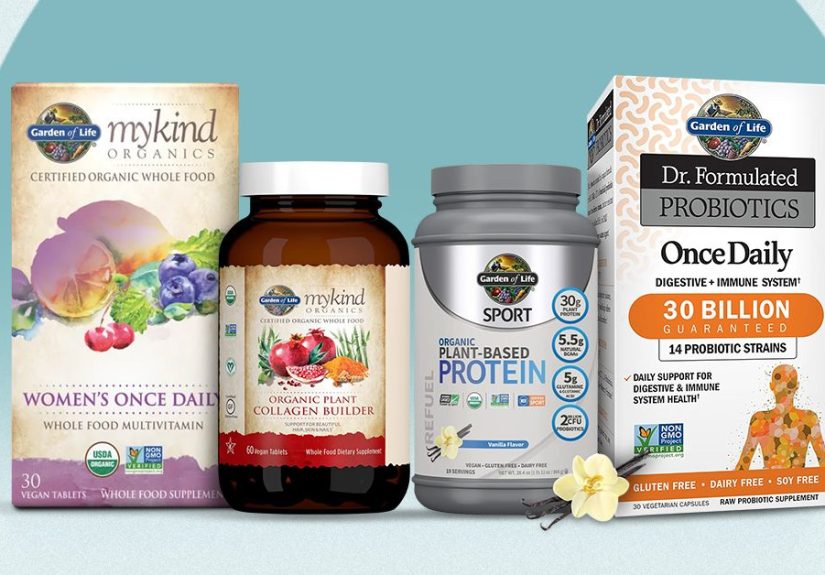
If you’ve ever stood in the supplement aisle holding two bottles and whispering, “Why do you both have 47 promises and a fern on the label?”welcome. Garden of Life is one of the biggest names in the “clean,” whole-food-style supplement world, known for heavy use of third-party certifications, organic/non-GMO positioning, and product lines that sound like they could also be indie bands (mykind Organics, Vitamin Code, Dr. Formulated, RAW).
This expert review breaks down what Garden of Life does well, where the fine print matters, and how to choose the right product without turning your kitchen into a vitamin graveyard. We’ll cover quality/testing, certifications, key product categories, value, and practical tipsplus a longer experience-based section at the end.
Quick Verdict
- Best for: People who prioritize organic/non-GMO options, prefer “whole-food” style formulas, want certified products (gluten-free/vegan/NSF for Sport depending on the item), and like clearly segmented product lines.
- Not ideal for: Shoppers who want the cheapest basic multivitamin, people who need USP-Verified-style simplicity, or anyone sensitive to high-potency blends, botanicals, or probiotic add-ons.
- Overall: Strong brand for certification-forward supplementsespecially mykind Organics, select probiotics, and some Sport itemsprovided you match the product to your actual needs (not your “I saw a TikTok” needs).
Brand Snapshot: What Garden of Life Is (and Isn’t)
Garden of Life markets itself around “real food” ingredients, traceability, and third-party certifications. The brand became part of Nestlé Health Science after Nestlé acquired Atrium Innovations (the then-owner of Garden of Life) in December 2017. That acquisition still matters to some shoppers: for a few, it boosts confidence in resources and scale; for others, it raises “will the values change?” questions. Brand messaging has emphasized continuity of mission and standards.
What “whole-food” supplements typically mean here
In practice, Garden of Life products often combine vitamins/minerals with blends of fruits, vegetables, herbs, enzymes, and/or probiotics. That doesn’t magically turn a capsule into a salad, but it can matter to people who prefer formulas with food-based cofactorsor who simply tolerate these products better than stark, isolated synthetics.
Certifications and Testing: The Real Reason People Buy This Brand
Garden of Life leans hard into third-party certifications. That’s not just marketing confetticertifications can reduce guesswork by verifying claims (like organic or gluten-free) through outside standards rather than vibes.
Common third-party certifications you’ll see on many products
- USDA Organic: Often tied to the mykind Organics line and select powders.
- Non-GMO Project Verified: Common across multiple lines, especially organic-focused items.
- Certified Vegan / Gluten-Free: Varies by product; check the front label and Supplement Facts panel carefully.
- NSF Certified for Sport (select items): Some Sport products (and some other products listed in the NSF database) are certified to help athletes avoid banned substances.
- B Corp certification: Indicates the company has met social/environmental performance standards under the B Lab framework.
- Carbon-neutral claims: The brand has promoted third-party certification related to carbon neutrality at the brand/product level in recent years.
Testing and quality control (what matters most)
When you’re reviewing supplements, the most important questions aren’t “Does it have 19 superfoods?” but:
- Does it contain what the label says, in the stated amounts?
- Is it screened for contaminants (like heavy metals, microbes, pathogens)?
- Is it produced under dietary supplement cGMP expectations?
Garden of Life (and independent reviewers summarizing the brand’s practices) has described third-party testing for label-claim accuracy, keeping certificates of analysis (COAs) for raw materials, and testing finished products for contaminants such as heavy metals and microbial/pathogen concerns. This matters because U.S. dietary supplements are not pre-approved for safety/effectiveness before sale in the way many people assume; quality and verification become the consumer’s homework.
Product Lines That Define Garden of Life
1) mykind Organics
If you want the “clean label greatest hits,” this is usually where you start. mykind Organics products commonly emphasize USDA Organic + Non-GMO Project Verified + vegan/gluten-free positioning (varies by item). You’ll see multis (men/women), vitamin D, turmeric, gummies, and targeted formulas. The pitch is simple: organic, recognizable sourcing, and fewer sketchy fillers.
Who it fits: People who want organic supplements and are picky about certifications.
Watch-outs: Some formulas include botanicals (like turmeric blends) that can interact with medications. “Organic” also doesn’t automatically mean “better for your body”it mostly speaks to agricultural standards and ingredient sourcing.
2) Vitamin Code
Vitamin Code products are known for combining vitamins/minerals with “RAW” blends (powdered fruits/vegetables), plus probiotics and enzymes in certain formulas. The upside: some users like the “food cofactor” idea and find these formulas gentler. The downside: extra blends can complicate things if you have sensitivities or if you want a minimalist, medical-style multi.
Who it fits: People who want a multi with added digestive-style extras.
Watch-outs: These can be more expensive per serving, and not everyone needs enzymes/probiotics bundled into a vitamin.
3) Dr. Formulated Probiotics
Garden of Life’s Dr. Formulated probiotics are often sold as targeted “Once Daily” options (women/men/mood, etc.) with CFU counts and multiple strains. Probiotics are a category where details matter: strain selection, CFU at expiration (not just “at time of manufacture”), storage requirements, and how your body responds in the first 1–2 weeks.
Who it fits: People actively shopping probiotics and comparing strain counts/CFUs.
Watch-outs: Some people feel gassy/bloated at first (often temporary). Immunocompromised individuals should consult a clinician before using probiotics.
4) RAW Organic Protein (plant-based powders)
Garden of Life’s plant protein powders are a major drawespecially for people who want organic, vegan, and third-party certification signals. Many blends rely on peas plus sprouted grains/seeds/legumes. Texture and taste vary by flavor and by your mixing method (shaker bottle vs blender, water vs oat milk, etc.).
Who it fits: People who want an organic plant-based protein with a certification-forward label.
Watch-outs: Plant proteins can be gritty; also check added sweeteners and fiber if you have a sensitive stomach.
5) Sport line (performance-focused)
For athletes, the Sport line is the most interesting because select items highlight NSF Certified for Sport and related anti-banned-substance testing frameworks. That’s a big deal in a supplement market where contamination risk is real, and where some products have failed testing in broader industry discussions.
Who it fits: Competitive athletes and anyone who wants extra assurance on sport supplements.
Watch-outs: “Pre-workout” formulas can be stimulant-heavy. If you’re sensitive to caffeine (or under 18), be extra cautious and talk to a trusted adult/clinician.
How Garden of Life Compares to Other Supplement Brands
Garden of Life tends to sit in a premium lane. You often pay more for certifications, organic sourcing, and complex formulations (probiotics/enzymes/botanicals). If your priority is basic nutrient coverage at the lowest cost, a simpler, widely-available multivitamin might win. If your priority is certification-forward, organic-leaning supplements, Garden of Life is frequently in the short list.
Dietitian-led roundups from major health publishers often place Garden of Life as a strong option in categories like gluten-free vitamins or certain multivitamin segmentsusually with the caveat that “best” depends on your specific needs and tolerances.
Potential Downsides (Because Every Brand Has Them)
1) Price creep
Certifications and organic inputs can raise cost. The question is whether you’re paying for value you actually need. If you’re buying “organic magnesium” (magnesium is a mineral), you might be paying for the surrounding formula rather than the mineral itself.
2) Busy formulas can be a double-edged sword
Fruit/vegetable blends, herb stacks, enzymes, and probiotics can be helpful for somebut for others they cause stomach upset or complicate allergen/sensitivity management. If you’re troubleshooting symptoms, simpler is often smarter.
3) “Natural” doesn’t mean “no interactions”
Botanicals like turmeric, ashwagandha, or concentrated herbal extracts may interact with medications or be inappropriate for certain conditions. If you’re pregnant, breastfeeding, have a medical condition, take prescriptions, or you’re buying supplements for a teen, ask a clinician first.
4) Supplement expectations can get unrealistic fast
Supplements are meant to supplementnot replacefood, sleep, or medical care. The best multivitamin in the world won’t outsmart a diet made mostly of energy drinks and hope.
How to Choose the Right Garden of Life Product
Step 1: Pick the category you actually need
- Multivitamin: For general coverage, dietary gaps, or life-stage support (women’s/men’s, etc.).
- Vitamin D / B12 / Iron: For targeted needsbut ideally based on labs or clinician guidance.
- Probiotic: For digestive routine support, travel routines, or specific gut goals (discuss with a clinician if you have health issues).
- Protein powder: For convenience when protein intake is hard to hit with food alone.
- Sport-certified items: If you’re an athlete or want higher confidence testing.
Step 2: Match your preferences to certifications
If you need gluten-free certainty, look for a clear certification mark. If you’re vegan, confirm the vegan certification (not just “plant-based” vibes). If you’re competing in sport, prioritize NSF Certified for Sport items where possible.
Step 3: Audit the label like a friendly detective
- Check serving size (sometimes it’s 2–4 capsules).
- Scan for mega-doses that exceed your needs.
- Look for “proprietary blends” if you prefer exact amounts.
- Check allergens and sweeteners (especially in gummies and powders).
Best Picks by Goal (Practical Suggestions)
For “I want organic and simple” shoppers
Try: mykind Organics multis or single-nutrient basics like vitamin D (if appropriate for you). These tend to align with the brand’s strongest certification story.
For people who want a “whole-food” style multi
Try: Vitamin Code optionsespecially if you like the inclusion of food blends and digestive-style add-ons.
For athletes or the “I don’t want mystery ingredients” crowd
Try: Garden of Life Sport items that are NSF Certified for Sport. This is one of the most meaningful differentiators in the performance category.
For plant-based protein routines
Try: RAW Organic Protein if you want organic + vegan positioning. Mix in a blender with ice and a banana if texture bugs youyour taste buds deserve rights, too.
FAQ: The Questions People Actually Ask
Are Garden of Life supplements “better” than other brands?
They can be a great choice if you value certifications, organic sourcing, and brand transparency. But “better” depends on your budget, your needs, and how you tolerate complex formulas.
Do I still need to be careful with supplements in the U.S.?
Yes. Dietary supplements don’t go through pre-market approval for safety/effectiveness the way many people assume. That’s why third-party certification and careful label reading matter so much.
Can teens take these supplements?
Some products may be appropriate, but teens should involve a parent/guardian and ideally a clinicianespecially for high-dose vitamins, iron, botanicals, or stimulant-style products.
Conclusion: So, Is Garden of Life Worth It?
Garden of Life’s biggest strength is not a trendy ingredientit’s the certification-forward, verification-first approach across many products, plus organic/non-GMO emphasis that a lot of mainstream brands can’t match at scale. The tradeoff is cost and complexity: some formulas are “kitchen-sink” blends that are perfect for some people and annoying for others.
If you choose carefullymatching the product to your goal, sticking to sensible doses, and prioritizing certified items when it mattersGarden of Life can be a smart, high-quality supplement brand to build a routine around. Just don’t buy three products that all contain the same nutrient “for extra coverage.” That’s not wellness; that’s expensive math.
Experience Section (Long-Form): What Using Garden of Life Can Feel Like in Real Life
Let’s talk about the part reviews often skip: the day-to-day experience. Not the marketing “sunrise yoga on a cliff” experiencemore like the “I’m trying to remember if I already took my multivitamin and now my dog is judging me” experience. Below are common, experience-based patterns people report when building a routine around Garden of Life products. Consider this a realistic field guide, not medical advice.
The “first week” phase: small changes, big opinions
Many people start with a multivitamin (often mykind Organics or Vitamin Code) and notice the biggest shift isn’t a dramatic energy surgeit’s a smoother baseline. Some describe it as fewer “afternoon slumps,” especially if they were inconsistent with nutrients like B vitamins, vitamin D, or iron (when appropriate). Others feel nothing at all, which is also a valid outcome. Supplements aren’t fireworks; they’re more like batteriesuseful, but only noticeable when you were running low.
With probiotic products (like Dr. Formulated or RAW probiotics), the first week is where the group chat splits into two teams: Team “I feel fine” and Team “Why is my stomach composing jazz?” Mild gas or bloating can happen early on for some users. A practical approach is to start at the suggested dose, take it with food, and give your body a short adjustment window. If you have a sensitive digestive system, some people prefer beginning on a weekend or during a low-stress week rather than right before a big exam, tournament, or travel day.
The “week two to four” phase: routines get honest
By the second or third week, the biggest factor becomes consistency. People who keep the bottle somewhere visible (next to the coffee, toothbrush, or water bottle) tend to stick with it. People who hide it in a cabinet “to look organized” often forget it existslike produce in the crisper drawer. A surprisingly common experience: someone buys a premium supplement, uses it perfectly for 10 days, then disappears from the routine like a sitcom character who went upstairs and never came back.
Protein powders bring their own reality check. Garden of Life plant-based options often mix best with a blender, especially if you dislike gritty textures. In a shaker bottle, some users love it, some tolerate it, and some immediately decide they need to “upgrade their blender situation.” Flavor matters, too: vanilla tends to be more flexible (smoothies, oats, baking), while chocolate usually works best with richer add-ins like peanut butter, banana, or cold brew. People who keep it simplewater + powder + icemay find taste satisfaction varies by batch and palate. The most successful routine is the one you’ll actually drink.
The “what I wish I knew earlier” lessons
- Stacking can sneak up on you: A multi + immune gummy + greens powder can unintentionally double up nutrients. More isn’t always better.
- Take notes like a scientist, not a poet: If you’re trying a probiotic, jot down 1–2 simple markers (comfort, regularity, bloating). It prevents “I think it helped?” confusion later.
- Timing is personal: Some people prefer multis with breakfast; others do better with lunch. If a supplement causes nausea, taking it with food is often a practical fix.
- Travel reveals your true routine: Shelf-stable products are convenient, but consistency is still the main ingredient.
A realistic “30-day” story arc
A very typical pattern goes like this: Week 1 is excitement and label-reading. Week 2 is either “I feel subtly better” or “I feel nothing but I’m committed.” Week 3 is where many people notice the habit benefits (better routine, more water, more mindful eating) alongside the supplement. Week 4 is the decision point: keep it, simplify it, or switch to a different product that better matches the goal.
And that’s the most honest takeaway: Garden of Life often works best when it’s part of a simple, consistent routine. The brand shines when you choose one solid product (an organic multi, a targeted probiotic, or a certified sport item) and give it time. The worst-case scenario is buying five products at once and then trying to figure out which one helpedbecause at that point you’re not supplementing; you’re hosting a confusing science fair in your pantry.