Table of Contents >> Show >> Hide
- Why Gardening by Region Works Better Than Gardening by Vibes
- Gardening by Region Across the United States
- Northeast and New England: Short Season, Big Ambitions
- Midwest and Great Lakes: Big Weather, Real Winters, and Fast Summers
- Southeast and Mid-Atlantic: Long Season, Heavy Humidity, Serious Disease Pressure
- Florida and the Deep South: When Winter Becomes Gardening Season
- Southwest Desert: Plant Fast, Shade Smart, Water Wisely
- Mountain West and High Elevation: Gorgeous Scenery, Ruthless Growing Conditions
- Pacific Coast and Marine West: Mild Winters, Dry Summers, Long Possibilities
- California and the Interior West: Microclimates Are the Main Character
- How to Build a Regional Gardening Plan That Actually Works
- Common Mistakes in Gardening by Region
- Experience and Lessons from Real-World Regional Gardening
- Conclusion
- SEO Tags
Gardening would be a lot easier if every tomato, tulip, and zucchini agreed to behave the same way from Maine to Miami. Sadly, plants are not that cooperative. A gardener in New Hampshire is counting frost dates like a nervous accountant, while a gardener in South Florida is growing lettuce when northern gardens look like a snow globe. That is exactly why gardening by region matters. It is not just a nice idea for organized people with labeled seed drawers. It is the difference between a thriving garden and a plot full of expensive optimism.
The smartest gardeners do not copy a random planting schedule from the internet and hope for the best. They study their USDA hardiness zone, local frost dates, heat patterns, humidity, rainfall, wind, elevation, and soil. In other words, they garden where they live, not where they wish they lived. This guide explains how regional gardening works across the United States, how to adjust your planting strategy for different climates, and how to avoid the classic mistake of treating Arizona like Ohio or Florida like Vermont. Your back, your budget, and your bewildered basil will all appreciate it.
Why Gardening by Region Works Better Than Gardening by Vibes
The first thing to understand is that a hardiness zone is helpful, but it is not the whole story. A zone mainly tells you how cold a place gets in winter and whether many perennial plants are likely to survive. It does not tell you whether your summers are humid enough to grow mildew like it is a hobby, dry enough to crisp tender seedlings by noon, or windy enough to make a young pepper plant reconsider its life choices.
That is where gardening by climate and region becomes more useful than gardening by state lines. Two gardeners in the same state may have completely different conditions because of elevation, coastal influence, urban heat, nearby water, or a frost pocket in the backyard. The result is simple: plant selection and timing should be regional, local, and a little bit nosy about your own yard.
Your Four Best Clues Before You Plant Anything
- Know your USDA zone. It helps with perennial survival and long-term plant choices.
- Know your average last spring frost and first fall frost. This tells you when to plant cool-season and warm-season crops.
- Know your heat and moisture pattern. Humid South, dry desert, marine coast, and mountain cold all change what grows well.
- Know your microclimates. A south-facing wall, a windy corner, or a low cold spot can change everything.
Gardening by Region Across the United States
Northeast and New England: Short Season, Big Ambitions
In the Northeast, the growing season can feel like a sprint with snacks. Cold winters, cool springs, and relatively early fall frosts mean timing matters. Gardeners in places like New Hampshire often wait until around Memorial Day as a conservative benchmark for the last frost before setting out tender crops such as tomatoes, peppers, and basil. That makes seed starting indoors especially valuable in this region.
Cool-season crops are the overachievers here. Lettuce, peas, broccoli, cabbage, onions, spinach, and radishes usually perform beautifully in spring and again in late summer for fall harvest. Raised beds warm more quickly in spring, black plastic or mulch can nudge soil temperatures upward, and row covers buy precious time on both ends of the season. If you garden in New England, you learn quickly that “I’ll plant it next weekend” can translate into “I guess I’ll try again next year.”
Another common regional factor is soil. In much of New England, soils lean acidic, so testing your soil before throwing random bags of amendments at it is one of the most boring and useful things you can do.
Midwest and Great Lakes: Big Weather, Real Winters, and Fast Summers
Midwest gardening is defined by contrast. Winters are cold, spring can be indecisive, and summer can switch from pleasant to frying-pan in a hurry. In states like Minnesota, cool-season crops can go in early, while warm-season vegetables generally wait until after the last frost, often in mid-to-late May. The typical season is not endless, so gardeners get good at stacking the odds in their favor.
This is prime territory for season extenders. Cold frames, floating row covers, low tunnels, and soil-warming mulches help stretch production on both ends of the calendar. Succession sowing is also a smart move. Plant lettuce, beans, carrots, or beets in smaller rounds instead of all at once so you are not eating the same thing heroically for three straight weeks and then nothing at all.
The Midwest also rewards practical planning. Use your frost dates, then back into your seed-starting schedule. Planting by region here means respecting the calendar, not arguing with it.
Southeast and Mid-Atlantic: Long Season, Heavy Humidity, Serious Disease Pressure
The Southeast gives gardeners something northern growers envy: a long growing season. It also gives them humidity, pests, foliar diseases, and summers that feel like the air is wearing a wet sweater. In places like South Carolina, gardens need strong sun, smart spacing, crop rotation, and easy access to water.
This region can grow warm-season crops with impressive vigor. Tomatoes, peppers, okra, sweet potatoes, southern peas, eggplant, and herbs all love the extended warmth. But the trick is not just planting them. The trick is keeping them healthy. Humid conditions make airflow essential, so crowding plants may produce a lush jungle that looks productive right up until it becomes a fungal support group.
Spring and fall are both valuable seasons in the Southeast. Cool-season crops often perform better in shoulder seasons than in the peak of summer. That means gardeners who only think in terms of a big spring planting miss some of the best opportunities of the year.
Florida and the Deep South: When Winter Becomes Gardening Season
Florida laughs politely at most mainland planting advice. The state is so climatically diverse that the University of Florida provides separate gardening calendars for North, Central, and South Florida. That should tell you everything you need to know. Gardening by region in Florida is not optional; it is survival.
In North and Central Florida, many frost-tender vegetables go in around March for spring gardens, while fall is an excellent time for cool-season crops. In South Florida, “spring vegetables” are often grown in fall and winter instead. Yes, that means one gardener is brushing frost off kale while another is planting lettuce in December and acting completely normal about it.
Heat-loving crops like okra and sweet potatoes can shine in summer, but disease cleanup, mulching, and soil care matter because pests and pathogens never seem fully off duty. The Deep South also rewards gardeners who think in waves: a spring garden, a summer strategy, and a fall reboot.
Southwest Desert: Plant Fast, Shade Smart, Water Wisely
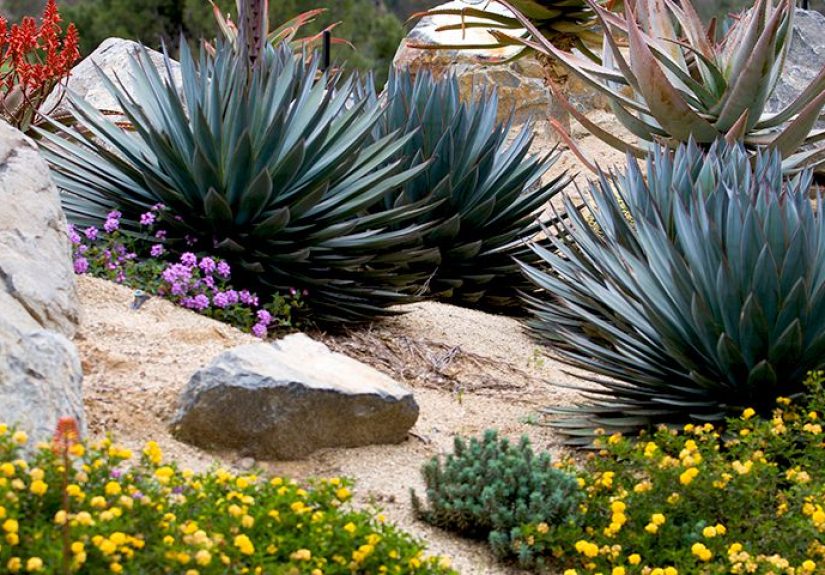
Desert gardening is where gardening advice from cooler regions goes to fail dramatically. In low-desert areas such as Maricopa County, gardeners often work with two main growing windows: one in spring and one in fall. High day and night temperatures, low humidity, and extreme sun intensity can stress plants quickly, especially if timing is off.
In the desert, the question is not just “Can I grow this?” but “When can I grow this without cooking it?” Cool-season crops often thrive from fall into spring. Warm-season crops need smart timing, mulch, irrigation, and sometimes shade cloth. Containers are useful, but they dry faster and heat up more quickly than in-ground beds, so they require closer attention.
Desert landscapes also teach humility about soil. Alkaline soils, hardpan, rocky ground, and drainage issues are common. This is a region where a soil thermometer, drip irrigation, mulch, and afternoon shade can be more useful than motivational speeches. The good news is that regional knowledge changes everything. Once you plant for the desert calendar instead of the national fantasy calendar, results improve fast.
Mountain West and High Elevation: Gorgeous Scenery, Ruthless Growing Conditions
Mountain gardening is beautiful, dramatic, and occasionally rude. At higher elevations, the growing season shrinks fast. Colorado State notes that temperatures drop about 3.5 degrees Fahrenheit for every 1,000 feet of elevation gain, and some mountain areas have fewer than 90 frost-free days. That is not a lot of time for a pumpkin to become the glorious porch celebrity it thinks it deserves to be.
High-elevation gardening favors short-season, cold-tolerant, quick-maturing varieties. Transplants help you cheat the clock. Row covers, cloches, walls that reflect heat, and wind protection all matter. Warm-season crops can be tricky because cool nights reduce the heat accumulation they need. Bush beans and summer squash often succeed more reliably than melons or long-season peppers.
In mountain regions, local adaptation matters even more than national zone maps. Elevation, slope, sun exposure, and cold-air drainage can vary dramatically within short distances. One garden may feel forgiving while another two miles away behaves like a botanical obstacle course.
Pacific Coast and Marine West: Mild Winters, Dry Summers, Long Possibilities
The Pacific Coast is one of the few parts of the country where gardeners can look suspiciously relaxed for much of the year. In marine climates such as the Portland area, winters are comparatively moderate, temperatures often shift gradually, and the outdoor planting season can stretch impressively long. Some West Coast gardens can support nearly year-round production if planting is staggered correctly.
But this region comes with its own rulebook. The wet season and dry season matter. In Mediterranean-style climates, winter and spring bring moisture while summer irrigation becomes essential. That means summer watering is not a luxury; it is the engine of the garden. Gardeners who treat the West Coast like a rainy summer climate usually learn this the crispy way.
This region is ideal for succession planting, cool-season greens, brassicas, root crops, and repeated rounds of production. It is also one of the best places to get clever with crop rotation and overlapping harvest windows.
California and the Interior West: Microclimates Are the Main Character
California proves that a single state can contain multiple gardening universes. Coastal gardens may be mild and forgiving, inland valleys may be blazing hot, and foothills or high-desert areas can swing wildly between seasons. Water-wise landscaping is especially important here. Grouping plants with similar irrigation needs, using drip systems, and reserving extra water for high-value crops like vegetables and fruit trees makes a lot of sense.
This is also a region where microclimate gardening becomes a superpower. A courtyard, wall, slope, patio, or exposed ridge can create meaningful differences in plant performance. If you live in the West, your street address is only the opening chapter. Your yard writes the plot twist.
How to Build a Regional Gardening Plan That Actually Works
Choose Plants for the Season They Like
One of the biggest mistakes in home gardening is insisting on growing the same crops at the same time everywhere. Lettuce belongs in cool windows. Tomatoes, peppers, melons, and basil want warmth. Broccoli is not a summer enthusiast in Florida, and giant heirloom pumpkins are not guaranteed glory at 9,000 feet. Plant with the season your region gives you, not the season a social media reel suggested.
Use Microclimates Shamelessly
A south-facing wall can add warmth. A low pocket in the yard can trap cold air. Concrete and brick store heat. Windy corners slow growth and dry soil. Shade in the afternoon can save crops in hot climates. The best gardeners notice these details and use them. There is no prize for pretending your whole yard is identical.
Test Your Soil and Respect Your Water Supply
Soil testing is not glamorous, but it is one of the fastest ways to improve results. Sandy soils need organic matter and more frequent watering. Heavy clay needs structure and drainage help. Desert soils often bring alkalinity and heat. Some regions need lime, some need compost, and some need you to stop guessing. Water also behaves regionally. In Texas and desert climates, reliable irrigation is not optional. On the West Coast, dry summers mean irrigation planning should happen before you plant, not after your cucumbers send an SOS.
Plant in Waves, Not All at Once
Succession planting works almost everywhere. Sow smaller rounds of beans, carrots, lettuce, radishes, beets, and greens over time. In long-season regions, plan both spring and fall gardens. In short-season regions, use fast crops, transplants, and protective covers. This spreads out harvests, reduces waste, and gives you a second chance when weather or pests behave like tiny villains.
Common Mistakes in Gardening by Region
The first mistake is trusting the USDA zone as if it explains everything. It does not. The second is ignoring frost dates. The third is assuming a long growing season means effortless gardening. Long seasons can also mean higher pest and disease pressure. Another classic blunder is failing to adjust to heat. A plant that survives in your zone may still hate your summer nights, your humidity, your alkaline soil, or your dry wind.
Finally, many gardeners underestimate local timing. A planting chart for one county may not fit the next. Elevation changes, urban heat, lake effects, and coastal influence all matter. Regional gardening is less about following one perfect chart and more about learning the climate logic of your place.
Experience and Lessons from Real-World Regional Gardening
One of the funniest things about gardening by region is how quickly it turns confident people into weather detectives. A new gardener in the Northeast often starts with heroic plans for tomatoes, peppers, basil, melons, and maybe a fig tree because optimism is free. Then May arrives, the nights stay cold, and suddenly that gardener is outside at dusk tucking row cover around tomato cages like the plants are headed to bed camp. A month later, the same gardener becomes deeply smug about spinach, peas, and lettuce, because cool-season crops were quietly waiting to be the stars all along.
In the Southeast, the lesson is usually airflow. A garden can look lush, dramatic, and wildly successful right before humidity turns it into a mildew convention. Gardeners there learn to space plants farther apart than feels emotionally comfortable. They prune, rotate crops, mulch well, and water the soil instead of the leaves. It is not glamorous, but it saves a lot of heartbreak. Southern gardeners also understand the joy of the fall garden in a way many beginners miss. While other people mentally close the season after summer, experienced growers know that autumn can be the comeback tour.
Florida teaches an even stranger lesson: gardening schedules are not sacred, they are local. Someone moving from the Midwest to Florida often tries to plant a spring garden on a northern timetable and gets a rapid education from the heat. Then, after a year or two, they discover the magic of growing salad crops when friends up north are scraping ice off the windshield. Nothing makes a gardener feel powerful quite like harvesting lettuce in January.
The desert Southwest teaches respect. Not the cute kind. The serious kind. A gardener can put out seedlings on a warm, sunny day and come back by afternoon to find that the sun has delivered a very personal message. Desert gardeners get smart fast. They plant earlier or later, use shade cloth, favor morning sun, water consistently, and stop pretending every container is large enough. They also become connoisseurs of mulch, which is less an accessory and more a peace treaty with evaporation.
Mountain gardeners, meanwhile, become philosophers of short seasons. They celebrate fast-maturing varieties, harden off seedlings like professionals, and never trust a warm week in spring. They know summer is glorious but brief, and they plan accordingly. A pumpkin that needs forever to ripen is a gamble; kale is a friend. A cold frame is not a gadget; it is a strategy.
And on the Pacific Coast, gardeners often learn that mild weather is not the same thing as effortless weather. Long seasons are wonderful, but summer irrigation, crop rotation, and smart scheduling still matter. The big lesson across every region is this: successful gardeners stop fighting the place and start reading it. Once you do that, the garden gets less dramatic, more productive, and a lot more fun.
Conclusion
The best garden plan in America is not one universal calendar. It is a regional strategy built around your climate, your frost dates, your soil, your water, and your microclimates. Gardening by region helps you plant smarter, waste less, and grow crops that actually want to live where you live. That means fewer tragic tomatoes, fewer mystery failures, and a lot more food, flowers, and confidence. In the end, a good gardener does not force the landscape into submission. A good gardener pays attention, adjusts, and lets the region lead. Nature may still surprise you, but at least now you will be surprised with a plan.