Table of Contents >> Show >> Hide
- 1) Native Plants and Wildlife-Friendly Yards Go Mainstream
- 2) Pollinator Gardens Get Smarter (and More Specific)
- 3) Water-Wise Gardening and “Rainscaping” Take Center Stage
- 4) The Lawn Gets Reimagined (and Often… Reduced)
- 5) Naturalistic Design: The “Lived-In” Garden Aesthetic
- 6) Soil Health Is the New Flex: No-Dig, Composting, and Mulch Culture
- 7) Edible Landscaping Levels Up: Herbs, Berries, and Perennial Food Gardens
- 8) Small-Space and Container Gardening Gets Creative
- 9) Indoor Gardening Keeps Growing (Yes, That Pun Was Necessary)
- 10) Smart Gardening Tech Goes Practical
- 11) Gardening for Well-Being: Therapy, Community, and “Little Joy” Spaces
- 12) Climate-Resilient Design: Heat, Drought, and Fire Awareness
- Quick FAQs
- Conclusion: The Future Garden Is Useful, Resilient, and a Little Bit Joyful
- Experiences: What Gardeners Are Noticing on the Ground (A 500-Word Field Report)
Gardening in 2026 feels a little like modern life: a mix of “I need peace,” “I want snacks,” and “Why is the weather doing that now?” The good news is that today’s gardening trends aren’t just aestheticthey’re practical. People are building gardens that save water, support wildlife, grow food, and still look good enough to earn unsolicited compliments from the neighbor who never compliments anything.
This year’s biggest shifts can be summed up in one idea: the garden is becoming a multi-tool. It’s therapy, habitat, pantry, outdoor living room, stormwater sponge, and (if you’re lucky) a place where your tomatoes don’t immediately get eaten by something that was clearly born with a personal vendetta.
1) Native Plants and Wildlife-Friendly Yards Go Mainstream
“Plant native” has gone from niche advice to a headline trendbecause it works. Native plants are adapted to local conditions, tend to be resilient once established, and they support local food webs (pollinators, birds, beneficial insects). More gardeners are also building “habitat yards” instead of purely decorative landscapesadding host plants for butterflies, berrying shrubs for birds, and layers of vegetation for shelter.
What it looks like in real yards
- Pollinator borders with blooms across spring, summer, and fall (not just a “bee buffet” for two weeks in June).
- Bird-friendly plant choicesthink seed heads, berries, and structure, not only showy flowers.
- Less chemical dependency as gardeners prioritize insects and soil life.
Try it without overthinking it
Start with a small “native pocket”even a 3′ x 6′ bed can make a difference. Aim for variety: at least one early bloomer, one mid-season powerhouse, and one fall finisher. If your space is tiny, native container gardening is absolutely a thingmore pots simply means more habitat.
2) Pollinator Gardens Get Smarter (and More Specific)
Pollinator gardening is evolving beyond “plant purple stuff and hope.” Gardeners are learning that different pollinators need different resources: nectar and pollen plants, host plants for caterpillars, and (often forgotten) places to nest. The trend is moving toward intentional designcluster plantings, continuous bloom, and pesticide awareness.
What’s new in pollinator gardening
- Regional plant lists instead of one-size-fits-all recommendations.
- Bloom succession planning so pollinators aren’t abandoned mid-season.
- Habitat features like brush piles, stems left for overwintering insects, and shallow water sources.
Example: Instead of a single lavender plant doing all the work, gardeners are planting groups of the same species (better for pollinators and better visually) and mixing in native shrubs that provide both flowers and shelter.
3) Water-Wise Gardening and “Rainscaping” Take Center Stage
With weather swings and water costs on many people’s minds, water-wise landscaping is no longer just a desert-state specialty. “Rainscaping” is trending: designing landscapes to manage rainwater where it fallsslowing runoff, encouraging infiltration, and reducing strain on local waterways.
Popular water-smart features
- Rain gardens that capture runoff from roofs and hard surfaces.
- Dry creek beds and swales that guide water during storms.
- Drip irrigation and micro-irrigation for targeted watering.
- Soil moisture sensors and smarter scheduling so you’re not watering the driveway (again).
Quick win: upgrade your watering strategy
If you do one water-wise thing this season, focus on watering efficiency. Drip irrigation and micro-irrigation deliver water slowly at the root zone, reducing evaporation and runoff. Pair that with mulch, and you’ve basically built your plants a tiny savings account of moisture.
4) The Lawn Gets Reimagined (and Often… Reduced)
The classic “big green rectangle” is losing groundliterally. Gardeners are shrinking lawns and expanding planting beds, meadows, and mixed borders. This shift is driven by maintenance fatigue, ecological awareness, and a growing appreciation for landscapes that look alive instead of vacuum-sealed.
What replaces lawn
- Meadow-style plantings with grasses and long-blooming perennials.
- Groundcovers in places that don’t need foot traffic.
- Outdoor living zones (patios, seating areas) designed with permeable surfaces when possible.
Bonus trend: People are gardening in “forgotten” spacesparkways, curb strips, and awkward edgesturning them into mini habitats or pollinator corridors. It’s like finding money in your winter coat pocket, but greener.
5) Naturalistic Design: The “Lived-In” Garden Aesthetic
Perfect symmetry is getting replaced by softer, more natural layouts: winding paths, layered textures, and plant combinations that look like they belong together. This doesn’t mean chaos. It means designing with the rhythms of natureseasonality, movement, and gentle transitions.
How to get the look
- Layer heights: groundcovers, midsize perennials, and structural shrubs.
- Repeat a few plants for cohesion, then sprinkle in “character actors.”
- Leave breathing room: not every inch needs a plant today.
This trend pairs well with sustainability: naturalistic gardens often use native plants, reduce chemical inputs, and create better habitat. It’s the rare aesthetic that’s also an environmental strategy.
6) Soil Health Is the New Flex: No-Dig, Composting, and Mulch Culture
More gardeners are focusing on soil as a living systemnot just “dirt that holds roots.” Composting, mulching, and reduced tilling are trending because they build structure, support microbes, and help soil hold water. No-dig methods are especially popular for home vegetable beds: add compost on top, mulch, plant, repeat.
Why this trend is sticking
- Less work (your back sends a thank-you note).
- Fewer weeds when beds are mulched consistently.
- Better moisture retention and improved soil structure over time.
Specific example: a no-dig vegetable bed
Top-dress a raised bed with 1–2 inches of compost in spring, plant transplants or seeds, then cover bare soil with straw or shredded leaves. The soil life does the “mixing” over time. Your job is basically to not sabotage them.
7) Edible Landscaping Levels Up: Herbs, Berries, and Perennial Food Gardens
Edible gardening isn’t just backyard tomatoes anymore. Gardeners are blending food plants into ornamental spacesherbs in borders, blueberries as shrubs, strawberries as groundcovers, and espalier fruit trees as living art. This trend also includes more interest in perennial edibles and “food forest” thinking: layered plantings that provide harvests over years.
Easy edible upgrades
- Swap a shrub for blueberries (if your climate and soil allow) or another fruiting shrub.
- Edge beds with chives, thyme, or oregano for fragrance and low maintenance.
- Add a patio pot with peppers, cherry tomatoes, or salad greens.
There’s also a practical driver: households want more “value per square foot.” If a plant is pretty and edible, it’s basically pulling double shifts.
8) Small-Space and Container Gardening Gets Creative
Apartment balconies, stoops, patios, and tiny side yards are getting a gardening glow-up. Container gardening trends include mixing natives into pots, designing “modern meadow” containers with airy textures, and using vertical spacetrellises, wall planters, and stacked beds.
Container tips that prevent heartbreak
- Match pot size to plant ambition. Tiny pot + thirsty plant = daily watering job you didn’t apply for.
- Use quality potting mix and refresh it seasonally.
- Group containers to reduce evaporation and make watering easier.
Trend-friendly combo: a “wildlife container set” with a native flowering plant, a grassy texture plant, and a trailing plantplus a shallow water dish refreshed often.
9) Indoor Gardening Keeps Growing (Yes, That Pun Was Necessary)
Indoor gardening continues to riseespecially for herbs, leafy greens, and seed-starting. Countertop hydroponic systems and larger vertical indoor gardens appeal to people who want fresh harvests year-round, or who live where outdoor growing space is limited.
How people are using indoor systems
- Herb stations for cooking basics (basil, cilantro, parsley) without the “why did I buy this bundle” guilt.
- Salad greens for consistent, quick harvests.
- Seed-starting under lights to get a jump on the season.
Indoor growing is also part of a bigger trend: gardening as daily ritual. A quick water check and a snip of basil becomes a tiny moment of calmlike a houseplant version of a deep breath.
10) Smart Gardening Tech Goes Practical
“Smart garden” used to sound like a gimmick. Now it’s becoming genuinely usefulespecially for water management and maintenance. Gardeners are adopting tools that reduce waste, save time, and help them learn what’s happening in the yard.
Tech trends showing up in real life
- Soil moisture sensors and smarter irrigation controls.
- Robot lawnmowers (increasingly wire-free) for hands-off mowing.
- Bird and wildlife tech like smart feeders and cameras that turn backyards into mini nature documentaries.
The best tech trend is the one that actually makes gardening easierespecially during hot months when watering mistakes get expensive fast.
11) Gardening for Well-Being: Therapy, Community, and “Little Joy” Spaces
Another major trend is the garden as a place for mental reset. People are designing “restorative” outdoor spaces with shade, scent, gentle sound (water features), and seating that invites you to stay. Community gardening and neighborhood plant swaps continue to grow because they combine social connection with practical support.
Common well-being design choices
- Sensory plants (fragrant herbs, soft grasses, flowers that invite touch).
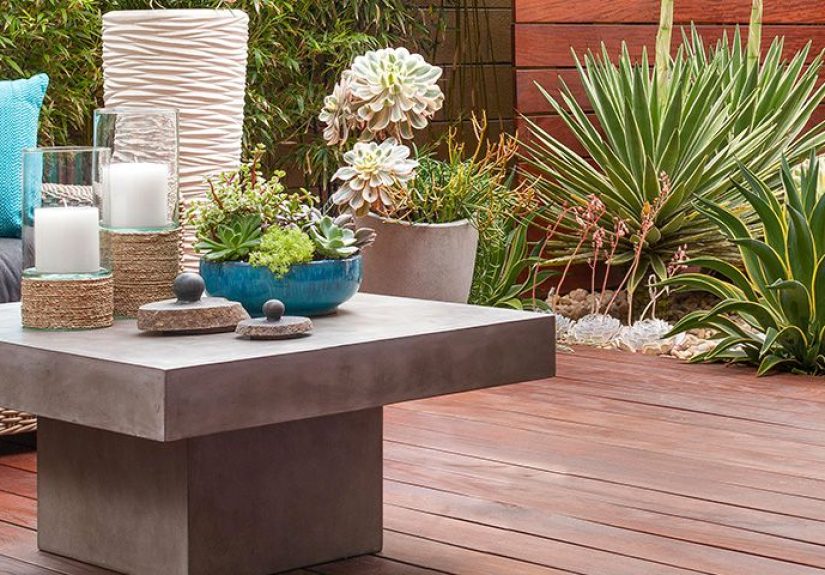
- Micro-retreats: a bench, a small table, a lanterndone.
- Low-maintenance structure so the garden doesn’t become another stress project.
If you’re thinking, “I don’t have time for a wellness garden,” congratulations: you are the exact target audience for a wellness garden.
12) Climate-Resilient Design: Heat, Drought, and Fire Awareness
Climate resilience is shaping plant choices and landscape layouts. Gardeners are paying more attention to heat tolerance, drought resilience, and (in some regions) fire-aware planting. The trend is toward gardens that survive tough seasons with fewer inputsusing region-appropriate plants, improving soil, and designing for water capture and shade.
Resilience moves that work almost everywhere
- Increase organic matter in soil so it holds water better.
- Choose plants suited to your conditions instead of fighting them.
- Use shade strategically with trees, trellises, or shade cloth for sensitive crops.
Quick FAQs
What’s the biggest gardening trend right now?
Wildlife-friendly gardeningespecially native plants and pollinator supportcombined with water-wise design. It’s the overlap of beauty, resilience, and doing something good without needing a PhD in horticulture.
Are “messier” natural gardens actually lower maintenance?
Often, yesonce established. They can look relaxed while still being intentional. The key is choosing plants that fit the site and using mulch or dense planting to keep weeds from taking over.
What trend has the fastest payoff for beginners?
Container gardening with herbs and easy flowers, plus mulch. You’ll see results quickly, learn watering habits, and get an immediate upgrade in both function and looks.
Conclusion: The Future Garden Is Useful, Resilient, and a Little Bit Joyful
Gardening trends aren’t just about what looks good on social media (though, sure, your zinnias are photogenic). The strongest trends right now share a theme: gardens that do more. They conserve water, support pollinators and birds, build healthier soil, and provide foodwhile still giving you that satisfying “I made this” feeling.
If you want to follow the trends without getting overwhelmed, pick one lane:
- Go native with a small pollinator bed.
- Go water-wise with drip irrigation and mulch.
- Go edible with herbs and a berry shrub.
- Go low-effort with no-dig soil building.
Then let your garden evolve. Because that’s the real trend: gardens that change with you, your climate, your schedule, and whatever mystery creature keeps nibbling your seedlings like it pays rent.
Experiences: What Gardeners Are Noticing on the Ground (A 500-Word Field Report)
1) The “small-space, big impact” balcony gardener. In dense cities, gardeners are treating balconies like micro-farms and mini-habitats. A common experience is the surprise of how much can grow in a few containers when watering is consistent and the plants match the site. One balcony setup might include a deep pot with a patio tomato, a trough of salad greens, and two medium pots of native flowers. The practical lesson people report is that container success comes down to three unglamorous things: pot size, sun exposure, and not letting the soil dry out completely. Add a saucer, a mulch layer, and a weekly feed plan, and suddenly a tiny balcony becomes a summer-long harvest and a pollinator stopover.
2) The suburban “less lawn, more life” converter. A common story: someone gets tired of mowing, looks at a patch of lawn that never thrives, and replaces it with a mixed bedoften natives plus a few favorite perennials. The first season can feel chaotic (new plants look small; weeds try to audition for a starring role), but gardeners frequently describe a turning point in year two, when plants fill in and maintenance shifts from constant mowing to occasional editing. Many also notice the wildlife change first: more bees, more butterflies, and birds showing up to investigate seed heads and berries. The unexpected experience is emotional: the yard feels “alive,” not just “kept.”
3) The water-wise gardener who stopped fighting the weather. In hotter or drier regions, gardeners increasingly talk about “acceptance gardening”choosing plants that can handle real conditions instead of forcing a thirsty landscape. People who switch to drip irrigation, deeper watering, and better mulch often say their stress level drops because they’re no longer in daily panic mode. They also notice that healthy soil becomes a secret weapon: compost and organic matter help plants handle heat spikes better than bare, compacted ground. The experience here is practical and financial: fewer replacements, fewer emergency watering sessions, and fewer “Why did I think hydrangeas would enjoy this full-sun spot?” regrets.
4) The pollinator gardener who learned “bloom timing” the hard way. Many gardeners start with a burst of summer flowers, then realize early spring and late fall are food gaps. After a season of watching pollinators disappear when blooms end, they begin planning for succession: spring ephemerals or early bloomers, summer mainstays, and fall finishers. A frequent experience is that the garden becomes more predictable and more interestingsomething is always happening. People also report getting more comfortable with leaving stems and seed heads for overwintering insects and birds, which changes how they think about “tidy.” It’s less about perfection and more about purpose.
5) The tech-assisted gardener who reclaimed weekends. Not everyone loves gadgets, but many gardeners describe a shift once they add simple tools that reduce effort: a moisture meter, a smart irrigation controller, or even a robot mower for those who keep some lawn. The experience is not “my garden runs itself” (plants still have opinions), but rather “I make fewer dumb mistakes.” Watering becomes targeted. Maintenance becomes scheduled. And weekends become more about enjoying the garden than constantly reacting to it.
Put together, these experiences point to the same trend: gardening is becoming more intentional, more resilient, and more personal. The “right” garden in 2026 isn’t a single styleit’s the one that fits your space, your climate, your time, and your definition of joy.