Table of Contents >> Show >> Hide
If you’ve ever noticed a child whose knees seem to “kiss” while their ankles stay apart,
you’ve spotted genu valgumbetter known as knock knees.
For many kids, it’s a normal phase of growing up. For others, especially older children and
adults, genu valgum can cause pain, gait problems, and extra wear and tear on the knees and hips.
The good news? Most knock knees are harmless and fade with time. When they don’t, there are
clear ways to evaluate what’s going on and a range of treatmentsfrom simple lifestyle tweaks
to highly refined surgical techniquesthat can help realign the legs and protect the joints.
In this guide, we’ll walk through what genu valgum is, why it happens, how doctors diagnose it,
the most common treatment options, and what life looks like when you’re living with (or caring
for someone with) knock knees.
What Is Genu Valgum?
Genu valgum is a condition where the knees angle inward and touch (or nearly touch)
when a person stands with their legs straight, while the ankles remain separated. The term comes
from Latin: genu (knee) and valgus (bent outward). In everyday language, most people
just call it knock knees.
In genu valgum, the lower limb alignment is shifted so that more load is placed on the
outer (lateral) side of the knee and less on the inner (medial) side. Over time, this uneven
loading can contribute to pain, cartilage wear, and potentially early arthritis if the deformity
is significant and goes untreated.
Physiologic vs. Pathologic Knock Knees
A crucial distinction is between physiologic (normal developmental) genu valgum and
pathologic genu valgum that reflects an underlying problem.
- Physiologic genu valgum is part of normal growth. Babies usually start with bowlegs
(genu varum). As they grow and begin walking, their leg alignment shifts toward knock knees.
This valgus angle typically peaks around ages 3–4, and then gradually corrects toward the
adult patternabout 5–7 degrees of mild valgusby around age 7–8. - Pathologic genu valgum is persistent or worsening knock knees beyond the usual
age range (often after age 7), or a deformity that is clearly severe, asymmetric (worse in one
leg), painful, or linked to another medical condition such as bone disease, trauma, or obesity.
In other words: a 3-year-old with knock knees is usually just following the script. A 12-year-old
whose knees still significantly angle inward may need a closer look.
Common Causes of Genu Valgum
Genu valgum can develop for several reasons. Some are completely normal, while others
reflect disease, injury, or mechanical stress on the legs.
Normal Development (Physiologic Genu Valgum)
In most young children, genu valgum is simply part of how the skeleton matures. As the hips,
knees, and ankles adapt to walking and running, the alignment passes through a “knock-knee
phase.” As long as:
- Both legs look relatively symmetric,
- The child is under about 7–8 years old, and
- There’s no pain or significant functional problem,
doctors usually consider it physiologic and recommend observation rather than aggressive treatment.
Nutritional Deficiencies and Rickets
One classic cause of pathologic genu valgum is rickets, often related to a deficiency
of vitamin D and, sometimes, calcium. When bones don’t mineralize properly, they become softer and
more likely to bend under normal weight-bearing. In growing children, this can lead to angular
deformities like knock knees or bowlegs.
Today, nutritional rickets is less common in many high-income countries thanks to vitamin D
supplementation and fortified foods, but it still appears in children who get very little sun
exposure, have restrictive diets, or have absorption problems or chronic illnesses that interfere
with vitamin D metabolism.
Obesity and Mechanical Overload
Excess body weight increases the load on the knees and can contribute to genu valgum or make an
existing deformity worse. In children and adults with obesity, the combination of increased joint
loading and altered gait can shift alignment over time, increasing the chance of knee pain and
early osteoarthritis.
Trauma, Infection, and Growth Plate Problems
The growth plates (physes) at the ends of the femur and tibia control how long and how straight
the bones grow. If a child has:
- A fracture involving the growth plate,
- A bone infection (osteomyelitis), or
- Certain tumors or local bone disorders,
one side of the growth plate may slow down or close prematurely. This uneven growth can cause an
angular deformity like genu valgum or genu varum, depending on which side is affected.
Skeletal Dysplasias and Genetic Conditions
Various inherited or systemic conditions can affect bone shape and growth. Examples include
skeletal dysplasias (such as some forms of dwarfism), metabolic bone disorders, and syndromes that
alter connective tissue or cartilage. In these cases, genu valgum is often just one feature among
many, and treatment needs to be coordinated with specialists familiar with the underlying condition.
Arthritis and Degenerative Changes
In adults, genu valgum can sometimes develop or worsen due to arthritis, especially
inflammatory forms such as rheumatoid arthritis. When the inner side of the knee joint is damaged,
the joint space can narrow and shift the mechanical axis outward, increasing valgus. Over time,
this can create a cycle of worsening alignment and further joint damage.
Signs, Symptoms, and Possible Complications
Mild genu valgum may cause no symptoms at allother than parents nervously Googling “why are my
child’s knees touching.” As the deformity becomes more pronounced, a few common features appear.
Typical Signs and Symptoms
- Visible inward angling of the knees when standing, often with a noticeable gap
between the ankles. - In-toeing or out-toeing gait, depending on how the hips and feet compensate.
- Fatigue or discomfort in the legs after walking, running, or standing, particularly
around the knees. - Difficulty with sports or activities that demand quick direction changes,
squatting, or jumping. - Cosmetic concerns, especially in older children and teens who may feel self-conscious
about leg appearance.
Potential Long-Term Complications
When genu valgum is more severe or persists into adulthood, it can increase the risk of:
- Early knee osteoarthritis due to uneven load on the cartilage, especially on the
lateral compartment of the knee. - Meniscus tears and other internal knee injuries from abnormal joint mechanics.
- Knee, hip, or lower back pain, as the body compensates for the misalignment.
- Gait instability and falls in severe cases.
Not everyone with knock knees will develop these problems, but the risk is higher when the deformity
is pronounced, especially if there is underlying arthritis, obesity, or joint laxity.
How Genu Valgum Is Diagnosed
Diagnosing genu valgum usually starts with a careful history and physical exam. Your clinician
will want to know:
- At what age the knock knees were first noticed,
- Whether they are improving, stable, or getting worse,
- Whether there’s a history of trauma, infection, or bone disease,
- If there are symptoms like pain, limping, or frequent falls.
Physical Examination
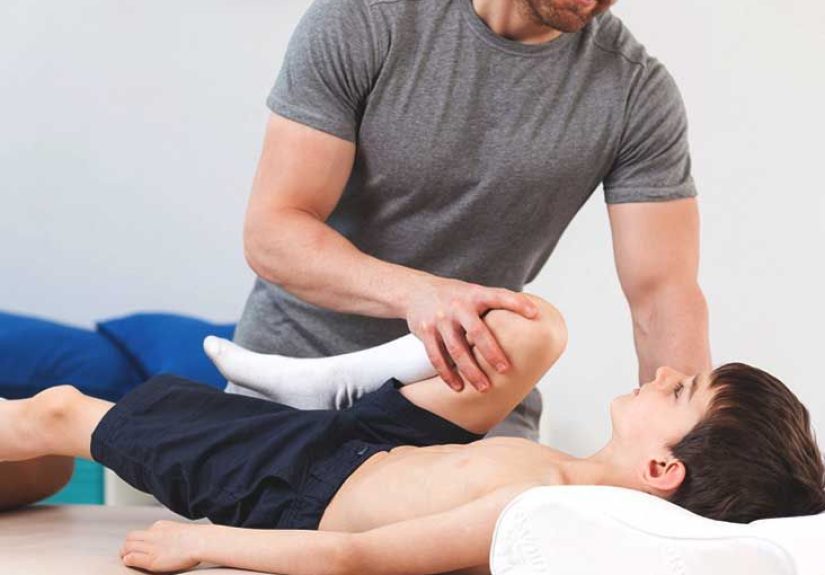
During the exam, the clinician may:
- Measure the intermalleolar distance (distance between the ankles when the knees
are touching). - Estimate the tibiofemoral angle, which reflects how much the knee angles inward.
- Assess overall alignment from hip to ankle, looking for asymmetry between limbs.
- Check muscle strength, joint range of motion, and gait.
Imaging and Lab Tests
In many young children with mild, symmetric knock knees and no red flags, imaging isn’t necessary.
When there is a concern, doctors may order:
- Standing long-leg X-rays to visualize the mechanical axis of the limb and determine
where the deformity arises (distal femur, proximal tibia, or both). - Bone age studies in some cases to estimate growth potential, which helps in planning
treatment. - Blood tests to check vitamin D, calcium, phosphorus, and markers of bone or
inflammatory disease when rickets or systemic illness is suspected.
These findings help distinguish physiologic genu valgum from conditions that need targeted
treatment, such as rickets, skeletal dysplasia, or growth-plate damage after trauma.
Treatment Options for Genu Valgum
Treatment for genu valgum depends on the patient’s age, the severity of the deformity, symptoms,
and the underlying cause. Many children need nothing more than reassurance, good nutrition, and
regular check-ins. Others benefit from physical therapy, weight management, or surgery to restore
proper alignment and protect the joints long-term.
When Watchful Waiting Is Enough
For most otherwise healthy children between about 2 and 7 years old, genu valgum is considered
physiologic. In this age group, the recommended treatment is usually:
- Observation with periodic follow-up visits,
- Reassurance to parents that the alignment typically improves with growth,
- Basic lifestyle guidance: a balanced diet, adequate vitamin D (by diet, sunlight, or supplements
as advised), and regular activity.
Braces and special shoes were once commonly prescribed for mild knock knees in children, but
research has not shown strong benefit for typical physiologic cases. Today, many pediatric
orthopedic guidelines emphasize avoiding unnecessary devices for normal developmental alignment.
Non-Surgical Treatments
Non-surgical strategies are particularly important for older children and adults with mild to
moderate genu valgum, or as part of a comprehensive plan around surgery.
- Physical therapy and targeted exercises. Strengthening the quadriceps, hip
abductors, and core, along with stretching tight structures, can improve alignment control,
reduce pain, and make walking and sports more comfortable. While PT doesn’t magically “straighten”
bones in a fully grown adult, it can optimize how the joints load. - Weight management. Even modest weight loss in individuals with obesity can reduce
stress across the knees and slow the progression of joint damage. - Orthotics and shoe inserts. In some patients, custom foot orthotics can fine-tune
how forces pass through the knee. They are usually considered a supportive measure, not a standalone
cure. - Treating underlying conditions. For example, vitamin D and calcium supplements for
rickets (under medical supervision), medications for inflammatory arthritis, or treatment of metabolic
bone disease.
Guided Growth (Hemiepiphysiodesis)
In growing children and adolescents with pathologic genu valgum, a powerful option is
guided growth, also called hemiepiphysiodesis. This technique uses the child’s
remaining growth to slowly correct alignment.
Surgeons place small plates and screwsoften referred to as “tension-band plates” or “8-plates”
on one side of the growth plate around the knee. This temporarily slows growth on that side while
allowing the opposite side to continue growing. Over months to a few years, the limb gradually
straightens as the bone remodels. Once alignment is corrected, the hardware is removed so normal
growth can resume.
Guided growth is generally less invasive than major osteotomies, has shorter recovery times,
and can be repeated or adjusted if needed. However, it only works in children who still have
enough growth remaining, and timing is criticaltoo early or too late, and the correction may
be incomplete or overshoot.
Corrective Osteotomy for Adolescents and Adults
When the growth plates have closed (usually in mid- to late adolescence) or when genu valgum is
severe, surgeons sometimes perform a corrective osteotomy. In this procedure:
- The surgeon cuts (osteotomizes) the femur or tibia, usually near the knee, in a controlled way.
- The bone is then realigned to a more normal angle.
- Plates, screws, or other hardware hold the new position while the bone heals.
Osteotomy can be highly effective at shifting the mechanical axis back toward the center of the
knee, reducing pain, improving function, and potentially delaying the need for joint replacement
in patients with arthritis. Recovery involves a period of limited weight-bearing, physical therapy,
and gradual return to activities.
In extreme or complex casesespecially when genu valgum coexists with other deformitiessurgeons may
use staged procedures, external fixation devices, or two-level osteotomies to fine-tune alignment.
Prognosis and Long-Term Outlook
The long-term outlook for genu valgum varies based on age, cause, and severity:
- Young children with physiologic genu valgum almost always improve spontaneously
as they grow, especially by age 7–8. - Children with treatable causes like rickets often see significant improvement
once the underlying condition is addressed and, if needed, guided growth is applied at the right time. - Adolescents and adults with significant deformity may benefit from surgical
realignment, which can reduce pain and improve function. Maintaining a healthy weight and staying
active are key to preserving joint health.
Across all age groups, early evaluation when something seems “off”such as asymmetric knock knees,
severe deformity, or persistent painhelps ensure that any underlying issues are caught while there
are more options for correction.
Living with Genu Valgum: Experiences, Lessons, and Practical Tips
Medical textbooks are great, but real life is messierand more human. Here’s what living with genu
valgum often looks like from the inside, whether you’re the one with the knees or the one doing
the worrying.
The Worried Parent of a Preschooler
Picture this: your 3-year-old toddles into the kitchen and suddenly you notice their knees touching
while their ankles are apart. Cue late-night internet search spiral. Many parents in this situation
arrive at the pediatrician’s office ready for orthotics, braces, or at least a second opinion from
the universe.
What most parents discover, after a careful exam, is that their child’s genu valgum is
physiologic. The legs are symmetric, the child runs, jumps, and plays with no pain,
and growth charts look good. The “treatment” often ends up being:
- Monitoring the knees every 6–12 months,
- Encouraging active play and a healthy diet,
- Learning that not every unusual angle needs a brace.
Parents often find that, a few years later, those dramatic knock knees have mellowed into perfectly
ordinary legs. The main side effect is a deeper appreciation for developmental quirksand a renewed
commitment to not believing everything they read at 2 a.m.
The Teen Athlete with Painful Knock Knees
Now imagine a 14-year-old soccer player who has always been a bit “knock-kneed,” but lately complains
of knee pain after practice. The coach notices an awkward gait, and the teen feels embarrassed changing
in the locker room because their legs “look weird.”
In this scenario, a sports-savvy orthopedic evaluation can be game-changing. Maybe X-rays show
persistent genu valgum beyond what’s typical for age, with early wear on the outer knee compartment.
The plan might include:
- A structured physical therapy program to improve hip and core strength and offload the knees.
- Temporary activity modificationsfewer tournaments, more cross-trainingto give the joints a break.
- Discussions about guided growth (if growth plates are still open) or future osteotomy if symptoms
worsen.
The teen’s biggest fears usually revolve around “Will I have to quit sports?” and
“Will my legs always look like this?” Honest conversation helps: many athletes continue competing
after realignment surgery and feel stronger because their mechanics are improved. And appearance
usually improves alongside function.
The Adult Who Finally Seeks Help
Adults with genu valgum often have a long history: maybe they were told as kids that their knock knees
were “just cosmetic,” or they never had access to specialty care. By their 30s or 40s, they may be dealing
with:
- Knee pain after walking or standing at work,
- Difficulty finding comfortable shoes or a stable gait,
- Early arthritis showing up on imaging.
For these adults, the conversation is less about “Will this go away on its own?” and more about
“How do we prevent things from getting worse?” A realistic plan might combine weight management,
targeted physical therapy, joint-friendly activities (cycling, swimming, elliptical training),
and, in selected cases, a distal femoral or tibial osteotomy to realign the knee.
Many adults report that, although they were nervous about surgery, the payoff in terms of pain relief
and stability felt like getting a “second chance” at comfortable movementespecially when surgery
was done before the joint was severely damaged.
Practical Tips for Everyday Life
Whatever your age or situation, a few practical habits can make living with genu valgum easier:
- Choose joint-friendly activities. Low-impact exercises like swimming, biking,
and walking on even surfaces tend to be kinder to valgus knees than high-impact jumping or
twisting sports, especially if pain is already present. - Don’t ignore pain that lingers. Occasional soreness after a big day is normal,
but persistent or worsening painespecially in one knee, or associated with swelling or locking
deserves evaluation. - Think whole-body alignment. Hip strength, core stability, and foot support all
influence how the knees load. A good physical therapist can be worth their weight in gold. - Address underlying issues early. That means managing weight, treating nutritional
deficiencies, and staying on top of conditions like arthritis with your healthcare team.
Most importantly, remember that genu valgum is a pattern of alignment, not a personal flaw.
With the right information, support, and treatment when needed, people with knock knees can walk, run,
play, work, and live full, active lives.