Table of Contents >> Show >> Hide
- Why menopausal weight gain happens (and why it loves your midsection)
- Golden Rule #1: Go easy on the wine (because it’s sneaky, not evil)
- Golden Rule #2: Limit white flour (because refined carbs don’t love your hormones back)
- The metabolism booster you actually control: muscle
- Protein and fiber: the “I’m not hungry again” combo
- Build a menopause-friendly plate (without living on salad)
- Sleep and stress: the underrated weight-gain drivers
- A practical “golden rules” week (no spreadsheets required)
- When weight gain deserves a medical conversation
- Real-world experiences: what people often notice when they cut wine and white flour (about )
- Conclusion: simple rules, big payoff
- SEO Tags
Menopause has a way of changing the rules without sending you the updated handbook. One day you’re eating the same breakfast you’ve eaten since the Obama administration, and the next day your jeans are acting like you personally betrayed them.
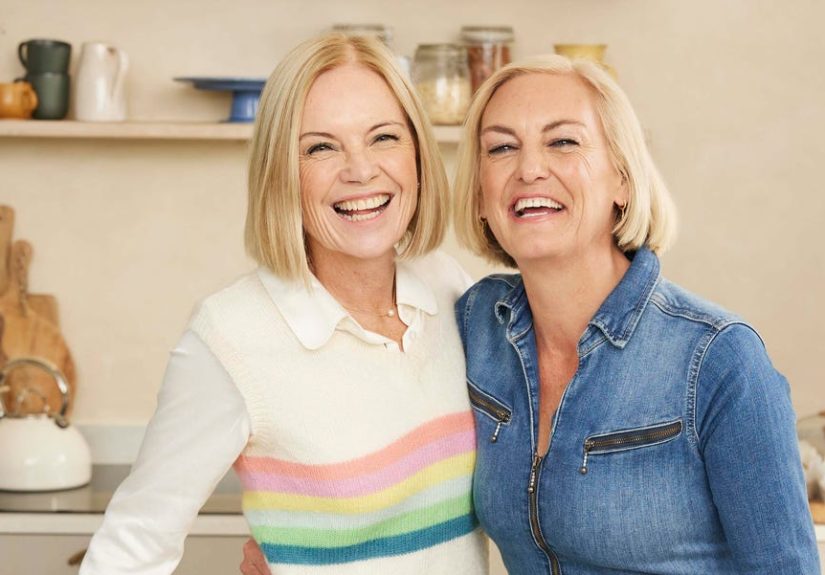
Broadcaster and menopause advocate Mariella Frostrup has spoken about a refreshingly simple approach to midlife weight changes: go easy on the wine and limit white flour. No detox drama. No “only air and moonlight” meal plan. Just two common culprits that quietly stack the deck against you.
Here’s the best part: those “golden rules” aren’t just celebrity wellness sparkle. They line up with what many U.S. medical and nutrition organizations emphasize for weight management in midlifeespecially when hormones, sleep, stress, and muscle mass start behaving like they’ve joined a group chat without you.
Let’s break down why menopause weight gain happens, and how to use Frostrup’s two rules as a practical launchpadwithout turning your life into a sad desk salad.
Why menopausal weight gain happens (and why it loves your midsection)
Menopausal weight gain is common, and it’s not just “you getting lazy.” Several changes tend to collide in midlife:
- Body composition shifts: As estrogen declines, many women see more fat stored around the abdomen and less lean muscle over time.
- Slower energy burn: Resting metabolism often drops with age, largely because muscle mass naturally declines if we don’t actively maintain it.
- Sleep disruption: Hot flashes, night sweats, and insomnia can make it harder to regulate appetite hormones and cravings.
- Stress and time pressure: Cortisol-heavy days can push you toward quick carbs, bigger portions, and less movement.
- Insulin sensitivity changes: Midlife can make blood-sugar swings more noticeableespecially with refined carbohydrates and sugary drinks.
Translation: your body isn’t “broken.” It’s adapting to a new hormonal and metabolic climate. The winning strategy isn’t punishmentit’s precision: better inputs, slightly different training, and a little less “liquid dessert.”
Golden Rule #1: Go easy on the wine (because it’s sneaky, not evil)
Wine isn’t a moral failing. But it can be a math problemespecially during perimenopause and menopause. Alcohol brings three classic weight-gain helpers to the party:
extra calories, increased appetite, and worse sleep.
1) Wine calories are “invisible” calories
Many people can remember what they ate but “forget” what they drankbecause drinks don’t feel like food. A glass of wine can slide in like a polite guest and leave behind the caloric equivalent of a snack.
If wine is a nightly habit (or a “just while I cook” habit… plus “just while I watch TV”), the weekly total can be surprisingly chunky.
2) Alcohol can make you snackier and pickier
Alcohol lowers inhibition and can increase appetitemeaning you’re more likely to say yes to chips, yes to seconds, and yes to the mysterious “crispy things” you found in the freezer.
It can also make you crave salty and refined carbs (hello, white flour crackers and late-night toast), which matters more when insulin sensitivity is shifting in midlife.
3) Wine can worsen hot flashes and wreck sleep
Menopause already loves interrupting your sleep like a toddler with a master key. Alcohol can make it easier to fall asleep at first, but it often fragments sleep later in the night.
And if alcohol triggers hot flashes or night sweats for you, that’s a one-two punch: you’re tired the next day, cravings rise, and workouts feel harder.
How to “go easy” without becoming the person who brings kombucha to book club
- Try a 2–4 week experiment: Keep wine to weekends, or cap it at 1–2 nights per week. Track sleep and cravings, not just weight.
- Pour with intention: Use a smaller wine glass. (The oversized balloon glass is basically a group project.)
- Make a “first drink” swap: Sparkling water with citrus, a tart mocktail, or flavored seltzer can scratch the ritual itch.
- Change the timing: If alcohol disrupts sleep, avoid it close to bedtime.
- Keep the protein: If you drink, pair it with a real mealprotein + fiberso you’re not drinking into a snack tornado.
Golden Rule #2: Limit white flour (because refined carbs don’t love your hormones back)
“White flour” is shorthand for many refined grains: white bread, pastries, many crackers, traditional pasta, and baked goods made with refined flour.
These foods aren’t “forbidden.” The issue is that refined grains tend to be less filling, lower in fiber, and quicker to spike blood sugar than whole-grain optionsmaking them easier to overeat, especially when stress and sleep are off.
Why refined flour hits differently in midlife
In many people, refined carbs digest quickly and can lead to a sharper rise (and then drop) in blood sugar. That roller coaster can increase hunger and cravingsparticularly later in the day.
Add menopause-related shifts in body composition and insulin response, and white flour can become a more reliable trigger for “why am I starving again?” moments.
Easy swaps that don’t taste like punishment
- Breakfast: Swap a bagel or pastry for Greek yogurt + berries + nuts, or eggs with veggies and a slice of whole-grain toast.
- Lunch: Choose a whole-grain wrap, quinoa bowl, or salad with beans/lentils instead of a white-flour sandwich on soft rolls.
- Pasta night: Keep pasta, but try whole-grain pasta, chickpea pasta, or use a smaller portion with more vegetables and protein.
- Snacks: Replace crackers with hummus + carrots, edamame, roasted chickpeas, popcorn, or nuts and fruit.
Label-reading shortcuts for real life
If you’re not trying to become a part-time nutrition detective, use these quick checks:
- Look for whole grains first in the ingredient list (whole wheat, oats, brown rice, quinoa).
- Fiber matters: More fiber generally means more fullness and steadier energy.
- Don’t chase perfection: The goal is “more often,” not “always.”
The metabolism booster you actually control: muscle
If menopause weight gain has a nemesis, it’s strength trainingbecause muscle helps you burn more energy at rest and supports healthier body composition.
Many experts recommend combining resistance training (weights, bands, machines, bodyweight) with aerobic activity (walking, cycling, swimming) for best results.
A realistic strength plan for beginners
- 2–3 days/week of full-body strength training
- Focus on big moves: squats (or sit-to-stands), rows, presses, hip hinges (deadlift pattern), step-ups, carries
- Start light, progress slowly, and prioritize form
If you’ve never lifted before, start with bodyweight and resistance bands. If you have joint pain or medical conditions, a physical therapist or certified trainer can tailor a plan so it feels supportivenot punishing.
Protein and fiber: the “I’m not hungry again” combo
One of the most practical midlife upgrades is eating in a way that keeps you full longer.
That usually means more protein (to support muscle) and more fiber (to stabilize blood sugar and appetite).
Simple ways to hit the mark
- Protein at breakfast (eggs, Greek yogurt, cottage cheese, tofu scramble, protein smoothie)
- Fiber at every meal (beans, lentils, vegetables, berries, chia/flax, whole grains)
- Build plates around “anchors”: protein + colorful plants + healthy fats, then add carbs thoughtfully
If you have kidney disease or other medical concerns, talk with your clinician before significantly increasing protein.
Build a menopause-friendly plate (without living on salad)
There isn’t a single “menopause diet,” but patterns like Mediterranean- and DASH-style eating tend to work well because they emphasize whole foods, fiber, and heart health.
A simple visual:
- Half the plate: non-starchy vegetables (greens, broccoli, peppers, mushrooms, zucchini)
- Quarter of the plate: protein (fish, poultry, tofu/tempeh, beans, lean meat, eggs)
- Quarter of the plate: high-fiber carbs (sweet potato, brown rice, quinoa, oats, whole-grain bread)
- Plus: healthy fats (olive oil, avocado, nuts, seeds)
This approach supports weight management while also respecting the big midlife priorities: cardiovascular health, bone health, and metabolic health.
Sleep and stress: the underrated weight-gain drivers
If your sleep is messy, your appetite often gets louder. Menopause-related insomnia and night sweats can make it harder to stay consistent with nutrition and movement.
Stress piles on, and suddenly you’re negotiating with a pantry at 10:47 p.m. like it’s a hostage situation.
Sleep moves that actually help
- Protect a wind-down window: even 20–30 minutes counts
- Cool the bedroom: breathable bedding, fan, moisture-wicking pajamas
- Reduce evening alcohol: especially if you wake at 2–3 a.m.
- Get morning light + daily movement: both support circadian rhythm
A practical “golden rules” week (no spreadsheets required)
Want to put this into action without overhauling your entire personality? Try this one-week reset:
- Wine rule: Choose 2 nights max, 1 drink max (or go alcohol-free for 7 days and watch what happens to your sleep).
- White flour rule: Swap one refined-grain item per day for a whole-food option (whole grain, beans, fruit, or vegetables).
- Strength rule: Two short strength workouts (25–35 minutes) + two brisk walks.
- Protein rule: Add a protein anchor to breakfast every day.
- Fiber rule: Add one “plant bonus” daily (berries, beans, a big salad, roasted veg, chia pudding).
- Sleep rule: A consistent bedtime target + a cooler room.
The goal is not perfection. The goal is to create enough wins that your body stops feeling like it’s playing defense all day.
When weight gain deserves a medical conversation
If weight gain is rapid, unexplained, or paired with fatigue, depression, hair changes, or significant sleep issues, it’s worth discussing with a clinician.
Midlife is also when conditions like thyroid issues, sleep apnea, insulin resistance, and medication side effects may show up or become more noticeable.
If menopause symptoms are severe, ask about evidence-based optionsincluding lifestyle interventions and, for appropriate candidates, hormone therapyso you’re not stuck white-knuckling through years of poor sleep and misery.
Real-world experiences: what people often notice when they cut wine and white flour (about )
The most interesting thing about Frostrup’s two rules is how quickly many people feel the differencesometimes before the scale changes. Below are a few common patterns women describe when they experiment with “less wine, less white flour.”
(These are composite, real-life-style examples based on typical experiences and clinical nutrition principlesnot a promise of identical results for everyone.)
Experience #1: “I didn’t realize wine was stealing my sleep.”
A common story: a woman in perimenopause has a glass (or two) of wine most nights because it feels like the off-switch after a long day. She falls asleep fastso she assumes it’s helping.
Then she starts waking up at 2:00 a.m., sweaty, restless, and annoyed at the ceiling. The next day she’s hungrier, craving quick carbs, and feeling too tired to work out.
When she tries a two-week “weekdays off” experiment, she often reports two changes: fewer middle-of-the-night wake-ups and fewer daytime cravings. The weight loss (if it happens) is usually modest at first, but energy improves, which makes everything else easiermore steps, better food choices, more patience.
The surprise isn’t that she “quit wine.” It’s that she regained a sense of control over her evenings.
Experience #2: “White flour was my ‘healthy’ snack trap.”
Another frequent pattern: the person doesn’t think she eats much “junk,” but her day includes refined grains on autopilottoast for breakfast, a sandwich at lunch, crackers in the afternoon, and pasta at dinner.
None of it feels dramatic. But the low fiber means she’s hungry again fast, and the afternoon becomes a snack scavenger hunt.
When she swaps just one refined-grain habitlike replacing crackers with Greek yogurt and berries, or switching the lunch bread to whole grain and adding beans or a side saladshe often notices steadier energy.
The hunger isn’t gone (we’re not trying to become robots), but it’s less urgent and less frequent, which makes portion control feel less like a daily wrestling match.
Experience #3: “Strength training changed my shape even before my weight changed.”
Plenty of women report that the scale barely moves at first, but their waistline, posture, and strength change when they begin lifting consistently.
They might start with two days a week: squats to a chair, rows with bands, wall push-ups, light dumbbells. Not heroic. Just steady.
After a month, they can carry groceries without making sound effects. After two months, their “menopause belly” looks less dramatic in the mirror, even if the scale is stubborn.
This matters because menopause weight changes are often about body compositionfat mass rising while lean mass drops.
Strength training fights that trend, and when you pair it with Frostrup’s two rules (less wine, less white flour), the whole system gets easier: sleep improves, hunger calms down, and your routine becomes something you can keep.
Conclusion: simple rules, big payoff
Managing menopausal weight gain doesn’t require a dramatic reinvention. It often starts with removing the two biggest friction points:
regular alcohol and refined, low-fiber carbs.
Mariella Frostrup’s “go easy on the wine and limit white flour” philosophy works because it’s practicaland because it supports what midlife bodies typically need most: better sleep, steadier blood sugar, and stronger muscles.
Think of it as a trade: fewer “sneaky calories” and fewer hunger spikes in exchange for more energy, better sleep, and a body that feels like it’s on your side again.
And yes, you can still enjoy wine and breadjust in a way that doesn’t turn Tuesday night into an ongoing negotiation with your waistband.