Table of Contents >> Show >> Hide
- What Makes a DIY Project “Illegal” Anyway?
- 1. Major Electrical Work and Service Upgrades
- 2. Plumbing and Sewer Line Work
- 3. Gas Lines, Furnaces, and Water Heaters
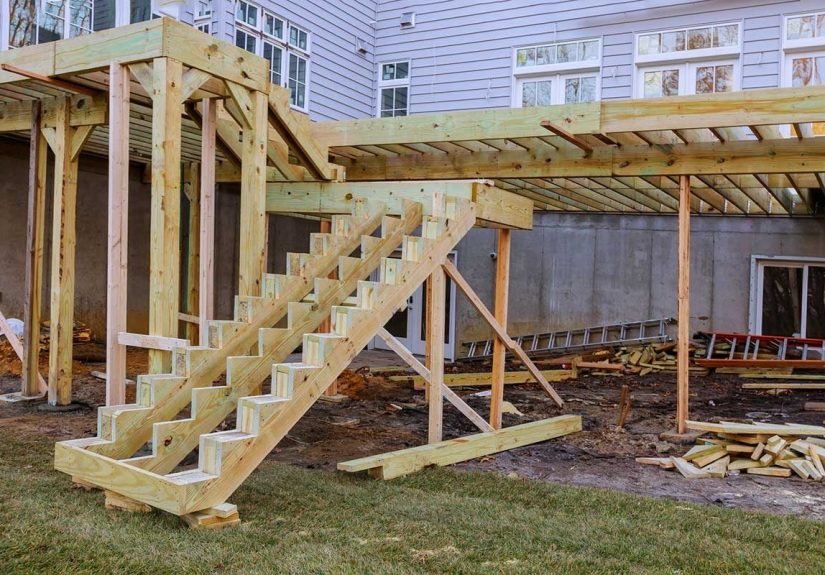
- 4. Structural Changes, Additions, and Decks
- 5. Roofing and Major Exterior Changes
- 6. Windows, Egress, and Fire-Safety Features
- 7. HVAC Systems and Ductwork
- 8. Asbestos and Other Hazardous Materials
- What Happens If You Ignore Permits and Licensing Rules?
- How to Check If a Project Is Legal to DIY
- Legal, Safe DIY Projects You Can Still Enjoy
- Real-World Experiences and Lessons from “Illegal” DIY Projects
- Final Thoughts
Rolling up your sleeves and tackling a weekend project is one of the joys of homeownership.
Paint a room? Go for it. Build a planter box? Absolutely. Rewire the main electrical panel
with one YouTube video and a prayer? That’s where the law (and common sense) step in.
In the United States, certain home improvement projects are either flat-out illegal to DIY or
so tightly regulated that doing them yourself without permits or a license can land you with
serious fines, failed inspections, insurance nightmares, or even criminal charges. National
model codes, like the International Residential Code and National Electrical Code, set the
baseline, and local jurisdictions layer on their own permit and licensing rules.
Inspired by the kind of practical, safety-first advice you’d expect from
The Family Handyman, this guide walks through the big categories of
home improvement projects that are illegal or risky to DIY, why the law cares,
and what you should do instead.
What Makes a DIY Project “Illegal” Anyway?
“Illegal to DIY” doesn’t always mean you’re forbidden from lifting a hammer. In most cases, it
means one or more of the following:
- Permits are required, and you didn’t get them.
- A licensed professional must perform the work or pull the permit.
- Specific safety or environmental laws apply (think gas lines or asbestos).
Many cities consider unpermitted work to be illegal work. Some explicitly require that certain
tradeslike electrical, plumbing, and HVACbe performed by licensed contractors or by the
homeowner in an owner-occupied single-family residence, often with strict limits.
The big takeaway: you don’t get to decide what’s “safe” or “minor” on your own.
Your city or county building department does.
1. Major Electrical Work and Service Upgrades
Swapping out a light fixture or replacing a broken outlet is usually fair game for a reasonably
handy homeowner. But once you get into the guts of your electrical system, the law gets much
less friendly to DIY.
Projects that often require a licensed electrician
- Upgrading or relocating the main service panel.
- Running new branch circuits for additions, workshops, or EV chargers.
- Installing subpanels in garages, basements, or outbuildings.
- Altering wiring in wet locations (bathrooms, kitchens, outdoors).
Many jurisdictions require permits before you touch most electrical systems, and some only allow
licensed electricians to pull those permits, or the homeowner on their primary residence under
strict conditions. The reasons are obvious: mistakes can cause fires, shocks,
or code violations hidden in the walls.
From an insurance and resale standpoint, unpermitted electrical work is a red flag. Inspectors
can force you to open walls so they can see what you did, and buyers may walk awayor demand a
price cutif your glowing new panel isn’t backed up by paperwork.
2. Plumbing and Sewer Line Work
Plumbing looks simple until it’s 2 a.m., your “simple” bathroom re-pipe is leaking into the
ceiling, and you’re googling “how bad is mold actually.” That’s why plumbing work is heavily
regulated.
Common plumbing projects with legal limits
- Re-routing or adding water supply lines inside walls or slabs.
- Changing the location of drains, toilets, or tubs.
- Replacing or repairing main sewer lines.
- Installing new backflow prevention devices.
Many states require a licensed plumber to perform or at least permit most significant plumbing
work, especially when it touches shared systems, public sewer connections, or cross-connection
controls that protect drinking water.
The legal and financial risk is huge: a mis-sloped drain or badly glued fitting can cause slow
leaks, rot, and structural damage that show up years laterand you’ll have no inspection record
to fall back on.
3. Gas Lines, Furnaces, and Water Heaters
Natural gas and propane are incredibly useful and equally unforgiving. A loose connection or
poorly vented appliance can cause explosions or carbon monoxide poisoning, which is exactly why
many jurisdictions require licensed mechanical contractors for this category.
Work that’s often illegal or restricted to licensed pros
- Adding or relocating gas lines for ranges, dryers, or fireplaces.
- Installing or replacing gas furnaces or boilers.
- Installing tank and tankless water heaters, especially gas-fired units.
- Changing or extending venting and flue systems.
Code officials typically require mechanical permits for these projects and may only accept
applications from licensed contractors or the owner of a single-family, owner-occupied home who
can prove compliance with code. Manufacturers’ warranties may also be void if a non-professional
installs the equipment.
Bottom line: a DIY gas line is one of the fastest ways to put your houseand your legal
liabilityon the line.
4. Structural Changes, Additions, and Decks
If your project affects the skeleton of the house, permits and sometimes engineering are almost
guaranteed. That includes:
- Removing or altering load-bearing walls.
- Building additions, bump-outs, or sunrooms.
- Constructing decks, especially elevated ones.
- Cutting new openings for doors, windows, or staircases.
Local building departments often require structural plans, inspections at multiple stages, and
proof that the work meets current codes for loads, footings, railings, and guard heights.
In some places, homeowners can pull their own permits and perform the work, but hiring an
unlicensed person or skipping permits altogether can be considered illegal construction and may
lead to orders to demolish or rebuild noncompliant structures.
5. Roofing and Major Exterior Changes
Replacing a few shingles after a windstorm is one thing; re-roofing your entire house is another.
Many cities require permits for full roof replacements, especially when you’re:
- Replacing or altering roof sheathing or structure.
- Changing the roofline or pitch.
- Adding skylights, chimneys, or dormers.
Some states and municipalities also require licensed roofing contractors for certain projects,
particularly in high-wind or hurricane-prone areas. It’s not just about watera poorly installed
roof can become airborne during storms and endanger neighboring properties.
6. Windows, Egress, and Fire-Safety Features
Swapping a sash in an existing frame may not raise eyebrows, but many window and door projects
touch life-safety codes. Typical examples that often require permits:
- Converting a bedroom window to meet egress standards for fire safety.
- Adding or altering exterior doors that impact egress routes.
- Enclosing porches or converting them into conditioned spaces.
These changes can affect how quickly occupants can escape in a fire, how smoke travels, and how
the house performs in emergencies, which is why inspectors take them seriously and may treat
unpermitted work as illegal construction.
7. HVAC Systems and Ductwork
Your heating and cooling system is part comfort machine, part life-safety system. Many
jurisdictions require mechanical permits and inspections for:
- Installing or replacing furnaces, heat pumps, and condensers.
- Running or altering ductwork, especially in concealed spaces.
- Adding whole-house ventilation or ERV/HRV systems.
Codes are designed to ensure proper combustion air, safe venting, and adequate air flow. Local
rules often say only licensed mechanical contractorsor in some cases the owner-occupantmay pull
permits for this work, and DIY installs without permits are typically considered illegal.
8. Asbestos and Other Hazardous Materials
Asbestos, lead-based paint, and other hazardous materials live in an entirely different regulatory
universe. Federal, state, and local rules govern how they’re identified, handled, removed, and
disposed of.
For asbestos, federal law sets strict standards for renovation and demolition when certain
building types and quantities are involved, and many states and local air quality agencies add
additional requirements. In some areas, homeowners can remove asbestos from
their own single-family, owner-occupied homes, but cannot legally hire an unlicensed
side-hustle crew to do itonly certified abatement contractors are allowed to work for pay.
Even where DIY removal is technically allowed, agencies strongly recommend hiring professionals
because improper work can release fibers and create long-term health risks. Cutting corners on hazardous materials
can cross from “code violation” into “environmental crime” surprisingly quickly.
What Happens If You Ignore Permits and Licensing Rules?
“No one will ever know” is famous last-DIY words. In reality, there are several ways unpermitted
or illegally performed work comes back to haunt you:
- Stop-work orders and fines. Inspectors can issue orders to cease work, levy
fines, and in some cases charge multiple times the normal permit fee if you started without
approval. - Forced demolition or rework. If the work can’t be proven safe or code-compliant,
you may be forced to tear it out and start overthis time with permits. - Insurance problems. If a fire or flood is traced back to unpermitted or illegal
work, your insurer may deny claims or limit payouts. - Resale headaches. Appraisers, buyers, and their inspectors routinely flag
unpermitted additions, decks, or finished basements. You might have to discount your price or
retroactively permit (and possibly rebuild) the work.
In extreme casesespecially where hazardous materials or serious injuries are involvedcriminal
charges are possible. It’s not the fun kind of “weekend project” outcome.
How to Check If a Project Is Legal to DIY
Because rules vary so widely, the safest path is to treat your local building and
permitting office as your new DIY best friend. Here’s a simple process:
- Look up your city or county’s “When is a permit required?” guide. Most building
departments publish a list of common projects that need permitsthings like additions, decks,
heating equipment, plumbing, and electrical service. - Ask who is allowed to pull the permit. Some places let homeowners do almost
everything on an owner-occupied home; others reserve much of the work for licensed contractors
only. - Confirm inspection requirements. Many projects require rough-in and final
inspections. Plan your schedule so you’re not closing up walls before the inspector signs off. - Be honest about your skills. Even where DIY is legal, it may not be wise.
“Allowed” doesn’t mean “a good idea after two TikToks and a latte.”
A quick phone call or website check up front is much cheaper than a tear-out and fine later.
Legal, Safe DIY Projects You Can Still Enjoy
All of this might sound like the DIY police are out to ruin your fun, but there are still
countless projects that are generally safe and legal for handy homeowners:
- Painting walls, trim, and cabinets.
- Installing floating flooring or click-together laminate.
- Updating cabinet hardware and non-structural trim.
- Building shelving, closets, and storage (that don’t affect structure).
- Landscaping, fencing (with local height rules), and garden projects.
When in doubt, remember the spirit of the code: protect life, property, and public safety.
Jobs that can burn the house down, flood it, or fill it with toxic fumes are almost always
regulatedand sometimes off-limitsto DIY.
Real-World Experiences and Lessons from “Illegal” DIY Projects
To bring all of this down from the world of code sections and permit forms, it helps to look at
the kinds of real-world experiences homeowners encounter when they cross the line from “clever
DIY” into “uh-oh, this is illegal.”
The basement that killed the sale
Picture a homeowner who decides to “finish the basement” over a couple of winters. They frame in
walls, add a bedroom, run some electrical, and even tie a bathroom into the existing sewer line
all without permits. They do neat work and, from the surface, it looks fine.
Fast-forward to selling the house. The buyer’s inspector notices that the basement bedroom window
is too small for egress, the bathroom vent is dumping into the ceiling, and there’s no record of
permits for any of the work. The appraiser notes the square footage as “non-permitted,” which
lowers the appraised value. The buyer’s lender balks. Suddenly, the sellers are facing a painful
choice: discount the price significantly or pay to bring everything up to code and get it
inspectedoften tearing out finished surfaces to prove what’s behind them.
None of this happens if they had pulled permits at the beginning. The basement might have cost a
bit more and taken a bit longer, but it would be fully legal, insurable, and count towards
official living area.
The “simple” panel swap that got expensive
Another common story involves electrical upgrades. A homeowner decides to replace an old,
undersized breaker panel with a modern one. They watch a few videos, buy the panel, and spend a
weekend wiring everything in. The lights come on, nothing trips, and they feel like a genius.
Months later, a small electrical fire starts in a junction box that was incorrectly spliced. The
fire is contained quickly, but the insurance adjuster asks for documentation showing that the
service upgrade was permitted and inspected. There is none. An electrical inspector later finds
several violations of the National Electrical Code, including missing bonding, undersized
grounding, and overloaded circuits.
Instead of saving money, the homeowner now faces the cost of having a licensed electrician
rework the entire panel and parts of the house wiring, plus the possibility of the insurer
denying part of the claim because of unpermitted, non-code-compliant work.
The asbestos “shortcut” that backfired
In older homes, popcorn ceilings, flooring, and siding may contain asbestos. One homeowner decides
to remodel a 1960s house by scraping the popcorn ceilings themselves. They wear a dust mask, put
down plastic, and go to townwithout testing the material or following any of the wet methods and
containment procedures recommended by regulators.
Later, when they try to sell, a buyer’s inspector suspects asbestos and recommends lab testing.
The tests come back positive. Now the seller must disclose that they disturbed asbestos without
proper procedures, and the buyer’s agent recommends professional remediation to address possible
contamination. The deal nearly collapses, and the eventual price reflects the cost of hiring
certified abatement contractors to correct the problem.
In several states and local jurisdictions, there are explicit rules about who can remove asbestos,
what notifications must be filed, and how waste must be packaged and disposed ofignoring those
rules can lead to fines in addition to cleanup costs.
Lessons every DIYer should take to heart
These scenarios highlight three practical lessons:
- Permits protect you, not just the city. An inspected project gives you
documentation for future buyers, insurers, and lenders that the work meets at least minimum
safety standards. - Some skills require more than a tutorial. Licensed electricians, plumbers,
and HVAC techs aren’t just code nerdsthey have thousands of hours of training and testing
behind those licenses. - “Invisible” systems are the most dangerous to get wrong. Electrical, gas,
structure, and hazardous materials can hide serious problems behind finished surfaces. That’s
exactly why the law steps in and, in some cases, makes certain projects off-limits to DIY.
The good news is that understanding where the legal lines are drawn allows you to plan smarter
projects: do the cosmetic, lower-risk work yourself, budget for pros where the law (and safety)
demand it, and treat permits as part of the cost of doing homeownership rightnot as optional
red tape to dodge.
Final Thoughts
Being a capable, confident homeowner doesn’t mean doing everything yourselfit means knowing
which jobs are genuinely DIY-friendly and which are illegal or unwise to tackle without
permits and licensed help. If a project affects your home’s structure, electrical system,
plumbing, gas, HVAC, or hazardous materials, assume there are rules and
check before you cut.
Think of it this way: you get all the satisfaction of DIY where it makes sense, and you let the
prosand the inspectorhandle the parts of the house that can explode, collapse, or slowly
poison you. That’s not just legal home improvement; it’s smart home improvement.