Table of Contents >> Show >> Hide
- What Makes German Sauerkraut “German”?
- Ingredients and Tools
- The Most Important Part: Salt-to-Cabbage Ratio
- Homemade German Sauerkraut Recipe (Step-by-Step)
- What If There Isn’t Enough Brine?
- A Simple Fermentation Timeline (So You Don’t Stare at the Jar Like It Owes You Money)
- Troubleshooting: Common Sauerkraut Problems (and Fixes)
- German-Style Flavor Options (Without Turning It into a Science Fair)
- How to Store and Serve Sauerkraut
- Frequently Asked Questions
- Real-Life Kraut Experiences (Lessons from the Jar) 500+ Words
If your kitchen has ever felt a little too… quiet, homemade German sauerkraut is about to change that.
In a few days, your jar will start whispering tiny bubbles like it’s telling secrets. In a few weeks,
you’ll have crunchy, tangy fermented cabbage that tastes like it came straight from a cozy beer hall
except you made it in sweatpants, which is the true spirit of home cooking.
This guide gives you a traditional, German-style sauerkraut method (cabbage + salt, plus optional spices),
explains the science in plain English, and helps you avoid the classic pitfalls: dry cabbage, floating shreds,
“Is that mold?” panic, and the heartbreak of mushy kraut.
What Makes German Sauerkraut “German”?
At its simplest, German sauerkraut is just finely shredded cabbage fermented with salt. That’s it.
No vinegar, no cooking, no shortcuts. The tang comes from lactic acid fermentation: friendly bacteria
naturally present on cabbage convert sugars into lactic acid, which preserves the vegetables and builds
that signature sour flavor.
Many German-style batches stay minimalist, but traditional seasoningsespecially caraway and
sometimes juniperare common because they pair beautifully with pork, potatoes, and rich dishes.
Ingredients and Tools
Ingredients
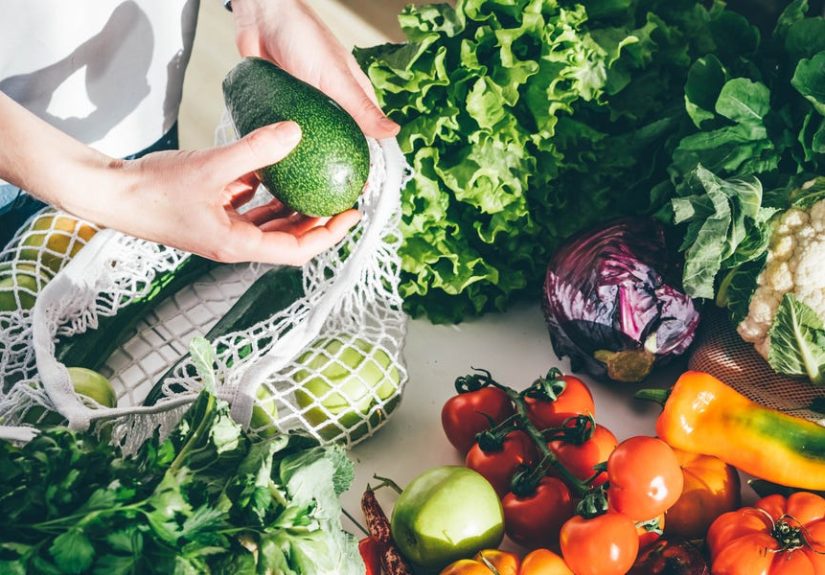
- Green cabbage (fresh, heavy for its size, tight leaves)
- Non-iodized salt (kosher, pickling, or sea saltavoid iodized if you can)
- Optional German-style spices: caraway seeds, juniper berries, black peppercorns, bay leaf
Equipment
- A kitchen scale (highly recommended for accurate salt ratio)
- A large bowl for salting and massaging cabbage
- A fermentation vessel: a crock, glass jar, or wide-mouth mason jar
- Weights to keep cabbage submerged (glass weights, a smaller jar, or a clean zip bag filled with brine)
- A cover: airlock lid, loose lid, or cloth (depending on your setup)
- Optional: a tamper or muddler for packing cabbage tightly
The Most Important Part: Salt-to-Cabbage Ratio
If sauerkraut had a password, it would be the salt percentage. Salt pulls water out of cabbage to create brine,
helps keep crunchy texture, and discourages unwanted microbes while letting lactic acid bacteria thrive.
A widely used, reliable target for homemade sauerkraut is about 2% salt by weight (salt ÷ cabbage).
Some tested home-preservation guidance lands slightly higher (roughly 2.25%–2.5% by weight), but 2% is a popular
“sweet spot” for flavor and textureespecially for small-batch kraut.
Easy salt math (with real numbers)
Use this formula:
Salt (g) = Cabbage weight (g) × 0.02
| Cabbage (grams) | Salt at 2% (grams) | What that looks like |
|---|---|---|
| 1000 g | 20 g | About 1 tablespoon + 1 teaspoon (varies by salt type) |
| 1800 g | 36 g | A little over 2 tablespoons (varies) |
| 2500 g | 50 g | Roughly 3 tablespoons (varies) |
Note: Spoon measurements vary wildly by salt brand and crystal size. A scale removes the guesswork
and prevents “too salty” or “why is this fuzzy?” moments.
Homemade German Sauerkraut Recipe (Step-by-Step)
Step 1: Prep the cabbage
- Remove any wilted outer leaves. Rinse if needed and dry well.
- Set aside one clean whole leaf (handy later as a “cabbage lid”).
- Quarter the cabbage and remove the core.
- Shred thinly (knife, mandoline, or slicer). Thin shreds ferment evenly and stay pleasantly crisp.
Step 2: Weigh and salt
- Weigh your shredded cabbage in grams.
- Calculate salt using 2% by weight.
- Sprinkle salt over cabbage in a large bowl.
Step 3: Massage like you mean it
Use clean hands to massage and squeeze the cabbage for 5–10 minutes. At first it feels dry and stubborn,
then it starts turning glossy and wet. That’s brine formingyour fermentation “security system.”
Optional (German-style): sprinkle in 1–2 teaspoons caraway seeds and a few crushed juniper berries
while massaging.
Step 4: Pack it tightly
- Add cabbage to your jar or crock in handfuls.
- After each handful, press down firmly to remove air pockets and bring brine to the surface.
- Leave some headspace (brine can rise and bubble).
Step 5: Keep cabbage under brine (non-negotiable)
Your goal is an anaerobic environment: cabbage submerged in brine. Oxygen is the party invitation for mold.
Submersion is the bouncer.
- Place the reserved whole cabbage leaf on top of the shredded cabbage (optional but helpful).
- Add your weight(s) so the cabbage stays below the brine line.
- Cover with an airlock lid, a loose lid, or a clean clothuse what matches your setup.
Step 6: Ferment at the right temperature
Ferment somewhere cool and steady. A common recommended range is around 70–75°F for good-quality kraut,
with cooler temperatures taking longer and warmer temperatures risking softness.
- 70–75°F: often ready in about 3–4 weeks (sometimes sooner for small batches)
- 60–65°F: can take 5–6 weeks (or longer depending on batch size)
- Above 75°F: higher risk of soft texture and off flavors
Step 7: Taste, then stop fermentation when you love it
Start tasting around the 2-week mark if you like a mild tang, or later for deeper sourness.
When it tastes rightbright, pleasantly sour, and crunchymove it to the refrigerator to slow fermentation.
What If There Isn’t Enough Brine?
Most of the time, enough brine forms from salt + massage + packing. If your cabbage is still not covered,
don’t panic and definitely don’t top it off with plain water.
Make a salt brine instead, using a tested ratio such as 1½ tablespoons salt per quart of water.
Boil the water, cool it fully, then add just enough to cover the cabbage.
A Simple Fermentation Timeline (So You Don’t Stare at the Jar Like It Owes You Money)
Days 1–3: The “Is it doing anything?” phase
You may see small bubbles and brine movement. The cabbage often looks brighter and the brine may turn a little cloudy.
Cloudy brine is usually normalfermentation is busy.
Days 4–10: The bubbly confidence boost
Active bubbling is common. Brine can rise. If you’re not using an airlock, “burp” a tightly closed jar carefully
to release pressure (and do it over a sink, unless you enjoy cleaning cabbage geysers).
Weeks 2–4+: Flavor gets serious
Sourness deepens, cabbage softens slightly (but should stay pleasantly crisp), and the aroma turns from “raw cabbage”
to “deli daydream.” Taste, decide, refrigerate.
Troubleshooting: Common Sauerkraut Problems (and Fixes)
“Is that mold?”
Mold is usually fuzzy, colorful (green/blue/black), and clearly not invited. If you see fuzzy mold, the safest move is
to discard the batch. (Not the answer anyone wants, but it’s the responsible one.)
White film on top (often kahm yeast)
A thin, matte, white film can be kahm yeast, which is generally considered harmless but can create off flavors.
The best prevention is keeping everything submerged, using clean tools, and minimizing oxygen exposure.
Soft, limp kraut
Common causes include fermenting too warm, not enough salt, or fermenting too long at higher temps. Next time:
weigh salt, aim for steadier cooler temps, and keep the cabbage submerged.
Not bubbling
Bubbling can be subtle, especially in cooler rooms. If the cabbage is submerged, smells cleanly tangy (not rotten),
and you used the right salt, it may still be fermenting just fine. Give it time.
Brine overflow
Totally normal during active fermentation. Put the jar on a plate or rimmed tray. Overflow is messy, not dangerous.
Just keep the cabbage submerged and wipe the outside clean.
German-Style Flavor Options (Without Turning It into a Science Fair)
- Classic caraway: 1–2 teaspoons per medium cabbage
- Juniper + bay: a few lightly crushed berries + 1 bay leaf for a subtle foresty note
- Peppercorns: adds gentle warmth
- Apple shred: for a slightly rounder, mellow tang (ferments fasterwatch it)
Keep add-ins modest the first time. Your goal is to learn your baseline kraut flavor so you can tweak it confidently.
How to Store and Serve Sauerkraut
Storage
- Refrigerator: Once you like the flavor, refrigerate. It keeps for months when stored cold and submerged.
- Freezing: Possible, though texture softens. Still great for cooking (soups, braises, dumplings).
- Canning: If you want shelf-stable sauerkraut, use a tested home-canning recipe and process.
Fermented foods have specific safety requirementsdon’t improvise canning times.
Serving ideas (very German, very satisfying)
- Warm it gently with sautéed onion and a little apple for a classic side
- Top bratwurst or pork schnitzel (your fork will write you a thank-you note)
- Mix into mashed potatoes or potato pancakes
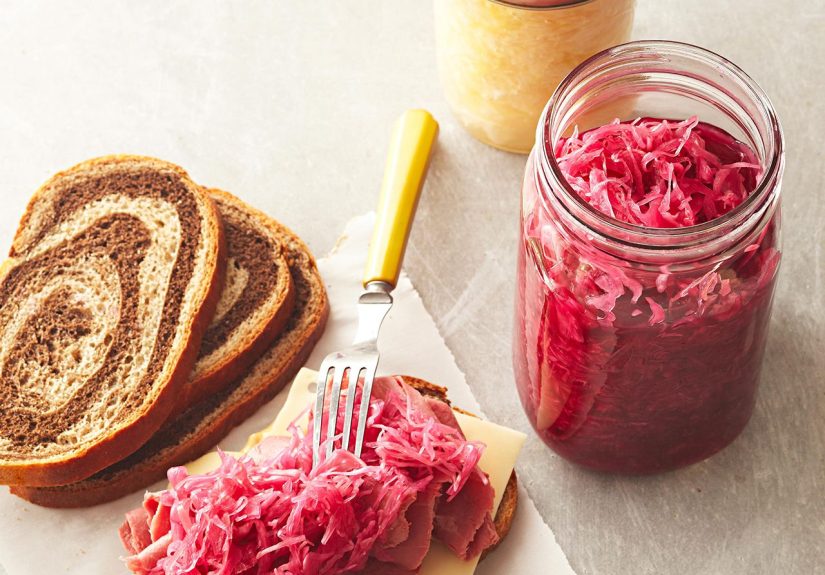
- Fold into grilled cheese or Reuben-style sandwiches
- Add near the end of cooking to soups and stews for tang and depth
Frequently Asked Questions
Do I need a starter culture?
Usually no. Fresh cabbage naturally carries lactic acid bacteria. Salt + submersion + time does the heavy lifting.
Starters can speed things up, but they’re optional for classic sauerkraut.
Can I use red cabbage?
Yesred cabbage ferments beautifully and turns jewel-toned. It’s not traditional German “white kraut,” but it’s delicious.
Keep the same salt-by-weight method.
Why non-iodized salt?
Non-iodized salts are commonly recommended for fermentation because additives in some table salts can cloud brine and may
interfere with fermentation performance. The biggest win is consistencychoose a salt you can measure accurately.
How do I know it’s done?
“Done” is a flavor decision. It should taste tangy and pleasantly sour, smell clean (not rotten), and stay mostly crisp.
If it tastes great, refrigerate it and enjoy.
Real-Life Kraut Experiences (Lessons from the Jar) 500+ Words
The first time you make homemade sauerkraut, there’s a momentusually around Day 2when you become convinced you’ve
invented a brand-new way to ruin cabbage. You’ll press your face near the jar like a detective, squinting at bubbles
and wondering if you’re smelling “pleasantly sour” or “mysterious gym sock.” That’s normal. Sauerkraut has a learning
curve, but it’s the friendliest kind: one that rewards you with snacks.
One of the biggest surprises is how physical the process feels. Recipes say “massage the cabbage,” which sounds like
a spa day. In practice, it’s more like negotiating with a stubborn vegetable until it finally gives up its water.
The cabbage starts dry and squeaky, then suddenly collapses into a glossy tangle floating in its own brine. That’s
the moment you realize: fermentation isn’t magicit’s controlled chaos with good manners.
Another lesson: headspace and overflow are not personal attacks. The first active ferment I did in a jar,
I tightened the lid too confidently and set it on the counter like a proud parent. Two days later, I had brine
creeping down the glass like a slow-motion horror movie. Nothing was “wrong”the ferment was simply alive and busy.
After that, every batch sat on a plate or tray, because experience is just wisdom that comes with a side of cleanup.
Then there’s the great “white film” scare. It’s hard not to panic the first time you see something pale on top.
My personal rule now is simple: if it’s fuzzy and colorful, I don’t debate it. If it’s a thin, flat, white film,
I treat it as a reminder to improve my setupmore submersion, less air exposure, cleaner tools. The jar teaches you
quickly that oxygen management is basically the difference between “I made sauerkraut” and “I made an unpleasant
biology project.”
The most rewarding part is tasting as it changes. Early on, it’s salty cabbage with ambition. Then it shiftsfirst
lightly tangy, then sharper, then rounder and more complex. That’s when you start realizing why traditional food
cultures treated fermentation like a craft. And once you’ve nailed your preferred sourness, you become picky in the
best way. Store-bought sauerkraut can be great, but homemade has a fresher crunch and a cleaner, brighter tang that
feels… alive.
Finally, sauerkraut has a sneaky side benefit: it makes you calmer about cooking in general. You get used to the idea
that good results come from simple rulesmeasure, keep things clean, control the environment, and give it time.
You stop rushing. You stop overfussing. And you start trusting your senses. If it smells clean and tastes great, you’ve
done it right. If it doesn’t, you learn and try again. Either way, you’re building skillone crunchy forkful at a time.