Table of Contents >> Show >> Hide
- Why Make Homemade Peanut Butter?
- Ingredients and Equipment
- Basic Homemade Peanut Butter Recipe
- How to Customize Texture and Sweetness
- Flavor Variations to Try
- Is Homemade Peanut Butter Healthy?
- How to Store Homemade Peanut Butter Safely
- Ways to Use Your Homemade Peanut Butter
- Real-Life Experiences and Tips for Making Homemade Peanut Butter
- 1. Your Food Processor Matters (But Doesn’t Have to Be Fancy)
- 2. The “Too Dry” Stage Is Normal
- 3. Warm Peanuts Make a Big Difference
- 4. Flavor Variations Are Best Built Gradually
- 5. Jar Size and Portioning Helps with Variety
- 6. Storage Habits Become Second Nature
- 7. Kids and Peanut Butter “Workshops”
- 8. Once You Start, It’s Hard to Go Back
If you’ve ever stared at a jar of peanut butter and thought, “I could probably make this…,” congratulations: you absolutely can. Homemade peanut butter is simple, affordable, and endlessly customizable. Plus, you control everything that goes into itno mystery oils, no excessive sugar, just pure peanut goodness (and whatever fun flavors you feel like adding).
This guide walks you through a basic homemade peanut butter recipe, then shows you how to turn that base into creative variationsfrom honey-vanilla to chocolate and even a spicy version for the bold. We’ll also cover nutrition, storage, and real-life tips so your homemade peanut butter is safe, delicious, and doesn’t turn into a brick in the fridge.
Why Make Homemade Peanut Butter?
1. Fewer Ingredients, More Control
Most commercial peanut butters are made with peanuts, sugar, stabilizers, and sometimes hydrogenated oils. When you make it at home, the basic version can be as simple as peanuts and a pinch of salt. You can decide whether to add sweetener, which oil to use (if any), and how salty you want it. It’s perfect for people watching added sugars or trying to avoid certain oils.
2. Fresh Flavor and Custom Texture
Freshly blended peanuts have a deep, toasty flavor that’s hard to beat. You can make your peanut butter super-smooth, thick and spreadable, or extra-chunky. Prefer “mostly smooth with a surprise crunch”? You can do that too by folding in chopped peanuts at the end.
3. Budget-Friendly and Flexible
Buying peanuts in bulk is often cheaper than buying premium nut butters. You can also use different types of peanutsdry-roasted, honey-roasted, or lightly saltedto change the taste without needing extra ingredients. Once you have the basic recipe down, you can spin off multiple flavored peanut butters from one batch.
Ingredients and Equipment
Basic Ingredients
- 3 cups roasted peanuts (unsalted or lightly salted work best)
- 1/4–1/2 teaspoon fine salt (skip if your peanuts are already salted and taste first)
- 1–2 tablespoons neutral oil (optional) – such as peanut, canola, or light-tasting avocado oil, for extra creaminess if needed
That’s the simplest version. Everything elsesweeteners and flavor additionsare optional and can be added once you’ve tasted the plain peanut butter.
Recommended Equipment
- Food processor – the most common choice for smooth peanut butter
- High-speed blender (with a tamper) – great for ultra-creamy results
- Rubber spatula – for scraping down the sides
- Airtight jars – glass or BPA-free plastic, for storing your peanut butter
Most home cooks find a standard food processor (7–12 cup capacity) handles 2–3 cups of peanuts comfortably. Smaller processors may struggle or overheat, so give them breaks if needed.
Basic Homemade Peanut Butter Recipe
Step-by-Step Instructions
-
Optional: Toast the peanuts for deeper flavor.
Spread the peanuts on a baking sheet and toast at 325°F (165°C) for 8–10 minutes, until fragrant and lightly darker in color. Let them cool slightly; warm peanuts blend more easily and release their natural oils, which helps create that creamy texture.
-
Add peanuts to the processor.
Place the peanuts in the bowl of your food processor. If using unsalted peanuts, you can add 1/4 teaspoon of salt now or wait until the end and season to taste.
-
Blend in stages.
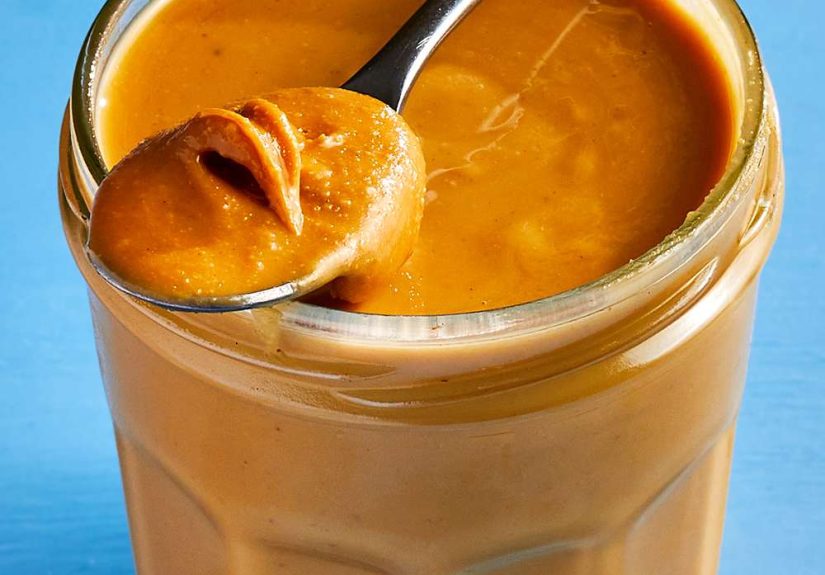
Start processing on medium-high. The peanuts will move through stages: coarse crumbs, a thick paste that clumps, then a ball that whirls around, and finally a smooth, glossy butter. This usually takes 5–10 minutes, depending on your machine and peanut type.
-
Scrape down and keep going.
Every minute or so, stop and scrape the sides and bottom so everything gets evenly processed. Be patientthere’s always an “it’s never going to turn creamy” moment right before it finally does.
-
Adjust texture with oil if needed.
If your peanut butter looks dry or very thick, drizzle in 1 teaspoon of neutral oil at a time, processing after each addition, until you reach your ideal consistency.
-
Taste and season.
Taste your peanut butter. Add more salt if needed. At this point, you can leave it plain or move on to one of the flavor variations below.
-
For crunchy peanut butter.
If you want texture, process an extra 1/2 cup of peanuts until they’re chopped and fold them into the finished smooth peanut butter by hand.
-
Transfer and store.
Spoon the peanut butter into a clean, airtight jar. Let it cool completely before sealing and refrigerating.
How to Customize Texture and Sweetness
Adjusting Texture
- Ultra-creamy: Use warm roasted peanuts, process longer, and add 1–2 tablespoons of oil if needed.
- Spreadable but thick: Process just until smooth and skip the oil.
- Chunky: Fold in chopped peanuts after you’ve made a smooth base.
Adjusting Sweetness
You don’t have to add sweetener at allmany people prefer the pure nutty flavor. But if you like a hint of sweetness:
- Honey: Adds floral sweetness and a slight chewiness.
- Maple syrup: Adds caramel-like notes and works well in fall-inspired variations.
- Brown sugar or coconut sugar: Adds deeper, molasses-style flavor, especially in chocolate versions.
Start with 1–2 tablespoons of sweetener per 2 cups of finished peanut butter, blend, and then taste. Remember that sweetness can intensify a bit once the peanut butter chills.
Flavor Variations to Try
Use the basic homemade peanut butter as your base. For each variation below, start with about 2 cups of smooth peanut butter in the processor or a mixing bowl, then add the flavors and pulse or stir until combined.
1. Honey-Vanilla Peanut Butter
- 2 cups homemade peanut butter
- 2–3 tablespoons honey
- 1 teaspoon pure vanilla extract
- Pinch of salt (if your base is unsalted)
Blend or stir until silky and fragrant. This one is especially good on toast, pancakes, or stirred into plain yogurt.
2. Maple-Cinnamon Peanut Butter
- 2 cups homemade peanut butter
- 2–3 tablespoons pure maple syrup
- 1–1½ teaspoons ground cinnamon
- Optional: pinch of nutmeg
This tastes like fall in a jar. It’s perfect in oatmeal, on sliced apples, or sandwiched between graham crackers.
3. Chocolate Peanut Butter
- 2 cups homemade peanut butter
- 3–4 tablespoons unsweetened cocoa powder
- 2–4 tablespoons honey or maple syrup, to taste
- 1–2 tablespoons warm water or neutral oil, if needed to loosen the texture
Blend until smooth and glossy. Adjust sweetness depending on whether you want it more snack-like or dessert-level indulgent. Spread on toast, swirl into brownie batter, or eat straight from the spoonno judgment.
4. Cinnamon Raisin Peanut Butter
- 2 cups homemade peanut butter
- 1 teaspoon ground cinnamon
- 2–3 tablespoons honey or maple syrup
- 1/3 cup raisins
Stir or pulse just until the raisins are evenly distributed. This variation makes an amazing PB toast topping and tastes like a peanut butter version of cinnamon raisin bread.
5. Sweet & Spicy Sriracha Peanut Butter
- 2 cups homemade peanut butter
- 1–2 tablespoons honey
- 1–2 teaspoons sriracha (or more, to taste)
- 1–2 teaspoons soy sauce or tamari (optional, for savory depth)
Whisk or blend until fully combined. This isn’t your standard sandwich spreadthink of it as a base for dipping sauce or for spreading on burgers, wraps, or grilled tofu. Add a splash of warm water if you want a thinner, drizzleable sauce.
6. Crunchy Honey-Roasted Peanut Butter
- 3 cups honey-roasted peanuts
- Optional: pinch of salt (taste firsthoney-roasted peanuts are often well-seasoned)
Process 2½ cups into smooth peanut butter, then roughly chop the remaining 1/2 cup and fold them in at the end. You’ll get a sweet-salty, crunchy spread that tastes like dessert but still works on toast or crackers.
Is Homemade Peanut Butter Healthy?
Peanuts are naturally rich in protein, healthy fats, and fiber. A typical 2-tablespoon serving of peanut butter provides about 7–8 grams of protein, heart-healthy monounsaturated fats, and small amounts of vitamins and minerals like vitamin E, magnesium, and potassium.
Homemade peanut butter can be a very nutritious choice because you’re skipping a lot of unnecessary extras. Here are a few points to keep in mind:
- Healthy fats: The fats in peanuts are mostly monounsaturated and polyunsaturated, which are associated with better heart health when they’re replacing saturated fats.
- Calories: Peanut butter is calorie-dense, so portions still matter, especially if you’re watching your weight. A little goes a long way.
- Sodium: If you’re monitoring salt intake, use unsalted peanuts and add only as much salt as you truly need for flavor.
- Added sugars: Sweetened variations are delicious but can add up quickly. Try starting with a small amount of honey or maple syrup and tasting before you add more.
For most people, a moderate portion of homemade peanut butter can comfortably fit into a balanced dietespecially when paired with whole grains, fruits, or veggies.
How to Store Homemade Peanut Butter Safely
Because homemade peanut butter usually doesn’t contain preservatives or stabilizers, it behaves differently from the big-brand jars in your pantry.
Room Temperature vs. Fridge
- Room temperature: A small jar of homemade peanut butter can stay out at room temperature for short periods while you’re using it, but long-term storage on the counter isn’t ideal. Natural oils can go rancid faster in warm or bright conditions.
- Refrigerator: The safest bet for homemade peanut butter is the fridge. Kept in an airtight container, most homemade peanut butter stays fresh for about 3–4 weeks. It might firm up, but you can soften it by letting it sit at room temperature for 10–15 minutes or giving it a quick stir.
How to Tell If Peanut Butter Has Gone Bad
Whether homemade or store-bought, peanut butter that’s past its prime tends to:
- Smell bitter, paint-like, or “off” instead of nutty and toasty
- Develop an unusual color or visible mold
- Taste sour or bitter
If you notice any of those signs, it’s safest to toss the jar. A little oil separation on top is normal for natural peanut butterjust stir it back in. What you want to avoid is a harsh, rancid smell or any visible spoilage.
Ways to Use Your Homemade Peanut Butter
Once you’ve filled your jars, the fun really starts. Here are a few easy ways to use homemade peanut butter:
- Spread on whole-grain toast with sliced bananas or strawberries
- Stir into oatmeal or overnight oats for extra creaminess
- Blend into smoothies for a protein and flavor boost
- Use chocolate or maple-cinnamon peanut butter as a filling for stuffed dates
- Whisk spicy peanut butter with a bit of water, lime juice, and soy sauce for a quick noodle or salad dressing
Real-Life Experiences and Tips for Making Homemade Peanut Butter
Home cooks who get hooked on making their own peanut butter often go through a similar journey: cautious first batch, a “wait, that’s it?” realization, and then a wild phase of throwing every sweetener and spice in the pantry into the processor. Along the way, a few practical lessons tend to emerge.
1. Your Food Processor Matters (But Doesn’t Have to Be Fancy)
One common fear is, “Will this destroy my food processor?” In most cases, noif you use roasted peanuts and give the machine breaks if it heats up. People who use compact processors sometimes notice the motor getting warm. The fix is simple: work in smaller batches, pulse instead of continuously running, and scrape down the sides often. Over time, you’ll get a feel for how long your machine can comfortably run.
High-speed blenders can make incredibly silky peanut butter, but they also tend to require a tamper and a bit more attention. Many home cooks find that a basic midrange food processor gives the best balance of ease, texture, and price.
2. The “Too Dry” Stage Is Normal
Nearly everyone hits a moment when the peanuts look like damp sand or a stubborn dough ball and it seems like they’ll never turn creamy. This is usually when people panic and dump in too much oil. The reality: that dry-looking stage is just a phase. If you keep processing, the peanuts will usually release more oil and smooth out on their own.
A better approach is to wait it out for another minute or two, then add oil just a teaspoon at a time if it still seems too thick. Many home cooks are surprised at how little oil they actually need once they’re patient with the blending process.
3. Warm Peanuts Make a Big Difference
A small but powerful tip: start with warm peanuts. Roasting them briefly in the oven brings out flavor, but it also softens the nuts and helps their natural oils flow. People who switch from room-temperature peanuts to warm, freshly roasted ones often notice their peanut butter becomes smoother faster and tastes more aromatic, with a “freshly baked” kind of nuttiness.
4. Flavor Variations Are Best Built Gradually
It’s tempting to measure out big amounts of cinnamon, cocoa, or honey and throw them all in at once. Some home cooks quickly discover that a heavy hand with strong flavors can turn your peanut butter into something you need to “fix” instead of enjoy.
A smarter strategy is to treat the basic peanut butter like a blank canvas. Add a little cinnamon, taste. Add a bit of honey, taste. Need more chocolate? Add one more spoonful of cocoa and whiz again. Not only does this help you learn your personal sweet spot for each flavor, but it also means you’re less likely to end up with an overly sweet or aggressively spiced jar.
5. Jar Size and Portioning Helps with Variety
Another tip from experienced home peanut-butter makers: don’t commit the entire batch to one flavor. Divide your basic peanut butter into smaller jarsmaybe one plain, one maple-cinnamon, one chocolate. That way, you can experiment without “ruining” the whole batch, and you’ll have a variety of flavors ready for different moods or recipes.
This also helps with freshness. Smaller jars mean you’re only opening one flavor at a time, which can slow down oxidation and keep each jar tasting better for longer.
6. Storage Habits Become Second Nature
Once people get used to refrigerating homemade peanut butter, it quickly becomes routine. Many home cooks keep a small jar in the fridge that they refill from a larger jar, or they bring a jar to room temperature a bit before breakfast to soften it up. Keeping a spoon or butter spreader just for nut butter can also help avoid cross-contamination and crumbs in the jar.
7. Kids and Peanut Butter “Workshops”
Families often discover that making peanut butter is a surprisingly fun kid-friendly project. Children can help pour peanuts into the processor, listen to the changing sound as the nuts blend, and vote on which flavors to add. Offering small taste tests of honey-vanilla versus chocolate or maple-cinnamon can turn the process into a low-key “flavor lab” and gently encourage kids to try new foods.
Just keep safety in mind: adults should handle roasting, hot ingredients, and anything involving sharp blades. Kids can help with measuring, stirring, and, of course, official spoon-licking.
8. Once You Start, It’s Hard to Go Back
Many people who get into the habit of making homemade peanut butter say the same thing: store-bought just doesn’t taste the same afterward. The fresh aroma, customized sweetness, and ability to tweak the texture make homemade incredibly satisfying.
Whether you stick with a simple two-ingredient version or become the household “nut butter mixologist,” learning how to make homemade peanut butter gives you a quick, practical recipe that you’ll use over and over. And if nothing else, it’s strangely impressive to tell people, “Oh, this? I made the peanut butter myself.”