Table of Contents >> Show >> Hide
- What you’ll find in this recipe
- Why honey fruit salad works
- Ingredients
- Honey citrus dressing (3 options)
- Step-by-step instructions
- Make-ahead, storage, and food-safety tips
- Seasonal variations & add-ins
- FAQ & troubleshooting
- Closing thoughts
- Real-kitchen experiences (): what people usually learn after making honey fruit salad a few times
- SEO tags (JSON)
If you’ve ever stared into your fridge wondering how you ended up with one lonely kiwi, a half-full clamshell of berries,
and “a melon situation,” congratulationsyou’re exactly one honey-lime drizzle away from a fruit salad that tastes like
sunshine wearing sunglasses.
This in-depth guide covers the best fruits to use, a foolproof honey citrus dressing, make-ahead tips, and real-life
troubleshooting (because fruit salad is easy… until it isn’t). The goal: bright, juicy fruit with a glossy, not-too-sweet
finishand zero weird mushy surprises.
Why honey fruit salad works
Fruit salad can be amazing or… a bowl of regret. The difference is usually balance and timing.
Honey brings mellow sweetness (less sharp than plain sugar), while citrus juice adds acidity that perks up flavors and helps slow
browning in fruits like apples and pears.
Think of the dressing like a tiny “spotlight operator” for your fruit: it doesn’t steal the show, it just makes everything look and
taste better. When done right, you get:
- Brighter flavor: citrus makes berries taste berrier, melons taste melon-ier, and pineapple taste like it paid its rent on time.
- Better texture: the right fruit mix keeps things juicy without turning watery.
- More reliable make-ahead: you can prep smarter (bananas last!) and keep the bowl looking fresh longer.
Ingredients
Fruit (choose a “rainbow” mix)
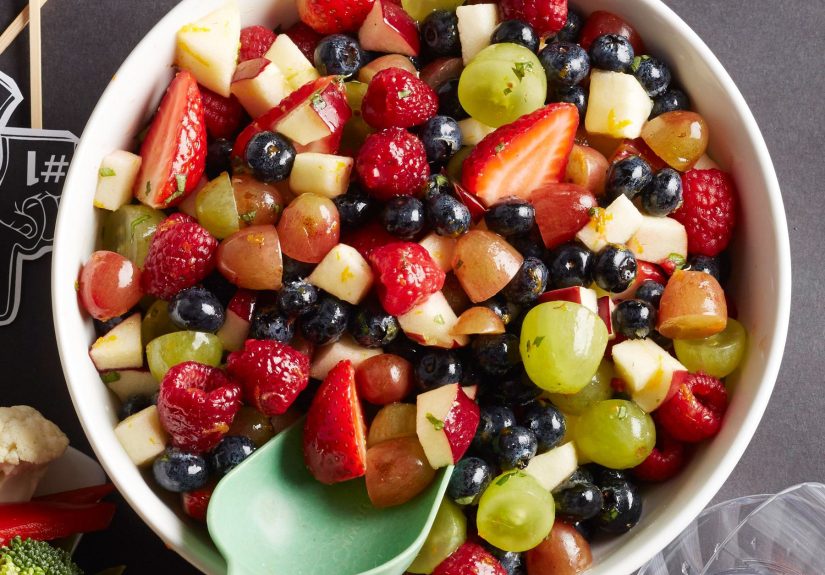
The best honey fruit salad uses a mix of flavors and textures: juicy + crisp, sweet + tart, soft + snappy. Below is a great
“crowd bowl” combo (about 10–12 cups total), but consider it a flexible blueprint.
- 2 cups strawberries, hulled and sliced
- 1 cup blueberries
- 1 cup raspberries (optional, add right before serving if very delicate)
- 2 cups seedless grapes, halved if large
- 2 cups pineapple chunks
- 2 cups watermelon cubes (or cantaloupe/honeydew)
- 3 kiwis, peeled and sliced or diced
- 2 mandarins or 2 oranges, segmented (or use drained mandarin segments)
- 1 crisp apple (Gala, Honeycrisp, or Granny Smith), diced
- 1 banana, sliced (optionaladd right before serving)
Optional add-ins (for extra personality)
- Fresh mint (the “why does this taste fancy?” effect)
- Poppy seeds (tiny crunch + brunch vibes)
- Toasted coconut or chopped pistachios (sprinkle at the end for texture)
- Shredded basil (surprisingly great with berries and melon)
- Pinch of salt (yes, reallysalt makes sweet flavors pop)
How to pick fruit that won’t betray you
- Firm berries: avoid bruised or leaky berries; they can turn the whole bowl soggy.
- Ripe-but-firm melon: too ripe = watery; too unripe = sadness.
- Crisp apples/pears: for crunch and structure (your salad’s “backbone”).
- Bananas: only if serving soon; bananas are dramatic and brown fast.
Honey citrus dressing (3 options)
Option A: Classic honey-lime dressing (bright + simple)
- 1/4 cup honey
- 3 tablespoons fresh lime juice (about 1–2 limes)
- 1 teaspoon lime zest
- 1/2 teaspoon vanilla extract (optional, but very good)
- Pinch of salt
- 1–2 teaspoons poppy seeds (optional)
- 1–2 tablespoons chopped mint (optional)
Option B: Honey-orange dressing (mellow + kid-friendly)
Swap some (or all) of the lime with orange juice for a softer citrus flavor. This is especially nice with berries and grapes.
- 1/4 cup honey
- 2 tablespoons lime juice (or lemon)
- 3 tablespoons orange juice
- 1 teaspoon orange zest (optional)
- Pinch of salt
Option C: Creamy honey-lime “cloud” dressing (dessert-y, not heavy)
If you want “fruit salad that could pass as dessert,” this is your move. It’s especially good for brunch, baby showers,
and people who claim they “don’t like fruit” (we’re working on them).
- 1/3 cup plain Greek yogurt
- 3 tablespoons honey
- 2 tablespoons lime juice
- 1 teaspoon lime zest
- 1/2 teaspoon vanilla extract
- Pinch of salt
Step-by-step instructions
1) Wash and dry your fruit properly
Rinse fruit under running water (no soap, no produce washesjust water), then dry it well. Water clinging to berries is one of
the fastest ways to get a watery fruit salad.
2) Prep fruit in “smart order”
- Start with sturdy fruit: pineapple, grapes, melon, oranges/mandarins.
- Then berries: strawberries and blueberries.
- Add delicate fruit last: raspberries and banana (if using).
3) Keep apples (and pears) from browning
If you’re adding apples or pears, toss them with a little citrus right after cutting. For extra insurance, you can dip diced apples
in a quick solution of water + lemon juice for a few minutes, drain well, and then add to the bowl.
4) Make the dressing
In a small bowl or jar, whisk (or shake) honey, citrus juice, zest, vanilla (if using), and a pinch of salt until smooth.
If your honey is thick, warm it for 5–10 seconds in the microwave so it blends easily.
5) Dress and chill
- Pour about two-thirds of the dressing over the fruit and toss gently.
- Taste. Add more dressing only if needed (you can always add; you can’t un-add).
- Chill 20–60 minutes for the flavors to mingle like they’re at a party.
- Add bananas and very delicate berries right before serving.
6) Finish like you meant it
- Top with chopped mint.
- Add a sprinkle of poppy seeds or toasted coconut.
- Serve cold, in a big bowl that says, “Yes, I host gatherings.”
Make-ahead, storage, and food-safety tips
Make-ahead strategy (so it stays pretty)
- Up to 24 hours ahead: Wash/dry whole fruit, cut sturdy fruit (melon, pineapple, grapes), and mix the dressing. Store separately.
- 2–6 hours ahead: Combine sturdy fruit + berries + apples (treated with citrus). Add dressing. Chill.
- Right before serving: Add bananas, raspberries, and any crunchy toppings.
How long does fruit salad last?
For best texture and flavor, fruit salad is happiest on day one. In the fridge (covered), it’s typically still enjoyable for
1–3 days. Some sturdier mixes can go a bit longer, but quality drops as fruits release juice and soften.
When in doubt, trust your senses: if it smells “off,” looks slimy, or tastes fermented, it’s time to say goodbye.
Food-safety basics (quick but important)
- Keep it cold: Refrigerate cut fruit promptly and keep your fridge at 40°F or below.
- Two-hour rule: Don’t leave fruit salad at room temperature for more than about 2 hours (less if it’s very hot out).
- Serving outdoors: Set the bowl over a larger bowl of ice and replace the ice if it melts.
- Little-kid note: Honey should not be given to children under 12 months. If serving infants, skip the honey and sweeten with mashed ripe fruit or a bit of fruit juice instead.
Seasonal variations & add-ins
Spring (fresh + floral)
- Strawberries, pineapple, kiwi, grapes
- Dressing: honey-lime + mint
- Add-in: a few torn basil leaves for a “wait, why is this so good?” moment
Summer (the classic potluck hero)
- Watermelon, cantaloupe, blueberries, strawberries, pineapple
- Dressing: honey-lime (add poppy seeds if you’re feeling fancy)
- Add-in: toasted coconut for beach-vacation energy
Fall (crisp + cozy)
- Apples, pears, grapes, pomegranate arils
- Dressing: honey-orange + a tiny pinch of cinnamon
- Add-in: chopped toasted pecans (add at the end so they stay crunchy)
Winter (bright + citrusy)
- Oranges, grapefruit, kiwi, pineapple, pomegranate
- Dressing: honey + lime + orange zest
- Add-in: mint or a little grated ginger for sparkle
Protein boost (turn it into a snack)
Serve fruit salad with a side of Greek yogurt, cottage cheese, or a nut butter dip. You still get the bright fruit flavor,
and it keeps you full longer.
FAQ & troubleshooting
Can I use frozen fruit?
You can, but frozen fruit releases a lot of liquid as it thawsgreat for smoothies, less great for a crisp fruit salad.
If you must, use frozen fruit as a partial mix-in (like frozen blueberries), thaw briefly, drain well, and expect a softer texture.
My fruit salad is wateryhelp!
- Dry fruit after rinsing (especially berries).
- Use ripe-but-firm melon and avoid overripe pineapple.
- Dress lightly and add more only if needed.
- Drain juicy fruit (like canned mandarins) very well before adding.
It tastes too tart / too sweet
- Too tart: add 1–2 teaspoons honey, or more sweet fruit (ripe grapes, mango, banana).
- Too sweet: add an extra squeeze of lime, or more tart fruit (kiwi, berries, grapefruit).
How do I keep bananas from turning brown?
Short answer: you don’tbananas are committed to the bit. Longer answer: add them at the very end, toss gently in dressing,
and serve soon after. If you need a make-ahead bowl, skip bananas and use extra grapes or melon for sweetness instead.
Can I make it for a party?
Absolutely. For a crowd of 16–20, aim for 20–24 cups fruit and double the dressing. Use a big bowl, toss gently,
and keep it chilled. If you’re outdoors, nest the serving bowl into a larger bowl filled with ice.
Closing thoughts
A great honey fruit salad is basically a choose-your-own-adventure story where every ending is deliciousif you follow the
simple rules: pick a balanced fruit mix, keep everything dry and cold, and let honey + citrus do what they do best.
Make it once, then customize it for the season and your crowd. Add mint when you want it refreshing, vanilla when you want it cozy,
and yogurt when you want it to feel like dessert wearing a health halo.
Real-kitchen experiences (): what people usually learn after making honey fruit salad a few times
Honey fruit salad is one of those recipes that looks like it should be impossible to mess upyet almost everyone has a “fruit salad incident”
story. Not because the recipe is hard, but because fruit has opinions. Here are the most common experiences home cooks report (and what to do
about them), so your bowl stays bright, balanced, and picnic-proof.
Experience #1: The “why is it swimming?” surprise. Many people make fruit salad, put it in the fridge, and come back later to discover
what looks like a fruit-flavored swimming pool. The usual cause isn’t the dressingit’s water left on fruit after washing, plus very juicy fruit
(overripe melon, thawed fruit, or undrained canned segments). The fix is boring but effective: dry berries well, choose ripe-but-firm melon, and
drain anything canned like it owes you money.
Experience #2: The banana betrayal. Bananas taste great in fruit salad for about fifteen minutes, and then they begin their slow
transformation into brown coins of disappointment. People often learn to treat bananas like the “last-minute guest” at a party: invite them right
before serving. If you’re making fruit salad ahead, swap bananas for grapes, mango, or extra berriesfruits that can handle being refrigerated without
turning into a mood.
Experience #3: The apple/pear browning battle. A lot of cooks discover that apples and pears add excellent crunchbut they also oxidize.
Tossing them immediately with citrus (or giving them a quick lemon-water dip) is a small step that makes the bowl look fresher for longer. The bonus:
a little tartness helps balance very sweet fruit like pineapple and grapes, so the salad tastes “bright” instead of “candy bowl.”
Experience #4: The dressing dilemmatoo much vs. not enough. It’s common to pour all the dressing in at once because you’re excited,
and then realize the salad tastes like a honey-lime beverage with fruit floating in it. The better strategy is to start with two-thirds, toss, taste,
then add more only if needed. Most people find the fruit itself is already sweet; the dressing should act like a highlight, not a marinade.
Experience #5: The “why does it taste better the next day?” moment. When fruit salad rests for 20–60 minutes, flavors mingle: berries
share a little juice, citrus lifts everything, and the bowl becomes more cohesive. But there’s a trade-offtoo long and texture starts to soften.
That’s why many people settle into a rhythm: prep sturdy fruit and dressing early, combine a few hours before serving, and add delicate fruit right
at the end. It feels effortless, but it’s secretly strategic.
In the end, honey fruit salad is less about strict rules and more about paying attention: keep it cold, keep it dry, taste as you go, and remember
that fruit is freshest when it’s in season. Do that, and your bowl will disappear fastusually right after someone says, “Wait… what did you put in this?”