Table of Contents >> Show >> Hide
- Quick takeaway: Are pomegranates “good for your heart”?
- Why pomegranates get a “heart-healthy” reputation
- What the research suggests (and what it doesn’t)
- Whole pomegranate vs. juice vs. supplements: which is best for the heart?
- How to add pomegranates to a heart-healthy routine (without getting bored)
- How much is “enough” for heart benefits?
- Who should be careful with pomegranate (yes, even fruit has fine print)
- The best way to use pomegranates for your heart
- Bottom line
- Real-world experiences with pomegranates and heart health (what people actually notice)
Pomegranates have a reputation that’s basically “tiny ruby gems that make your heart sing.” And while your heart
probably won’t break into a Broadway number after one glass of juice, pomegranates do bring some real
cardio-friendly perks to the tablemostly thanks to their powerhouse plant compounds and nutrients.
Still, here’s the honest headline: pomegranates are a helpful supporting actor, not the main
character. They can fit beautifully into a heart-healthy eating pattern, and research suggests they may
modestly improve some risk factors (especially blood pressure). But they’re not a replacement for
medication, movement, sleep, or a diet that isn’t held together by drive-thru receipts and vibes.
Quick takeaway: Are pomegranates “good for your heart”?
In most cases, yespomegranates can support heart health because they’re rich in antioxidants (especially
polyphenols), plus potassium and (if you eat the arils) fiber. Studies suggest pomegranate juice may help lower
blood pressure a bit and may reduce oxidative stress, which matters because oxidative stress and inflammation are
linked to artery damage over time.
The key word is may. Effects vary depending on your starting health, the form you choose (whole
fruit vs. juice), and what your overall lifestyle looks like. Pomegranates can be part of a heart-smart planbut
they can’t outvote a diet that’s doing your arteries dirty.
Why pomegranates get a “heart-healthy” reputation
1) They’re loaded with polyphenols (a.k.a. plant compounds with benefits)
Pomegranates contain several types of polyphenolslike punicalagins, anthocyanins, and ellagic acid-related
compounds. Polyphenols are known for antioxidant activity, which helps your body handle free radicals and reduce
oxidative stress. That matters because oxidative stress contributes to the “wear and tear” on blood vessels that
can lead to atherosclerosis (plaque buildup).
Translation: polyphenols don’t “clean your arteries” like a magical drain snake, but they may reduce the
biological stress that makes artery damage more likely over time.
2) They may support blood vessel function
Your blood vessels aren’t just pipesthey’re living tissue that responds to inflammation, oxidative stress, and
chemical signals. Healthy vessels dilate and constrict smoothly to regulate blood flow and pressure. Research on
pomegranate suggests potential benefits for endothelial function (the endothelium is the inner lining of blood
vessels), possibly by supporting nitric oxide availability and reducing oxidative damage.
3) They bring potassium (helpful for blood pressure)
Potassium helps balance sodium and supports healthy blood pressure regulation. Whole pomegranate arils contribute
potassium along with other nutrients. If you’re working on blood pressure, potassium-rich foods can be a smart
moveespecially when they replace salty, ultra-processed options.
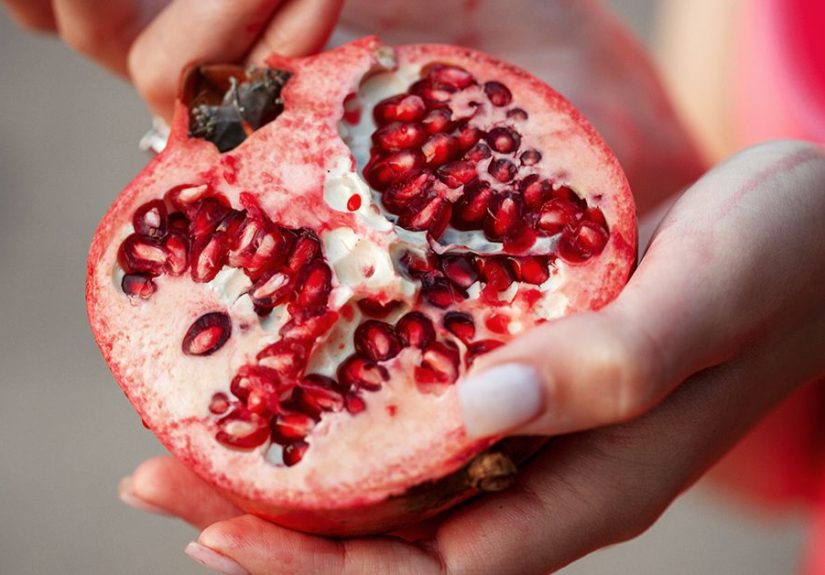
4) The arils (seeds) provide fiberjuice doesn’t
Fiber supports heart health in multiple ways: it’s linked with better cholesterol profiles, improved blood sugar
control, and a healthier gut microbiome (which is increasingly connected to cardiometabolic health). If you drink
pomegranate juice, you miss most of that fiberso the “whole fruit” version is often the most heart-friendly.
What the research suggests (and what it doesn’t)
Pomegranate and blood pressure: the most consistent signal
Among the heart-related outcomes studied, blood pressure is where pomegranate juice shows the
most promising and consistent results. Across clinical trials and pooled analyses, regular intake of pomegranate
juice has been associated with modest reductions in systolic blood pressure (the top number), and
sometimes diastolic pressure (the bottom number).
That “modest” part matters. Think of it as a small nudge in the right directionnot a dramatic before-and-after
infomercial moment. People with elevated blood pressure may see a bigger benefit than people who already have
optimal readings.
Cholesterol and LDL: mixed but interesting
Some studies suggest pomegranate may help reduce LDL oxidation (a harmful process where LDL particles become more
damaging to blood vessels). This is important because oxidized LDL plays a role in plaque formation. But when it
comes to classic cholesterol numbers (LDL, HDL, triglycerides), results are more variable. That doesn’t mean
“no benefit”it means pomegranate isn’t a guaranteed cholesterol-lowering tool for everyone.
Inflammation and oxidative stress: plausible benefits, hard endpoints still unclear
Many studies focus on biomarkerslike oxidative stress measures and inflammation markers. These are meaningful,
but they’re not the same as proving pomegranates prevent heart attacks or strokes. Right now, the strongest,
most responsible conclusion is:
pomegranates may improve some risk factors, but they’re not confirmed to prevent cardiovascular
events on their own.
So… are pomegranates “worth it”?
If you like them, absolutely. They’re nutrient-dense, flavorful, and easy to build into a heart-healthy pattern.
If you hate them, don’t force itthere are plenty of other polyphenol-rich foods (berries, grapes, olive oil,
nuts, cocoa, green tea) that can also support cardiovascular health.
Whole pomegranate vs. juice vs. supplements: which is best for the heart?
Whole fruit (arils): best “all-around” pick
Eating the arils gives you polyphenols plus fiber, and it typically keeps calories and sugar more
reasonable than juice. It also slows down how quickly sugars hit your bloodstream, especially when paired with a
protein or healthy fat.
- Pros: Fiber + nutrients, more filling, usually better for blood sugar balance.
- Cons: Can be messy. (Your shirt will remember.)
100% pomegranate juice: convenient, but watch the sugar
Pomegranate juice concentrates the fruit’s natural sugars and calories, and it removes most of the fiber. That
doesn’t make it “bad”it just means portion matters, especially if you’re managing blood sugar, triglycerides, or
overall calorie intake.
A practical heart-friendly approach is small daily servings (for example, 4–8 ounces) of
100% juice with no added sugar. Another trick: mix it with sparkling water to cut sugar per
serving while keeping that tart flavor.
Extracts and supplements: proceed carefully
Supplements can vary wildly in quality, dosing, and what compounds they actually contain. They’re also more
likely to create medication interaction concerns. Unless your clinician recommends a specific product for a
specific reason, whole foods are usually the safer and more predictable option.
How to add pomegranates to a heart-healthy routine (without getting bored)
Heart-healthy eating works best when it’s realistic. Here are easy ways to use pomegranates that don’t require a
culinary degree or a dramatic slow-motion salad toss.
Simple, heart-smart ideas
- Breakfast upgrade: Sprinkle arils on oatmeal with walnuts and cinnamon.
- Yogurt parfait: Greek yogurt + arils + chia seeds + a drizzle of honey (optional).
- Salad pop: Add arils to spinach salad with olive oil, lemon, and grilled chicken or chickpeas.
- “Mocktail” move: 2–4 oz pomegranate juice + sparkling water + lime + mint.
- Roasted veggies: Top roasted carrots or Brussels sprouts with arils and toasted pistachios.
- Whole-grain bowls: Quinoa, cucumber, herbs, feta, arils, and olive oil.
- Snack plate: Arils with almonds and a piece of string cheese.
- Freezer hack: Freeze arils on a tray; toss into smoothies or use as “fruit ice.”
How much is “enough” for heart benefits?
There isn’t one perfect dose for everyone, but research and dietitian guidance commonly land in these
practical ranges:
- Whole arils: About 1/2 cup as a serving (easy to add daily or several times per week).
- 100% juice: Roughly 4–8 ounces daily if you tolerate it and it fits your nutrition goals.
Consistency beats intensity. Having pomegranate once every three months (right after you remember it exists) is
less helpful than regularly eating a variety of fruits, vegetables, legumes, and healthy fats.
Who should be careful with pomegranate (yes, even fruit has fine print)
Pomegranates are safe for most people, but there are a few situations where it’s smart to check with a clinician,
pharmacist, or a trusted adult who manages your healthcareespecially if you take medications.
Potential medication interactions
- Blood thinners (like warfarin): There are reports suggesting a possible interaction. If you take
anticoagulants, don’t “suddenly start” daily pomegranate juice without medical guidance. - Blood pressure medications: If pomegranate lowers your blood pressure even a little, combining
it with meds could contribute to lightheadedness in some people. - Statins and other meds metabolized in the liver: Some experts recommend caution, similar to the
way grapefruit can interact with certain medications (evidence varies, so individualized advice matters).
Blood sugar and calorie considerations
Whole pomegranates can fit nicely into blood sugar-friendly eating because fiber slows digestion. Juice is trickier
because it’s easier to drink a lot quickly. If you have diabetes or insulin resistance, try juice with a meal (not
on an empty stomach) and keep servings modest.
Acid reflux and sensitive stomach
Pomegranate’s tartness can bother some people with reflux. If that’s you, try smaller servings, avoid drinking it
right before lying down, or choose arils with a meal.
The best way to use pomegranates for your heart
If your goal is heart health, think “pattern,” not “product.” Pomegranates work best when they’re part of a wider
approachlike a Mediterranean-style or DASH-style eating pattern (vegetables, fruits, beans, nuts, olive oil,
fish, and less ultra-processed food).
In that context, pomegranates can be a delicious tool for:
- Adding more fruit and variety (which helps people stick with healthy eating long-term)
- Boosting antioxidant intake through real food
- Replacing less heart-friendly snacks and drinks
- Potentially nudging blood pressure in the right direction
Bottom line
Pomegranates are genuinely good for your heartmostly because they’re rich in polyphenols and nutrients linked to
better vascular health. The most consistent research finding is a modest blood pressure benefit,
especially from regular, moderate intake of 100% pomegranate juice. Whole arils offer extra advantages because
they include fiber.
The smartest move is simple: enjoy pomegranates as part of an overall heart-healthy lifestyle, and keep
expectations realistic. Your arteries want habits, not miracles.
Real-world experiences with pomegranates and heart health (what people actually notice)
When people add pomegranates to their routine for heart health, the “experience” usually isn’t dramaticit’s
surprisingly practical. A common first reaction is just how intense the flavor is. Pomegranates
are tart, bright, and slightly sweet, which makes them feel like a treat even when they’re doing something
nutritionally responsible. That’s helpful because the best heart-friendly foods are the ones you’ll actually eat
when you’re tired, busy, or standing in front of the fridge like it’s a philosophical problem.
The second thing people notice is the portion reality check. Eating arils is slow. You can’t
inhale them the way you can inhale chips. That “built-in speed bump” often nudges people toward more mindful
snacking, which can indirectly support heart health by reducing overall calorie intake. Many people also find
arils satisfying in a way that feels different from other fruitcrunchy, juicy, and kind of funso they’re more
likely to swap them in for desserts or sugary snacks.
With pomegranate juice, the experience is different: it’s easy to drink more than you intended. People often
report that once they start using juice daily, they have to rethink where it fits. Some decide
it replaces a sweet coffee drink. Others mix it with sparkling water and lime and treat it like a “healthy
mocktail,” which makes the habit feel enjoyable instead of clinical. This is where pomegranate can shine: when it
becomes a small, repeatable ritual that nudges you away from less heart-friendly drinks.
In terms of how people feel physically, the most common “noticeable” change isn’t a magical surge of energyit’s
subtle: feeling a bit better overall because they’re eating more whole foods. Some people who track their blood
pressure at home report that their numbers look a little better after a few weeks of consistent intake, especially
if they also cleaned up sodium, started walking more, or lost a little weight. The important part is that
pomegranates are often one piece of a bigger change, so the benefit comes from the combination.
There are also a few “real life” obstacles. One is mess. Many people buy whole pomegranates once, get pomegranate
juice on their counter, and decide that store-prepped arils are worth it. Another obstacle is cost: arils can be
expensive depending on season and location. People who keep the habit long-term often rotate pomegranate with
other polyphenol-rich foods (berries, grapes, citrus, cocoa) so they get variety without depending on one fruit.
Finally, the most useful experience-related lesson is expectation management. People who do best with
pomegranates treat them like a supporting habit. They enjoy the taste, they use it to make salads
and breakfast bowls more exciting, and they let the science do what it does best: provide small, steady advantages
over time. It’s not flashybut neither is most of the stuff that actually protects your heart.