Table of Contents >> Show >> Hide
- How Long Does a Furnace Really Last?
- When Age Stops Being “Just a Number”
- 9 Signs You Need to Replace Your Furnace
- 1. Your Furnace Is 15 to 20 Years Old
- 2. Your Energy Bills Keep Climbing
- 3. You Are Calling for Repairs All the Time
- 4. Some Rooms Feel Like the Arctic and Others Feel Like Florida
- 5. It Makes Strange Noises
- 6. You Notice Weird Smells, Rust, or Soot
- 7. Your Furnace Short-Cycles or Runs Constantly
- 8. Your Indoor Air Feels Dustier, Drier, or Less Comfortable
- 9. Safety Concerns Start Entering the Conversation
- Repair or Replace? A Simple Way to Think About It
- What You Gain With a New Furnace
- How to Make Your Furnace Last Longer
- Homeowner Experiences: What an Aging Furnace Really Feels Like
- Conclusion
Furnaces do not usually announce retirement with a polite letter and a sheet cake. They are more dramatic than that. One day they hum along like loyal basement workhorses. The next day they clank, wheeze, short-cycle, and make your energy bill look like it accidentally enrolled in a luxury lifestyle program.
If you have ever stood over a floor vent wondering whether your furnace is “aging gracefully” or “one sneeze away from disaster,” you are not alone. Homeowners ask the same question every winter: how long does a furnace really last, and how do you know when it is time to stop repairing it and finally replace it?
The honest answer is that there is no single magic expiration date stamped on every unit. But there is a practical range, and there are very real warning signs that tell you when your heating system is no longer worth the pep talks. Let’s break down furnace lifespan, what shortens it, and the nine biggest signs your old heater may be ready for the big thermostat in the sky.
How Long Does a Furnace Really Last?
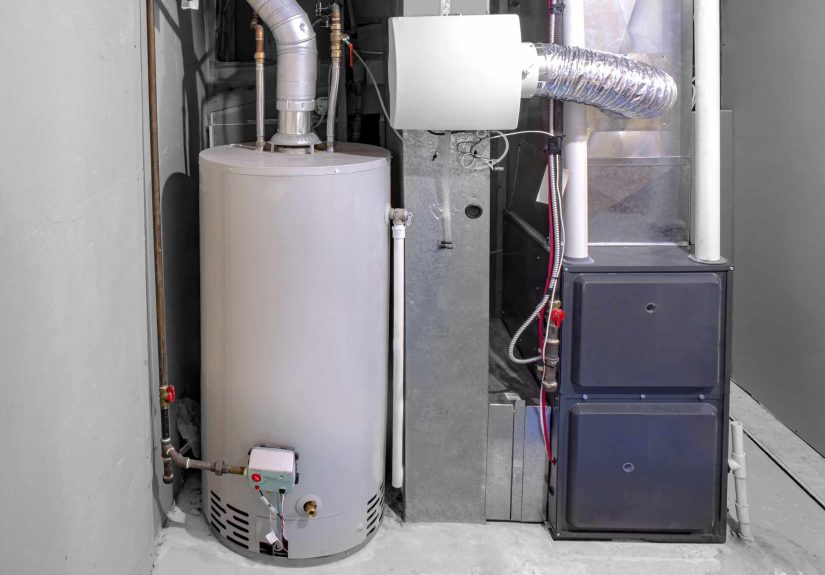
For most homes, a furnace lasts about 15 to 20 years. That is the range most HVAC professionals, home experts, and consumer guides circle back to again and again. Some systems quit earlier because of poor maintenance, hard use, or sloppy installation. Others keep going past 20 years because they were installed correctly, serviced regularly, and treated like the mechanical royalty they believe themselves to be.
In other words, furnace lifespan is not just about age. It is about maintenance, fuel type, usage patterns, climate, air quality, and repair history. A furnace in a cold climate that runs constantly through long winters may wear out faster than one in a milder region. A dirty filter, clogged blower, neglected burner, or bad airflow can put extra stress on the system year after year.
Gas vs. Electric Furnace Lifespan
Gas furnaces often live in the 15-to-20-year neighborhood, though some make it a bit longer with excellent care. Electric furnaces can sometimes last longer because they have fewer combustion-related parts and do not deal with burners, heat exchangers, or pilot issues in the same way. Still, “can last longer” is not the same as “should be trusted forever.” An old electric furnace can also become inefficient, expensive to run, and frustratingly unreliable.
What Impacts Furnace Longevity?
Several things decide whether your furnace ages like fine wine or like milk forgotten in a hot car:
Maintenance: Annual tune-ups, clean filters, and prompt repairs can add years to a furnace’s useful life.
Installation quality: A poorly sized or badly installed system may struggle from day one.
Usage: The harder and longer your furnace runs, the faster parts wear down.
Airflow: Dirty filters, blocked vents, and duct issues force the system to work harder than it should.
Moisture and corrosion: Rust, condensation problems, and age-related deterioration can quietly chew through key components.
When Age Stops Being “Just a Number”
Once a furnace crosses the 15-year mark, it deserves a little more scrutiny. That does not mean you must drag it to the curb on its fifteenth birthday. It does mean you should start paying attention to efficiency, comfort, repair frequency, and safety. Older furnaces are more likely to cost more to operate, need more service, and offer less consistent heating than newer high-efficiency models.
That matters because replacement is not only about avoiding a breakdown. It is also about lower monthly heating costs, better comfort, quieter operation, and fewer surprise repair bills. A furnace that technically still works can still be the wrong furnace to keep.
9 Signs You Need to Replace Your Furnace
1. Your Furnace Is 15 to 20 Years Old
This is the big one. Age alone does not condemn a furnace, but it definitely puts it on the watch list. If your system is pushing 15 years or beyond, you are in the zone where breakdowns, efficiency loss, and costly repairs become more common.
At that point, every repair should be viewed through a different lens. You are no longer just “fixing the heat.” You are deciding whether it makes sense to keep investing in equipment that is already in the fourth quarter of its career.
2. Your Energy Bills Keep Climbing
If your heating bill is creeping upward and your usage habits have not changed, your furnace may be losing efficiency. Older systems have to work harder to produce the same comfort. Components wear down, burners get dirty, airflow suffers, and the whole machine becomes the mechanical version of someone sighing heavily while walking up stairs.
A sudden spike in energy costs can also signal a problem with the blower motor, heat exchanger, thermostat, or duct performance. Either way, an aging furnace that is eating more fuel to deliver less heat is waving a pretty obvious red flag.
3. You Are Calling for Repairs All the Time
A repair here and there is normal. A furnace is a machine, not a wizard. But if you are on a first-name basis with your HVAC technician and your unit keeps needing new parts every winter, replacement may be the smarter financial move.
A common rule of thumb is simple: if a major repair is expensive and your furnace is already old, replacing it often makes more sense than patching it again. Nobody enjoys putting a pricey new part into a unit that may promptly respond with a different expensive tantrum next month.
4. Some Rooms Feel Like the Arctic and Others Feel Like Florida
Uneven heating is one of the most common signs of a furnace in decline. Maybe the bedrooms are freezing while the living room feels fine. Maybe the upstairs is boiling and the downstairs is chilly. Sometimes ductwork is the main culprit, but an aging furnace can also lose its ability to distribute heat consistently.
When comfort gets patchy, the problem is no longer just technical. It becomes daily life. You start wearing socks in one room and opening a window in another. That is not “character.” That is a system asking for help.
5. It Makes Strange Noises
Furnaces are not silent, but they should not sound like they are building a drum solo in the basement. Banging, rattling, screeching, grinding, humming louder than usual, or booming at startup can mean worn bearings, ignition trouble, loose components, airflow problems, or other failing parts.
Some noises can be repaired. Others are signs that the system is deteriorating overall. The older the furnace, the less charming these noises become.
6. You Notice Weird Smells, Rust, or Soot
A brief dusty smell at the start of heating season is pretty normal. Persistent burning odors, musty smells, strong chemical odors, or anything that smells like gas is a different story. Rust, soot, or visible corrosion around the furnace also deserve immediate attention.
These signs can point to combustion issues, ventilation trouble, moisture damage, or parts that are nearing failure. If you ever smell gas or suspect a safety issue, leave the area and contact your utility company or emergency services right away, then call an HVAC professional.
7. Your Furnace Short-Cycles or Runs Constantly
Short-cycling means the furnace turns on and off too frequently without completing a normal heating cycle. On the flip side, an aging system may run longer and longer trying to keep up. Both patterns waste energy and put extra wear on the unit.
This can happen because of thermostat issues, airflow restrictions, overheating, improper sizing, or internal component problems. But when it keeps happening on an older furnace, it can be a sign the system is simply losing the battle.
8. Your Indoor Air Feels Dustier, Drier, or Less Comfortable
An old furnace can affect more than temperature. Some homeowners notice more dust around vents, drier air, stale airflow, or a general decline in indoor comfort. Again, ductwork and filtration matter here too, but a struggling furnace can absolutely contribute to the problem.
If your home feels less comfortable overall and your heater is up there in years, replacement may solve more than one annoyance at once.
9. Safety Concerns Start Entering the Conversation
This is the line you do not want to cross. Cracked heat exchangers, combustion problems, repeated flame issues, or warnings about carbon monoxide risk are not “let’s see how it does next winter” situations. They are “call a pro now” situations.
If a technician tells you the system is unsafe, listen carefully. A new furnace is expensive. Unsafe heat is worse.
Repair or Replace? A Simple Way to Think About It
If your furnace is relatively young and the repair is minor, fixing it is often the logical choice. But if the unit is old, inefficient, and stacking repair costs like a part-time hobby, replacement usually wins in the long run.
Ask yourself these questions:
Is the furnace more than 15 years old?
Have repairs become more frequent in the last two years?
Are your heating bills rising?
Is your comfort getting worse?
Did a technician warn you about safety or major component failure?
If you are answering “yes” to several of these, you are probably not dealing with a one-off repair anymore. You are managing end-of-life equipment.
What You Gain With a New Furnace
Replacing a furnace is not exactly as fun as buying a new TV, but it does come with real benefits. Newer systems are often more efficient, quieter, and better at maintaining even temperatures. You may see lower heating costs, fewer service calls, and improved airflow throughout the house.
You also gain something underrated: predictability. Instead of wondering whether your furnace will make it through the next cold snap, you get to stop living in suspense. That is worth something, especially when the weather outside is auditioning for a disaster movie.
How to Make Your Furnace Last Longer
Schedule Annual Maintenance
A yearly inspection and tune-up can catch small problems before they become expensive ones. It also helps the system run more efficiently.
Change the Filter Regularly
A dirty filter restricts airflow and makes the furnace work harder. Check it often and replace it on schedule for your filter type and household conditions.
Keep Vents and Registers Open
Blocking vents can create airflow issues and strain the system. Let the furnace do its job without turning your sofa into a heat dam.
Pay Attention Early
Odd noises, poor airflow, inconsistent heat, and higher bills rarely improve on their own. Early repairs are usually cheaper than emergency ones.
Homeowner Experiences: What an Aging Furnace Really Feels Like
Homeowners rarely decide to replace a furnace because of one dramatic movie-style moment. It is usually a slow buildup of clues. First, the house takes longer to warm up. Then one room starts feeling colder than the rest. Then comes the repair visit, followed by another repair visit, followed by the moment you open your winter utility bill and briefly consider moving somewhere tropical.
One very common experience is the “it still works, but…” phase. The furnace technically turns on. Heat technically comes out. But it no longer feels dependable. You begin nudging the thermostat higher because the house does not feel as warm as it used to. The system runs longer, sounds louder, and seems oddly offended by the concept of efficiency. Many homeowners stay in this phase for a while because the furnace is not fully dead. It is just slowly becoming the most high-maintenance appliance in the house.
Another frequent experience is the “surprise repair season.” The first repair seems manageable. Maybe it is an igniter, a blower issue, or a sensor problem. Then a few months later something else fails. By the time a second or third component goes bad, homeowners start realizing they are not paying for peace of mind anymore. They are paying admission to an increasingly expensive rerun.
Comfort complaints also show up before total failure. Families often notice that kids’ bedrooms feel colder at night, that the back rooms never quite catch up, or that the house has hot and cold zones with no logical explanation. People add blankets, use space heaters, wear thicker socks, and basically start negotiating with winter instead of heating the house properly. That shift matters. A furnace is not just supposed to produce heat. It is supposed to make the home consistently livable.
Then there is the emotional side of an old furnace, which nobody talks about enough. Aging heating systems create low-level stress. You hear a new noise and think, “Was that always there?” You wake up during a cold snap and wonder whether the house feels cooler than it did last night. You schedule travel around the fear that the furnace might quit while you are away. It is hard to enjoy your home when one major system feels like it is constantly threatening to file for resignation.
On the other hand, homeowners who finally replace an aging furnace often describe the same reaction: relief. The house feels more even. The system runs quieter. The thermostat setting suddenly makes sense again. Bills may improve, but just as important, the daily guessing game disappears. That is why replacement is not merely a technical decision. It is often a quality-of-life upgrade. Once people stop babysitting an old furnace, they realize how much mental space that old machine had been renting.
Conclusion
So, how long does a furnace really last? In most homes, about 15 to 20 years is the realistic answer. Some systems bow out early. Some hang on longer. But once a furnace gets older, less efficient, more expensive to repair, and worse at keeping your home comfortable, replacement starts looking a lot less like a burden and a lot more like a smart move.
If your system is showing multiple warning signs, do not wait for a midwinter breakdown to make the decision for you. A furnace does not have to completely die to be ready for replacement. Sometimes the clearest sign is simpler than that: it is costing you too much money, too much comfort, and too much patience.