Table of Contents >> Show >> Hide
- The Short Answer: What Most Homeowners Should Budget
- Why the Price Range Is So Wide
- Main Factors That Affect Glass Garage Door Cost
- Installation Costs and Add-Ons Nobody Should Forget
- Real-World Price Context: Why “Glass” Can Mean Very Different Things
- Is a Glass Garage Door Worth the Money?
- How to Keep the Cost from Getting Out of Hand
- Bottom Line
- What Homeowners Usually Experience After Buying One
- SEO Tags
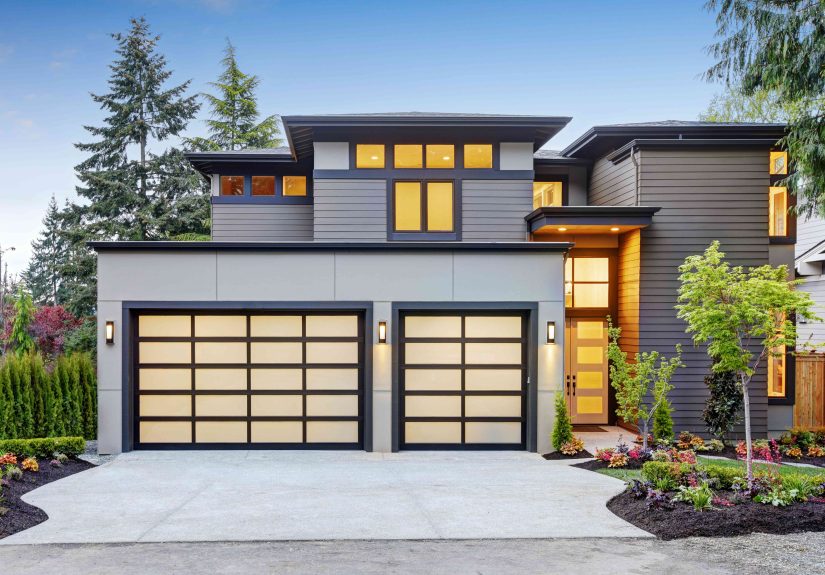
If standard garage doors are the sensible sneakers of the home improvement world, glass garage doors are the designer boots: sleek, dramatic, a little flashy, and definitely not priced like the basics. They can flood a garage with natural light, give a house a crisp modern edge, and make the front of the home look less “suburban storage box” and more “architect hired, neighbors noticed.” But before anyone falls in love with the full-view look, there is one very practical question to answer: how much does a glass garage door actually cost?
The honest answer is that the price range is wide enough to make online shopping feel mildly unhelpful. Some estimates refer to the door itself. Others include tracks, hardware, installation, and sometimes removal of the old door. And then there is the fact that “glass garage door” can mean anything from a garage door with a few windows to a true aluminum-and-glass full-view showpiece. Those are not the same product, and they do not share the same price tag.
For homeowners pricing a true residential glass garage door, a realistic planning range is usually about $3,500 to $8,500 installed, while premium, custom, oversized, insulated, laminated, or impact-rated versions can climb to $10,000 to $12,000 or more. Smaller or simpler models can land below that, and door-only quotes may look much cheaper at first glance. That is why this topic gets confusing fast: the headline number changes depending on what is actually included.
The Short Answer: What Most Homeowners Should Budget
If the goal is a clean, modern, full-view residential glass garage door, the safest budgeting approach is to split the market into three tiers.
Budget-conscious range
Expect roughly $2,500 to $4,500 for a simpler, smaller, or more basic setup. This usually means standard sizing, tempered glass, fewer upgrades, and fewer custom finish requests. It is the “love the look, respect the budget” version.
Midrange sweet spot
Expect roughly $4,500 to $7,500 for what many homeowners actually want: a two-car-size door, aluminum framing, privacy or frosted glass, professional installation, and maybe one or two performance upgrades like better insulation or a nicer finish.
High-end and custom
Expect $8,000 to $12,000+ when the wish list includes insulated glass, laminated or impact-rated panels, custom color powder coating, unusual dimensions, upgraded hardware, stronger wind-load requirements, or a premium opener. This is where the garage door stops being a “door” and starts behaving like an architectural feature with opinions.
Why the Price Range Is So Wide
The biggest reason glass garage door pricing feels slippery is that sources often measure different things. A low figure may reflect a more basic glass door product or a stripped-down door-only price. Higher figures tend to reflect a real-world installed project with the frame, glass type, hardware, labor, and add-ons included. In other words, the internet is not always lying. It is just speaking in incomplete sentences.
There is also a major difference between a garage door with windows and a true full-view glass garage door. A steel garage door with a row of glass windows may cost far less than a full aluminum-and-glass door. Retail pricing shows this clearly: a conventional insulated or non-insulated steel door with windows can sit in the low-to-mid thousands, while full-view modern systems move into a much more premium lane.
Main Factors That Affect Glass Garage Door Cost
1. Door size
Size is the first and most obvious cost driver. A single-car opening is usually much less expensive than a two-car opening, and three-car or oversized doors can send the price into luxury territory quickly. More width means more frame material, more glass, more weight, and often more installation complexity.
As a rule of thumb, an 8-by-7-foot opening will cost much less than a 16-by-7-foot opening, and custom heights or extra-wide spans raise the bill again. If a homeowner wants a dramatic oversized glass door because the garage doubles as a gym, studio, lounge, or workshop, the final quote may reflect that ambition very directly.
2. Glass type
Not all glass is created equal. Tempered glass is usually the starting point and is commonly the most affordable among the serious residential options. Move up to frosted, insulated, laminated, or impact-rated glass, and the price climbs.
Insulated glass matters when the garage is attached to the house, used as a workspace, or located in a climate with serious heat or cold. Laminated glass adds security and sound reduction. Impact-rated glass is especially important in some storm-prone or code-sensitive markets. And privacy finishes such as frosted, obscure, or tinted glass can increase cost while also solving the classic problem of “beautiful natural light, but now everyone can see the leaf blower collection.”
3. Frame material
Most modern full-view glass garage doors use aluminum frames, and for good reason. Aluminum is lighter than steel, resists corrosion well, and pairs naturally with the glass-heavy look. It is usually the best balance of style, durability, and maintenance.
Other frame materials exist, but they are less typical for the clean contemporary look. Wood-framed or composite-framed options may cost more and often require more upkeep. If the goal is modern curb appeal with less maintenance drama, aluminum usually wins the popularity contest.
4. Insulation and energy performance
This is one of the sneakiest cost drivers because it does not always look exciting in the showroom. Insulation, Low-E glass, better seals, and improved weather resistance can all raise the upfront price. They can also make the door much more comfortable to live with.
A glass garage door in an attached garage with poor insulation can look amazing and feel like a giant seasonal mood swing. In hot climates, the sun can turn the space warm quickly. In cold climates, the door can become a giant reminder that glass is not magic. If the garage is used as a home gym, office, studio, or flex room, skipping insulation to save money can become a regrettable little plot twist.
5. Finish and customization
Standard anodized or factory-finish aluminum frames keep pricing more manageable. Custom powder coating, specialty finishes, designer colors, decorative hardware, and unusual mullion patterns push the number upward. So does asking for a door that perfectly matches the home’s steel windows, black trim, custom façade, and overall “yes, this architect definitely had a vision” aesthetic.
6. Wind-load or impact requirements
In some regions, especially coastal or high-wind areas, the garage door must meet stricter performance standards. That can mean reinforced construction, upgraded glass, or special engineering. These code-related upgrades are not especially glamorous, but they are very effective at increasing the quote.
Installation Costs and Add-Ons Nobody Should Forget
Even when the door price seems manageable, the installed total can grow once the supporting cast arrives. Typical labor for garage door replacement is often in the few-hundred-dollar range, but installation complexity matters. Glass doors are heavier, more delicate, and more exacting than a basic standard door, so labor can edge higher when the setup is complicated.
Here are the common extras that change the final number:
- Old door removal and disposal: often an extra charge if not included in the quote.
- Garage door opener: a new opener can add several hundred dollars, and premium quiet models cost more.
- Jackshaft opener: often chosen for modern glass doors to keep the ceiling area cleaner and quieter, but it usually costs more than a standard opener.
- Electrical work: sometimes required for a new opener, wall control, or smart features.
- Framing or opening adjustments: needed if the existing opening is out of square or not ideal for the new system.
- Permit fees: location-dependent, but worth checking before the estimate becomes a surprise party.
- Smart accessories: battery backup, Wi-Fi controls, locks, and upgraded remotes can all add cost.
Real-World Price Context: Why “Glass” Can Mean Very Different Things
One of the clearest lessons from current retail and contractor pricing is that not every “glass garage door” is a full-view glass garage door. A conventional steel garage door with windows might cost under $2,000 for the product in some cases, and higher-end steel models with windows can run into the $3,000 to $4,000-plus range before installation. That is very different from a true modern aluminum-and-glass door, which is usually positioned as a premium architectural product.
That difference matters because many homeowners start their search thinking, “I just want a garage door with glass.” Halfway through, they discover they actually want a full-view contemporary door with large glass panels, thin aluminum rails, privacy glazing, insulation, and a finish that matches the house. That second sentence costs more than the first one. Usually quite a bit more.
Is a Glass Garage Door Worth the Money?
That depends on what the homeowner is buying it for. If the only goal is to replace a failing garage door at the lowest possible cost, then no, a glass garage door is usually not the bargain pick. A standard steel door is almost always friendlier to the budget.
But if the goal is to transform curb appeal, bring in daylight, improve the experience of using the garage, or support a contemporary home design, then a glass garage door can absolutely be worth it. In many homes, the garage door takes up a huge share of the front exterior. Changing it can dramatically change the house.
There is also the resale conversation. Garage door replacement in general performs exceptionally well in national cost-versus-value reports. That does not mean every glass garage door automatically pays for itself dollar-for-dollar in every neighborhood. It does mean buyers tend to notice garage doors, and curb appeal still punches above its weight. A thoughtfully chosen glass garage door can be a value-add if it fits the home and the market, but a hyper-custom showpiece in the wrong neighborhood may be more “personal luxury” than guaranteed return.
How to Keep the Cost from Getting Out of Hand
Homeowners who want the look without the full financial drama can keep the total more reasonable by making a few smart choices.
Choose standard sizing
Custom dimensions can push pricing up quickly. If the opening is standard, life gets easier and cheaper.
Use tempered glass unless the space truly needs more
Insulated, laminated, and impact-rated glass all have valid uses, but not every garage needs every upgrade.
Stick with aluminum
It usually gives the best mix of modern design, durability, and lower maintenance.
Be intentional about privacy
Clear glass looks sharp, but frosted or obscure glass often offers a better everyday experience. It can also hide the visual chaos of real life, which is helpful because most garages are not curated like a design magazine shoot.
Request detailed quotes
Always ask whether the number includes installation, tracks, hardware, weather seals, opener, old door removal, and finish upgrades. The cheapest estimate is often just the least complete estimate wearing a friendly smile.
Bottom Line
So, how much does a glass garage door actually cost? For a true residential full-view glass garage door, most homeowners should plan on roughly $3,500 to $8,500 installed, with high-end or heavily customized projects reaching $10,000 to $12,000+. If the project is smaller, simpler, or quoted as door-only, it may come in lower. If it includes insulated or laminated glass, custom finishes, oversized openings, wind-rated construction, and a premium opener, the number rises fast.
The key is knowing exactly what kind of “glass garage door” is being priced. A standard garage door with a few windows is one thing. A modern, aluminum-framed, full-view architectural door is another thing entirely. Both can look great. Only one tends to show up on the estimate like it knows it is the star of the renovation.
What Homeowners Usually Experience After Buying One
Beyond the invoice, the real experience of owning a glass garage door is usually a mix of delight, surprise, and a few lessons learned the expensive way. The first reaction is almost always visual. Homeowners who replace a plain garage door with a full-view glass model often say the whole front of the house looks more current immediately. It is one of those upgrades that can make the exterior feel intentionally designed instead of simply assembled. Even people who were initially on the fence about the cost often admit that the curb appeal jump is dramatic.
The second big experience is natural light. This is where many owners feel the upgrade most day to day. A garage that once felt dim, dusty, and vaguely designed for storing mystery boxes suddenly becomes usable. People start working out there, building things, parking more happily, or turning the space into a weekend hangout. A brighter garage just feels less like a cave. That said, homeowners also learn quickly that more light can mean more visibility from the street. This is why privacy glass becomes a favorite in real life, not just in glossy product brochures.
Temperature is another common reality check. In mild climates, a glass garage door can feel like a brilliant design move with very few drawbacks. In hotter or colder climates, owners tend to become much more aware of insulation quality. A garage used as a studio, office, or gym can feel noticeably different depending on whether the door has insulated glass, decent seals, and thoughtful orientation away from the harshest sun exposure. Many homeowners who choose the cheapest version first later say they wish they had spent more on comfort-related features rather than on purely visual upgrades.
Then there is the everyday mechanical experience. A good opener matters. Homeowners with heavier or more premium doors often appreciate quieter openers, smoother operation, and better hardware far more than they expected. On paper, an opener upgrade can seem optional. In practice, it can make the entire system feel refined instead of fussy. Likewise, maintenance is usually lower than with some wood doors, but “low maintenance” does not mean “ignore forever.” Tracks, rollers, seals, and glass still need occasional attention.
Finally, there is the emotional side of the purchase. Some homeowners never fully get over the sticker shock. Others forget the number surprisingly fast because the door changes how they feel about the house every single day. That is probably the clearest truth about glass garage doors: they are not usually the cheapest upgrade, but they are one of the few exterior changes that can alter both appearance and experience at the same time. When the design fits the home and the specifications fit the climate, owners often feel they paid a premium for something they genuinely use and enjoy, not just something nice to photograph from the driveway.