Table of Contents >> Show >> Hide
- Before Anything Else: Ask “Why Not Just Use a Power Strip?”
- Should You DIY This, or Call a Pro?
- The 3 Most Common Ways a New Wall Outlet Gets Added
- Planning Like a Pro: The Decisions That Matter More Than the Drywall Cut
- Pick the location with real-life use in mind
- Understand protection requirements: GFCI and AFCI are not optional “nice-to-haves” anymore
- Don’t ignore tamper-resistant receptacles
- Respect the wall: box fill, stud layout, and “mystery obstacles”
- Permits and inspections: annoying, yesalso your best safety net
- What a Licensed Electrician Typically Does (Without the Risky Play-by-Play)
- The “Gotchas” That Make Outlet Add-Ons Trickier Than People Expect
- Cost and Time: What Homeowners Typically Spend (and Why It Varies So Much)
- How to Hire an Electrician Without Feeling Like You Need a Secret Decoder Ring
- FAQ: Quick Answers People Google at 1:00 a.m.
- Real-World Experiences: What Homeowners Commonly Run Into (and What They Wish They’d Known)
- Conclusion
If your home has exactly two outlets and both are hiding behind a couch like they owe you money, you’re not alone. Modern life runs on plugsphones, lamps, streaming boxes, chargers for devices we swear we didn’t buyyet many walls were designed back when “electronics” meant a radio the size of a suitcase.
Here’s the catch: adding a new wall outlet sounds like a tidy weekend project… right up until you remember electricity is the only household helper that can be invisible, fast, and profoundly uninterested in your confidence. So this article is a safety-first, real-world guide to what’s involvedhow pros plan it, what code and permits typically have to do with it, what it costs, and the common surprises hiding in “simple” walls.
Important: This is not step-by-step wiring instruction. Working inside energized systems can be dangerous, and requirements vary by location. If you’re not trained (or you’re under 18), the smart move is to involve a licensed electrician and your local building department. You’ll still save money by planning well and knowing what to ask.
Before Anything Else: Ask “Why Not Just Use a Power Strip?”
Sometimes the best “new outlet” is… not a new outlet. If your goal is simply to stop playing “plug Tetris,” a properly rated, UL-listed surge protector or relocatable power tap can helpas long as you’re not asking it to power high-wattage appliances. A power strip doesn’t create extra electrical capacity; it just shares what’s already there. And “daisy chaining” power strips (plugging one into another) is a big safety no-no in many codes and fire-safety guidance.
If you need an outlet for a permanent setuplike a wall-mounted TV, a desk nook, a bidet (welcome to the good life), or anything that’s always plugged inadding a properly installed receptacle is usually the right long-term solution.
Should You DIY This, or Call a Pro?
A licensed electrician is the safest choice in most situations. And there are certain cases where “call a pro” isn’t cautiousit’s correct:
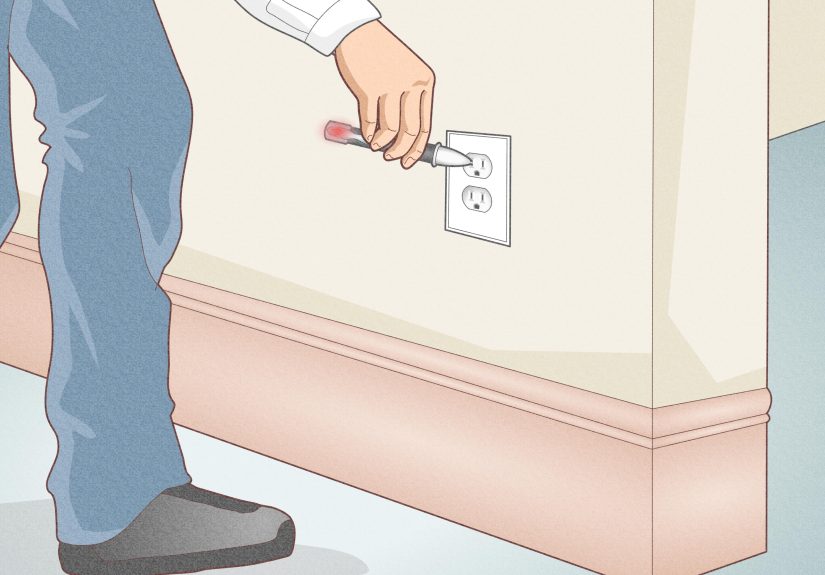
- You’re not 100% sure how to identify and verify a circuit is de-energized (not “the lights went off,” but verified).
- Your home has older wiring (for example, aluminum branch wiring, knob-and-tube remnants, or mystery modifications).
- You’re adding outlets in kitchens, baths, laundry areas, basements, garages, outdoors, or near sinks where protection requirements are stricter.
- You suspect the circuit is already heavily loaded (space heaters, window A/C, treadmills, hair tools, microwaves, etc.).
- You need a new circuit from the panel (common for dedicated loads or a cleaner, code-compliant upgrade).
- You’re in a condo or multifamily building where rules, access, and fire-stopping requirements can be more complex.
If you do plan to hire an electrician, don’t worrythis article still helps you make good decisions, avoid upsells you don’t need, and understand what you’re paying for.
The 3 Most Common Ways a New Wall Outlet Gets Added
1) Extending from an existing outlet on the same wall (or nearby)
This is the “least dramatic” option when the existing receptacle box has enough space, the circuit can handle the added load, and the new outlet location makes sense. The electrician typically ties into that existing circuit and routes cable inside the wall to a new “old-work” (remodel) electrical box.
2) Tapping a nearby junction point (sometimes a switch box, sometimes a junction box)
Sometimes the closest usable power isn’t the outlet you can seeit’s a junction point that’s accessible (and legally permitted to be accessible). A pro will evaluate whether there’s a suitable location to tap power, whether the box fill and conductor count are acceptable, and whether the wiring method matches what’s already installed.
3) Running a brand-new circuit from the electrical panel
This costs more, but it can be the best move when you’re adding outlets for a home office, entertainment center, workshop tools, a freezer, or any area that keeps tripping breakers. A new circuit can also be the cleanest way to meet modern protection requirements without playing “compatibility roulette” with older wiring.
Planning Like a Pro: The Decisions That Matter More Than the Drywall Cut
Pick the location with real-life use in mind
Think about what you’re actually plugging in and where cords will run. A few examples:
- Wall-mounted TV: Consider height, cord concealment, and whether you also want a low outlet for a soundbar or streaming box.
- Desk nook: Add enough outlets for monitors, chargers, and a lampplus one “future you” outlet.
- Garage/workbench: Plan for tool chargers, shop-vacs, and holiday lights. (Garages often have additional protection rules.)
- Near a sink or damp area: Expect special protection requirements and device selection changes.
Understand protection requirements: GFCI and AFCI are not optional “nice-to-haves” anymore
In many homes, outlets now need protective devices depending on location:
- GFCI protection is designed to reduce the risk of severe electric shock, especially where moisture is common (bath, kitchen, outdoors, basements, laundry, near sinks).
- AFCI protection is designed to reduce fire risk from arcing faults, commonly required in many living areas and bedrooms depending on the code edition used locally.
- Some situations require both, which can be handled by specific devices or breakers, depending on the installation and local rules.
Practical takeaway: adding an outlet might also mean upgrading protection on that circuit so the whole thing remains compliant and safe. That can be a surprise costso it’s worth discussing up front.
Don’t ignore tamper-resistant receptacles
In many dwelling locations, tamper-resistant receptacles are required. Even if you don’t have kids, it’s a low-cost upgrade that’s widely used for safety and code compliance. It’s also one of those “it’s cheapuntil inspection day” details.
Respect the wall: box fill, stud layout, and “mystery obstacles”
Walls are not empty. A clean install depends on what’s behind the drywall:
- Studs determine where a box can go, and whether cable routing is straightforward.
- Fire blocks (horizontal framing) can stop cable routing and require different access strategies.
- Insulation can make fishing cable harder and can hide existing wiring paths.
- Plumbing, ducts, and low-voltage wiring can limit placement and require careful routing.
- Old plaster walls behave differently than drywall and can turn “small cut” into “why is the house dusty?”
Permits and inspections: annoying, yesalso your best safety net
In many places, adding or extending electrical wiring requires a permit and inspection. Rules vary widelysome jurisdictions let homeowners pull permits for their own single-family home, others require licensed contractors, and many treat “just one outlet” as an alteration to the system. If you hire a pro, ask whether the quote includes permitting and inspection coordination.
What a Licensed Electrician Typically Does (Without the Risky Play-by-Play)
If you’ve never watched a pro add an outlet, it can look like magic: one minute it’s a blank wall, the next it’s a neat receptacle that “just works.” The reality is a series of careful checks and code-driven choices:
- Evaluates the existing circuit (capacity, condition, compatibility with protection requirements).
- Confirms the wiring method already in use (and whether it can be legally extended).
- Chooses the right device type (standard, GFCI, AFCI, dual-function, weather-resistant, tamper-resistant, etc.).
- Determines the cleanest route for cable inside the wall while protecting the wiring from damage.
- Installs a remodel-rated box and ensures it’s secure and positioned correctly.
- Makes compliant connections and ensures box fill and grounding requirements are satisfied.
- Restores power and tests with proper tools (not just “plug in a lamp and hope”).
- Handles inspection steps if a permit is requiredoften including “rough” access checks and final verification.
The point isn’t that it’s impossibleit’s that the details matter, and the details are exactly where safety and code compliance live.
The “Gotchas” That Make Outlet Add-Ons Trickier Than People Expect
Gotcha #1: The existing outlet box may be too crowded
Electrical boxes have limits on how many conductors and devices can fit safely. When an existing box is already full, adding more wiring can require replacing the box, rerouting, or choosing another junction point.
Gotcha #2: Your “easy tap” might be on a circuit that shouldn’t be extended
Some circuits serve loads that really shouldn’t share extra outlets (or are already near their practical limit). A pro may recommend a new circuit instead of extending the old oneespecially if nuisance tripping is already happening.
Gotcha #3: Protection upgrades can ripple through the project
Adding one receptacle can trigger the need to add or update GFCI/AFCI protection for the circuit, depending on location and the code edition in use locally. This is a common “why did the quote change?” momentso ask about it early.
Gotcha #4: Older homes come with “surprise history”
Previous DIY work, mixed wiring methods, hidden junctions, and odd routing choices can all slow a project down. The electrician may need to open additional access pointsnot because they’re being dramatic, but because the wall is.
Cost and Time: What Homeowners Typically Spend (and Why It Varies So Much)
Outlet installs vary wildly because walls vary wildly. A simple extension from a nearby receptacle in an accessible wall is usually far cheaper than adding an outlet on an exterior wall packed with insulation, or running a new circuit from the panel.
Typical cost factors include:
- Distance from a suitable power source
- Wall type (drywall vs. plaster, exterior vs. interior)
- Accessibility (crawl space, basement, attic access)
- Outlet type (standard vs. GFCI/AFCI/dual-function, weather-resistant, smart, recessed, floor outlet)
- Permit/inspection requirements
- Local labor rates
A good estimate starts with a walkthrough: show the electrician the exact location, what you plan to plug in, and whether you want a “one outlet fix” or a longer-term upgrade (like adding multiple outlets at once to reduce per-outlet labor).
How to Hire an Electrician Without Feeling Like You Need a Secret Decoder Ring
When you request quotes, these questions keep things clear and comparable:
- Will this be an extension of an existing circuit or a new circuit? Ask why.
- Will the circuit require GFCI and/or AFCI protection? Where will that protection be provided (device vs. breaker)?
- Is a permit required in my area, and is it included in the quote?
- What patching is included? Some electricians include a basic patch; others stop at “electrical is done.”
- What outlet type is included? Standard, tamper-resistant, weather-resistant, smart, USBbe specific.
- Will you label the panel/circuit directory if needed? Small detail, big future convenience.
- Is there a warranty on labor? Get it in writing.
Bonus tip: If you know you’ll want more outlets in the same room eventually, consider doing them together. Grouping work often reduces the overall labor cost compared with multiple one-off visits.
FAQ: Quick Answers People Google at 1:00 a.m.
Do I need a permit to add an outlet?
Often, yesespecially if you’re extending wiring or adding a circuit. Some jurisdictions allow homeowners to do work in their own single-family home with permits and inspections; others require a licensed electrician. The safest answer is: call your local building department and ask.
Will adding an outlet overload my circuit?
The outlet itself doesn’t “use power”what you plug into it does. The electrician evaluates the circuit’s typical load, what else is on it, and whether the new outlet is likely to add significant demand.
Can I put an outlet anywhere on a wall?
Not always. Studs, plumbing, ducts, existing wiring routes, and code requirements can constrain placement. “Anywhere” is a design dream; “anywhere that works safely” is the actual plan.
Do modern outlets require special features?
In many locations, yes. Depending on where the outlet is, you may need tamper-resistant, GFCI, AFCI, weather-resistant, or other listed devices. Your electrician should specify what applies and why.
Real-World Experiences: What Homeowners Commonly Run Into (and What They Wish They’d Known)
People usually start this journey with a very innocent sentence: “I just need one more outlet.” It’s the home-improvement equivalent of saying, “I’ll just watch one more episode.” And, to be fair, sometimes it really is simplean interior wall, an accessible source nearby, and a clean cable path. But here are the most common real-life moments that show up once the project leaves your imagination and enters your drywall.
Experience #1: The outlet location makes sense… until you stand in the room. A lot of homeowners pick a spot based on symmetry (“centered under the window!”) and then realize the couch covers it, the lamp cord still stretches, or the vacuum now needs an extension cord anyway. The best planning trick is low-tech: put painter’s tape on the wall where you think the outlet should go, live with it for a day, and pretend you’re actually plugging things in.
Experience #2: Walls contain surprises that don’t appear on any floor plan. Fire blocks, insulation, old nail plates, abandoned low-voltage cables, and framing that’s “creative” can turn a clean install into a “we need access” conversation. This is where homeowners often learn the difference between “electrical work” and “electrical work plus patching.” It’s not a disasterjust a normal part of working inside finished walls.
Experience #3: The quote changes when safety devices enter the chat. Many homeowners have never thought about AFCI or GFCI protection until an electrician brings it up. Then it can feel like an upselluntil you understand it may be required for the location or for extending certain circuits under modern rules. The best experience here is the one where the electrician explains what applies, where, and why before work begins.
Experience #4: One outlet turns into “maybe we should fix the whole room.” After adding a receptacle behind a TV, people often notice the rest of the room is still underpowered: one outlet near the door, none near the desk, and a power strip doing its best impression of an octopus. A surprisingly common “smart upgrade” moment is choosing to add two or three outlets in a single visit rather than repeating the project later. It’s not about going bigger for funit’s about reducing labor duplication.
Experience #5: The best outcome is invisible. The happiest homeowners are the ones who stop thinking about outlets entirely. No cords draped across walkways. No tripped breakers when someone makes toast and runs a hair dryer (a classic household plot twist). No buzzing, warm plates, or “why does this outlet feel… spicy?” moments. The outlet is just there, doing its job quietly, which is exactly what you want from electricity: reliable, boring, and not trying to become the main character.
If you take only one lesson from all these experiences, make it this: the “best” way to add an outlet is the way that matches how you actually live, meets your local requirements, and doesn’t create hidden risks inside the wall. Convenience is greatsafe convenience is the goal.
Conclusion
Adding an electrical outlet to a wall can transform a room from “cord chaos” into “why didn’t we do this sooner?” But the real win isn’t just another place to plug in a chargerit’s a properly planned, code-aware, safely protected installation that fits your home’s layout and your everyday needs. Whether you extend an existing circuit or add a new one, the smartest move is to plan the location, understand protection requirements, and work with a qualified professional when there’s any doubt.