Table of Contents >> Show >> Hide
- Before You Start: The 60-Second Safety Checklist
- What You’ll Need (Set This Up Like a Tiny Insulin “Coffee Bar”)
- Step-by-Step: How to Give a Cat an Insulin Injection
- Step 1: Pick a Calm Spot (and a Consistent Ritual)
- Step 2: Wash Your Hands and Inspect the Insulin
- Step 3: Mix the Insulin Correctly (If Required)
- Step 4: Draw Up the Dose (Slow Is Smooth, Smooth Is Accurate)
- Step 5: Choose the Injection Site (Rotate Like You’re Changing Tires)
- Step 6: “Tent” the Skin and Insert the Needle at a Shallow Angle
- Step 7: Inject, Withdraw, Praise (In That Order)
- Step 8: Dispose of the Syringe Safely and Log the Dose
- Common Mistakes (and How to Avoid Them Without Becoming a Stress Sculpture)
- Hypoglycemia in Cats: What It Looks Like and What to Do
- Building a “Cat Diabetes Routine” That Actually Works
- FAQ: Quick Answers for Common “Am I Doing This Right?” Moments
- of Real-World Experiences (What Cat Owners Commonly Notice)
- Conclusion
Giving your cat insulin can feel like being handed the world’s tiniest, sharpest responsibility. The good news:
most cats tolerate insulin injections surprisingly welland many owners go from “I can’t do this” to
“I can do this with one hand while holding a treat with the other” in about a week.
This guide walks you through a safe, vet-aligned routine for how to administer insulin to a cat:
what to set up, how to draw the dose correctly, where to inject, and what to do if something feels “off.”
It’s written for real lifewhere your cat may be purring one minute and auditioning for a soap opera the next.
Important: Always follow your veterinarian’s instructions for your cat’s insulin type, syringe type, dose, and schedule. Do not change doses on your own.
Before You Start: The 60-Second Safety Checklist
- Confirm your cat ate. Insulin schedules are often tied to meals. If your cat won’t eat, contact your vet for your clinic’s “don’t-eat protocol.”
- Match insulin to the correct syringe. Some veterinary insulins are U-40 and require U-40 syringes; others are U-100 and require U-100 syringes. Mismatching can cause a dangerous dosing error.
- Check the insulin’s appearance. Many insulins should look consistent (or evenly “milky” if they’re suspensions) after proper mixing. If it looks clumpy, frosty, discolored, or “wrong,” don’t use itcall your vet.
- Know the emergency red flags. Weakness, wobbliness, tremors, seizures, extreme sleepiness, vomiting, or collapse can be signs of hypoglycemia (low blood sugar). Treat it as urgent.
What You’ll Need (Set This Up Like a Tiny Insulin “Coffee Bar”)
- Your cat’s prescribed insulin vial or pen
- Correct syringes/needles (U-40 or U-100 as prescribed) or pen needles (if using a pen system)
- Alcohol swabs (optionalmany vets prioritize clean technique over repeatedly swabbing fur)
- A sharps container (or an approved puncture-resistant container per local rules)
- Treats your cat considers “worth it” (freeze-dried chicken is basically feline currency)
- A simple log (paper notebook, spreadsheet, or app): time, dose, meal, and notes
Pro tip: Choose a consistent locationsame chair, same counter, same calm voice. Cats love routine
almost as much as they love pretending they invented routine.
Step-by-Step: How to Give a Cat an Insulin Injection
Step 1: Pick a Calm Spot (and a Consistent Ritual)
Choose a quiet area with good lighting. Keep supplies within arm’s reach. Many owners pair the injection
with something positive: a favorite treat, brushing time, or a short cuddle. The goal is “predictable and boring,”
not “dramatic and chase-based.”

Step 2: Wash Your Hands and Inspect the Insulin
Wash your hands. Then check the label: correct insulin, not expired, stored as directed. Some insulins are
solutions (clear); others are suspensions (cloudy) and need mixing. Your veterinarian should tell you whether
to gently roll, invert, or (for some types) shake. When in doubt: do not freestyleask your vet.

Step 3: Mix the Insulin Correctly (If Required)
If your insulin is a suspension, it may settle between doses. Mix it exactly as instructed so the dose is accurate.
“Accurate” is the whole point of this hobby.
- Gentle roll/invert (common): roll the vial between your palms a few times.
- Shake (less common): only if your vet/label specifically instructs it.

Step 4: Draw Up the Dose (Slow Is Smooth, Smooth Is Accurate)
Use a new syringe each time. If your clinic recommends it, wipe the vial’s rubber stopper with alcohol and let it dry.
Then:
- Pull back the plunger to draw air into the syringe equal to the dose your cat needs.
- Insert the needle through the stopper and inject the air into the vial (this helps prevent a vacuum).
- Turn the vial upside down and slowly draw the prescribed amount of insulin.
- Tap out bubbles. Push insulin back into the vial if needed, then redraw to the exact dose line.
Do not “round up” because you feel optimistic. Optimism is great. Precision is better.

Step 5: Choose the Injection Site (Rotate Like You’re Changing Tires)
Insulin is usually given as a subcutaneous injection (under the skin). Common comfortable spots include
areas along the back or sides, often a little behind the shoulder blades or toward the hipsdepending on what your
vet recommends.
Rotate sites to reduce irritation and help absorption stay consistent. A simple rotation plan:
left side (AM), right side (PM), then move slightly forward/back each day.

Step 6: “Tent” the Skin and Insert the Needle at a Shallow Angle
With one hand, gently lift a small fold of skin to make a “tent.” With the other hand, insert the needle
into the base of the tent at a shallow angle (often around 30–45 degrees). The goal is under the skin, not into muscle.
If your cat is squirmy, try a calm hold, a helper, or the classic “towel burrito.” (Cats hate it. Cats also need insulin.
Life is full of complicated relationships.)

Step 7: Inject, Withdraw, Praise (In That Order)
Depress the plunger smoothly, then withdraw the needle. Offer praise and a treat immediately.
Many cats learn the routine fast: “tiny poke, big snack.”
If you see a little dampness or smell insulin on the fur, the injection may have “leaked” or gone through the tent.
Don’t automatically re-dose. Record what happened and call your vet for guidance.

Step 8: Dispose of the Syringe Safely and Log the Dose
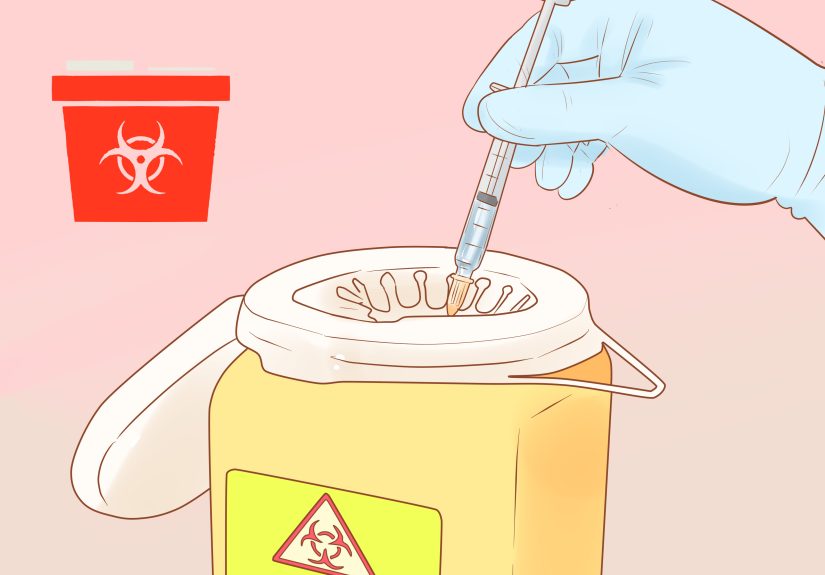
Place the used syringe directly into a sharps container. Then log the dose, time, meal status, and any unusual notes
(vomiting, less appetite, extra thirst, hiding, etc.). A log helps your vet adjust safely using real patternsnot guesses.

Common Mistakes (and How to Avoid Them Without Becoming a Stress Sculpture)
Mistake: Using the Wrong Syringe (U-40 vs U-100)
This is one of the most important safety points. The syringe must match the insulin concentration.
If you’re ever handed a different syringe at the pharmacy, stop and confirm with your vet before using it.
Mistake: Giving Insulin When Your Cat Didn’t Eat
Appetite changes can signal illnessand insulin needs may change fast when a cat is sick or not eating.
Many clinics would rather you miss a dose than risk hypoglycemia. Follow your veterinarian’s instructions for skipped meals.
Mistake: Re-dosing After a “Maybe” Injection
If you’re unsure whether the full dose went in, do not automatically give more. Overdosing is more dangerous than
underdosing in the short term. Note it in the log and call your vet for next-step advice.
Mistake: Improper Mixing or Storage
Some insulins need gentle mixing. Some should not be shaken. Most need consistent storage (often refrigerated) and protection from heat/light.
Handling details vary by productyour vet’s instructions and the label matter.
Hypoglycemia in Cats: What It Looks Like and What to Do
Hypoglycemia (low blood sugar) can be life-threatening. It can happen if the dose is too high, your cat didn’t eat,
your cat exercised more than usual (yes, zoomies count), or your cat’s needs changed due to remission or illness.
Warning Signs
- Weakness, lethargy, or sudden “not quite right” behavior
- Wobbliness, stumbling, disorientation
- Tremors, twitching
- Vomiting
- Seizures or collapse (emergency)
Immediate Steps
- If your cat is awake and able to swallow: offer food immediately.
- If severe signs occur (seizure, collapse, unresponsive): treat as an emergency and contact an emergency vet immediately.
- Follow your clinic’s emergency plan, which may include rubbing a sugar source on gums while en route (only if advised and safe to do so).
Keep your veterinarian’s daytime number and the nearest emergency clinic posted somewhere obviouslike the fridgebecause that’s where insulin lives too.
Building a “Cat Diabetes Routine” That Actually Works
Consistency Beats Perfection
Most insulin plans rely on consistency: meals and injections around the same times daily, often about 12 hours apart.
Your vet may recommend giving insulin with or right after a meal, depending on the insulin and your cat’s situation.
Use a Log (Your Vet Will Love You, and Your Cat Will Never Know)
Track:
- Time of meal and insulin
- Dose administered
- Appetite (normal, picky, refused)
- Water intake/urination changes
- Energy level and behavior
- Any glucose readings (if your vet has you home-test)
Monitoring: Curves, Fructosamine, and Home Testing
Monitoring methods vary. Some cats do well with periodic in-clinic checks; others benefit from home glucose testing
or occasional glucose curves to help refine dosing. Your vet will recommend the safest approach for your cat.
Diet and Weight Matter (But Don’t DIY a Food Revolution Overnight)
Many diabetic cats do well with a high-protein, low-carbohydrate diet plan and healthy weight management.
Make changes gradually and under veterinary guidanceespecially if insulin is already being used.
FAQ: Quick Answers for Common “Am I Doing This Right?” Moments
Does the injection hurt?
The needles are tiny, and many cats barely reactespecially when paired with a treat. If your cat consistently yelps,
you may be hitting a sensitive spot or the needle may be dull (always use a new syringe/needle).
My cat’s fur smells like insulin after the shotwhat happened?
The insulin may have leaked out or gone through the skin tent. Don’t automatically give more insulin.
Record it and ask your vet how to handle “suspected missed doses” in your cat’s plan.
Can my cat go into remission?
Some cats can achieve remission, especially with early management and appropriate therapy. That’s one reason you should never
keep increasing insulin on your ownneeds can change.
Can I give insulin earlier or later than scheduled?
Try to keep timing consistent. If something unavoidable happens, contact your vet for guidance on safe schedule adjustments.
of Real-World Experiences (What Cat Owners Commonly Notice)
While every diabetic cat is different, many caregivers report the same emotional arc: day one feels like you’ve been asked to land a plane,
and by day ten it feels more like making coffeestill important, but no longer terrifying. One of the most common “aha” moments is realizing
that your cat takes cues from you. When your hands shake and your voice sounds nervous, your cat may decide something suspicious is happening.
When you move calmly and confidently (even if you’re secretly sweating), your cat is more likely to stay relaxed.
A lot of owners find that the treat timing is the magic trick. Instead of treating the injection like an interruption of your cat’s day,
you turn it into a predictable exchange: “You sit, I poke, you snack.” Some cats start showing up on scheduleno reminders neededbecause the routine
pays in crunchy rewards. It’s not bribery. It’s a business arrangement.
Another common experience: the first few times drawing insulin can feel harder than the injection itself. Tiny dose lines, tiny bubbles, tiny everything.
People often get faster by standardizing their setupsame lighting, same surface, same order of steps. Many caregivers also report that asking their vet team
to watch them do a practice draw (even on a demo vial) helps enormously. It’s like learning chopsticks: once someone adjusts your grip, it suddenly works.
Owners also talk a lot about the “what if I mess up?” fearespecially the worry about whether the shot went in. It’s normal to second-guess in the beginning.
Over time you learn your cat’s patterns: the feel of the skin tent, the smooth push of the plunger, the quick withdrawal, the lack of damp fur afterward.
Many people keep notes like “left side, good shot” or “wriggly today” not because they enjoy journaling, but because it makes them feel grounded in facts.
On the health side, a common reported change after insulin begins to work is that cats often seem more “present.” Some drink less water, urinate less, and regain
interest in play. Caregivers describe it as getting their old cat backsometimes slowly, sometimes in noticeable jumps. But they also note that bad days happen:
appetite can dip, stress can spike, and numbers (if you’re monitoring) can be weird for reasons you can’t always explain. The shared lesson from experienced owners
is to avoid panic-adjusting. Instead, log what you see and let your veterinary team guide changes safely.
Finally, people often say the most helpful mindset shift is this: you’re not “doing a scary medical procedure,” you’re performing a small daily care task that keeps
your cat comfortable and safe. The needle is tiny, the routine is learnable, and your confidence grows fast. Even cats that act offended usually forgive you by the time
the treat bag crinkles. That part, at least, is extremely consistent science.