Table of Contents >> Show >> Hide
- The 10-Minute Reality Check (So This Actually Works)
- Pick the Right Fish (Fast-Bake MVPs)
- Food Safety + Flakiness: Doneness Without Overthinking
- What You Need (Minimal Gear, Maximum Payoff)
- Method 1: High-Heat Sheet Pan Bake (6–10 Minutes)
- Method 2: Broiler “Bake” (4–8 Minutes, Very Fast)
- Method 3: Fish En Papillote (8–10 Minutes, Ultra Juicy)
- How to Keep Fish Moist (Without Babying It)
- Quick Troubleshooting (Because Fish Is Dramatic)
- Fast Finishing Sauces (30 Seconds, Big Payoff)
- FAQ: Quick Baked Fish Without Guesswork
- of Real-World “This Actually Happens” Experiences (And How to Win Anyway)
- Conclusion
You want fish that’s tender, juicy, and flakes like it’s auditioning for a food commercialwithout spending your entire evening
watching the oven like it owes you money. Good news: you can bake fish to flaky perfection in under 10 minutes…
as long as you use the right heat, the right thickness, and a couple of sneaky little tricks that make the oven work harder than you do.
This guide is built for real life: weeknights, hungry people, and the universal truth that “I’ll just cook something quick”
can turn into “Why is it still translucent?” if you don’t have a plan. Let’s make the plan.
The 10-Minute Reality Check (So This Actually Works)
“Under 10 minutes” means cook time, not “from cold oven to plated masterpiece.” The secret is:
high heat + thinner portions + good surface contact. Fish cooks fast because it’s delicateits proteins tighten quickly,
and it doesn’t need the marathon treatment that chicken does.
Three rules that keep you in the 10-minute club
- Choose fillets around 1 inch thick or less (or cut thick fillets into thinner pieces).
- Use high heat: 450°F (or the broiler) is your turbo button.
- Pat it dry and add fat: moisture on the surface steams; a thin oil/butter layer helps brown and protect.
Pick the Right Fish (Fast-Bake MVPs)
Not all fish behaves the same. Some fillets stay forgiving and juicy; others go from “perfect” to “fish jerky” in the time it takes
to answer one text message.
Best fish for quick baked fish fillets
- Salmon (fatty, forgiving, great under high heat)
- Arctic char (salmon’s slightly fancier cousin)
- Cod (mild, flakes beautifully, watch thickness)
- Tilapia (thin and fastgreat for 6–8 minute cooks)
- Trout (quick, flavorful, often thinner fillets)
- Mahi-mahi / snapper (works well; mind the thickness)
Thickness beats weight, every time
A small-but-thick piece will take longer than a bigger-but-thinner piece. Measure at the thickest part.
If your fillet is thicker than 1 inch, slice it into two thinner slabs (or ask the seafood counter to portion it).
This one move is basically legal cheating.
Food Safety + Flakiness: Doneness Without Overthinking
Fish is done when it’s opaque and flakes easily with gentle pressure. For the most reliable results,
use an instant-read thermometerbecause guessing is fun until dinner is late.
Target temperature (and why it matters)
For food safety, the commonly recommended minimum internal temperature for fish is 145°F.
If you prefer a softer, more buttery texture (especially for salmon), many cooks pull it slightly earlier and let carryover heat finish the job.
Either way, the big enemy is overshooting and drying the fillet out.
Two easy doneness tests (no culinary degree required)
- Fork test: Press gently with a fork at the thickest part. If it separates into flakes with little resistance, it’s ready.
- Thermometer test: Insert into the thickest part. Pull at your preferred final temp, then rest briefly.
What You Need (Minimal Gear, Maximum Payoff)
- Rimmed sheet pan (or a small baking dish)
- Parchment paper or foil (optional, but makes cleanup a spiritual experience)
- Instant-read thermometer (optional, but it’s the fastest path to consistent results)
- Paper towels (patting fish dry is not optional)
Method 1: High-Heat Sheet Pan Bake (6–10 Minutes)
This is the weeknight workhorse: fast, flaky, and flexible. The key is using 450°F and getting the surface dry enough to roast,
not steam.
Step-by-step
- Heat the oven to 450°F. (If you have convection, it can cook a little fasterkeep an eye on it.)
- Prep the pan: Line with parchment or lightly oil it.
-
Dry the fish: Pat fillets dry thoroughly. Season with salt and pepper.
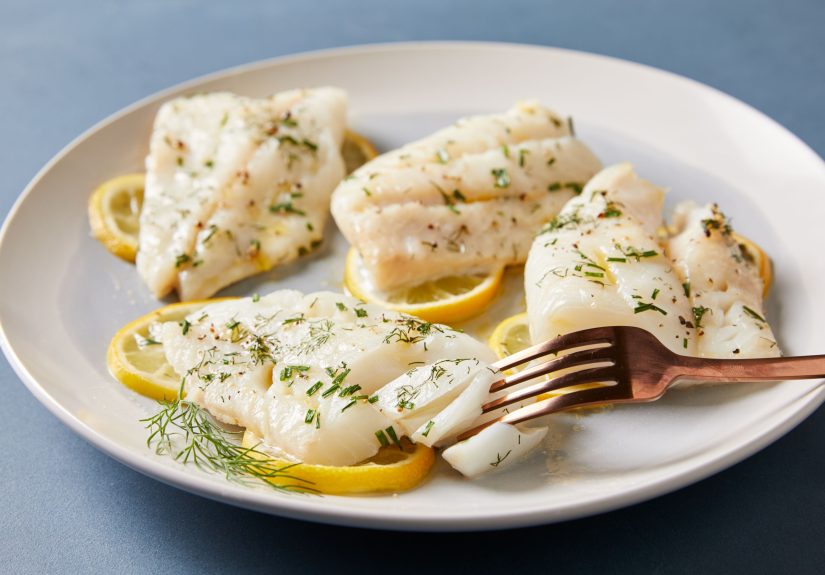
(Optional: add garlic powder, paprika, or a spice blend.) - Add fat: Brush with olive oil or melted butter. Add lemon slices on top if you want instant “I tried.”
-
Bake 6–10 minutes, depending on thickness:
- 1/2-inch fillets: ~6–8 minutes
- 3/4-inch fillets: ~8–10 minutes
- 1-inch fillets: ~10 minutes (right on the edgewatch closely)
- Rest 1–2 minutes, then serve. (Resting is tiny but mighty for juicy fish.)
Flavor ideas that don’t slow you down
- Lemon-dill butter: melted butter + lemon zest + dill + pinch of salt
- Spicy “taco night” fish: chili powder + cumin + garlic powder + lime
- Italian-ish: olive oil + oregano + garlic + cherry tomatoes tossed on the pan
Method 2: Broiler “Bake” (4–8 Minutes, Very Fast)
Your broiler is basically an upside-down grill. It’s loud, powerful, and underappreciatedkind of like a drummer.
It’s also one of the best ways to cook fish fast, often well under 10 minutes.
Step-by-step
- Position a rack 4–6 inches from the broiler element.
- Preheat broiler on high for a few minutes.
- Prep fish on a foil-lined sheet pan (oil the foil so it doesn’t cling like it pays rent).
- Season + oil the fish. Consider a thin mayo coating for extra browning and protection.
- Broil 4–8 minutes, depending on thickness. No flipping needed for most thin fillets.
- Check doneness, rest briefly, and serve immediately.
Broiler best practices (aka: avoid the smoke alarm solo)
- Dry fish = better browning and less “why is this boiling?” energy.
- Watch closelybroilers don’t do “set it and forget it.”
- Use a timer, because broiled fish can overcook fast.
Method 3: Fish En Papillote (8–10 Minutes, Ultra Juicy)
“En papillote” is French for “in a paper packet,” and also for “I want juicy fish and I refuse to negotiate.”
This method steams fish gently, locks in flavor, and still stays under 10 minutes at high heat.
Step-by-step
- Heat oven to 450°F.
-
Build packets: Place fish on parchment, add thin-sliced veggies (zucchini, snap peas, cherry tomatoes),
a little butter/olive oil, salt, pepper, lemon, and herbs. - Seal tightly (crimp edges so steam stays inside).
- Bake 8–10 minutes, depending on thickness.
- Open carefully (steam is hot), then serve right from the packet for maximum “restaurant energy.”
How to Keep Fish Moist (Without Babying It)
1) Don’t rinse fish
Pat it dry instead. Rinsing can splash microbes around your sink and counters. Drying is what improves texture anyway.
2) Use a protective coating
A light brush of oil or butter helps prevent dryness. For broiling, a thin mayo layer can boost browning and protect the surface.
You won’t taste “mayonnaise”you’ll taste “why is this so good?”
3) Don’t overcook to “be safe”
Overcooking is the #1 reason people think they “don’t like fish.” They actually don’t like fish that’s been cooked
into a motivational speech about resilience. Use temperature and timing instead.
Quick Troubleshooting (Because Fish Is Dramatic)
“My fish is dry.”
- It cooked too long, or the fillet was too thin for the time you used.
- Next time: pull earlier, rest 1–2 minutes, and add a little sauce or butter finish.
“It’s browned outside but underdone inside.”
- Too thick for broiling or high heat without adjustment.
- Next time: cut into thinner portions or use the parchment packet method.
“It’s sticking to the pan.”
- Use parchment, oil the foil, or lightly oil the pan before fish goes down.
“It tastes bland.”
- Salt earlier and add acid at the end (lemon, lime, a splash of vinegar).
- Finish with herbs, flavored butter, or a quick sauce (see below).
Fast Finishing Sauces (30 Seconds, Big Payoff)
- Lemon-caper butter: melted butter + lemon + capers
- Honey-mustard drizzle: Dijon + honey + pinch of salt
- Garlic-chili oil: olive oil + chili flakes + minced garlic (or garlic powder in a pinch)
- Quick yogurt sauce: Greek yogurt + lemon + dill + salt
FAQ: Quick Baked Fish Without Guesswork
Can I bake fish in under 10 minutes at 400°F?
Sometimes, if the fillet is thin (like tilapia) and your oven runs hot. But for consistent under-10 results,
450°F or the broiler is more reliable.
What’s the best baking time for fish fillets?
A common guideline is based on thickness. Thin fillets often finish in 6–8 minutes at high heat,
while 1-inch fillets hover around 10 minutes. Your oven, pan, and fish type all matterso check early.
How do I get flaky fish, not rubbery fish?
Flaky fish comes from cooking to the right donenessnot blasting it into oblivion. Use high heat for speed,
then pull it when it flakes easily and reaches your target internal temperature.
of Real-World “This Actually Happens” Experiences (And How to Win Anyway)
A lot of home cooks start their fish journey the same way: hopeful, hungry, and mildly suspicious. Fish has a reputation for being
“fancy” or “finicky,” which is just fish PR trying to keep you from realizing it’s one of the fastest proteins on the planet.
The most common first experience is also the most relatable: you follow a recipe, you wait the full time, you pull the pan out,
and the fish is somehow both dry and stuck to the foil like it’s auditioning for a permanent role.
Here’s what people typically learn (usually after one slightly disappointing dinner): fish doesn’t reward patience the way stew does.
It rewards attention. That’s why the under-10-minute approach feels like magicbecause it shifts you from “baking as a waiting game”
to “baking as a quick, controlled sprint.” Once the oven is hot, the whole experience becomes simpler: pat dry, season, bake fast,
check early, done. You stop treating fish like a mystery and start treating it like a schedule.
Another common experience: the moment you discover thickness is the boss. Someone buys a gorgeous salmon fillet, bakes it “10 minutes,”
and gets a thick end that’s still a little under and a thin end that’s… enthusiastic about being overdone. The fix is almost hilariously
practical: cut the thick end into a thinner piece (or start it 2 minutes earlier). After that, fish becomes predictable. Not “predictable”
like boringpredictable like “I can do this on a Tuesday.”
Then there’s the broiler phase. Many cooks try it once, get nervous because it’s loud and intense, and hover like a concerned lifeguard.
And honestly, that’s the correct energy the first time. But once you see how quickly fish turns opaque and starts to flakesometimes in
six minutesyou begin to trust the process. The broiler becomes your “I forgot dinner existed” rescue plan. It’s also where the little
hacks shine: a thin mayo coating for browning, lemon slices for aroma, and a timer you actually respect.
Finally, the biggest “aha” moment is usually doneness. People realize fish doesn’t need to be cooked until it’s aggressively white and
stiff. When you pull it at the right time, it flakes with gentle pressure, stays juicy, and tastes like something you’d pay for at a
restaurantexcept you’re eating it in sweatpants, which is objectively superior. Once that happens, quick baked fish stops being a
special occasion meal and starts being a regular, reliable win.
Conclusion
Baking fish to flaky perfection under 10 minutes isn’t a gimmickit’s a strategy. Choose thinner fillets, use high heat,
dry the surface, add a little fat, and check early. Whether you go sheet pan, broiler, or parchment packet, you’ll get tender,
flaky fish without the usual stress (or the usual “Is this done?” panic).