Table of Contents >> Show >> Hide
- What Is a Death or End-of-Life Doula?
- Is Becoming a Death Doula Right for You?
- Step 1: Understand the Role and Scope
- Step 2: Get Educated – Training Options and What to Look For
- Step 3: Build Real-World Experience
- Step 4: Explore Certification, Memberships, and Credentials
- Step 5: Set Up Your Death Doula Practice or Business
- Step 6: Commit to Ethics, Boundaries, and Self-Care
- What Working as a Death Doula Really Looks Like
- Extra Deep Dive: Experiences on the Path to Becoming a Death Doula
- Conclusion
Talking about death at brunch might get you uninvited next time, but for death doulas, it’s just another day at the office.
Also called end-of-life doulas, these non-medical professionals support people and families through one of life’s most emotional transitions.
If you feel called to sit at the bedside, hold space for hard conversations, and help people create meaningful goodbyes, this guide will walk you through how to become a death doula from curiosity to career.
What Is a Death or End-of-Life Doula?
A death or end-of-life doula is a trained companion who offers emotional, spiritual, practical, and educational support to people who are dying and to their loved ones.
Unlike hospice nurses, doctors, or social workers, doulas do not provide medical care or make clinical decisions.
Instead, they focus on comfort, presence, communication, and honoring the person’s wishes and values.
You can think of a death doula as a knowledgeable, steady guide who:
- Helps people explore what a “good death” means to them
- Explains what to expect in the dying process, in plain, human language
- Supports difficult conversations about prognosis, legacy, and grief
- Coordinates vigil plans so the bedside feels calm, personal, and dignified
- Provides early grief and bereavement support to loved ones after death
Doulas often work alongside hospice or palliative care teams.
The medical team focuses on symptom management and clinical care; the doula focuses on presence, advocacy, and meaning-making.
It’s a partnership, not a replacement.
Is Becoming a Death Doula Right for You?
Before you start shopping for training programs, it’s worth doing a little soul-searching.
This work is deeply rewarding, but it is also emotionally intense.
A good end-of-life doula isn’t someone who “loves sad things” it’s someone who can stay grounded and compassionate in the middle of them.
People who thrive in this field tend to share a few core qualities:
- Emotional steadiness: You can sit with pain, fear, and grief without rushing to “fix” it.
- Excellent listening skills: You listen more than you talk, and you’re good at reading the room.
- Comfort with mortality: You’re willing to explore your own feelings about death so you don’t put them on your clients.
- Respect for diversity: You honor many cultures, faiths, identities, and family structures.
- Healthy boundaries: You can care deeply and still protect your own mental and emotional health.
You don’t need to be a nurse, therapist, or chaplain to become a death doula, though many doulas do come from healthcare or caregiving backgrounds.
What matters most is your ability to be present, learn, and grow.
Step 1: Understand the Role and Scope
One of the first things you’ll learn as an aspiring death doula is exactly what you do and what you don’t.
Clear scope of practice protects you, your clients, and your professional reputation.
What Death Doulas Commonly Do
While every practice is unique, many doulas offer support across three broad phases:
1. Before the final weeks
- Helping clients clarify values, hopes, and fears around dying
- Supporting advance care planning (for example, discussing living wills with the medical team or attorney)
- Explaining how hospice or palliative care works
- Creating legacy projects such as letters, recordings, memory books, or rituals
- Coordinating family meetings to improve communication
2. During active dying and vigil
- Being a calm, reassuring presence at the bedside
- Explaining physical changes as the body is shutting down in ways families can understand
- Helping create a peaceful environment (music, lighting, meaningful objects)
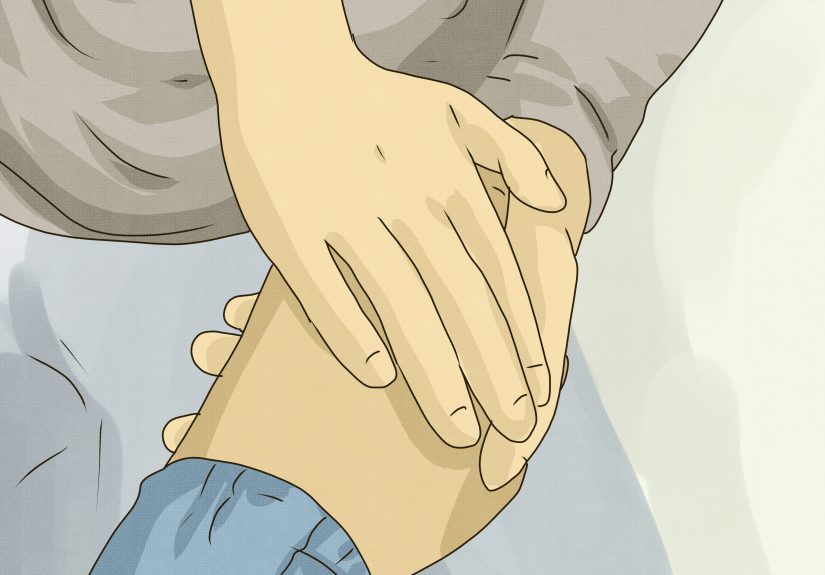
- Offering basic non-medical comfort measures, like guided imagery or hand-holding
- Supporting family members in their own emotional and spiritual needs
3. In the early days after death
- Supporting immediate rituals, goodbyes, or body care requested by the family
- Helping families navigate practical next steps and available resources
- Checking in during early grief with compassionate, nonjudgmental support
What Death Doulas Don’t Do
To stay ethical and safe, doulas do not provide medical care, make clinical decisions, prescribe medications, or act as therapists, clergy, or attorneys.
Instead, you collaborate with those professionals, help clients understand their options, and encourage them to ask questions.
Step 2: Get Educated – Training Options and What to Look For
There’s no single mandatory training path in the United States, but there are well-known organizations and programs that offer structured, reputable education.
Many aspiring doulas start with a foundational training course and then add specialized workshops over time.
Common Types of Training Programs
You’ll see a wide range of options, including:
- Nonprofit training organizations that focus solely on end-of-life doula education
- University-based certificate programs that teach doula skills in an academic setting
- Private institutes and online academies that combine doula training with business-building resources
- Hybrid programs offering live virtual classes plus self-paced coursework
Program length can range from a weekend intensive to several months of online study with live sessions, assignments, and mentorship.
Tuition varies widely, but many people can expect to invest several hundred to a few thousand dollars in comprehensive training.
Some providers offer scholarships or payment plans, especially for people from underrepresented communities.
What a Solid Program Should Cover
When you’re comparing programs, look for content that aligns with widely recognized end-of-life doula core competencies, including:
- Communication and interpersonal skills (listening, conflict navigation, family dynamics)
- Professionalism and ethical practice (confidentiality, boundaries, documentation)
- Understanding of the dying process, hospice, and palliative care
- Spiritual and cultural sensitivity across many traditions and identities
- Grief and bereavement basics
- Self-care and burnout prevention
- Business skills: contracts, pricing, marketing, and collaboration with community partners
Smart Questions to Ask Before You Enroll
- Is the curriculum mapped to any established core competencies or standards?
- Who are the instructors, and what is their experience with end-of-life care?
- How many live hours will I have with instructors or mentors?
- Does the program include practice scenarios, role-plays, or a practicum?
- Will I receive ongoing support after the training (community calls, alumni groups, supervision)?
- Is there any preparation for national proficiency badges or additional credentials?
Remember: the “best” program isn’t necessarily the most expensive one.
It’s the one that fits your learning style, values, schedule, and long-term goals.
Step 3: Build Real-World Experience
Training gives you the tools; experience gives you confidence.
Many doulas start by combining formal coursework with hands-on exposure to end-of-life situations.
Common ways to gain experience include:
- Hospice volunteering: Sitting with patients, offering respite to caregivers, or helping with non-medical tasks.
- Nursing homes or senior communities: Visiting residents, facilitating reminiscence activities, or helping with social engagement.
- Grief centers and community organizations: Supporting support groups or administrative tasks while learning from experienced staff.
- Mentorship or shadowing: Partnering with a more experienced doula or hospice professional.
- Practice clients: Offering low-cost or pro-bono support to a few families, with clear boundaries and supervision if possible.
Keep a simple log of your hours, activities, and reflections.
Not only can this help if you later pursue proficiency assessments or certifications, it also helps you track your growth and identify areas for more learning.
Step 4: Explore Certification, Memberships, and Credentials
In the United States, death doulas are not licensed by states in the way nurses or social workers are.
Instead, most credentials come from:
- Individual training organizations that grant a certificate of completion or certification
- National bodies that offer proficiency badges or similar credentials based on core competencies and an exam
- Professional membership associations that provide directories, ethics guidelines, and continuing education
Certification or a proficiency badge is not legally required to work as a doula, but it can:
- Show families that you’ve met a defined standard of knowledge
- Support collaboration with hospices, hospitals, or other professionals
- Encourage you to keep learning and stay up to date with best practices
Think of credentials as one piece of your professional puzzle, alongside your experience, reputation, and the quality of your client relationships.
Step 5: Set Up Your Death Doula Practice or Business
Once you’ve built a strong foundation of knowledge and experience, you can start shaping your practice.
Some doulas volunteer exclusively; others create full-time private practices.
Many combine doula work with other roles such as nursing, chaplaincy, massage therapy, or life coaching.
Clarify Your Services and Niche
It helps to get specific about what you offer. For example, you might specialize in:
- Working with families of people with dementia or long-term illness
- Supporting LGBTQ+ elders or specific cultural communities
- Providing advance planning and legacy work long before someone is actively dying
- Focusing on bedside vigil support in the last days and hours
- Offering virtual support for families who are geographically spread out
Designing Your Packages and Pricing
Most doulas don’t bill by the minute.
Instead, they offer packages, such as:
- A 6–8 week support package with weekly visits and on-call text support
- A “vigil package” for the last 72 hours, with rotating bedside presence
- A planning and legacy package focused on documents, rituals, and storytelling
Pricing is highly regional and depends on your experience and services.
Some doulas use sliding-scale rates, grant-funded work, or community sponsorships to make their services more accessible.
Business Basics You Shouldn’t Skip
- Choosing a business structure (sole proprietorship, LLC, etc., with guidance from a tax or legal professional)
- Creating clear client agreements outlining scope, fees, and boundaries
- Considering professional liability insurance where appropriate
- Keeping simple, secure records of visits and communications
Getting the Word Out
Marketing a death doula practice doesn’t have to be flashy, but it does need to be clear and respectful.
Many doulas find clients through:
- Personal referrals and word of mouth
- Websites or simple landing pages that explain their services in plain language
- Social media, where they normalize conversations about death and grief
- Relationships with hospices, elder law attorneys, estate planners, and therapists
- Listings in doula directories or professional associations
Your message can be simple: you’re not here to make death less real; you’re here to make it less lonely and less confusing.
Step 6: Commit to Ethics, Boundaries, and Self-Care
Working at the edge of life is beautiful and humbling and it can drain you if you’re not careful.
Professional ethics and personal self-care are not “extras”; they are survival tools in this field.
Ethical Cornerstones for Death Doulas
- Respect for autonomy: The dying person’s wishes and values come first, even if you personally would choose differently.
- Confidentiality: Families need to know that what they share with you stays private.
- Clear scope: You don’t give medical advice or replace licensed professionals.
- Cultural humility: You ask, listen, and adapt to traditions and identities that are not your own.
- Non-discrimination: You serve people of all genders, sexual orientations, races, religions, and family structures with respect and care.
Taking Care of Yourself
If your idea of self-care is “I’ll drink water eventually,” it’s time for a reset.
Death doulas need sustainable practices that help them process what they witness and stay emotionally present over the long term:
- Regular supervision or peer support groups to debrief difficult cases
- Therapy or spiritual direction for your own grief and history with loss
- Rituals to mark the end of a client relationship (journaling, candles, walks)
- Boundaries around phone access and on-call hours
- Plenty of very alive activities: hobbies, laughter, movement, time in nature
Remember, you cannot pour from an empty cup and you definitely can’t sit vigil on no sleep, three coffees, and unresolved grief from five clients ago.
What Working as a Death Doula Really Looks Like
On paper, “end-of-life support” sounds abstract. In real life, it can look like:
- Helping a family create a playlist of songs that span 60 years of marriage
- Sitting quietly at 2 a.m., holding a hand while a daughter naps in the next chair
- Facilitating a conversation so siblings can stop arguing about treatment choices and focus on what their parent actually wants
- Guiding someone to record messages for their grandkids who are still toddlers
- Explaining to a frightened spouse that the changes they’re seeing in breathing are normal signs that the body is shutting down
It’s intimate, sacred work. It’s also deeply human: there’s small talk, bad hospital coffee, family jokes, and sometimes very dark humor.
Doulas are not there to make death “pretty,” but to make it more connected, supported, and intentional.
Extra Deep Dive: Experiences on the Path to Becoming a Death Doula
Because you asked for a complete guide, let’s zoom in on what the journey feels like not just the bullet points on a checklist.
From Curiosity to Calling
Many doulas start with a personal experience: sitting at the bedside of a dying parent, stumbling through medical jargon with no translator, or feeling that a loved one’s death could have been calmer and more supported.
That “there has to be a better way” moment often becomes the spark that sends people searching for end-of-life training.
The first workshop can be both grounding and disorienting.
You might spend a weekend talking openly about death in ways you never have before, practicing how to say hard sentences like, “Would you like to talk about what you’re most afraid of?”
You may cry, laugh, and realize how much of your own grief and fear has been quietly taking up space in your life.
Learning to Be With, Not Fix
One of the hardest early lessons is that your job is not to make everything “okay.”
New doulas often feel pressure to say the perfect thing or to engineer a cinematic, peaceful death.
Over time, you learn that real support is much quieter: you answer questions honestly, you normalize what’s happening, and you let people have their own experience messy, beautiful, angry, grateful, terrified, or all of the above.
For example, a family might be arguing loudly in the hallway about treatment decisions.
Instead of jumping in to solve it, a skilled doula might help them slow down, reflect back what each person is afraid of, and reconnect the conversation to the patient’s own values and previously stated wishes.
Balancing Heart and Boundaries
Early on, it’s easy to give too much: you answer texts at midnight, rearrange your entire life for every family, and feel personally responsible for whether someone’s death is peaceful.
After a few exhausting experiences, most doulas realize they need structure:
- Clear on-call hours, even during vigils, with backup support when possible
- Written agreements about what you can and cannot do
- Rituals to “transition” home after a long bedside shift, so you’re not mentally still in the room when you’re trying to sleep
You discover that boundaries don’t mean caring less; they mean caring sustainably.
Facing Your Own Mortality (Again and Again)
Being a death doula doesn’t make you magically chill about your own death.
In fact, this work will keep inviting you to examine your beliefs about control, meaning, faith, and fairness.
You may see deaths that feel deeply unfair young parents, sudden declines, complicated family histories and each one may stir your own questions.
Many doulas build personal practices to hold all of this: journaling after cases, talking with mentors, meditating, creating art, or participating in spiritual or religious communities that can handle hard questions.
The work changes you, often in ways you didn’t expect: you may find yourself more present in everyday life, more grateful for boring Tuesdays, and far less interested in wasting time on things that don’t matter.
Seeing the Beauty in the Hardest Moments
Ask experienced doulas what keeps them going, and you’ll hear variations on the same theme:
even in the hardest situations, there are moments of astonishing connection.
A sibling who hasn’t spoken to the family in years shows up at the bedside.
A stoic parent finally says, “I’m scared,” and their adult child replies, “Me too, but I’m here.”
A grandchild climbs into bed to hold a hand, and everyone suddenly remembers that this person is not just a patient but a whole life.
As a doula, you don’t create those moments, but you help make space for them.
You help families slow down enough to notice them.
You remind them that even though they cannot control how long someone lives, they can influence how supported, seen, and loved that person feels in the time they have.
Why the World Needs More Death Doulas
Our culture is famously bad at talking about death.
Many people don’t understand their options, don’t know what dying looks like, and don’t realize they’re allowed to ask for more comfort, more meaning, and more say in how they spend their final months.
Death doulas help change that one conversation, one bedside, one family at a time.
If you feel drawn to this work, that’s not an accident.
It might be your particular way of making the world kinder.
Becoming a death or end-of-life doula won’t make you immune to grief, but it will give you tools, community, and a meaningful way to accompany people through one of the most significant experiences any of us will ever have.
Conclusion
Becoming a death or end-of-life doula isn’t about learning the “right” script for every situation.
It’s about developing the skills, awareness, and presence to show up when life is at its most fragile and to help people feel less alone there.
With thoughtful training, real-world experience, strong ethics, and solid self-care, you can build a role that is both profoundly meaningful and deeply needed.