Table of Contents >> Show >> Hide
- How Often Should You Clean a Samsung Washer?
- 11 Easy Ways to Clean Your Samsung Washer
- 1. Run the Self Clean or Pure Cycle (Your First Line of Defense)
- 2. Do a Hot Drum Clean with Washer Cleaner or Bleach (When Things Really Stink)
- 3. Wipe the Rubber Door Gasket (Mold’s Favorite Hideout)
- 4. Clean the Detergent Drawer and Dispensers
- 5. Clean the Pump / Drain Filter and Coin Trap
- 6. Check and Clean Inlet Screens and Hoses
- 7. Wipe Down the Drum and Interior After Washes
- 8. Leave the Door and Drawer Open to Let It Dry
- 9. Use the Right Detergent (and Less of It)
- 10. Be Smart with Vinegar and DIY Cleaners
- 11. Create a Simple Maintenance Schedule
- Extra Tips and Real-Life Experiences with Cleaning Samsung Washers
If your Samsung washer has gone from “fresh laundry oasis” to “mystery swamp,” don’t panic.
A smelly, slimy, or noisy washer is usually begging for a little TLC, not a full replacement.
The good news? With a few simple habits and a monthly deep clean, you can keep your Samsung
washing machine looking, smelling, and running like new.
In this guide, we’ll walk through 11 easy ways to clean your Samsung washer, from using the
built-in Self Clean cycle to tackling the rubber door gasket, pump filter, and detergent drawer.
We’ll also talk about how often you should clean your washer and share real-life tips at the
end from people who’ve survived “washer funk” and lived to tell the tale.
How Often Should You Clean a Samsung Washer?
Most appliance and cleaning experts recommend deep cleaning your washer about once a month,
especially if you do laundry several times a week or live in a hard water area.
At a minimum, plan on a drum-cleaning cycle every 1–3 months, plus quick wipe-downs of the seal
and detergent drawer weekly. Your Samsung washer may even remind you with a “Self Clean”
or “Drum Clean” indicator.
Think of it like brushing your teeth: skipping once in a while isn’t the end of the world,
but ignoring it for months will absolutely come back to haunt you.
11 Easy Ways to Clean Your Samsung Washer
1. Run the Self Clean or Pure Cycle (Your First Line of Defense)
Most Samsung washers come with a built-in Self Clean, Self Clean+, or
Pure Cycle. This is your machine’s own spa day. According to Samsung, you should run
this cycle with an empty drum, no detergent, and typically no extra cleaner.
- Make sure the drum is completely empty.
- Close the door and select Self Clean / Pure Cycle on the control panel.
- Press Start and let the washer run the full cycle (usually 1–2 hours).
If the washer already smells musty or moldy, Samsung allows adding a small amount of bleach
to help sanitize the drum. Always follow the owner’s manual for your
specific model and never mix bleach with any other cleaner.
Aim to run Self Clean about once a month, or whenever the machine tells you it’s time.
2. Do a Hot Drum Clean with Washer Cleaner or Bleach (When Things Really Stink)
If odors are still hanging around, a separate hot drum clean can help. Many experts suggest
using a washing machine cleaner tablet (like an enzymatic cleaner) or a small amount of bleach
for a deep sanitation cycle.
- Remove all clothes.
- Add a washer cleaner tablet to the drum, or
pour bleach into the detergent compartment according to the instructions. - Select a hot, long cycle (or the dedicated “Drum Clean” on some models).
- Run the cycle and let the washer drain fully.
Bleach is effective at killing bacteria and mold, but use it sparingly and rinse your machine
afterward with a rinse or quick cycle if you’re sensitive to the smell.
3. Wipe the Rubber Door Gasket (Mold’s Favorite Hideout)
If you have a front-load Samsung washer, the rubber door seal (gasket) is prime real estate for
mold, lint, pet hair, and lost baby socks. Cleaning experts recommend regularly wiping it down
to remove moisture and residue.
- Open the washer door wide.
- Gently pull back the rubber gasket to see the inner folds.
- Use a damp microfiber cloth with a mild detergent or a diluted bleach solution to wipe away
buildup, hair, and visible mold. - Dry the gasket thoroughly with a clean cloth.
If you spot stubborn mold stains, a mold-killing cleaner (never mixed with vinegar) or a diluted
bleach solution can help. Just remember to ventilate the room and wear gloves.
4. Clean the Detergent Drawer and Dispensers
Over time, detergent, softener, and bleach can leave thick, gooey residue that clogs the
dispenser and encourages mold. Cleaning experts suggest removing and washing the detergent
drawer every four to six weeks.
- Pull out the detergent drawer as far as it will go.
- Press the release tab (usually near the softener section) to remove it.
- Soak the drawer in warm soapy water, then scrub away residue with a small brush or old
toothbrush. - Wipe the inside cavity of the dispenser area in the washer.
- Dry everything and slide the drawer back into place.
This not only prevents smells and slime but also ensures your washer is actually dispensing
detergent properly, so your clothes get cleaner.
5. Clean the Pump / Drain Filter and Coin Trap
Many Samsung front-load washers have a small door near the bottom front panel that hides the
pump (drain) filter. This filter catches coins, hairpins, lint, and other tiny objects. Samsung
suggests cleaning this filter several times per year to prevent clogs, odors, and drainage issues.
- Turn off and unplug the washer.
- Open the small access panel at the bottom front.
- Place a shallow tray or towel under the areasome water will come out.
- Unscrew or pull out the pump filter.
- Remove lint, debris, coins, and other gunk, then rinse the filter under running water.
- Reinstall the filter securely and close the panel.
A clean pump filter helps your washer drain properly and can even help your machine use less
energy and avoid error codes.
6. Check and Clean Inlet Screens and Hoses
At the back of your washer, the water inlet hoses often have small mesh screens that catch
sediment. If these become clogged, your washer may fill slowly or not at all.
Some care guides recommend checking them occasionally, especially in areas with hard water.
- Turn off the water supply and unplug the washer.
- Unscrew the water hoses from the back of the machine.
- Inspect the small metal or plastic screens inside the inlets.
- Gently clean any buildup with a soft brush, being careful not to damage the screens.
- Reconnect the hoses and turn the water back on.
This isn’t a weekly chore, but doing it once in a while can prevent filling issues and extend
your washer’s life.
7. Wipe Down the Drum and Interior After Washes
Between deep cleans, a quick wipe can work wonders. Cleaning experts recommend wiping down
the drum and gasket with a dry or slightly damp cloth after your last load of the day to remove
excess moisture and detergent residue.
This habit takes 30 seconds but can dramatically cut down on mildew, funky smells, and
mysterious black spots on the seal.
8. Leave the Door and Drawer Open to Let It Dry
One of the simplest, zero-cost tricks: let your washer breathe. Many experts warn that
closing the door and detergent drawer immediately traps moisture and encourages mold and
odor.
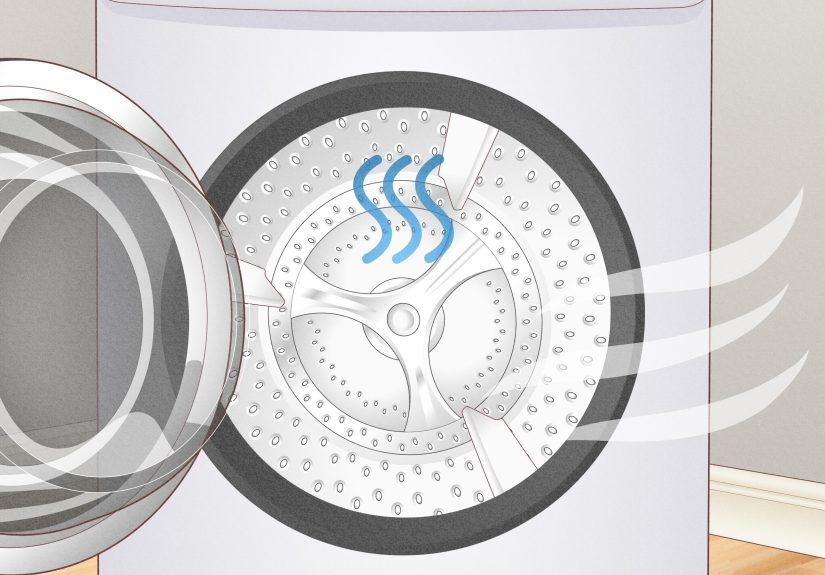
- After each laundry day, leave the door slightly ajar.
- Pull the detergent drawer out an inch or two.
- Allow air to circulate for several hours.
It’s like cracking a window in a steamy bathroomsimple, but incredibly effective.
9. Use the Right Detergent (and Less of It)
Using too much detergent, or the wrong kind, is a major reason washers get slimy and smelly.
High-efficiency machines like most Samsung washers are designed for HE detergent and
relatively small amounts.
Extra detergent doesn’t mean cleaner clothesit often means extra residue in the drum,
hoses, and gasket. Follow the measuring lines on the detergent cap and consider cutting back
if you frequently see suds during the rinse cycle.
Bonus: using the correct amount of detergent and keeping filters clean can improve efficiency
and even help reduce energy bills.
10. Be Smart with Vinegar and DIY Cleaners
White vinegar is the internet’s favorite cleaner, but appliance experts warn against using
large amounts of vinegar regularly inside washing machines. Over time, acidic solutions
can wear down rubber seals, hoses, and some metal parts, especially in high-efficiency models.
If you do use vinegar occasionally, keep these rules in mind:
- Use it sparingly and not as your primary deep cleaner.
- Avoid pouring it directly on rubber parts.
- Never mix vinegar with bleachthis creates toxic gas.
For most Samsung washers, you’re better off relying on Self Clean, washer cleaner tablets,
baking soda, and occasional bleach (used safely and according to the manual).
11. Create a Simple Maintenance Schedule
Instead of waiting for your washer to smell like a gym bag, set up a simple routine:
- Every week: Wipe gasket and drum, leave door and drawer open to dry.
- Every month: Run Self Clean or a drum clean cycle; clean detergent drawer and check
for residue. - Every 2–3 months: Clean the pump/drain filter and check hoses.
- A few times a year: Inspect inlet screens and do a more thorough deep clean.
A few minutes of maintenance can easily add years to your Samsung washer’s life and keep both
your clothes and your laundry room smelling fresh.
Extra Tips and Real-Life Experiences with Cleaning Samsung Washers
If you’ve ever opened your Samsung washer and immediately questioned your life choices,
you’re not alone. Front-load and high-efficiency machines are amazing at saving water and
energy, but they’re also more sensitive to how we use and maintain them.
When the Washer Smells Worse Than the Laundry
One of the most common complaints is that the washer starts smelling mustylike damp towels
that never quite dried. Often, this happens when:
- Loads sit in the drum for hours after the cycle ends.
- The door is closed between cycles, trapping moisture.
- Too much detergent or softener is used, leaving residue.
Many users report that after doing a thorough drum clean, scrubbing the gasket, and then
simply leaving the door open, the smell disappears and doesn’t come back unless they fall
back into old habits. Small change, big payoff.
The “I Forgot About the Filter” Club
Another real-life scenario: the washer starts throwing drain errors or leaving water in the
drum. The culprit is often the pump filter. People are shocked at what they findcoins,
hairpins, pet hair, and plenty of gray sludge.
The first time you pull that filter out is a little gross, but once it’s clean, the washer
usually drains faster, runs quieter, and even smells better. Many people say that cleaning the
pump filter a few times a year turns out to be the single most effective “mystery fix” they’ve
discovered.
Detergent Myths vs. Reality
It’s easy to assume that using more detergent makes clothes cleaner, especially when tackling
kids’ sports gear or work uniforms. In reality, using too much detergent can leave soap scum
inside the drum and hoses and even cause clothes to feel stiff or itchy.
People who switch to the recommended HE doseor even slightly lessoften notice that not
only does the washer stay cleaner, but clothes come out softer and rinse better. Pair that with
a monthly Self Clean cycle, and your Samsung washer has a much better shot at staying
odor-free.
Quick Wins That Make a Big Difference
Over time, users tend to settle on a few favorite habits:
- Running Self Clean once a month (or whenever the machine suggests it).
- Wiping the gasket after the last load and leaving the door cracked open.
- Cleaning the detergent drawer whenever it starts to look slimy or crusty.
- Setting a phone reminder every few months to clean the pump filter.
These simple actions add up. Instead of “rescue cleaning” a smelly washer twice a year, you
’re just giving it a little attention regularlykind of like tidying the kitchen each night
instead of waiting until the sink is overflowing.
Why It’s Worth the Effort
A clean Samsung washer doesn’t just smell better. It also:
- Helps clothes come out fresher and cleaner.
- Reduces the risk of leaks, clogs, and error codes.
- Can improve energy and water efficiency.
- Helps protect a major home investment.
Considering how much a new washer costs, spending an extra 10–20 minutes a month on
maintenance is a pretty smart trade. Your future selfthe one not frantically googling
“why does my Samsung washer smell like rotten eggs?”will be very grateful.
Bottom line: treat your Samsung washer like the hardworking appliance it is. Give it regular
cleaning cycles, keep the gasket and drawer dry, and don’t ignore that little pump filter.
Do that, and your washer will quietly keep doing its job, load after load, without the drama.