Table of Contents >> Show >> Hide
Let’s get this out of the way right now: your vagina is not a dirty room that needs deep cleaning every day.
It’s more like a self-cleaning oven with its own smart settings. When problems happen, it’s usually because
well-meaning people tried to “help” it with all kinds of soaps, sprays, and perfumes it never asked for.
This guide walks you through how to safely clean your vulva (the outside parts), what to absolutely avoid putting
near or inside your vagina, and how to keep everything healthy without turning your shower into a chemistry experiment.
Vagina vs. vulva: Why the difference matters for cleaning
People often say “vagina” when they actually mean “vulva.” Knowing the difference helps you clean the right area
without harming the part that should mostly be left alone.
- Vagina: The internal muscular canal that connects the cervix to the outside world.
- Vulva: The external parts labia majora and minora (outer and inner lips), clitoris,
clitoral hood, the opening of the urethra (where you pee), and the vaginal opening.
Medical organizations, including gynecology experts and major health sites, consistently emphasize that the
vagina is self-cleaning. It uses its own fluids and healthy bacteria (lactobacilli) to keep
the internal environment balanced no soap, scrubbing, or “detox” required.
The vulva, however, does collect sweat, discharge, and everyday grime, so it’s perfectly fine
(and healthy) to wash that area gently.
How to clean your vulva safely
Step-by-step gentle cleaning routine
You do not need a complicated 12-step routine; think “simple and boring” your skin will thank you. Here’s a
basic approach most experts recommend:
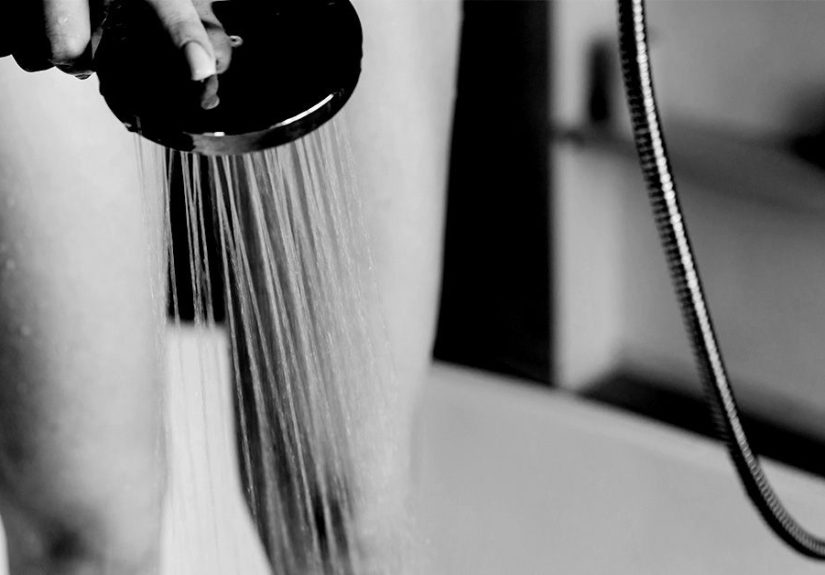
- Use warm water. In the shower, let warm (not hot) water run over the vulva.
- Choose mild, fragrance-free soap (optional). If you like using soap, pick a gentle,
unscented, hypoallergenic soap or cleanser designed for sensitive skin not a heavily perfumed “feminine wash.” - Clean the folds. Using your clean hand or a very soft washcloth, gently separate the labia and
wash around the creases where sweat and discharge can collect. - Avoid going inside. Do not put soap, wash, or fingers with soap into the vaginal canal. Rinse the
outside only. - Rinse thoroughly. Make sure there is no soapy residue left leftover soap can cause itching or burning.
- Pat dry, don’t scrub. Gently pat the area dry with a soft towel. No vigorous rubbing (your vulva is not a skillet).
How often should you wash?
Once a day is usually enough for most people. Over-washing can dry out the skin and actually make irritation
and itching worse.
You may choose to gently rinse the vulva more often if:
- You’ve been sweating a lot (hot weather, exercise, tight clothing)
- You’re on your period
- You’ve just had sex and feel more comfortable rinsing afterward
Even then, you don’t need to scrub or use harsh cleansers. Warm water and occasionally a small amount of mild soap on the
outside is enough.
During your period
Menstrual blood itself isn’t “dirty,” but it can cause more moisture and odor when mixed with sweat. To feel more
comfortable during your period:
- Change pads or tampons regularly (at least every 4–8 hours, depending on flow).
- Consider fragrance-free period products; scented pads or tampons can irritate sensitive skin.
- Rinse the vulva with warm water once or twice a day, or whenever you shower.
After sex or exercise
You don’t need an emergency “deep clean” after sex or a workout. But if you feel sweaty or sticky, a quick rinse can be nice:
- Rinse the vulva with warm water.
- Always wipe from front to back after using the bathroom.
- If you’re prone to UTIs, peeing after sex can help lower the risk of infection.
When it comes to cleaning up after sex, health experts emphasize that rinsing the vulva is enough
the vagina will manage its own internal cleanup.
What to avoid when “cleaning” your vagina
Here’s where a lot of people accidentally get into trouble. Many common products marketed as “feminine hygiene”
actually do more harm than good.
Douching and internal washes
Douching is when you use a device to flush water (often mixed with vinegar, antiseptic, or other ingredients)
into the vagina. It might sound “deep cleaning,” but medically, it’s a big no.
- It disrupts the natural pH and healthy bacteria.
- It increases the risk of infections like bacterial vaginosis and yeast infections.
- It’s linked to a higher risk of some STIs and pelvic inflammatory disease.
If a product promises a “deep cleanse inside” your vagina, that’s your sign to walk away, not to the checkout.
Scented soaps, sprays, wipes, and powders
That “fresh cotton candy blossom sunset” scented wash might smell cute in the bottle, but your vulva may strongly disagree.
Scented products can:
- Cause contact dermatitis (redness, burning, itching)
- Dry out delicate skin
- Disrupt the natural balance of the vulvar and vaginal area
Medical guidelines generally recommend that you avoid scented or deodorant products on the vulva,
including perfumed soaps, wipes, sprays, and bubble baths.
Over-washing and harsh tools
More cleaning does not equal more health. Over-washing especially with loofahs, rough cloths, or strong soaps
can strip natural oils and damage the skin barrier, leading to:
- Dryness and flaking
- Burning or stinging
- Micro-tears that make infections more likely
Think “gently rinse,” not “sandblast.”
DIY “home remedies” inside the vagina
The internet is full of creative but unhelpful ideas: inserting vinegar, garlic, yogurt, essential oils, or
baking soda directly inside the vagina. Your healthcare provider will not be impressed.
While some ingredients like boric acid have limited medical uses for specific recurring infections
under professional guidance, using over-the-counter or DIY versions without medical advice can be irritating
or dangerous.
Everyday habits that support vaginal health
Choose breathable underwear and clothing
The vulva likes a calm, breathable environment:
- Prefer cotton underwear or a cotton-lined crotch.
- Avoid very tight, non-breathable fabrics for long periods (think all-day in sweaty leggings).
- Change out of wet swimsuits or gym clothes promptly.
Many gynecology and vulvar-care guidelines also suggest skipping underwear at night if you’re comfortable doing so,
to allow more air flow and reduce moisture buildup.
Smart bathroom habits
- Always wipe front to back to avoid moving bacteria from the anus toward the vagina or urethra.
- Use soft, unscented toilet paper when possible.
- If urine stings the skin (for example after childbirth or irritation), pouring lukewarm water over the area while you pee can help.
Sex toys and partners
Cleaning your vulva is one part of the story; what comes into contact with it matters, too.
- Wash sex toys with gentle soap and water according to the manufacturer’s instructions.
- Don’t share unwashed toys between partners or between anal and vaginal use this can spread bacteria.
- Use condoms on toys when switching between partners or body areas to reduce the spread of infections.
When to see a healthcare provider
Normal vaginal discharge can be clear, white, or slightly yellowish, and its amount and texture can change during
your menstrual cycle. Mild, natural odor is also normal.
However, it’s time to contact a healthcare professional if you notice:
- Strong, persistent, or fishy odor
- Thick, cottage cheese-like discharge
- Green or gray discharge
- Burning, itching, or swelling
- Pain during sex or urination
- Bleeding between periods or after sex
These changes may signal infections such as bacterial vaginosis, yeast infections, or other forms of vaginitis
all of which are common and treatable, but not something you should try to fix with more soap.
Real-life experiences and lessons about vaginal cleaning
Many people learn about vaginal hygiene through trial, error, and “why is it itchy now?” moments. While
everyone’s body is unique, some common experiences and lessons tend to repeat.
“I thought I had to smell like flowers 24/7”
A very common story goes like this: someone notices a normal vaginal scent or a bit of discharge, feels embarrassed,
and heads straight to the store. They pick up perfumed washes, deodorant sprays, and wipes marketed as “refreshing”
or “odor-neutralizing.” After a week or two of daily use, the itching, burning, and unusual discharge begin.
The lesson many people eventually share is that the problem wasn’t their natural scent it was the fragrance-heavy
products. Once they switched to gentle, unscented soap only on the vulva (or just water) and saw a clinician
for anything persistent, their symptoms improved significantly.
Over-cleaning from anxiety
Another pattern: someone worries a partner will think they’re “unclean,” so they start washing multiple times a day,
sometimes right before and right after any intimate contact. They might scrub with washcloths, use hot water, or
double up on cleansers and wipes.
Over time, the constant friction and soaps can damage the vulvar skin, making it more sensitive to even mild products.
People often describe this as a cycle the more irritated it feels, the more they scrub, hoping to fix it, and the
worse it gets.
Those who break out of the cycle usually do so after a conversation with a healthcare provider who explains that
“clean” does not mean “scrubbed,” and that once-a-day gentle washing is enough. Learning that the vagina is
self-cleaning can be a huge relief and helps dial down the anxiety.
Gym clothes, busy days, and simple fixes
Many people notice irritation or odor on days when they stay in tight leggings or damp underwear for hours. Life is
busy it’s very normal to run errands after a workout or sit at a desk all day in the same clothes. But heat and
moisture are great conditions for yeast and bacteria to overgrow.
Small tweaks often make a surprising difference:
- Keeping a spare pair of cotton underwear in a bag to change into after the gym
- Switching from very tight synthetic underwear to breathable fabrics
- Showering or at least rinsing the vulva after intense workouts
People frequently report fewer infections and less irritation once they make these changes no fancy products required.
Talking to a provider without embarrassment
For many, the hardest part is not the washing itself, but asking questions about it. It’s easy to feel shy about
saying, “I don’t know if I’m cleaning correctly,” or “This smell is new and I’m worried.”
A good clinician won’t judge your routine; they’ve heard every possible question before. Bringing a simple list of
concerns for example:
- What kind of soap should I use on my vulva, if any?
- Is my discharge normal for my age and birth control?
- Are my symptoms more likely from irritation or infection?
can turn a five-minute awkward moment into years of relief and clearer understanding of your body.
Bottom line: simple is safer
Across many people’s experiences, one theme keeps showing up: the simpler the routine, the better. Most regret
comes not from “I should have washed more,” but from “I wish I hadn’t put so many products down there.”
If you take one thing away, let it be this: your vagina is doing a lot of smart, invisible work on its own. Your
job is not to out-clean it just to support it by gently washing the outside, skipping harsh products, and asking
for medical help when something feels off.
Conclusion
Cleaning your vagina safely is mostly about learning what not to do. The vagina cleans itself; your role
is to care gently for the vulva, avoid products that irritate or disrupt the natural balance, and pay attention to
new or persistent symptoms.
You don’t need floral-scented foam, glitter wash, or “detox pearls.” You need warm water, mild unscented soap
(if you choose to use it), breathable fabrics, and a willingness to talk to a healthcare professional when
something changes. That’s it simple, safe, and actually backed by science.