Table of Contents >> Show >> Hide
- Start With the Feeling, Not the Finish
- Choose a Color Palette With Personality
- Paint Cabinets Like You Mean It
- Layer Natural Materials for Instant Warmth
- Make the Kitchen Feel Collected, Not Cataloged
- Use Lighting to Create a Soft, Welcoming Glow
- Add Pattern Without Creating Panic
- Build in Comfort With Seating and Soft Touches
- Keep It Practical, Because Charm Still Has to Chop Onions
- Decorate With Everyday Beauty
- Mistakes to Avoid
- Conclusion
- Real-Life Experiences: What a Colorful and Cozy Cottage Kitchen Actually Feels Like
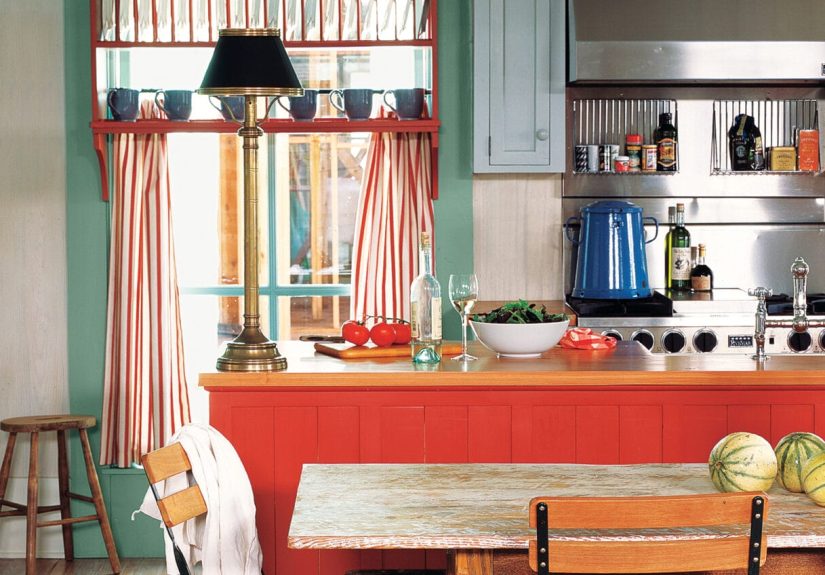
If your dream kitchen feels less like a shiny spaceship and more like a room where someone is always baking something buttery, welcome home. A colorful and cozy cottage kitchen is not about perfection. It is about personality. It is the kind of space where painted cabinets, warm wood, open shelves, vintage finds, soft lighting, and a slightly overconfident collection of mugs somehow work together beautifully.
The best cottage kitchens feel gathered over time rather than ordered in one dramatic midnight scroll session. They mix practical features with charm, color with comfort, and old-fashioned details with modern function. Done right, this style feels cheerful in the morning, relaxed in the afternoon, and downright magical when the lamps come on at night.
So how do you build that look without turning your kitchen into a themed gift shop? Start with mood, layer in color, and let comfort lead the way. Here is how to create a cottage kitchen that feels bright, warm, lived-in, and very hard to leave.
Start With the Feeling, Not the Finish
Before choosing paint colors or cabinet hardware, decide how you want the room to feel. Cottage kitchens usually aim for some combination of welcoming, easygoing, nostalgic, and functional. In other words, you want a space that says, “Please sit down,” not “Do not breathe near the marble.”
This style works best when you focus on atmosphere first. Think soft edges, layered textures, warm light, and materials that feel natural or slightly imperfect. Cottage design tends to favor kitchens that look collected rather than matched. That means you do not need every finish to coordinate like members of a synchronized swim team. In fact, a little variety is part of the charm.
Ask yourself three quick questions
Do you want your kitchen to feel airy and sunny, rich and moody, or somewhere in between? Do you want color to lead the design, or would you rather keep the backdrop neutral and bring in color through accents? And finally, do you want the room to lean more country, English cottage, coastal cottage, or vintage American farmhouse? These answers help narrow your choices fast.
Choose a Color Palette With Personality
Color is what separates a cozy cottage kitchen from a plain rustic one. The trick is choosing colors that feel warm, relaxed, and a little nostalgic. Good cottage palettes often include creamy whites, soft sage, dusty blue, butter yellow, muted pink, warm greige, terracotta, and gentle green. If you love bold color, go for it, but give it a softer partner. A cheerful red island looks more cottage than chaotic when paired with warm white walls and natural wood.
Try limiting your main palette to three categories: one dominant color, one grounding neutral, and one accent. For example, you might choose sage cabinets, creamy walls, and brass or copper accents. Or you could go with off-white cabinetry, a blue-gray island, and floral textiles in red and green. This keeps the room layered without turning it into a paint fan deck with commitment issues.
Color combinations that work beautifully
Sage green + warm white + honey wood: calm, timeless, and easy to decorate around.
Butter yellow + cream + aged brass: cheerful and sunny without feeling loud.
Dusty blue + white + walnut: fresh, relaxed, and slightly coastal.
Soft greige + terracotta + black accents: cozy, earthy, and great for a more grown-up cottage look.
Muted pink + ivory + natural oak: playful, charming, and surprisingly sophisticated when used with restraint.
If your kitchen is small, lighter walls and upper cabinets can help keep things open, while a deeper color on lower cabinets or an island adds richness. If your kitchen gets lots of light, you can absolutely experiment with moodier shades like forest green, navy, or warm brown.
Paint Cabinets Like You Mean It
Cabinet color is one of the fastest ways to change the personality of a kitchen. In a cottage kitchen, cabinets do not need to be stark white or trendy in a way that expires by Labor Day. They should feel familiar, inviting, and just imperfect enough to suggest that good pie has happened here.
Painted cabinetry is a cottage classic. Soft green, pale blue, creamy beige, and muted yellow are all excellent choices. Two-tone cabinets also work well, especially when upper cabinets stay light and lower cabinets bring in color. If you have existing wood cabinets and do not want to paint everything, consider painting just the island, pantry door, or one bank of cabinets to introduce color without a full renovation.
Cabinet details that add cottage charm
Shaker doors, beadboard panels, simple cup pulls, porcelain knobs, and furniture-style feet all help create the look. Glass-front cabinets can lighten the room and show off pretty dishware. Open shelving can do the same, but keep it curated. This is a cottage kitchen, not a yard sale with plumbing.
Layer Natural Materials for Instant Warmth
Cozy kitchens are never built on color alone. What really gives a cottage kitchen its depth is texture. Natural materials soften the room and keep it from feeling flat. Wood floors, butcher block, stone counters, unlacquered brass, copper cookware, ceramic tile, rattan, linen, and woven baskets all help the space feel grounded and lived-in.
A good rule is to mix smooth and tactile finishes. If your cabinets are painted and polished, add warmth through a wooden table, rush-seat stools, or a vintage cutting board left out on the counter. If your room already has plenty of wood, bring in painted pieces and glossy tile to prevent it from feeling heavy.
Materials that do the heavy cozy lifting
Wood: floors, stools, shelves, and freestanding furniture add warmth fast.
Tile: subway tile, zellige, checkerboard floors, or patchwork patterns bring personality.
Metal: brass, copper, and antique nickel feel softer than super-shiny chrome.
Textiles: cafe curtains, seat cushions, runners, tea towels, and small rugs make the room feel inhabited in the best way.
Make the Kitchen Feel Collected, Not Cataloged
One of the biggest cottage-style secrets is that the room should feel personal. Matching everything too closely can make the space feel staged. Cottage kitchens shine when they include a few vintage or vintage-looking elements that suggest history and use.
This could mean a freestanding hutch instead of more upper cabinets, an antique table used as an island, open shelves filled with mismatched dishes, or framed art hanging in places where people usually expect sterile sameness. A painted stool, an old copper pot rack, or a thrifted lamp on the counter can add warmth that brand-new everything often lacks.
The goal is not clutter. The goal is character. Leave a little breathing room, edit your shelves, and display things that are both useful and beautiful. If it can hold lemons and make you happy, it belongs in the conversation.
Use Lighting to Create a Soft, Welcoming Glow
Lighting matters more than people think, especially in a cozy kitchen. Even a beautifully designed room can feel cold if the lighting is too harsh. A cottage kitchen should have layers of light so it works well during prep time and still feels warm during dinner or late-night tea.
Start with overhead lighting for general brightness. Then add task lighting where you actually chop, stir, and pretend to follow recipes exactly. Under-cabinet lights, sconces, pendants, and even a small table lamp can transform the room after sunset. Dimmers are ideal because they let your kitchen shift from practical to cozy in one little slide.
Lighting ideas that fit the cottage look
Pendants over an island in milk glass, aged brass, woven rattan, or enamel finishes. Wall sconces above open shelves or near a sink. A shaded lamp on a sideboard or open counter corner. Warm bulbs instead of super-cool white light. The room should glow, not interrogate you.
Add Pattern Without Creating Panic
Pattern is a cottage kitchen superpower. Used well, it adds whimsy and softness. Used badly, it feels like your wallpaper and dish towels are arguing. The safest approach is to repeat a few colors across different patterns so the room feels coordinated rather than chaotic.
Floral wallpaper, striped seat cushions, checked cafe curtains, patterned tile, and printed rugs can all work in the same room if they share a color family. A tiny floral print paired with a classic stripe is almost always a win. If you are nervous, keep large surfaces simple and use pattern on smaller items first.
Easy ways to bring in pattern
Try a floral Roman shade, a striped runner, a gingham seat cushion, or wallpaper inside a glass-front cabinet. These details add warmth and story without demanding a full design identity crisis.
Build in Comfort With Seating and Soft Touches
A cozy cottage kitchen should make people want to stay. Even a small one can feel social if you include one thoughtful comfort feature. A breakfast nook, a tiny banquette, two stools at the island, or even one really good chair in the corner can make the room feel more welcoming.
Textiles matter here. Cushions, slipcovered seats, soft curtains, and washable rugs make the kitchen feel less utilitarian and more connected to the rest of the home. A runner by the sink or a faded rug under the table can also soften hard surfaces and add color without requiring a paintbrush.
And yes, a banquette is one of the all-time great cottage kitchen moves. It adds storage, charm, and the irresistible suggestion that someone should sit there with coffee and gossip.
Keep It Practical, Because Charm Still Has to Chop Onions
A cottage kitchen may look romantic, but it still has to work. Storage, flow, and easy-clean surfaces matter. The prettiest room in the world loses some sparkle when every spatula lives in a different county.
Use baskets to hide pantry overflow. Hang mugs or utensils on rails to free up drawer space. Add shelf risers inside cabinets. Store daily-use items where they are easy to grab, and save the top shelf for things you only need on holidays or during that annual casserole phase. If you have the space, a small pantry cabinet or freestanding cupboard can be both beautiful and hardworking.
Function-first cottage upgrades
Choose durable paint finishes for cabinets. Use easy-to-wipe backsplash tile behind the stove. Add hooks near the door for aprons or market bags. Install under-cabinet lighting so prep areas are actually useful. And if you love open shelves, balance them with closed storage so the room never feels visually overstuffed.
Decorate With Everyday Beauty
The final layer is what turns a nice kitchen into a cottage kitchen with soul. Decor should feel natural, not overly managed. A bowl of pears, a crock of wooden spoons, stacked cookbooks, potted herbs, fresh flowers, handmade pottery, and art leaning on a shelf can all do more than a dozen generic “kitchen signs” ever could.
Seasonal decorating also works beautifully in this style. In spring, add daffodils and gingham linens. In summer, bring in wildflowers and fruit bowls. In fall, lean into copper, warm woods, and deeper textiles. In winter, lamps, candles, and evergreen branches make the room feel like a postcard with better snacks.
Mistakes to Avoid
The first mistake is making everything too themed. Cottage style is charming because it feels natural, not costume-y. The second is forgetting contrast. If everything is pale and sweet, the room can lose depth. Add darker wood, metal accents, or one stronger paint color to ground the space. The third is ignoring function. No amount of cafe curtains can save a kitchen with bad lighting and nowhere to put the toaster.
Another common error is overloading open shelving. Leave some empty space. Let your best pieces shine. Cottage kitchens feel relaxed, not frantic.
Conclusion
Creating a colorful and cozy cottage kitchen is really about balance. You want light and warmth, charm and usefulness, softness and structure. Start with a comforting palette, layer in texture, choose details with personality, and make sure the room supports real life. A cottage kitchen should feel like the happiest hardworking room in the house.
That means painted cabinets with soul, wood that brings warmth, lighting that flatters everyone, seating that invites people to linger, and decor that feels personal instead of performative. The beauty of the style is that it does not require perfection. It rewards patina, creativity, and the occasional odd but lovable chair.
In the end, the best cottage kitchens are not just pretty. They are generous. They make everyday routines feel nicer. They turn coffee into a ritual, leftovers into comfort, and ordinary weeknights into something that feels a little more golden. And honestly, that is a very good trick for one room to pull off.
Real-Life Experiences: What a Colorful and Cozy Cottage Kitchen Actually Feels Like
Living with a cottage kitchen is different from simply admiring one online. In photos, you notice the paint color, the shelves, the brass hardware, and the charming little lamp by the window. In real life, what stands out is the mood. A colorful and cozy kitchen changes how the room is used. People linger longer. Mornings feel less rushed. Even chores become slightly less annoying, which may be the closest thing design has to sorcery.
One of the first things many people notice after adding cottage-style elements is that the kitchen starts to feel like part of the home rather than a purely functional zone. A warm cream wall color can soften early daylight. Sage cabinets can make the room feel calm before the day gets noisy. A patterned runner by the sink can turn dishwashing into a task that feels less like punishment and more like part of the rhythm of the house. Not thrilling, exactly, but definitely less tragic.
Color also affects emotion more than people expect. A kitchen with pale blue lower cabinets and warm wood shelves often feels cool and peaceful in the afternoon, especially when sunlight hits the grain of the wood. A kitchen with butter-yellow accents can feel upbeat even on gray days. Deep green or navy on an island can make the whole room feel grounded and mature, especially when paired with creamy walls and softer lighting. These choices are not just visual. They shape the atmosphere people experience every day.
Comfort features matter too. A small banquette or breakfast corner often becomes the most used seat in the house. It is where someone drinks coffee before work, where kids do homework while dinner is cooking, where a friend sits and talks while pretending not to steal cheese from the cutting board. In many homes, this is the real success of a cottage kitchen: it supports daily life in a way that feels relaxed and human.
Open shelving, when done thoughtfully, can also improve the experience of using the room. Everyday dishes become easy to reach. Favorite mugs feel like decor. A stack of mixing bowls or a row of jars adds utility and beauty at the same time. Of course, this only works if the shelves are edited. A cozy kitchen feels collected. An overcrowded one feels like a pantry exploded in slow motion.
Lighting may be the most underrated part of the whole experience. During the day, natural light bouncing off warm paint and tile can make a kitchen feel cheerful without trying too hard. At night, under-cabinet lights and one or two small lamps can completely change the tone of the room. The kitchen stops being a work zone and starts feeling like a place to exhale. This is often when the cozy part really shows up.
Perhaps the best experience of all is that a cottage kitchen ages well. Minor wear rarely ruins the mood. A little patina on brass, a nick in painted wood, or a faded vintage rug often adds to the character instead of taking away from it. That makes the room easier to live in. It is stylish, yes, but it is also forgiving. And that may be the most comforting design feature of all.