Table of Contents >> Show >> Hide
- What Are Edema Blisters, Exactly?
- How to Dry Up Edema Blisters: 11 Steps
- 1. Do not pop the blister
- 2. Clean the area gently
- 3. Cover it with a nonstick dressing
- 4. Elevate the swollen limb above heart level
- 5. Reduce pressure, rubbing, and standing time
- 6. Use gentle movement to help fluid circulate
- 7. Use compression only if it is appropriate for you
- 8. Moisturize the surrounding skin, but keep the blister area protected
- 9. Treat the cause of the swelling, not just the blister
- 10. Watch closely for infection and circulation warning signs
- 11. Get medical help if the blister is large, recurring, or unexplained
- Common Mistakes That Make Edema Blisters Worse
- When to Seek Urgent or Emergency Care
- How Healing Usually Looks
- Final Thoughts
- Common Experiences People Have With Edema Blisters
- SEO Tags
If you have an edema blister, you are probably not in the mood for vague advice, inspirational quotes, or a stranger telling you to “just drink more water.” You want the blister gone, the swelling down, and your skin to stop looking like it is auditioning for a disaster movie. Fair enough.
Edema blisters form when swelling stretches the skin so much that fluid collects under the outer layer. They often show up on the legs, ankles, and feet, especially in people with venous insufficiency, lymphedema, immobility, or fluid retention linked to heart, kidney, or liver problems. The important thing to know is this: the fastest way to “dry up” an edema blister is usually not to dry the blister itself with some magical cream. It is to reduce the swelling that created it, protect the fragile skin, and keep infection from barging in like an uninvited guest.
This guide walks through 11 practical steps to care for edema blisters safely. It is educational, not a diagnosis. If your swelling is sudden, severe, one-sided, painful, or paired with shortness of breath, chest pain, fever, or rapidly spreading redness, get medical care right away.
What Are Edema Blisters, Exactly?
An edema blister is a fluid-filled blister caused by significant swelling. Think of it as a backup problem. When fluid builds up faster than your circulation and lymphatic system can move it away, the skin gets stretched and stressed. Eventually, a blister can appear. These blisters may be clear, tense, shiny, and surprisingly fragile.
They are most often associated with lower-leg swelling, but not every blister on a swollen leg is an edema blister. Sometimes the look-alikes include infection, venous stasis dermatitis, contact dermatitis, eczema, burns, medication reactions, or circulation problems. That is why “I Googled it and it looked similar” is not the gold standard of dermatology.
How to Dry Up Edema Blisters: 11 Steps
1. Do not pop the blister
This is the number-one rule, and yes, it is also the least fun. An intact blister acts like a natural dressing. Once you puncture it, you create an opening for bacteria and increase the odds of skin breakdown. If the blister is very large, painful, or looks like it may burst on its own, let a clinician decide whether it should be drained in a sterile way.
If you take only one lesson from this article, let it be this: edema blister care is not a DIY popping contest.
2. Clean the area gently
Wash the skin with mild soap and lukewarm water, then pat it dry. Do not scrub. Do not attack it with a rough washcloth. Do not bring out the rubbing alcohol like you are preparing a lab bench. Swollen skin is delicate, and irritated skin heals more slowly.
If the blister has already opened on its own, gentle cleansing becomes even more important. The goal is to reduce surface bacteria without stripping the skin raw.
3. Cover it with a nonstick dressing
After cleaning, protect the blister with a sterile, nonstick dressing. This helps reduce friction, keeps the blister roof from tearing, and lowers the chance of contamination. If the dressing sticks, swap it for a truly non-adherent option instead of peeling your skin off in the name of “bandage changes.”
Change the dressing when it gets wet, dirty, or loose. If the blister is draining, you may need more frequent changes. The dressing should protect the skin, not become a damp little greenhouse.
4. Elevate the swollen limb above heart level
If the blister is on your foot, ankle, or leg, elevation is one of the simplest and most effective steps. Prop the limb above heart level when possible. This helps fluid move out of the tissues and back into circulation. If your idea of elevation is dangling your foot from the couch while scrolling your phone, that does not quite count.
Try several sessions a day, especially when swelling is worst. Many people notice the skin looks less tight and the blister feels less pressured after consistent elevation.
5. Reduce pressure, rubbing, and standing time
Edema blisters hate friction. Tight socks, stiff shoes, seams, rough slippers, and long hours on your feet can make them worse. Wear soft, roomy footwear and avoid anything that rubs the blistered area. If the blister is on the lower leg, avoid tight wraps or random compression gear unless a clinician has already cleared you to use them.
It also helps to break up long stretches of standing or sitting. Swelling loves stagnation. Your circulation does not.
6. Use gentle movement to help fluid circulate
Rest matters, but complete stillness can make swelling worse. Light walking, ankle pumps, calf raises, and simple range-of-motion movements can help support venous and lymphatic return if your clinician says activity is safe for you. The calf muscles are sometimes called a “second heart” for the legs because they help pump blood and fluid upward.
This is not the time for a heroic workout. Think movement, not boot camp.
7. Use compression only if it is appropriate for you
Compression can be incredibly helpful for swelling caused by venous insufficiency or lymphedema, but it is not a universal fix. If you have peripheral artery disease, poor circulation, certain ulcers, severe pain at rest, or an unclear diagnosis, compression may be unsafe unless a clinician specifically recommends it.
If your provider has already prescribed compression stockings, wraps, or bandaging, follow that plan carefully. Properly fitted compression can reduce swelling, support healing, and lower the chance of more blisters forming. Improper compression, on the other hand, can make a bad situation worse. Medical fashion is one thing; medical guesswork is another.
8. Moisturize the surrounding skin, but keep the blister area protected
Edema often comes with dry, tight, itchy skin that cracks easily. Moisturizing the surrounding intact skin can help prevent tears and reduce skin breakdown. Fragrance-free moisturizers are usually the safest bet. On some swollen legs, barrier products such as petroleum jelly or zinc-based creams may be recommended around fragile areas, depending on the exact skin problem.
If the skin is weeping, raw, infected, or ulcerated, skip the random skin-care experiment and follow a clinician’s wound-care instructions instead.
9. Treat the cause of the swelling, not just the blister
This is where the real plot twist happens. The blister is often the symptom, not the whole story. If you keep caring for the blister but ignore the edema, you are basically mopping the floor while the sink is still overflowing.
Depending on the cause, treatment may include:
- Managing venous insufficiency with elevation, movement, and compression
- Lymphedema care with compression, skin care, and manual lymphatic techniques from trained professionals
- Reviewing heart, kidney, or liver conditions with your clinician
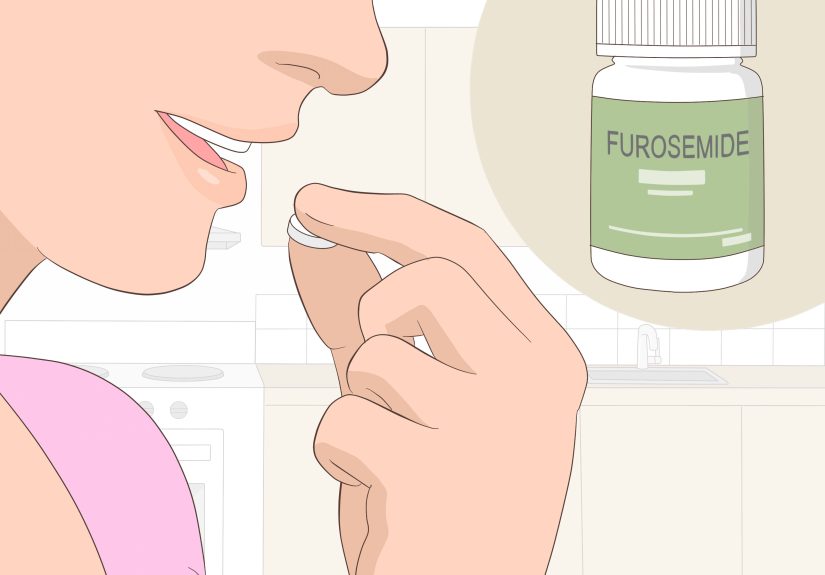
- Taking prescribed diuretics exactly as directed, if they are part of your treatment plan
- Reducing excess sodium if your clinician has recommended that approach
Do not start “water pills” on your own. Do not borrow someone else’s prescription. Do not assume every swollen leg is a minor inconvenience. Persistent edema deserves a real medical explanation.
10. Watch closely for infection and circulation warning signs
Edema blisters can open the door to cellulitis and other skin infections. Call a clinician promptly if you notice increasing redness, warmth, pain, pus, bad odor, fever, chills, or red streaks. Also pay attention to circulation warning signs such as blue or black skin, cold toes, numbness, severe pain, or wounds that are not healing.
One swollen leg that suddenly becomes painful, red, and much larger than the other can also suggest a blood clot or another urgent problem. That is not a “wait and see next month” kind of situation.
11. Get medical help if the blister is large, recurring, or unexplained
If edema blisters keep coming back, cover a wide area, appear with rapidly worsening swelling, or develop for no clear reason, you need more than a bandage and optimism. A healthcare professional can help figure out whether the driver is venous disease, lymphedema, heart failure, kidney disease, liver disease, medication effects, infection, or something else entirely.
Some cases also need wound care, vascular evaluation, prescription compression, or treatment for stasis dermatitis. In other words, if your body keeps sending fluid-filled memos, read them.
Common Mistakes That Make Edema Blisters Worse
- Popping the blister at home: quick satisfaction, slower healing.
- Using harsh cleansers: alcohol, strong antiseptics, and aggressive scrubbing can irritate fragile skin.
- Wrapping too tightly: extra pressure is not always better pressure.
- Ignoring worsening swelling: especially if it is new, severe, or paired with breathing trouble.
- Wearing tight shoes or socks: friction turns a bad blister into a dramatic one.
- Skipping the cause: the blister may improve only temporarily unless the edema is addressed.
When to Seek Urgent or Emergency Care
Seek emergency care right away if you have:
- Shortness of breath, chest pain, fainting, or trouble breathing while lying down
- Sudden leg swelling with severe pain
- Rapidly expanding redness or a rapidly changing rash
- Fever with a painful, hot, swollen blistered area
- Blue, black, or very cold skin
- Confusion, severe weakness, or coughing up blood
These symptoms can point to serious infection, a clot, or dangerous fluid overload. At that point, “home care” is no longer the starring character.
How Healing Usually Looks
With proper care, many edema blisters gradually flatten, stop leaking, and reabsorb as the swelling improves. The skin may stay fragile for a while, which is why protection and prevention matter even after the blister settles down. If swelling stays uncontrolled, new blisters can form and the skin may progress to chronic irritation, weeping, or ulceration.
The goal is not just a prettier ankle by next Tuesday. The goal is healthy skin, better circulation, and fewer repeat episodes.
Final Thoughts
If you are wondering how to dry up edema blisters, the answer is both simple and annoyingly mature: protect the blister, reduce the swelling, and take the underlying cause seriously. Do not pop it. Clean it gently. Cover it. Elevate the limb. Use movement and compression thoughtfully. Watch for infection. And if the swelling keeps returning, get a real medical evaluation instead of playing detective with search results at 2 a.m.
Edema blisters can look dramatic, but they are often your body’s visible clue that fluid balance, circulation, or lymph drainage needs attention. Treat the clue wisely, and the skin usually follows.
Common Experiences People Have With Edema Blisters
The following examples are based on patterns clinicians commonly see in practice. They are not fictional horror stories and not meant to replace medical advice. They simply show how edema blisters often behave in real life, which can be reassuring when your own skin suddenly looks like it is doing something deeply uncooperative.
Experience 1: “I thought it was just a blister from my shoe.”
A lot of people first notice a shiny, fluid-filled blister near the ankle or top of the foot and assume it came from a shoe. That sounds reasonable, until they realize the shoe has not changed, both legs are puffy, and their socks are suddenly leaving deep marks by lunchtime. In these cases, the bigger issue is usually the swelling. Once they start elevating the leg more often, protecting the skin, and addressing the edema itself, the blister often settles down much faster than expected. The lesson is simple: if the surrounding skin is swollen, tight, or shiny, the blister may be a symptom of fluid overload rather than friction alone.
Experience 2: “I popped it because it looked ready.”
This is incredibly common, and unfortunately, it is also where things can go sideways. People see a tense blister, assume draining it will speed healing, and then end up with a raw patch that leaks, sticks to the sock, and becomes much harder to manage. Sometimes it gets red and sore. Sometimes it becomes the starting point for cellulitis. The emotional pattern is almost always the same: relief for five minutes, regret for five days. The takeaway is that the blister roof protects the skin underneath. Leaving it intact usually gives you a better outcome than turning it into an open wound.
Experience 3: “The blister kept coming back until someone treated the swelling.”
Many people are surprised to learn that edema blisters can recur if the underlying issue is not controlled. Someone may use dressings faithfully, keep the area clean, and still see a new blister show up a week later because the leg swelling never truly improved. This often happens in chronic venous insufficiency or lymphedema. Once a treatment plan includes consistent elevation, compression that is properly fitted, skin care, and sometimes specialist therapy, the repeat blister cycle may calm down. The key lesson is that wound care alone is often not enough. Swelling control is not optional; it is the whole game.
Experience 4: “The blister was the clue that something bigger was going on.”
Sometimes the blister is what finally pushes someone to get checked out, and that ends up being a very good thing. A person may think they just have “bad circulation” or “water retention,” only to learn they also have worsening venous disease, lymphedema, medication-related swelling, or signs of a heart or kidney issue that needs proper follow-up. In that sense, edema blisters can be useful messengers, even if they are rude about it. They often appear when the skin has reached its limit. Taking them seriously can lead to earlier diagnosis, better edema management, and fewer skin complications later.