Table of Contents >> Show >> Hide
- Why Hair Glue Is So Hard to Remove
- Before You Start: The Golden Rules
- Method 1: Freeze and Scrape for Dried Hair Glue
- Method 2: Dish Soap and Warm Water for Soft or Fresh Residue
- Method 3: Rubbing Alcohol for Sticky Adhesive Film
- Method 4: Acetone for Super-Strong Hair Glue on Durable Fabric
- Method 5: Baking Soda, Petroleum Jelly, or Oxygen Booster for the Final Cleanup
- How to Wash Clothes After Removing Hair Glue
- What Not to Do
- When to Call a Professional Cleaner
- Quick Answer: Which Method Should You Try First?
- Real-Life Experiences With Hair Glue on Clothes
- Conclusion
Hair glue has a special talent: it never lands on the old T-shirt you secretly wanted to retire anyway. No, it usually finds your favorite hoodie, your good pillowcase, or the one black top that goes with everything. Whether you spilled wig glue, bonding glue, extension adhesive, or a sticky edge-control-style product with serious hold, the result is the same: a stubborn mess that looks like your laundry got into a fight with a craft store.
The good news is that you can usually remove hair glue from clothes without destroying the fabric. The trick is choosing the right method for the type of glue and the type of material. Some adhesives respond well to cold and gentle scraping. Others need dish soap, rubbing alcohol, or a careful dab of acetone. And in almost every case, patience beats panic. Rubbing wildly like you are trying to erase your mistakes from 2024 is not the move.
In this guide, you will learn how to get hair glue out of clothes using five effective methods, when to use each one, what to avoid, and how to wash the garment afterward so you do not accidentally lock the stain in for life.
Why Hair Glue Is So Hard to Remove
Hair glue is designed to grip, hold, and resist moisture, oils, and movement. That is excellent news for a lace front on a windy day, but terrible news for a cotton shirt. Some hair adhesives are closer to water-based bonding products, while others behave more like nail glue or super glue. That means one universal method does not always work.
Before you treat the stain, pay attention to three things:
1. Is the glue fresh or dried?
Fresh glue may respond to dish soap and blotting. Dried glue often needs freezing, scraping, or a solvent-based approach.
2. What fabric are you dealing with?
Cotton, denim, and polyester blends are generally easier to treat. Silk, wool, acetate, suede, leather, lace, velvet, and anything labeled dry clean only need much more caution. If the tag says dry clean only, do not play laundry chemist. Let a professional handle it.
3. Do you know the product type?
If the hair glue behaves like a strong bonding adhesive, you may need rubbing alcohol or acetone. If it is softer or tackier, you may be able to loosen it with soap, warm water, or an oxygen-based stain remover.
Before You Start: The Golden Rules
- Check the care label before doing anything.
- Do a spot test on an inside seam or hidden area.
- Do not rub aggressively. That can spread the glue deeper into the fibers.
- Use a dull tool, not a sharp blade, to lift residue.
- Do not put the garment in the dryer until the stain is fully gone.
- Work in a ventilated area when using alcohol or acetone.
Now let us get to the part your shirt has been waiting for.
Method 1: Freeze and Scrape for Dried Hair Glue
Best for: thick, hardened glue blobs on sturdy fabrics like cotton, denim, canvas, and polyester blends.
If the hair glue has dried into a crusty patch, freezing it can make removal easier. Cold helps harden the adhesive so it becomes more brittle and easier to crack off without smearing it everywhere.
How to do it
- Fold the garment so the glue-stained area faces upward.
- Place it in a plastic bag or lay an ice pack over the stain.
- Freeze for 30 to 60 minutes, or until the glue feels hard.
- Use a spoon, butter knife, credit card edge, or dull scraper to gently lift off as much glue as possible.
- Brush away loose flakes before moving to the next treatment.
This method works well because it removes the bulk of the mess first. Think of it as downsizing the problem before you bring in the stronger cleanup crew.
Pro tip: If the glue starts to soften while you work, refreeze it. Sticky adhesive is a drama queen. It behaves better when cold.
Method 2: Dish Soap and Warm Water for Soft or Fresh Residue
Best for: fresh hair glue, softened residue, or tacky leftover film after scraping.
Dish soap is a surprisingly strong first step because it helps break down oily residue and loosen soft adhesive. It is also gentler than jumping straight to solvents, which makes it a smart starting point for many washable garments.
How to do it
- Lay the garment flat on a clean towel.
- Blot any wet glue with a paper towel or cloth. Do not smear it.
- Apply a few drops of grease-cutting dish soap directly to the spot.
- Work it in gently with your fingers or a soft toothbrush.
- Let it sit for 10 to 15 minutes.
- Soak the area in warm water if the care label allows it.
- Gently scrape or blot again to remove loosened glue.
- Rinse and repeat if needed.
This is one of the safest methods for everyday fabrics and is often enough for light adhesive transfer from hair bonding products. If the spot looks better but not completely clean, that is progress. Laundry stain removal is often a “two rounds and a pep talk” kind of situation.
Method 3: Rubbing Alcohol for Sticky Adhesive Film
Best for: stubborn residue that remains after scraping or soap treatment.
Rubbing alcohol is one of the most useful tools for removing adhesive from clothing because it can help dissolve sticky residue without requiring a full soaking bath of harsh solvent. It is especially useful when the glue has spread into a thin film instead of sitting in one thick blob.
How to do it
- Place a clean white cloth or paper towel under the stained area.
- Dampen a cotton ball, swab, or clean cloth with rubbing alcohol.
- Blot the glue from the outside toward the center.
- Let it sit for about a minute.
- Gently lift softened residue with a spoon or dull edge.
- Blot again with fresh alcohol as needed.
- Rinse the area thoroughly with cool water.
Do not pour rubbing alcohol everywhere like you are seasoning a casserole. Use small amounts and controlled blotting. Too much liquid can spread the adhesive or affect dye on some fabrics.
Important: Always spot-test first. Rubbing alcohol can affect color on some garments, especially darker or delicate fabrics.
Method 4: Acetone for Super-Strong Hair Glue on Durable Fabric
Best for: very stubborn bonding glue or glue that behaves like nail glue or super glue.
If the hair glue is extremely strong, acetone may be the method that finally gets things moving. Acetone is found in many nail polish removers and can break down powerful adhesives. It is effective, but it is not gentle, so this is the method to use carefully and only when needed.
How to do it
- Check the care label and avoid this method on delicate or dry-clean-only fabrics.
- Spot-test acetone on a hidden part of the garment.
- Place a cloth behind the stained area.
- Dab a cotton swab or pad in acetone.
- Blot the glue lightly and wait for it to soften.
- Lift softened adhesive with tweezers, a spoon, or a dull scraper.
- Repeat with patience, not force.
- Rinse thoroughly, then wash the garment.
Do not use acetone on acetate, triacetate, some modacrylic blends, or other delicate materials unless the product label clearly allows it. Acetone can damage or dissolve certain fibers. In plain English: it may remove the glue and your shirt’s will to live.
Method 5: Baking Soda, Petroleum Jelly, or Oxygen Booster for the Final Cleanup
Best for: faint residue, oily shadow marks, or the annoying “almost gone but still visible” stage.
Once the main glue is removed, you may still see a dull patch or tacky trace. This is where a finishing treatment helps. The exact choice depends on what remains.
Option A: Baking soda paste
Mix baking soda with a little water to create a soft paste. Dab it onto the residue, let it sit for 15 to 30 minutes, then brush off gently before washing. This works best on washable, non-delicate fabrics.
Option B: Petroleum jelly
If the residue feels more gummy than crusty, a small amount of petroleum jelly can help loosen adhesive on washable fabrics. Rub it in gently, rinse, then follow with dish soap to remove the greasy feel before laundering.
Option C: Oxygen-based stain remover
For lingering marks, pretreat with an oxygen-based stain remover and then wash according to the care label. This can help lift the last traces of discoloration and deodorize the area too.
This final step is often the difference between “good enough for pajamas” and “safe to wear in public again.”
How to Wash Clothes After Removing Hair Glue
Once the glue has been loosened and most of it is gone, laundering the garment correctly matters just as much as stain treatment.
- Rinse out any soap, alcohol, acetone, or paste first.
- Apply a little liquid laundry detergent to the area as a pretreat.
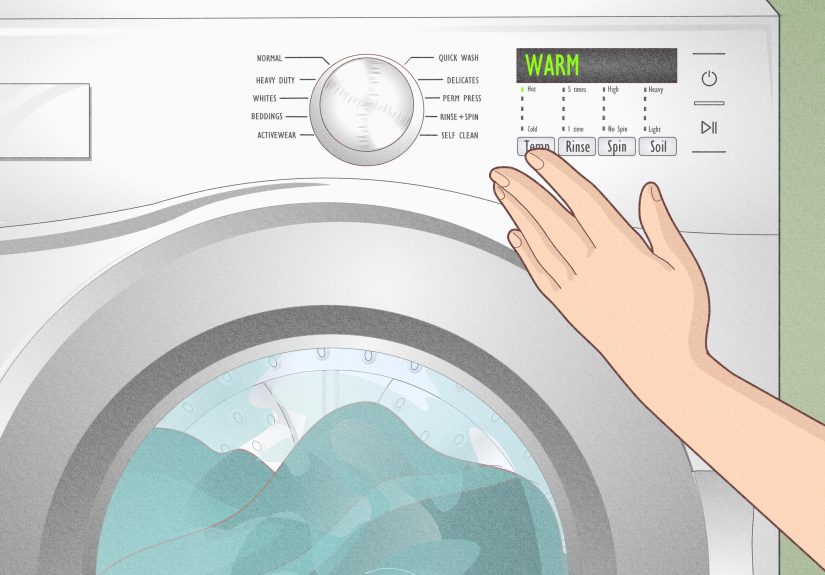
- Wash in the warmest water the care label allows.
- Inspect the stain while the fabric is still wet.
- If any residue remains, repeat treatment before drying.
The dryer is where many removable stains become permanent residents. Heat can set leftover adhesive and discoloration, so air-dry the item until you are sure the stain is gone.
What Not to Do
- Do not use bleach as your first move.
- Do not mix bleach with rubbing alcohol, ammonia, or acidic cleaners.
- Do not scrub delicate fabric with a stiff brush.
- Do not use a razor blade on clothing.
- Do not toss a still-stained item into a hot dryer.
- Do not force glue off before it softens.
That last point matters. Pulling hardened glue off too soon can stretch fibers, pull fuzz, or leave a shiny worn patch that screams, “I survived something weird.”
When to Call a Professional Cleaner
Some situations are better left to the pros. Take the garment to a dry cleaner if:
- the label says dry clean only
- the fabric is silk, wool, acetate, leather, suede, lace, or velvet
- the glue stain is large and old
- the garment is expensive, sentimental, or hard to replace
- you already tried one method and the fabric color started lifting
There is no shame in outsourcing a stain battle. Sometimes wisdom looks like handing the problem to someone with better chemicals and fewer emotional attachments.
Quick Answer: Which Method Should You Try First?
If you want the shortest route to a decision, here it is:
- Dried blob of glue: Freeze and scrape.
- Fresh sticky mess: Dish soap and warm water.
- Thin adhesive film: Rubbing alcohol.
- Very strong bonding glue: Acetone on durable, colorfast fabric only.
- Faint leftover residue: Baking soda, petroleum jelly, or oxygen booster, then wash.
Real-Life Experiences With Hair Glue on Clothes
If you have ever gotten hair glue on clothes, you already know the first emotion is usually denial. You look at the sticky patch and think, “Maybe that is just shine.” Then you touch it, your finger sticks, and suddenly you are negotiating with a T-shirt like it has betrayed you personally.
One of the most common real-world mistakes is trying to wipe the glue immediately with a dry tissue. That usually makes the mess bigger. The tissue shreds, the glue spreads, and now the shirt has both adhesive and what looks like paper confetti glued into it. A much better experience comes from pausing, letting the glue dry a bit if it is very wet, and then removing the excess slowly before adding any cleaner.
Another common experience happens with black clothing. Hair glue on black fabric seems to become emotionally louder. Even when the stain is small, it looks dramatic. People often assume the shirt is ruined, but that is not always true. On cotton or cotton-blend black tops, careful scraping followed by rubbing alcohol and a regular wash can make a huge difference. The key is not to panic and throw the shirt into the dryer too soon. Many people lose the battle there, not during the stain treatment itself.
There is also the “I used acetone on the wrong fabric” story, and it is never a fun one. This usually happens when someone gets excellent results on denim and then assumes the same trick will be safe on a delicate blouse. It may not be. That is why spot testing matters so much. A hidden seam can save you from turning a glue stain into a fabric disaster.
People who handle lace fronts, extensions, or wig installs regularly often learn one useful habit: wear an old button-down shirt or place a towel over your shoulders while working. It sounds simple, but it prevents a lot of cleanup later. The best stain removal method is still not creating the stain in the first place. Revolutionary, I know.
Many successful cleanup stories follow the same pattern: remove the bulk first, use the mildest method that works, rinse well, and repeat instead of attacking the fabric harder. In other words, slow and steady wins over frantic and aggressive. Hair glue can absolutely come out of clothes, but it usually responds better to patience than brute force.
Conclusion
Learning how to get hair glue out of clothes is really about understanding the stain before you attack it. Start simple. Freeze dried glue, loosen fresh residue with dish soap, move up to rubbing alcohol for sticky film, and use acetone only when the fabric can handle it. Finish with a proper wash, skip the dryer until the stain is gone, and call a dry cleaner when the garment is delicate or expensive.
So no, a blob of hair glue on your shirt does not automatically mean the item is doomed. It just means your laundry has entered its problem-solving era.