Table of Contents >> Show >> Hide
- What Is a FUPA, Exactly?
- Why This Area Can Be So Stubborn
- Can You Actually Get Rid of a FUPA Without Surgery?
- Best Exercises to Improve the Look of a FUPA
- If Pregnancy or Weight Loss Changed Your Body
- When Surgery Makes Sense
- Common Mistakes That Keep People Stuck
- When to See a Doctor
- What Real People Commonly Experience on This Journey
- Final Thoughts
- SEO Tags
Let’s start with the obvious: “FUPA” is one of those slang terms that sounds funny until you are the one standing in front of a mirror, tugging at leggings, and wondering why this one area refuses to cooperate. It usually refers to extra fat or fullness in the lower abdomen and mons pubis, the soft area over the pubic bone. Sometimes it is mostly fat. Sometimes it is loose skin. Sometimes it is a little of both. And sometimes the problem is not a FUPA at all, but something else pretending to wear the same outfit.
That is why the best approach is not panic, punishment, or doing 800 crunches while glaring at your reflection like it owes you rent. The real solution is understanding what is causing the fullness, then choosing a strategy that actually fits your body. In many cases, that means overall fat loss, strength training, and patience. In others, especially after pregnancy or major weight loss, surgery may be the only way to truly remove extra skin or reshape the mons pubis.
If you want the short version, here it is: you can often reduce a FUPA through weight loss and exercise, but you cannot reliably spot-reduce just that area. If loose skin, separated abdominal muscles, or a hanging pannus are part of the issue, then lifestyle changes help, but they may not completely fix the appearance. Annoying? Yes. Useful to know before buying another “flat lower belly in 7 days” program? Also yes.
What Is a FUPA, Exactly?
In plain English, a FUPA usually means extra tissue in the lower belly and upper pubic area. Medically, the conversation often includes the mons pubis, lower abdominal fat, and sometimes excess skin from the lower abdomen. For some people, the fullness is mild and mostly cosmetic. For others, it can affect comfort, confidence, hygiene, exercise, sex, or how clothes fit.
A FUPA can develop for several reasons:
- Overall body fat gain: Some people naturally store more fat in the lower abdomen and pubic region.
- Pregnancy and childbirth: Hormonal changes, abdominal stretching, and postpartum body changes can all make the area more prominent.
- Major weight loss: Fat may shrink, but loose skin may remain like a stubborn souvenir.
- Aging: Skin loses elasticity over time, and body fat distribution changes.
- Genetics: Sometimes your body shape is simply following the blueprint it was handed.
Fat, Loose Skin, or Something Else?
This part matters. What looks like a FUPA is not always just fat. If the area feels soft and full, it may be fatty tissue. If it hangs, wrinkles, or seems emptier after weight loss, loose skin may be the bigger issue. If you recently had a baby and notice doming, weakness, or a persistent bulge around the midline, diastasis recti may be contributing. And if you have pain, a firm lump, swelling, redness, or a bulge that gets worse with straining, you need a medical evaluation to rule out a hernia or another condition.
Why This Area Can Be So Stubborn
Lower abdominal and pubic fat can be stubborn for the same reason love handles and underarm fluff are stubborn: your body decides where it stores and releases fat based on genetics, hormones, age, activity level, and overall energy balance. In other words, your body did not hold a focus group and ask which area would annoy you most. It just made executive decisions.
That is also why doing endless lower-ab exercises does not “melt” fat from the mons pubis. Core work can strengthen the muscles underneath and improve posture and support, but it does not magically vacuum fat off one tiny zone. If you want to shrink that area, the goal is overall body-fat reduction combined with better muscle tone and, when needed, medical or surgical treatment.
Can You Actually Get Rid of a FUPA Without Surgery?
Sometimes, yes. But the honest answer is: it depends on what the fullness is made of.
If the area is mostly fat, lifestyle changes can help a lot. If the area is mostly loose skin, stretched tissue, or a large overhang after major weight loss, exercise can improve your shape and health, but it may not fully remove the extra tissue. Think of it this way: you can shrink the contents, but you cannot always force the container to snap back.
The Lifestyle Formula That Actually Works
1. Create a sustainable calorie deficit.
Fat loss happens when you consistently use more energy than you take in. That does not mean starving yourself or living on sad celery. It means eating in a way you can maintain: slightly fewer calories, more nutrient-dense foods, and better portions over time.
2. Prioritize protein and fiber.
Meals built around lean protein, vegetables, fruit, beans, whole grains, yogurt, eggs, fish, chicken, tofu, and other filling foods make it easier to stay satisfied. This helps with appetite control, which is huge when your lower belly is not exactly responding to wishful thinking.
3. Do regular cardio.
Walking, cycling, swimming, rowing, jogging, or intervals can help you burn calories and improve overall fat loss. You do not need to become a fitness influencer who wakes up smiling at 4:52 a.m. and drinks something neon green. You just need consistency.
4. Lift weights or do resistance training.
Strength training helps preserve or build lean muscle while losing fat. That matters because muscle supports metabolism, shape, posture, and how your body looks once fat starts coming off. A smaller body with more muscle tone almost always looks tighter than a smaller body that lost weight fast without strength work.
5. Sleep and stress management count more than people want to hear.
Poor sleep and chronic stress can make hunger, cravings, recovery, and weight management harder. No, sleep is not sexy advice. It is just wildly underrated.
Best Exercises to Improve the Look of a FUPA
You cannot spot-reduce the area, but you can improve the way your lower midsection looks by reducing overall body fat and strengthening the muscles that support your core, hips, and pelvis.
Smart moves to include
- Walking or incline walking: easy to recover from, easy to stick with, and surprisingly effective over time.
- Squats and split squats: build the lower body and increase total muscle demand.
- Deadlifts or hip hinges: train the posterior chain and core together.
- Glute bridges or hip thrusts: strengthen the glutes and pelvic region support muscles.
- Dead bugs, bird dogs, and controlled core work: better for many people than endless crunches.
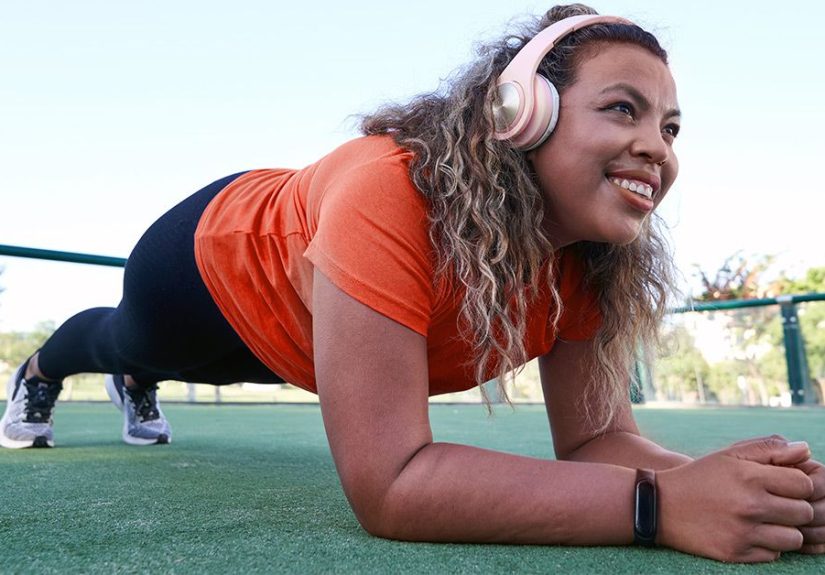
- Planks and side planks: build core stability without turning your neck into a regret machine.
A solid weekly plan might include 150 to 300 minutes of moderate activity, two to four strength sessions, and daily walking. That is not glamorous, but it is effective. The “secret” is usually not a secret at all. It is repetition, recovery, and boring consistency.
If Pregnancy or Weight Loss Changed Your Body
Many people notice a FUPA after pregnancy, and there are good reasons for that. The abdominal wall stretches, the pelvis shifts, hormones change, and postpartum recovery takes time. Some people also develop diastasis recti, where the abdominal muscles separate and create a lingering bulge. In that situation, fat loss alone may not fully change the shape of the area.
After major weight loss, the issue may be even less about fat and more about loose skin or a lower abdominal apron, sometimes called a pannus. This can hang over the pubic region, cause rashes, make hygiene harder, and create discomfort during movement. If that is your situation, please do not blame yourself because a “clean eating challenge” did not erase it. Skin elasticity has limits.
Postpartum bodies and post-weight-loss bodies often need a gentler mindset and a smarter plan. Pelvic floor therapy, physical therapy for diastasis recti, gradual exercise, and stable weight management can all help. But some changes are structural, not moral failures dressed up as “lack of discipline.”
When Surgery Makes Sense
If you have reached a stable weight, built good habits, and still have a prominent FUPA, a consultation with a qualified plastic surgeon or gynecologic surgeon may be worth considering. Surgery is not the first move for everyone, but it can be the right move for some people.
Common options
Liposuction:
Best for localized fat when the skin still has decent elasticity. It removes fat, but it does not fix major loose skin.
Monsplasty or pubic lift:
This procedure reduces hanging skin and fatty tissue of the mons pubis. It is often considered when the upper pubic area remains prominent, uncomfortable, or difficult to clean.
Abdominoplasty (tummy tuck):
This removes extra abdominal skin and fat and may tighten abdominal muscles. It can help when the lower abdomen and pubic region are both part of the issue.
Panniculectomy:
This removes an overhanging apron of lower abdominal skin and fat. In some cases, it is done for functional reasons, such as rashes, hygiene problems, or repeated skin irritation, not just appearance.
Good candidates are generally at a stable weight, in good overall health, realistic about results, and not smoking. Recovery, scars, swelling, and cost all matter, so this is not a casual lunchtime errand between emails.
Common Mistakes That Keep People Stuck
- Trying to out-crunch a fat deposit: not how fat loss works.
- Eating too little: this often backfires and makes adherence miserable.
- Ignoring strength training: muscle tone matters for shape.
- Expecting postpartum or post-weight-loss skin to behave like it did at 19: sometimes the tissue has changed permanently.
- Comparing your body to edited before-and-after photos: a terrible hobby, honestly.
When to See a Doctor
Make an appointment if the area is painful, suddenly swollen, firm, red, or rapidly changing. Also get checked if you have trouble with hygiene, rashes, recurrent infections, urinary issues, or a bulge that worsens when coughing or lifting. A clinician can help determine whether the problem is simple fat storage, loose skin, diastasis recti, a hernia, lymphedema, or another treatable issue.
What Real People Commonly Experience on This Journey
One of the most common experiences people describe is frustration at how unfair the whole thing feels. They may lose weight in their face, arms, or upper waist first, while the lower belly and pubic area just sit there like an unimpressed houseguest. Clothes fit better in one spot and worse in another. Jeans gap at the waist but feel tight lower down. Leggings become a running commentary on body composition. People often assume they are doing something wrong, when the truth is that regional fat loss is simply unpredictable.
Another very common experience is realizing that “fat” and “skin” are not the same thing. Someone may work hard, lose 20, 40, or 80 pounds, and still feel self-conscious because the area remains loose, heavy, or wrinkled. That can be emotionally confusing. On paper, they have made major progress. In the mirror, they may still fixate on one stubborn area. This mismatch between health progress and visual satisfaction is more normal than people think. It does not mean the weight loss failed. It means the body changed in a complicated, very human way.
Postpartum experiences can be especially emotional. Many people expect the belly to “bounce back” after birth because that phrase has been aggressively marketed for years. In real life, recovery can involve stretched skin, abdominal separation, pelvic floor weakness, and a lower abdominal pooch that hangs on far longer than expected. Some people feel discouraged when they return to exercise and still do not see quick change. Others discover that what looked like a FUPA was partly diastasis recti or posture-related core weakness. Once they begin smarter rehab, not harsher workouts, they finally feel progress.
People who pursue surgery often describe a different type of experience. They say the decision usually came after they had already done the hard work: weight loss, improved habits, better fitness, and months or years of waiting to see what would change naturally. For them, surgery was not an “easy way out.” It was the final step after lifestyle efforts had taken them as far as possible. Many report relief from irritation, hygiene issues, or discomfort in fitted clothing, not just cosmetic improvement.
There is also the mental side, which deserves more attention. A FUPA can make people avoid intimacy, dread swimsuits, pull at shirts all day, or feel like their body is betraying them. But many also say that progress started when they stopped treating the area like an enemy and started treating it like a problem to solve calmly. They shifted from punishment to strategy. They ate better, trained smarter, got evaluated when needed, and gave themselves more time than social media suggests is acceptable. Weirdly enough, patience often becomes the most effective body-composition tool nobody wants to buy.
So if your experience includes impatience, annoyance, body-image spirals, or the feeling that this area is weirdly resistant to your best efforts, congratulations: you are having a very normal human experience. The win is not perfection. The win is figuring out what your body actually needs and responding with something better than shame.
Final Thoughts
If you want to get rid of a FUPA, the first step is figuring out what you are really dealing with. If it is mostly fat, overall weight loss, cardio, strength training, and better nutrition can reduce it. If loose skin, abdominal separation, or a hanging pannus are major factors, lifestyle changes still help, but surgery may be the more realistic fix. There is no magic lower-belly workout, no tea that deserves your money, and no moral prize for suffering through nonsense. There is only the truth: the best results come from matching the method to the cause.
And yes, that is less exciting than “one weird trick.” But it is a lot more likely to work.