Table of Contents >> Show >> Hide
- Meet Garden Phlox: A Summer Border Essential
- Ideal Growing Conditions for Garden Phlox
- How to Plant Garden Phlox
- Everyday Care: Keeping Garden Phlox Happy
- Dividing and Propagating Garden Phlox
- Common Problems and How to Fix Them
- Design Ideas and Recommended Varieties
- Real-Life Experiences: What Gardeners Learn About Phlox
- Final Thoughts
If you’ve ever walked past a summer border and caught a cloud of sweet fragrance
coming from tall pink, purple, or white blooms, there’s a good chance you’ve
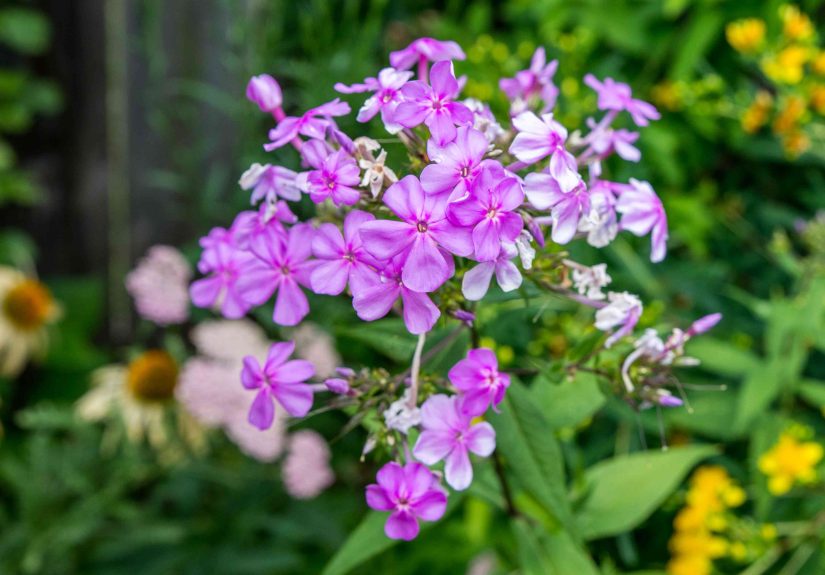
met garden phlox (Phlox paniculata). This classic perennial is a
cottage-garden superstar: tall, colorful, fragrant, and beloved by butterflies.
It’s also a little bit dramaticespecially about powdery mildew and cramped
conditionsso giving it the right care pays off in a big way.
In this guide, we’ll walk through everything you need to know to grow and care
for garden phlox like a pro: from choosing the best spot and planting correctly
to managing common problems and dividing clumps for more plants. We’ll also
share real-life tips and experiences that many home gardeners learn the hard
way, so you can skip the drama and go straight to the flowers.
Meet Garden Phlox: A Summer Border Essential
Garden phlox is a herbaceous perennial native to parts of the eastern and
central United States, from New York to Iowa and south to Georgia and
Mississippi. In the wild it grows in moist, rich woods and along stream banks,
which gives you a big clue about the kind of garden conditions it prefers.
Mature plants typically reach 2 to 4 feet tall and form upright
clumps topped with large, conical clusters of small, tubular flowers. Depending
on the variety, blooms can be:
- Soft pastels: blush pink, lavender, or icy white
- Bold magentas and fuchsia tones
- Bicolors with contrasting “eyes” in the center
Garden phlox usually blooms from mid-summer into early fall,
filling that awkward seasonal gap between early perennials and fall asters. It’s
hardy in roughly USDA zones 4–8 and is especially useful in:
- Cottage and farmhouse gardens
- Mixed perennial borders
- Pollinator gardens (butterflies and hummingbirds love it)
- Cut flower beds, thanks to its long, fragrant stems
Translation: if you want your summer garden to look like a dreamy magazine
spread, garden phlox deserves a spot.
Ideal Growing Conditions for Garden Phlox
Light: Full Sun With a Bit of Wiggle Room
Garden phlox performs best in full sun, which means at least
6–8 hours of direct sunlight per day. In cooler northern climates, pure full sun
is ideal. In hotter southern areas, a little afternoon shade can
prevent stress and help keep powdery mildew in check.
Soil: Moist, Fertile, and Well-Drained
Remember its woodland-stream origins. Garden phlox prefers:
- Moist but well-draining soil (no standing water)
- Fertile, humus-rich conditions add compost before planting
- Neutral to slightly acidic pH (roughly 6.0–7.0)
If your soil is heavy clay, work in compost and a bit of fine bark or grit to
loosen things up. In very sandy soil, extra organic matter helps the ground
hold moisturephlox dislikes drying out for long stretches.
Water: Consistent Moisture Is Key
Garden phlox appreciates regular, deep watering, especially in
its first year and during summer heat waves. Aim to provide about
1 inch of water per week, either from rainfall or irrigation.
- Water at the base of the plant to keep foliage dry.
- Avoid evening overhead watering, which encourages mildew.
- Mulch around the base to help soil stay evenly moist.
Temperature and Humidity
Phlox likes moderately cool to warm summers. Hot, humid
conditions are the plant’s least favorite weather combo because they encourage
powdery mildew, the white film that can coat the leaves. In those climates,
great air circulation, proper spacing, and mildew-resistant varieties become
extra important.
How to Plant Garden Phlox
When to Plant
The best times to plant garden phlox are:
- Spring: After the danger of hard frost has passed
- Early fall: About 4–6 weeks before your first expected frost
Spring planting gives phlox a full season to root in, but fall planting can work
well in milder climates because the soil is still warm and moist.
Step-by-Step Planting Guide
-
Prep the soil. Loosen the top 8–12 inches of soil and mix in
compost or well-rotted manure. If your soil is poor, you can mix in a
balanced, slow-release fertilizer according to the package directions. -
Dig the hole. Make it slightly wider and just as deep as the
plant’s root ball. -
Set the plant. Place phlox so that the crown (where stems meet
the roots) sits about an inch below the soil surface. -
Backfill and firm. Fill the hole with soil, gently firming to
eliminate air pockets. -
Water thoroughly. Give the plant a deep drink to settle the
soil around the roots. -
Mulch. Add 2–3 inches of organic mulch around, but not
touching, the stems.
Spacing: Don’t Crowd the Stars
Because garden phlox is prone to powdery mildew, good spacing is non-negotiable.
Most sources recommend 18–24 inches between plants to promote
airflow.
Think of it like this: your phlox plants need a bit of personal space. If the
leaves are constantly brushing shoulders with their neighbors, you’ve planted
them too close.
Everyday Care: Keeping Garden Phlox Happy
Watering Routine
Once established, phlox is somewhat drought-tolerant, but it looks and
blooms best with consistent moisture.
- Water when the top inch of soil feels dry.
- Deep, less frequent watering is better than daily light sprinkles.
- Adjust frequency during heat waves or prolonged drought.
Feeding and Mulching
In fertile soil, phlox doesn’t need heavy feeding. Over-fertilizing can lead to
tall, floppy growth with fewer flowers. A good basic plan:
- Early spring: Apply a light layer of compost around the base.
-
Optional: Use a balanced slow-release fertilizer once in
spring if your soil is lean. -
Maintain a 2–3 inch mulch layer to conserve moisture and
suppress weeds.
Deadheading and Pruning
Deadheadingthe simple act of snipping off spent flower clustersdoes two things:
- Keeps plants looking tidy
- Encourages continued blooming into late summer and fall
Cut the faded flower stalk just above a set of healthy leaves. In fall, after
frost blackens the foliage, cut stems down to a few inches above the soil and
dispose of the debris, especially if mildew has been an issue. Fall cleanup helps
break the disease cycle for the following year.
Staking Tall Plants
Taller varietiesespecially those growing in partial shade or very fertile
soilcan get lanky. If stems lean or flop:
- Use discreet bamboo stakes and soft ties.
- Or corral clumps with a peony ring or support grid early in the season.
Supporting plants before they dramatically face-plant onto the lawn is another
one of those “ask me how I know” lessons.
Dividing and Propagating Garden Phlox
Garden phlox benefits from being divided every 2–4 years. Over
time, clumps can become crowded and flower less. Division:
- Renews vigor and flowering
- Helps control size
- Gives you free plants (arguably the best part)
How to Divide Phlox
-
In early spring, just as new shoots emerge, dig up the entire clump with a
spade or garden fork. -
Gently pull or cut the clump into sections, each with
3–5 shoots and healthy roots. - Replant divisions at the same depth, spacing them 18 inches apart.
- Water well and keep soil moist until established.
Universities and extension services consistently recommend spring division as
the easiest and least stressful time for the plant.
Other Propagation Options
You can also propagate garden phlox from:
-
Stem cuttings: Take non-flowering shoots in spring, root them
in a moist potting mix, and keep them in bright, indirect light. -
Seed: Less common for named cultivars, since seedlings may not
come true to type.
Common Problems and How to Fix Them
Powdery Mildew
Let’s address the elephant in the flower bed. Powdery mildew is
the #1 complaint about garden phlox. It appears as a white, powdery coating on
leaves and stems, especially in warm, humid weather. While it’s often more
unsightly than deadly, severe infections can weaken the plant.
Cultural Strategies
- Choose mildew-resistant varieties (more on that below).
- Plant in full sun and avoid overcrowding.
- Water at the base, not over the foliage.
- Remove and discard infected leaves and fall debris.
Preventive Sprays
For gardens where mildew is a recurring visitor, some gardeners use preventive
sprays, such as:
-
Homemade baking soda solutions (about 1 tablespoon baking soda plus a few
drops of mild soap per gallon of water) - Commercial fungicides labeled for powdery mildew on ornamentals
Start treatments at the first sign of disease and repeat as directed if the
weather remains favorable for mildew.
Other Issues
-
Leaf spots and rust: Usually minor; remove badly affected
foliage and avoid overhead watering. -
Spider mites or aphids: Rinse off with water, or treat with
insecticidal soap or horticultural oil if infestations persist. -
Weak flowering: Often due to shade, poor soil, or an
overcrowded clump that needs division.
Design Ideas and Recommended Varieties
Garden phlox shines as a mid-border plant, bridging the gap
between shorter front-of-border perennials and taller back-of-border shrubs or
grasses. Its vertical habit and dense flower clusters make it a natural focal
point.
Great Companion Plants
-
Coneflowers (Echinacea): Similar bloom time and pollinator
appeal. -
Black-eyed Susans (Rudbeckia): Warm color contrast with pink
or lavender phlox. - Ornamental grasses: Add movement and texture.
-
Salvia and catmint: Provide lower mounds of blue or purple
blooms at the front of the border.
Mildew-Resistant Cultivars to Look For
If powdery mildew has ever broken your gardening heart, prioritize
resistant varieties. Well-regarded options include:
-
‘Jeana’ – Highly regarded for its mildew resistance and
excellent pollinator appeal, with masses of small, lavender-pink flowers. -
‘David’ – A classic white garden phlox known for its strong
resistance to powdery mildew and bright, clean blooms. -
‘Laura’ – Lavender-purple petals with a white eye, good
mildew resistance, and long-lasting blooms.
Ask local nurseries or extension services which cultivars perform best in your
region. In many areas, breeders have made huge progress in improving disease
resistance without sacrificing flower power.
Real-Life Experiences: What Gardeners Learn About Phlox
On paper, garden phlox sounds simple: sun, water, fertilizer, done. In real
gardens, though, it has a personality. Here are experience-based insights that
many gardeners eventually discoverand that can help you get great results from
the start.
1. Spacing Is Not a Suggestion
Almost every new phlox grower starts with good intentions and tight spacing.
Those cute little quart pots look so tiny in a big bed that it’s tempting to
tuck them in close together “just this once.” Fast forward two summers, and
that adorable phlox drift has turned into a leafy mosh pit with mildew
powdering everything in sight.
Experienced gardeners will tell you that the recommended
18–24 inches between plants is there for a reason. When you
resist the urge to crowd them, not only do you get fewer disease issues, but
each plant has room to show off its full shape. And you can still achieve that
lush, full lookit just happens in year two or three instead of day one.
2. Watering from Above vs. Below
Another common lesson: overhead sprinklers plus phlox is not an ideal combo in
humid regions. Gardeners who switch to soaker hoses or drip irrigation often
notice a dramatic drop in mildew problems. Even something as simple as watering
early in the morning, so leaves dry quickly, can make a visible difference in
foliage health.
If you must use a sprinkler, try to run it at sunrise rather than in the
evening. Think of it as giving the plants a morning shower instead of a damp,
overnight sleep.
3. Dividing Before It’s “Urgent”
Because garden phlox still blooms even when crowded, many gardeners put off
dividing it until the center of the clump starts to die out or flowering drops
off sharply. By then, the roots can be dense and tough to split, and the plant
takes longer to bounce back.
Gardeners who get into the habit of dividing phlox every 2–3 yearsbefore it’s
absolutely necessaryfind that the process is faster, easier, and kinder to the
plant. Plus, it’s a great opportunity to redesign beds, share divisions with
friends, or build that dreamy pollinator border you’ve been thinking about.
4. Choosing the Right Variety for Your Climate
Garden forums and local plant societies are full of stories that go something
like this: “I tried garden phlox three times and gave up because of powdery
mildew. Then I planted ‘Jeana’ and suddenly I understood why people love this
plant.”
The takeaway is simple: your experience with phlox is heavily influenced by the
specific cultivar you grow. In hot, humid climates, gardeners
consistently report better success with modern mildew-resistant varieties, while
older types may struggle. In cooler, drier areas, even the more traditional
cultivars can stay fairly clean.
Before you assume “phlox doesn’t work here,” it’s worth trying one or two
resistant cultivars recommended by local experts or trusted regional nurseries.
5. Phlox as a Pollinator Magnet
Many gardeners are pleasantly surprised by how popular garden phlox is with
butterflies, bees, and even hummingbirds. Plant a grouping of fragrant phlox and
you’ll often see swallowtails and skippers hovering around the blooms on warm
afternoons.
This makes phlox a great anchor plant in a pollinator bed. Pair it with
coneflowers, bee balm, and native grasses, and you’ll have a lively, buzzing
corner of the yard from midsummer well into fall. Growers who cut a few stems
for indoor bouquets often note that they’re not just bringing in flowersthey’re
bringing in a little of the garden’s summer energy too.
6. The Smell of Summer Evenings
On a more emotional note, garden phlox has a very nostalgic quality. Many
gardeners grow it because a grandparent or neighbor had it in their yard, and
the fragrance instantly brings back memories of childhood summers, fireflies,
and staying outside past bedtime.
Planting phlox near a porch, patio, or path means you’ll catch that sweet,
slightly spicy perfume whenever you walk byor sit outside with a cold drink and
watch the light fade. It’s one of those small, simple pleasures that make the
extra effort of proper care feel completely worthwhile.
7. When Garden Phlox Becomes a “Signature” Plant
After a few seasons of success, many gardeners find that garden phlox becomes
one of their landscape’s signature plants. They start with one color, then add a
white variety for moonlit evenings, a deep magenta for drama, and a lavender
cultivar that looks perfect with ornamental grasses.
Over time, you may find that your entire mid-summer border is built around
phlox: early flowering companions set the stage, phlox takes center spotlight in
midsummer, and late perennials close the show. When you reach that point,
you’re not just “growing phlox” anymoreyou’re designing with it.
Final Thoughts
Garden phlox isn’t the lowest-maintenance perennial you’ll ever grow, but it’s
one of the most rewarding. Give it sun, decent soil, room to breathe, and
occasional dividing, and it will repay you with fragrant color right when your
summer garden needs a showstopper most.
Whether you’re filling a cottage-style border, creating a pollinator haven, or
simply trying to recreate the feeling of an old-fashioned family garden, garden
phlox deserves a permanent spot on your plant list.