Table of Contents >> Show >> Hide
- Japanese Andromeda at a Glance
- Choosing the Right Spot
- How to Plant Japanese Andromeda
- Everyday Care: Water, Fertilizer, and Mulch
- Pruning and Shaping
- Container Growing
- Common Problems and How to Fix Them
- Design Ideas for Japanese Andromeda
- Real-World Experiences: What Gardeners Learn the Hard Way
- Final Thoughts
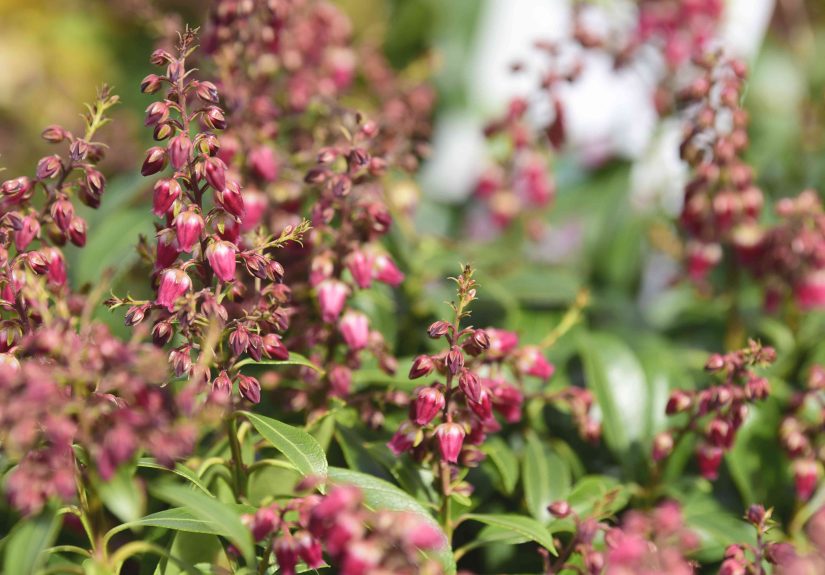
If you’ve ever wanted a shrub that looks like it dressed up for every season, meet Japanese andromeda (Pieris japonica). This broadleaf evergreen shows off coppery-red new leaves in spring, cascades of bell-shaped white or pink flowers, and glossy green foliage the rest of the year. It’s like a tiny four-season fireworks show… minus the loud noises and terrified pets.
Japanese andromeda is native to East Asia and happily settles into many U.S. gardens, especially where summers aren’t brutally hot. When you give it what it lovesacidic, well-drained soil and gentle shadeit rewards you with decades of low-maintenance beauty.
In this guide, you’ll learn exactly how to plant, water, feed, prune, and troubleshoot Japanese andromeda so it thrives instead of sulking. We’ll also cover real-world tips and experiences at the end to help you avoid common pitfalls.
Japanese Andromeda at a Glance
- Botanical name: Pieris japonica
- Common names: Japanese andromeda, Japanese pieris, lily-of-the-valley shrub, fetterbush
- Plant type: Broadleaf evergreen shrub
- USDA hardiness zones: Generally 5–8 (sometimes 4 or 9 depending on cultivar and microclimate)
- Mature size: Typically 8–10 feet tall and 6–8 feet wide, though dwarf varieties stay closer to 3–5 feet
- Light: Partial shade is ideal; full sun only in cooler climates, more shade in hotter regions
- Soil: Moist, well-drained, acidic (pH around 5.0–6.0) with plenty of organic matter
- Bloom time: Early to mid-spring
- Special feature: New foliage often emerges red, bronze, or pink before turning green
Choosing the Right Spot
Light Requirements
Think “bright but gentle” when it comes to light. Japanese andromeda naturally grows in woodland edges and mountain thickets, which gives you a big clue about what it wants in your yard.
- Cooler climates (Zones 5–6): Full sun to light shade works, as long as the soil stays moist and roots are cool.
- Warmer climates (Zones 7–8+): Aim for partial shademorning sun with afternoon shade is the sweet spot. Strong midday sun can scorch foliage and stress the plant.
If your site is blazing hot all day, pair pieris with taller shrubs or trees that cast dappled shade. Your andromeda will appreciate the “umbrella service.”
Soil Conditions
Japanese andromeda is picky about soil pH but not snobby about much else. It prefers:
- pH: 5.0–6.0 (definitely on the acidic side)
- Texture: Loose, moisture-retentive, but well-drainedno heavy, soggy clay
- Organic matter: Lots of compost, leaf mold, or pine fines mixed in
Alkaline or chalky soils are where pieris goes to be miserable: foliage turns yellow (chlorotic), growth slows, and the shrub loses its glamour. If that sounds like your yard, grow Japanese andromeda in a large container of ericaceous (acid-loving) potting mix instead.
How to Plant Japanese Andromeda
When to Plant
The best planting seasons are early spring and early fall, when temperatures are mild and soil moisture is more reliable. This gives roots time to establish before summer heat or winter cold shows up.
Step-by-Step Planting Guide
- Prep the soil. Loosen a wide area of soil and mix in compost, pine needles, or leaf mold. This improves drainage, increases organic matter, and gently acidifies the soil.
- Dig the hole. Make it as deep as the root ball and 2–3 times as wide. Wider is better than deeperroots spread horizontally.
- Check planting depth. Place the shrub so the top of the root ball is level with or slightly above the surrounding soil. Planting too deep can reduce blooming and encourage rot.
- Backfill gently. Fill the hole back in with amended soil, pressing lightly to remove large air pockets but not compacting the soil into concrete.
- Water thoroughly. Give the plant a deep soak so water reaches the entire root ball. Keep the soil evenly moist (not soggy) for the first growing season.
- Mulch. Add a 2–3 inch layer of pine bark, pine straw, or shredded leaves, keeping mulch a couple of inches away from the stem. This keeps roots cool, retains moisture, and helps maintain acidity.
Everyday Care: Water, Fertilizer, and Mulch
Watering
Japanese andromeda likes consistently moist soil, especially in its early years. The roots are fairly shallow, so don’t let the plant completely dry outparticularly in summer.
- New plants: Water deeply once or twice a week, depending on rainfall.
- Established shrubs: Water during extended dry spells, especially in hot weather or if planted in more sun.
- Avoid: Waterlogged soil and standing water, which can lead to root rot.
A good rule of thumb: if the top inch of soil feels dry, it’s time to water.
Feeding Your Shrub
Pieris is not a heavy feeder, but it does appreciate occasional meals tailored to acid-loving plants.
- Use a slow-release fertilizer designed for azaleas, rhododendrons, or camellias once in early spring.
- If your soil pH is correct and organic matter is high, you may only need a light application of nitrogen once a year.
- Avoid overfertilizing, which can burn roots or push soft, weak growth that’s more prone to pests.
Mulching and Root Protection
Mulch isn’t just a finishing touch; it’s your pieris’s comfort blanket. A yearly top-up of pine needles, shredded bark, or leaf mold keeps soil cool and moist, improves structure, and helps sustain acidity.
In colder climates, mulch also insulates roots from freeze–thaw cycles. In windy or exposed spots, consider a wind break, especially for young plants, to prevent winter burn.
Pruning and Shaping
Japanese andromeda is naturally tidy and doesn’t need heavy pruning. The main goals are to maintain shape, remove damage, and encourage fresh growth.
When to Prune
- Timing: Right after flowering in spring is ideal. The shrub sets next year’s flower buds on old wood, so late-summer or fall pruning can remove those buds.
How to Prune
- Snip off spent flower clusters (deadheading) to tidy the plant and direct energy back into foliage and root growth.
- Remove dead, diseased, or crossing branches back to a healthy bud or branch junction.
- For light shaping, stagger cuts through the canopy so the shrub still looks natural, not like it lost a fight with hedge shears.
Container Growing
If your garden soil is too alkaline or poorly drained, Japanese andromeda is an excellent candidate for container life.
- Choose a pot with multiple drainage holesterracotta or ceramic containers work well.
- Use an acidic, peat- or bark-based potting mix blended with compost.
- Place the container in partial shade and rotate it occasionally for even growth.
- Refresh the top layer of soil every year and repot every 2–3 years to prevent compaction and replenish nutrients.
Common Problems and How to Fix Them
Lace Bugs
Lace bugs are the number one pest of Japanese andromeda. These tiny sap-sucking insects hang out on leaf undersides, leaving the upper surface looking pale, speckled, or bronzed. You may also see dark “tar spots” (their excrement) beneath the leaves.
What to do:
- Inspect the undersides of leaves regularly, especially in sunny, exposed locations.
- Encourage beneficial insects and avoid broad-spectrum insecticides that kill natural predators.
- Use a strong jet of water or, if needed, a targeted insecticidal product labeled for lace bugs, following local guidelines.
- Reduce plant stress by watering during drought and keeping soil conditions idealhealthy shrubs tolerate light infestations better.
Root Rot and Poor Drainage
Phytophthora root rot can strike if soil stays too wet, causing dieback, yellowing leaves, and branch decline.
Prevention tips:
- Plant in well-drained soil or raised beds.
- Avoid overwatering or siting pieris where water collects.
- Never bury the crown of the plant under soil or mulch.
Yellowing Leaves (Chlorosis)
If your shrub’s leaves are yellow with green veins, your soil is probably too alkaline and nutrients like iron are locked up.
Test soil pH and gradually adjust using sulfur or an acid-forming fertilizer for ericaceous plants. In extreme cases, moving the shrub to a container with properly acidic soil is the most practical solution.
Design Ideas for Japanese Andromeda
Beyond being a horticultural diva, Japanese andromeda is also a design workhorse. Its evergreen nature and seasonal color make it a great anchor plant.
- Woodland garden star: Pair it with azaleas, rhododendrons, ferns, and hostas for lush, layered shade.
- Foundation planting: Use dwarf or compact varieties near entries where their spring flowers and colorful new foliage can be admired up close.
- Container focal point: On patios or shady decks, a potted pieris surrounded by seasonal annuals makes a sophisticated statement.
- Four-season structure: Combine with deciduous shrubs so pieris carries the visual weight when other plants are bare.
Real-World Experiences: What Gardeners Learn the Hard Way
On paper, Japanese andromeda sounds delightfully straightforward: give it acidic soil, partial shade, and regular moisture, and you’re golden. In reality, gardeners discover a few extra “personality quirks” along the way. Here are some experience-based insights to help you skip the trial-and-error phase.
1. Getting the Site Right Is 80% of the Battle
Many people first plant pieris the way they would a typical foundation shrubright near the front door, in the one open sunny spot, often in average or slightly alkaline soil. It may look fine the first year or two, but then the slow decline begins: leaves yellow, lace bugs move in, and new growth is sparse.
Gardeners who eventually “rescue” their plant by moving it to a part-shade bed with improved, acidic soil often notice a big turnaround within a season or two. New growth emerges more vibrant, flower buds increase, and foliage regains its glossy green sheen. The lesson: if your pieris looks unhappy, don’t be afraid to relocate itespecially if your current site is too sunny or the soil is sticky clay.
2. Lace Bugs Love Sun-Stressed Plants
A recurring theme from experienced gardeners is that lace bugs hit hardest on pieris grown in hot, exposed locations. In dappled shade with well-watered roots, plants are less stressed and often less heavily infested. Some gardeners report that simply shifting a shrub to a shadier bed dramatically reduces pest pressure, even before resorting to treatments.
Another practical tip: during your routine garden walk-through, flip a few leaves and check the undersides. Catching lace bugs earlywhile only a few leaves show stipplingmakes management much easier than waiting until the foliage looks like it has been dusted in flour.
3. Containers Can Be a Lifesaver in Alkaline Regions
In areas with naturally alkaline or limestone soils, Japanese andromeda can be frustrating in the ground but surprisingly easy in pots. Gardeners in these regions often keep pieris in large containers filled with ericaceous compost, refreshing the top layer every year and repotting every few years.
In containers, it’s easier to control pH, drainage, and watering, which means fewer issues with chlorosis and root diseases. The trade-off is that you’ll have to water more often in summer and protect the container roots from deep freezeswrapping the pot or moving it to a sheltered spot in winter typically solves this.
4. Don’t Over-PruneThis Is Not a Boxwood
New pieris owners sometimes treat it like a formal hedge and shear it hard for a tight outline. The immediate result might look neat, but the long-term effect is fewer flowers (since buds form on old wood) and a plant that slowly loses its natural, graceful character.
Gardeners with mature, gorgeous specimens often say the same thing: “I barely prune it at all.” Other than removing dead or damaged wood and occasionally snipping off spent flower clusters, they mostly let the shrub do its own thing. Light, selective cuts maintain shape without turning it into a green cube.
5. It’s a Slow but Worthwhile Investment
Japanese andromeda is not a racehorse; it’s a marathon runner. It can take several years to reach its full stride, especially in cooler climates. Some gardeners initially feel underwhelmed by the plant’s slow growth, but by year five or six, it often becomes a standout anchor in the bedespecially when spring arrives and it explodes with pendant flower clusters and colorful new foliage.
The takeaway: if your pieris is healthy but not yet spectacular, give it time. Good siting, consistent care, and patience are rewarded with a shrub that becomes more impressive every season.
6. Pairing Matters for Maximum Impact
In practice, Japanese andromeda shines brightest when combined thoughtfully with other plants. Gardeners often pair it with spring-flowering bulbs like daffodils, which bloom around the same time as the pieris flowers. Later in the season, hostas or ferns can take over the show at ground level while the evergreen structure of pieris backs them up.
In foundation beds, planting pieris near doors, paths, or windows lets you enjoy its fragrance and foliage up close. Many gardeners say their favorite pieris moments happen not out in the far back corner of the yard, but right near an entry where it’s part of everyday life.
Final Thoughts
Japanese andromeda isn’t the flashiest plant in the nursery lot, but once established in the right setting, it quietly becomes one of the most reliable and elegant shrubs in the garden. With its evergreen foliage, cascading spring blooms, and colorful new growth, it brings an almost woodland-garden magic to foundations, borders, and containers.
Give it acidic, well-drained soil, partial shade, and steady moisture, keep an eye out for lace bugs, and resist the urge to over-prune. Do that, and your Japanese andromeda will reward you with year-round interest and that “what is that beautiful shrub?” moment every spring.