Table of Contents >> Show >> Hide
- 1) Start with the Right Plant (Because Not Every Plant Likes Apartment Living)
- 2) Pick a Pot That Helps, Not Hurts
- 3) Use the Right Potting Mix (Garden Soil Is a Trap)
- 4) Planting in a Pot: The Simple Steps Most People Skip
- 5) Light: The “Plant Food” Everyone Forgets Is the Main Course
- 6) Watering: The Fastest Way to Become a Plant Villain (or Hero)
- 7) Fertilizer: Because Pots Don’t Refill Nutrients Like the Ground Does
- 8) Repotting: When Your Plant Is Basically Wearing Skinny Jeans
- 9) Temperature, Wind, and Humidity: Containers Feel Extremes Faster
- 10) Pruning, Pinching, and Support: The “Haircut” That Makes Plants Better
- 11) Pests and Problems: Catch Them Early, Fix Them Calmly
- 12) Quick Troubleshooting: What Your Plant Might Be Telling You
- Conclusion
- 500-Word Experience Add-On: Lessons You Learn After Living with Potted Plants
Growing plants in pots is basically giving a plant its own tiny apartment. Cute? Yes. Convenient? Absolutely. But it also means you’re in charge of everything: the “rent” (light), the “utilities” (water), and the “groceries” (nutrients). The good news is that once you understand how containers change the game, potted plants become one of the easiest ways to grow herbs, flowers, houseplants, and even vegetableswhether you have a backyard, a balcony, or one heroic windowsill.
This guide breaks down the real-world mechanics of thriving container plants: choosing the right pot and mix, watering without drowning, feeding without burning, repotting without panic, and troubleshooting the usual dramas (yellow leaves, pests, and the mysterious “why are you drooping at 2 p.m.?” situation).
1) Start with the Right Plant (Because Not Every Plant Likes Apartment Living)
Before you buy a pot, decide what you’re growing and where it will live. Container success is mostly “right plant, right place,” with a side of “don’t forget to water.”
Match the plant to your light
- Bright window (south or west): many herbs (basil, thyme), succulents, some flowering plants.
- Medium light (east window or bright room): pothos, philodendron, peace lily (often), many foliage houseplants.
- Outdoor full sun (6–8+ hours): tomatoes (compact varieties), peppers, many annual flowers.
- Outdoor part shade: leafy greens, some herbs, impatiens, begonias.
Choose “container-friendly” varieties
If you’re growing edibles, look for keywords like compact, bush, patio, or dwarf. A “patio tomato” is built for pot life. An indeterminate tomato that wants to become a small tree? That’s more of a long-term relationship than most balconies signed up for.
2) Pick a Pot That Helps, Not Hurts
Your container is a mini ecosystem: it controls drainage, root temperature, how fast the mix dries, and whether your plant tips over dramatically during a light breeze.
Drainage is non-negotiable
Use a pot with at least one drainage hole. No hole = waterlogged roots waiting to happen. If you love a decorative container without drainage, use it as a “cachepot”: keep the plant in a plastic nursery pot with holes and set that inside the pretty outer pot. Pull it out to water and let it drain.
Choose the right size (bigger isn’t always better)
- Too small: dries fast, roots crowd, plant gets stressed and thirsty every five minutes.
- Too large: holds extra wet mix that roots can’t use quickly, increasing the risk of rotespecially indoors.
As a general rule, size up gradually. For many houseplants, moving up just a couple inches in diameter during repotting is ideal.
Material matters more than people think
- Terracotta (clay): breathable, dries fastergreat for plants that hate wet feet (succulents, cacti). Also great at getting crusty and photogenic.
- Plastic/resin: holds moisture longer, lightweighthelpful for thirsty plants or hot climates.
- Glazed ceramic: stylish, heavier, moderate moisture retentiongood for stability.
- Fabric grow bags: great aeration, roots “air prune,” excellent for vegetables; they dry faster, so watering is more frequent.
Keep soil in the pot, not on the patio
You want water to exit, but you don’t want potting mix pouring out. Instead of layering gravel at the bottom (which can create weird water behavior), cover the hole with a small piece of mesh, a coffee filter, or a shard of broken potjust enough to keep mix from escaping while still draining freely.
3) Use the Right Potting Mix (Garden Soil Is a Trap)
Most potted plant problems start with the wrong “soil.” Containers aren’t the groundroots have limited space and need a mix that balances air + water + support. Heavy garden soil compacts, drains poorly, and suffocates roots.
What you want in a container mix
- Lightweight texture: so roots can breathe.
- Good drainage: excess water moves through.
- Moisture retention: holds enough water between irrigations.
Quick “mix matching” examples
- Succulents/cacti: cactus mix or potting mix amended with extra perlite/pumice for faster drainage.
- Herbs: standard potting mix; clay pots help if you tend to overwater.
- Vegetables and flowers: high-quality potting mix (often soilless) designed for containers.
- Moisture lovers (ferns, peace lily): mix that retains moisture; consistent watering matters.
Pro tip: Potting mixes that include slow-release fertilizer can give plants a head start, but container plants still typically need feeding later because frequent watering gradually washes nutrients away.
4) Planting in a Pot: The Simple Steps Most People Skip
- Pre-moisten the mix so it’s evenly damp (not dripping). Dry mix can repel water at first and leave pockets that never hydrate.
- Fill the pot most of the way, then set the plant so the top of the root ball sits near the same height it was before.
- Backfill and gently firm the mix around the root ballsnug, not compacted.
- Leave headspace (about 1 inch) so watering doesn’t spill like a slapstick comedy scene.
- Water thoroughly until water runs out of the drainage holes.
5) Light: The “Plant Food” Everyone Forgets Is the Main Course
Fertilizer helps, but light is the engine. Not enough light = slow growth, leggy stems, and a plant that looks like it’s reaching for better life choices.
How to troubleshoot light without buying a gadget
- Leggy growth (long stems, sparse leaves): increase light or move closer to a window.
- Scorched patches or crispy edges: too much direct sun, especially through hot glassuse a sheer curtain or shift location.
- One-sided leaning: rotate the pot weekly so growth stays balanced.
6) Watering: The Fastest Way to Become a Plant Villain (or Hero)
Most potted plants fail due to watering mistakesusually too much, sometimes too little, and occasionally “I watered yesterday, so why are you acting like this?” (Answer: yesterday was a different universe in July.)
How to know when to water
- Finger test: stick a finger into the mix. If the top inch or two is dry (depending on plant), it’s usually time to water.
- Weight test: lift the pot. Dry pots feel suspiciously light.
- Visual clues: drooping can mean “thirsty” or “overwatered.” Check the mix before you react.
How to water correctly (aka “deep watering”)
Water slowly until it drains from the bottom. This flushes the mix evenly and reduces salt buildup. Then empty the saucer so the pot isn’t sitting in water unless you’re purposely bottom-watering for a short time.
How often should you water?
It depends on the plant, pot size, pot material, and weather. In hot summer conditions, many outdoor containers need watering daily, sometimes twice a day for small pots. In cooler seasons or indoors, watering may be far less frequent. The mix should be moistnot swampy.
Bottom watering: helpful, not magical
For houseplants that hate wet leaves or for gnats-prone setups, bottom watering can be useful: set the pot in a tray of water for 10–20 minutes, then let it drain fully. Still check moisture regularlybottom watering doesn’t cancel out overwatering.
7) Fertilizer: Because Pots Don’t Refill Nutrients Like the Ground Does
Containers are a closed system. When you water, nutrients wash out over time. Even if your mix contains slow-release fertilizer, many plants need additional feeding laterespecially fast growers, flowering annuals, and vegetables.
Two easy feeding approaches
- Slow-release granules: mix in at planting; provides steady nutrition for a set period.
- Water-soluble fertilizer: applied on a schedule (often every 2–3 weeks for many container crops, depending on product and plant).
Indoor plant fertilizing basics
- Foliage houseplants: often do well with a balanced fertilizer during active growth.
- Flowering plants: may benefit from formulas geared toward blooms.
- Rule of thumb: under-fertilizing is easier to fix than fertilizer burn. Follow label directions and don’t “free pour.”
8) Repotting: When Your Plant Is Basically Wearing Skinny Jeans
Repotting sounds scary until you realize it’s just giving roots more room (or fresher mix). Many plants perk up after repotting because compacted mix holds water weirdly and roots run out of oxygen.
Signs a plant may need repotting
- Roots circling the pot or coming out of drainage holes
- Water rushing straight through without soaking in (mix is compacted or root-filled)
- Stalled growth during the growing season
- The plant dries out unusually fast
Pick the next pot size wisely
For many houseplants, a pot that’s about 1–2 inches wider than the current pot is a sweet spot. Jumping to a much larger container can keep the mix wet too long and stress roots.
How to repot without breaking hearts
- Slide the plant out and inspect roots.
- If roots are tightly circling, gently loosen them; you can tease or unwind and trim some circling roots if needed.
- Place fresh potting mix in the new pot, set the plant at the same depth, and fill around it.
- Water thoroughly and let it drain completely.
Clean used pots: If you reuse containers, wash and sanitize them to reduce pests and disease carryover. A diluted bleach solution is commonly recommended; rinse well afterward.
9) Temperature, Wind, and Humidity: Containers Feel Extremes Faster
Pots heat up and cool down faster than garden beds. That’s great for moving plants to chase the sun, but it also means roots can cook on a blazing patio or chill quickly during a cold snap.
Outdoor container protection tips
- Heat: move pots out of reflected heat zones (near walls or metal railings) during extreme afternoons.
- Wind: use heavier pots or group containers for stability; stake tall plants.
- Cold: move tender plants indoors or provide protection when frost threatens.
Indoor humidity reality check
Many homes are dry in winter. Grouping plants together can slightly raise local humidity, and consistent watering habits matter more than misting once and calling it a day.
10) Pruning, Pinching, and Support: The “Haircut” That Makes Plants Better
- Pinch herbs like basil to encourage bushy growth instead of tall, floppy stems.
- Deadhead flowers (remove spent blooms) to keep many annuals blooming longer.
- Stake or trellis tomatoes, peas, and climbing plants early so you’re not wrestling vines later.
11) Pests and Problems: Catch Them Early, Fix Them Calmly
Healthy plants resist pests better. Most infestations blow up when a plant is already stressed by poor light or watering.
Easy prevention habits
- Inspect new plants before they join the rest (quarantine is not just for humans).
- Remove dead leaves from the soil surface to reduce fungus and gnat-friendly conditions.
- Keep air moving indoors; stagnant corners invite problems.
Common houseplant pests and simple first moves
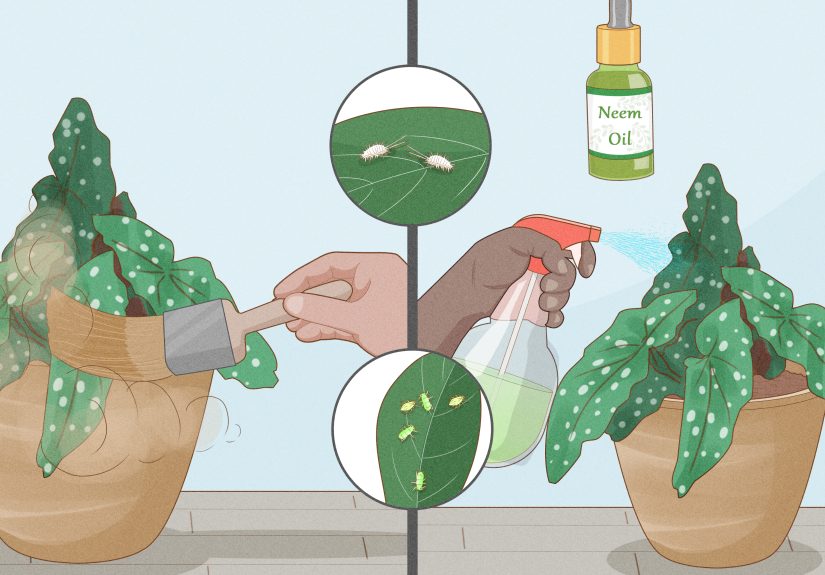
- Spider mites: often show up in hot, dry conditions. Rinse leaves and improve humidity/placement.
- Mealybugs/scale: physically remove with a cotton swab and appropriate treatment; repeat as needed.
- Fungus gnats: thrive in consistently wet mixlet the surface dry between waterings and improve drainage. Sticky traps help catch adults.
If pests are persistent, repotting with fresh mix (and cleaning the pot) can help reduce soil-borne issues. Always follow label directions for any control product used indoors.
12) Quick Troubleshooting: What Your Plant Might Be Telling You
Yellow leaves
- Often: overwatering or poor drainage.
- Also possible: nutrient deficiency (especially in heavy bloomers) or low light.
Drooping
- If mix is dry: water deeply.
- If mix is wet: let it dry, check drainage, and consider root health.
White crust on soil or pot
- Usually: mineral salts from water/fertilizer. Water thoroughly to flush and avoid excessive feeding; scrape and replace the top layer if needed.
Stalled growth
- Check: light levels, root crowding, and whether you’ve fed the plant recently (during active growth).
Conclusion
Thriving potted plants aren’t about secret tricksthey’re about controlling the basics: a container that drains, a potting mix that breathes, light that matches the plant, watering that’s thorough but not constant, and nutrients that keep up with growth. Once you treat your pot like the plant’s entire universe (because it is), your containers can produce lush foliage, nonstop flowers, and surprisingly serious harvests.
500-Word Experience Add-On: Lessons You Learn After Living with Potted Plants
After a few weeks of container gardening, most people discover the first big truth: pots don’t behave like the ground. The same plant that seems low-maintenance in a garden bed can become hilariously dramatic in a containerespecially when weather swings. A hot, windy day can turn a perfectly watered pot into a dry brick by dinner. That’s not your plant “being picky”; it’s physics. The soil volume is smaller, and the pot is exposed on all sides, so water evaporates faster and roots experience temperature extremes more directly.
The second lesson is that watering is less about routine and more about observation. People often ask for a perfect schedule (“every Tuesday?”), but containers run on conditions: sun intensity, pot material, plant size, and whether your container sits on heat-reflecting concrete. Many gardeners end up using the simplest system: check moisture with a finger, water deeply until it drains, then don’t water again until the plant actually needs it. Once you get used to that rhythm, you stop “hover-watering” (tiny splashes that wet the top but leave roots thirsty) and start giving roots what they want: a full soak followed by air.
Next comes the “pot size humility” moment. Bigger pots can be more stable and hold moisture longer, but they can also stay wet too long indoors. That’s why gradual sizing-up during repotting often works best: you reduce stress and avoid the soggy-mix problem that invites root issues and fungus gnats. Many experienced growers also learn to keep an eye on the plant’s root ball rather than the calendar. A fast-growing pothos may need attention sooner than a slow-growing snake plant, even if you repotted both last year.
Another real-world lesson: fertilizer is a conversation, not a one-time gift. Container plants can look amazing for a while, then suddenly lose momentum as nutrients wash out. That’s when beginners panic and either overfeed (burn) or give up. A lighter, consistent approachfollowing label directions and adjusting based on growthtends to be the sweet spot. Flowering annuals and container vegetables are especially honest: if they’re producing blooms or fruit, they’re spending nutrients like a teenager with a new credit card.
Finally, most container gardeners develop a “microclimate” mindset. A pot near a wall may get extra heat, a hanging basket may dry twice as fast as a floor pot, and a windowsill plant may lean toward light like it’s trying to eavesdrop on the neighbors. Rotate plants, group them thoughtfully, and don’t be afraid to move containers. Mobility is the superpower of potted plantsuse it. When you do, your plants stop feeling like chores and start feeling like a flexible, living design (with snacks, if you’re growing herbs).