Table of Contents >> Show >> Hide
- Table of Contents
- What Is a King Cake?
- Ingredients
- Quick Timeline (So You Can Plan Like a Pro)
- Step-by-Step: Homemade Mardi Gras King Cake
- Decorating: Icing + Mardi Gras Sugars
- The Baby: Tradition + Safety
- Flavor Variations (Pick Your Parade)
- Troubleshooting (Fix the Common Problems)
- Make-Ahead, Storage, and Freezing
- Serving Ideas for a Mardi Gras Party
- of King Cake “Real Life” Experiences
- Wrap-Up
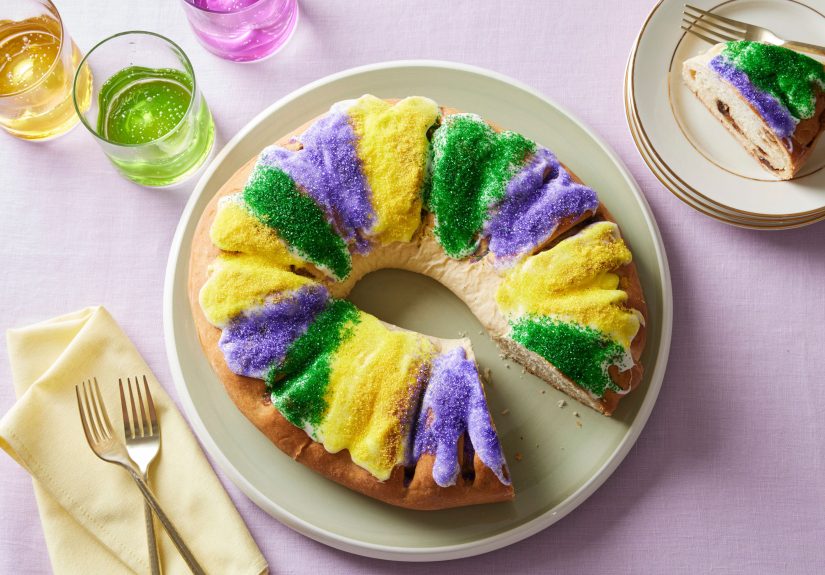
King Cake is Mardi Gras in edible form: a soft, enriched, brioche-style ring of cinnamon-sweet dough, dressed up with white icing and a confetti blizzard of purple, green, and gold sugar. It’s festive, a little extra (as it should be), and built for sharingbecause Carnival season is basically one long excuse to invite people over and eat something joyful.
Traditionally, King Cake shows up at the start of Carnival on January 6 (Epiphany) and keeps rolling until Mardi Gras (Fat Tuesday), the day before Ash Wednesday. In Louisiana and along the Gulf Coast, you’ll see it at offices, schools, neighborhood parties, and any gathering where people have a table and a pulse.
This guide walks you through a classic, from-scratch homemade King Cake with a cinnamon filling, plus an optional cream cheese variation. You’ll also get troubleshooting tips (because yeast has feelings), make-ahead tricks, and decorating advice so your cake looks like it’s ready to lead a parade.
What Is a King Cake?
A Louisiana-style Mardi Gras King Cake is usually a ring of sweet, yeast-raised doughoften brioche-likefilled with cinnamon sugar (and sometimes cream cheese or fruit), then topped with icing and colored sugar. The ring shape nods to a crown and connects to Epiphany traditions associated with the Three Kings.
The iconic colors are more than decoration: purple (justice), green (faith), and gold (power). In other words, your cake comes with a built-in meaning, which is very convenient when someone asks why you’re eating frosting at 10 a.m.
Ingredients
For the brioche-style dough
- 3/4 cup warm whole milk (about 105–110°F)
- 2 1/4 tsp active dry yeast (1 packet)
- 1/3 cup granulated sugar
- 2 large eggs, room temperature
- 1 tsp vanilla extract
- 3 1/2 cups all-purpose flour (plus a little for shaping)
- 1 tsp fine salt
- 8 tbsp unsalted butter, softened (1 stick)
For the cinnamon filling
- 4 tbsp unsalted butter, softened
- 2/3 cup light brown sugar
- 1 1/2 tbsp ground cinnamon
- 1 tbsp all-purpose flour (helps hold the filling in place)
- Pinch of salt
Optional cream cheese filling (for a “bakery-style” twist)
- 8 oz cream cheese, softened
- 1/3 cup powdered sugar
- 1 tsp vanilla extract
- Zest of 1 lemon (optional but excellent)
For the icing + Mardi Gras sugar
- 2 cups powdered sugar
- 2–4 tbsp milk (or lemon juice for brightness)
- 1/2 tsp vanilla extract
- Purple, green, and gold sanding sugar (or tinted granulated sugar)
Quick Timeline (So You Can Plan Like a Pro)
- Mix + knead: 15–20 minutes
- First rise: 60–90 minutes (longer if your kitchen is cool)
- Shape + fill: 15 minutes
- Second rise: 30–45 minutes
- Bake: 25–30 minutes
- Cool + decorate: 45–60 minutes
Step-by-Step: Homemade Mardi Gras King Cake
Step 1: Wake up the yeast
In a large mixing bowl, combine the warm milk, a spoonful of the sugar, and the yeast. Let it sit for 5–10 minutes until foamy. If it stays flat, your yeast may be expired or your milk may have been too hot or too coldtry again before you sacrifice flour to the trash gods.
Step 2: Build the dough
Whisk in the remaining sugar, eggs, and vanilla. Add the flour and salt, then mix until a shaggy dough forms. Add the softened butter a tablespoon at a time, mixing until incorporated. The dough should look smooth, stretchy, and slightly tacky.
Knead by hand (8–10 minutes) or with a stand mixer (5–7 minutes on medium-low). You’re aiming for a dough that passes the “windowpane test”: stretch a small pieceif it becomes thin enough to let light through without tearing, you’re ready.
Step 3: First rise (the “patience” part)
Place the dough in a lightly greased bowl, cover, and let rise until doubledusually 60–90 minutes. In a cooler kitchen, it can take 2 hours. Yeast doesn’t own a watch; it owns a vibe.
Step 4: Make the filling
Stir together brown sugar, cinnamon, flour, salt, and softened butter until it becomes a spreadable paste. If you’re doing the cream cheese filling too, beat cream cheese with powdered sugar and vanilla until smooth.
Step 5: Roll, fill, and shape
Punch down the dough (gentlythis is baking, not payback). Roll it into a rectangle about 10×20 inches. Spread the cinnamon filling evenly, leaving a 1-inch border along one long edge. If using cream cheese, you can:
- Option A: Spread a thin layer of cream cheese, then cinnamon filling on top.
- Option B: Pipe cream cheese down the center, then sprinkle cinnamon sugar around it (less messy).
Roll the dough tightly into a log from the long edge. Pinch the seam closed. Now form the log into a ring on a parchment-lined baking sheet, seam-side down, and pinch the ends together.
Step 6: Add the classic “braided look” (easy method)
Using a sharp knife or kitchen shears, cut shallow slits around the outside of the ring every 1–1.5 inches, cutting about halfway through the dough. This helps it bake evenly and gives that bakery-style texture and shape.
Step 7: Second rise
Cover loosely and let rise for 30–45 minutes, until puffed. Meanwhile, preheat your oven to 350°F.
Step 8: Bake
Bake for 25–30 minutes, until golden brown and cooked through. If it’s browning too fast, tent lightly with foil for the last 10 minutes. Let it cool on the pan for 10 minutes, then transfer to a rack to cool completely before icing.
Decorating: Icing + Mardi Gras Sugars
Step 1: Make a thick-but-pourable icing
Whisk powdered sugar, vanilla, and 2 tablespoons of milk. Add more milk a teaspoon at a time until it’s thick but drizzles slowly. You want it to sit on the cake like a glossy robe, not run off like it’s late for a parade.
Step 2: Ice the cooled cake
Drizzle or spread the icing over the top. While the icing is still wet, sprinkle purple, green, and gold sugar in alternating bands. This is the moment when your kitchen officially becomes Mardi Gras.
DIY colored sugar tip
No sanding sugar? Put granulated sugar in three separate zip-top bags. Add a drop of gel food coloring to each (purple, green, yellow/gold), seal, and rub until evenly tinted. Let it air-dry for 10 minutes before sprinkling.
The Baby: Tradition + Safety
Many King Cakes include a tiny baby figurine, connected to Epiphany symbolism and Carnival tradition. Whoever finds it in their slice is often crowned the “king” or “queen” of the dayand in many households, they’re also on the hook to bring the next King Cake.
Important safety note: Don’t bake the plastic baby into the cake. Most home bakers insert it after baking (either by gently pushing it into the bottom of the cooled cake or placing it under a slice) to avoid melting plastic in food. Also, warn your guests to watch for itespecially if kids are eating.
Flavor Variations (Pick Your Parade)
1) Cream cheese + cinnamon (crowd favorite)
Use the optional cream cheese filling and combine it with the cinnamon layer. It tastes like a cinnamon roll and a cheesecake agreed to co-host Mardi Gras.
2) Pecan praline
Add 3/4 cup chopped toasted pecans to the cinnamon filling and a drizzle of caramel in the icing. If you want a New Orleans-inspired vibe without overthinking it, this is it.
3) Fruit filling
Swap in thick fruit preserves (raspberry, strawberry, or apple butter). Use a light handtoo much can leak and caramelize. (Delicious, but chaos.)
4) Chocolate
Sprinkle mini chocolate chips over the cinnamon filling. Add a teaspoon of cocoa powder to the icing for a light chocolate glaze if you want full “dessert parade float.”
Troubleshooting (Fix the Common Problems)
My dough didn’t rise
- Check yeast freshness and milk temperature (too hot can kill yeast).
- Move the bowl to a warmer spot (inside an OFF oven with the light on works well).
- Give it more timeenriched dough rises slower than lean bread.
My filling leaked out
- Leave a border when spreading filling and pinch the seam firmly.
- Add the tablespoon of flour to the filling (it helps bind the sugar).
- Don’t overfillKing Cake is not a burrito.
My cake is dry
- Don’t add too much flour; the dough should be slightly tacky.
- Don’t overbakepull it when golden and set.
- Store covered; enriched bread dries out if left exposed.
My icing melted and disappeared
- Ice only when the cake is completely cool.
- Make icing thicker (less liquid) so it stays put.
Make-Ahead, Storage, and Freezing
Make-ahead option (overnight dough)
After the first rise, shape the filled ring, cover well, and refrigerate overnight. The next day, let it sit at room temperature 45–75 minutes (until puffy), then bake. This is a lifesaver if you’re hosting and don’t want to knead dough while guests are already texting “omw.”
Storage
Keep King Cake covered at room temperature for 1–2 days. If it has a cream cheese filling, refrigerate after a couple of hours at room temperature and bring slices back toward room temp before serving for the best texture.
Freezing
Freeze the un-iced cake tightly wrapped for up to 2 months. Thaw overnight, then ice and decorate fresh. (Sugars stay brighter and icing stays prettier.)
Serving Ideas for a Mardi Gras Party
- Slice small. King Cake is rich; people love a “just one more bite” piece.
- Pair it with coffee. Chicory coffee if you’re leaning New Orleans, but any strong brew works.
- Make it a tradition. Whoever finds the baby brings the next King Cakeor picks next year’s parade playlist. Democracy, but with frosting.
- Set out napkins. Mardi Gras sugar has a sparkle-to-mess ratio that is impressively unbalanced.
of King Cake “Real Life” Experiences
Making a King Cake at home has a funny way of turning an ordinary day into a mini festivaleven if the only parade happening is your dog sprinting to the kitchen when the mixer turns on. Home bakers often say the first moment it feels “real” is when the yeast blooms: the foam shows up, and suddenly you’re not just baking breadyou’re officially participating in a seasonal ritual that has been bringing people together for generations.
The dough itself teaches you a gentle Mardi Gras lesson: go at the dough’s pace, not the clock’s pace. Enriched dough rises when it’s ready, and it tends to rise more slowly than plain bread. In real kitchens, that means you’ll see different results depending on whether you’re baking in a chilly January house or a warm, busy kitchen. Some bakers like to treat the first rise like an “activity window”: clean up, cue the playlist, and set out the purple/green/gold sugars so decorating feels like a grand finale instead of a scramble.
Shaping is where the personality comes out. The first time, the ring might look a little lopsidedmore “handmade charm” than “bakery perfection.” But that’s part of the fun. Many people end up with a signature style: deeper slits for a dramatic pull-apart look, a tighter ring for a taller cake, or a slightly wider ring so there’s more surface area for icing (because some of us are here for the frosting, and we’re not pretending otherwise).
Decorating is the moment King Cake becomes a conversation piece. The colored sugars have an almost cartoonish cheer to them, and it’s hard not to smile when you sprinkle them in bold stripes. At parties, people love to debate the “correct” color order (there isn’t onethis is not a math test), and the cake usually becomes a centerpiece that guests photograph before the first slice. If you’ve ever wondered why people are sentimental about holiday foods, King Cake will explain it quickly: it’s edible nostalgia you can share.
Then there’s the baby tradition, which adds a playful suspense to dessert. In a home setting, bakers often choose the “safe and simple” method: insert the baby from the bottom once the cake is cool, or place it under a slice so nobody has surprises while chewing. The funniest part is watching how seriously people take itsomeone will inevitably inspect their slice like it’s a treasure map. And when someone finds it, there’s usually a mix of cheering and mock panic because congratulations, you’re royalty… and also potentially responsible for the next cake.
Over time, homemade King Cake becomes less about perfection and more about the vibe: warm cinnamon bread, sticky icing, colorful sugar on everyone’s fingers, and that unmistakable feeling that you just made something meant to be shared. That’s the heart of Mardi Gras bakingjoy first, neatness second.
Wrap-Up
If you’ve been searching for how to make a King Cake for Mardi Gras that tastes like the real deal and still feels doable at home, this recipe is your sweet spot: soft brioche-style dough, cinnamon filling, optional cream cheese richness, and the classic Mardi Gras sugar finish. Make it once, and you’ll understand why King Cake isn’t just dessertit’s a season.