Table of Contents >> Show >> Hide
- What a Soaker Hose Does (and Why Your Plants Love It)
- Before You Start: Is Your Old Hose a Good Candidate?
- Tools and Supplies
- The Secret Sauce: Hole Size, Spacing, and Pressure
- Step-by-Step: Make Your DIY Soaker Hose
- Step 1: Measure and plan your watering route
- Step 2: Mark a “hole line”
- Step 3: Drill holescarefully
- Step 4: Cap or close the far end
- Step 5: Flush debris before installing
- Step 6: Install with holes facing down (usually)
- Step 7: Add a pressure regulator and (optional) filter
- Step 8: Cover with mulch for best results
- Step 9: Test and adjust
- Placement Tips for Different Gardens
- How Long Should You Water with a DIY Soaker Hose?
- Troubleshooting: Fix the Usual DIY Soaker Hose Problems
- Safety and “Please Don’t Drink From That” Notes
- Maintenance: Keep Your DIY Soaker Hose Working All Season
- DIY Soaker Hose vs. Store-Bought: What to Expect
- FAQ: Quick Answers to Common Questions
- Extra: of Real-World Experience (Aka “Things I Wish Someone Told Me”)
- Wrap-Up: Turn Leaks Into a Feature, Not a Problem
Your old garden hose has a second act. Maybe it’s kinked like it’s auditioning for a pretzel commercial, or it leaks in places you didn’t know were possible.
Before you toss it, you can turn it into a DIY soaker hose that waters your plants slowly, right where roots actually live (instead of decorating your driveway with a refreshing mist).
A homemade soaker hose isn’t fancy. It won’t come with a sleek label or a marketing tagline like “Hydro-Root Quantum Drip Technology™.”
But it will help you reuse materials, reduce evaporation compared with overhead watering, and keep your garden happier with less daily effort.
What a Soaker Hose Does (and Why Your Plants Love It)
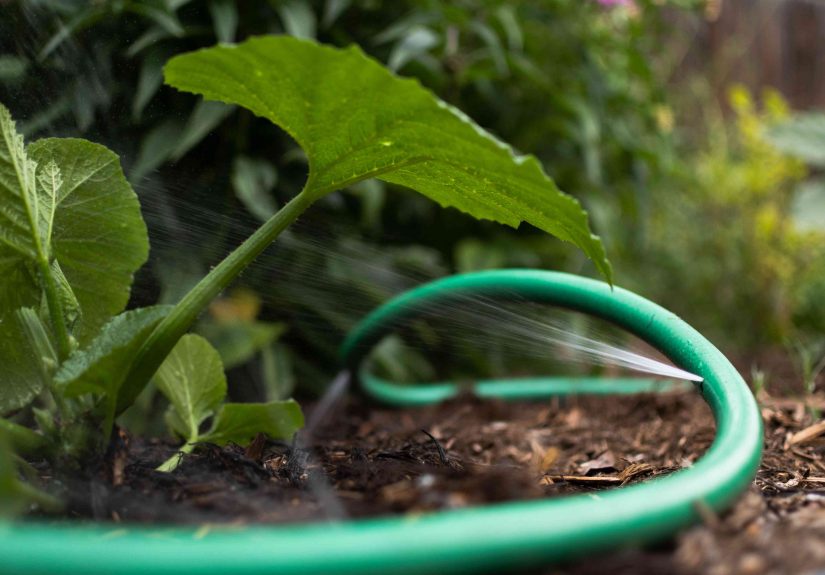
A soaker hose is a low-volume irrigation tool that releases water slowly along its length. Instead of spraying water into the air (where wind and sun can steal it),
a soaker hose delivers moisture close to the soil surface, encouraging deeper, steadier root growth.
Why this DIY version works
When you add evenly spaced holes to a standard hose and run it at low pressure, water seeps out in small streams that soak into the soil.
With mulch over the top, it becomes even more efficient because less water evaporates and the hose is protected from sun damage.
Before You Start: Is Your Old Hose a Good Candidate?
Not every hose deserves a comeback tour. Here’s how to decide if yours is “soaker-hose material” or “use it to pad the ladder” material.
Good signs
- The hose still holds water and isn’t split down the side.
- It’s flexible enough to snake through beds without fighting you.
- Leaks are minor (small drips are finethis is literally a project about controlled leaking).
Skip it if…
- There are major cracks, bulges, or weak spots that could burst under pressure.
- Fittings are broken beyond repair and can’t be adapted with a repair kit.
- The hose is so stiff it behaves like a reluctant garden anaconda.
Tools and Supplies
This is a simple project, but the “right simple” makes a big differenceespecially when it comes to hole size and water pressure.
What you’ll need
- Old garden hose (25–100 feet is ideal for even watering)
- Drill (cordless is convenient)
- Drill bit options (more on choosing size below)
- End cap (hose cap) or a way to plug one end (a shutoff valve works too)
- Pressure regulator (highly recommended for soaker-style flow)
- Optional: inline filter (helps prevent clogging if your water has grit)
- Garden staples/pins (to hold the hose in place)
- Mulch (optional but strongly recommended)
- Eye protection (because drills and tiny flying rubber bits are not a vibe)
The Secret Sauce: Hole Size, Spacing, and Pressure
If DIY soaker hoses fail, it’s usually for one of three reasons:
holes too big, holes placed randomly like confetti, or pressure set to “fire hydrant.”
Let’s avoid all of that.
Picking a hole size (real-world guidance)
Different DIY guides suggest different hole sizes. Larger holes put out more water fast (and can spray). Smaller holes create a gentler seep (more “soaker,” less “squirt gun”).
A smart approach is to start smaller and test.
- Start-small option: 1/16″ to 3/32″ bit (good for gentle seepage, less spraying)
- Middle option: 1/8″ bit (more flow; may need lower pressure)
- Large-hole option: 1/4″ bit (high flow; can spray unless pressure is very low)
Hole spacing that actually makes sense
Spacing controls how evenly water is distributed. For most garden beds:
- 6–12 inches apart works well for vegetables and mixed beds (balanced coverage).
- 3 inches apart can work if holes are small and pressure is low, but it may dump too much water near the faucet if pressure is too high.
- 12–18 inches apart can work for shrubs or areas that don’t need constant moisture along every inch.
Pressure: the make-or-break factor
Soaker hoses typically perform best at low pressure. If your outdoor spigot runs at typical household pressure, it’s often far higher than what you want.
A simple hose-end pressure regulator (often in the 10–25 PSI range) helps keep flow gentle and even, and it reduces the chance your DIY hose turns into a surprise sprinkler.
Step-by-Step: Make Your DIY Soaker Hose
Step 1: Measure and plan your watering route
Lay the hose (unconnected) along the beds you want to water. Snake it near the base of plants rather than right on the stems.
If you’re watering rows, think in “loops” or parallel runs so water reaches root zones.
Tip: For long gardens, it’s usually better to create two shorter runs than one mega-run. Shorter lengths tend to water more evenly.
Step 2: Mark a “hole line”
Choose one side of the hose to be your consistent “hole side.” If the hose has a stripe, use that stripe as your alignment guide.
Consistency makes installation and troubleshooting way easier later.
Step 3: Drill holescarefully
- Put on eye protection.
- Place the hose on a stable surface (grass or a workbench).
- Drill holes along your marked line at your chosen spacing.
- Drill through one side onlyyou’re not making a flute.
Keep the drill speed moderate. If the hose material melts or tears, slow down and let the bit do the work.
If you’re nervous, test on a short “sacrificial” section first.
Step 4: Cap or close the far end
You need water to flow through the hose and out the holeswithout blasting out the end like a tiny water cannon.
Cap the end with a hose cap, or use a shutoff valve that lets you open it occasionally for flushing.
Step 5: Flush debris before installing
Tiny rubber or vinyl bits can clog holes. Before you place the hose in your beds, connect it to the spigot and run water briefly
(with the end open, if possible) to flush out debris. Then cap it back up.
Step 6: Install with holes facing down (usually)
In most cases, place the hose so holes face down toward the soil. That reduces spraying and helps water soak in.
If your holes are extremely tiny and you need a bit more spread, you can angle the holes slightly sidewaysbut avoid “up,” unless you like watering air.
Step 7: Add a pressure regulator and (optional) filter
At the spigot, consider this simple order:
spigot → timer (optional) → backflow preventer (if used/required) → pressure regulator → garden hose/DIY soaker.
A filter can go before the soaker hose if you often get sediment.
Step 8: Cover with mulch for best results
Cover the hose with 2–3 inches of mulch (not soil). Mulch reduces evaporation, protects the hose from UV exposure, and helps keep moisture where plants can use it.
Keep mulch slightly away from plant stems to prevent rot.
Step 9: Test and adjust
Turn the water on slowly. You’re aiming for gentle seepage along the hose, not aggressive jets near the faucet and sad dribbles at the far end.
- If water sprays: reduce pressure, or consider smaller holes next time.
- If only the first section leaks: shorten the run, reduce hole size near the faucet, or add a regulator.
- If nothing comes out: holes may be cloggedflush again and consider a filter.
Placement Tips for Different Gardens
Raised beds
Run the hose in long loops. For tight beds, “S-curves” help reach more plants.
If your soil drains quickly (sandy), keep runs closer together; if it holds water (clay/loam), you can space runs farther apart.
Vegetable rows
Place the hose 2–4 inches away from the base of plants. Tomatoes, peppers, squash, and cucumbers all prefer consistent moisture.
A soaker setup can reduce leaf wetness (which can help discourage some plant diseases compared with overhead watering).
Flower beds and shrubs
Circle shrubs with a loose loop around the drip line (the outer edge of the canopy).
Perennials often like deep, less frequent wateringso you may run your system longer but fewer days per week.
How Long Should You Water with a DIY Soaker Hose?
The honest answer: it depends on your soil, weather, plants, and hole pattern. The practical answer: start with a test routine and adjust.
A good starting point
- 30–45 minutes for established beds in mild weather
- 45–90 minutes during hot stretches (especially for veggies)
- Shorter but more frequent for seedlings (they have tiny root zones)
The best method: after watering, dig a small test hole 4–6 inches deep near a plant. If the soil is evenly moist (not soggy), you’re close.
If it’s dry below the surface, water longer or increase coverage. If it’s swampy, shorten the run time.
Troubleshooting: Fix the Usual DIY Soaker Hose Problems
Problem: It sprays like a mini fountain
- Lower the spigot flow.
- Add a pressure regulator if you don’t have one.
- Next time, use a smaller drill bit and/or wider spacing.
Problem: The first 10 feet flood, the rest barely weeps
- Shorten the hose run.
- Use a regulator and keep pressure low.
- Consider splitting into two zones (a Y-connector helps) so each run is shorter.
Problem: Holes clog
- Flush the line: open the end, run water briefly, recap.
- Add an inline filter if sediment is common.
- Don’t bury it in soil; use mulch instead to reduce clogging and protect the hose.
Problem: It kinks and stops watering certain sections
- Lay the hose out in warm sun for a bit so it relaxes (then cover with mulch).
- Use garden staples to keep curves gentle.
- Avoid sharp turns; think “lazy river,” not “hairpin curve.”
Safety and “Please Don’t Drink From That” Notes
This is a garden-watering project, not a beverage program.
Many garden hoses (especially older ones) aren’t designed for drinking water, and materials in hoses and fittings can contain substances you don’t want to ingest.
If your hose was ever labeled non-potable or you’re unsure about its material history, treat it as non-drinking-water equipment.
Smart precautions
- Let water run briefly before watering edible gardens if water has been sitting hot in the hose.
- Store hoses out of direct sun when possible to reduce material breakdown.
- If you’re concerned about materials near edible crops, consider using a hose labeled for drinking-water safety for future upgrades.
Maintenance: Keep Your DIY Soaker Hose Working All Season
Weekly quick check
- Walk the line while it’s running and look for geysers (aka holes that got too enthusiastic).
- Check connections for leaks and tighten as needed.
- Make sure mulch hasn’t buried plant crowns or piled against stems.
Mid-season flush
Once in a while, uncap the end and flush the hose for a minute. This helps remove sediment and keeps holes clear.
If your water is gritty, you’ll be shocked how much “mystery dust” shows up.
Winterizing
Before the first freeze, disconnect, drain completely, and store the hose. Water left inside can freeze and expand, damaging the hose and fittings.
Your DIY soaker hose deserves to survive to water another day.
DIY Soaker Hose vs. Store-Bought: What to Expect
Store-bought soaker hoses are designed to weep through porous material or precision openings. Your DIY version is more customizable, but it’s also a little more “art project.”
That’s not a bad thingjust set expectations:
- Pros: cheap, fast, reuses materials, customizable layout
- Cons: can be less uniform than manufactured soakers, may clog more easily, needs pressure control
If you dial in hole size and pressure, you can get surprisingly good performanceespecially for flower beds, raised beds, and small-to-medium vegetable gardens.
FAQ: Quick Answers to Common Questions
Can I bury the hose?
It’s better to place it on the soil surface and cover with mulch. Soil can clog holes faster and makes maintenance harder.
Do I need a timer?
Not required, but helpful. A timer keeps watering consistent and prevents “oops, I forgot it was on” incidents (which your plants may love, but your water bill will not).
How do I water a big garden?
Use multiple shorter runs instead of one very long run. You can split the line with a Y-connector or create zones.
Even watering is the goalyour farthest plants should not be punished for being socially distant.
Extra: of Real-World Experience (Aka “Things I Wish Someone Told Me”)
The first time most people make a DIY soaker hose, they assume: “Holes + water = perfect irrigation.” Technically true.
In the same way that “flour + sugar + eggs = cake” is technically truethere are a few details that determine whether you end up with a masterpiece or a sad pancake.
Experience lesson #1: pressure is the boss. You can drill the most beautiful, evenly spaced holes on Earth, but if you crank the spigot open,
the first stretch of hose will act like it’s trying to power-wash your mulch into next week. The far end will quietly contribute a few polite drips,
like it’s embarrassed to be part of the project. The moment you add a pressure regulator (or simply turn the water down until it’s gentle),
everything feels calmerplants, soil, you, the entire neighborhood.
Experience lesson #2: start smaller than you think. People love the idea of using a big drill bit because it’s satisfying:
drill, drill, drilllook at me, I’m a garden engineer. But big holes make water leave the hose too quickly, which means uneven output.
Using a smaller bit and spacing holes a bit farther apart gives you room to test and adjust.
It’s easier to add more holes later than it is to un-drill a hole you regret.
(If you figure out how to “undrill” things, congratulationsyou’ve invented time travel.)
Experience lesson #3: mulch is a cheat code. Covering the hose with a couple inches of mulch does three magical things at once:
it slows evaporation, it keeps the hose from cooking in the sun, and it makes watering feel invisiblelike your garden is naturally thriving on vibes alone.
Plus, mulch helps water spread laterally through the top layer of soil instead of beading up and running off.
If you try the system once without mulch and once with mulch, you’ll notice the difference fast.
Experience lesson #4: pin it down. Hoses move. They wiggle when water pressure changes, they shift when you pull weeds,
and they somehow migrate into the one spot you don’t want watered (usually the path). A handful of garden staples keeps your layout intact,
which keeps watering consistent, which keeps your plants from forming a support group.
Experience lesson #5: do one “dig check” and you’ll trust the system. After a watering session, dig a small hole 4–6 inches deep near a plant.
When you see evenly moist soilcool, dark, and satisfyingyou’ll stop guessing. That one check helps you set your timer, adjust your runtime,
and avoid the classic overwatering-underwatering rollercoaster.
Once your DIY soaker hose is dialed in, you’ll wonder why you ever stood outside holding a sprayer like a bored lifeguard.
Wrap-Up: Turn Leaks Into a Feature, Not a Problem
Making a soaker hose out of an old garden hose is one of those practical, satisfying projects that feels like you’re getting away with something:
you’re reusing a “broken” item, watering more efficiently, and saving timewithout buying a complicated irrigation kit.
Keep runs reasonably short, control pressure, drill thoughtfully, cover with mulch, and test your setup like the responsible garden wizard you are.