Table of Contents >> Show >> Hide
- What Makes a T-Bone Tricky (and Awesome)
- Ingredients and Tools
- The Core Strategy: Dry Surface + Hot Pan + Smart Heat
- Step-by-Step: How to Pan Fry a T-Bone Steak
- Step 1: Dry-salt (aka “dry brine”) for better flavor and crust
- Step 2: Pat it dry and pepper at the right moment
- Step 3: Preheat your skillet like you mean it
- Step 4: Add oil, then sear hard
- Step 5: Don’t forget the edges and the fat cap
- Step 6: Lower the heat and butter-baste for flavor and control
- Step 7: Use a thermometer and pull at the right time
- Step 8: Rest, then carve correctly
- Timing Guidelines (So You Don’t Panic-Stare at the Stove)
- Troubleshooting: Common Problems and Easy Fixes
- Flavor Upgrades That Don’t Get in the Way
- FAQ: The Quick Answers Everyone Asks Mid-Cook
- Conclusion: Steakhouse Results, Home-Kitchen Control
- Kitchen Experiences: The Real-Life Stuff That Makes You Better (500-ish Words)
A T-bone is basically two steaks that decided to become roommates and split the rent with a bone down the middle.
When you pan fry it correctly, you get a crisp, brown crust (hello, steakhouse vibes) and a juicy interior that
makes you wonder why you ever paid $68 for a plate and a side-eye from a sommelier.
This guide walks you through a reliable, repeatable method for pan frying a T-bone steak at homeusing smart
heat control, a meat thermometer, and a buttery finishing move that feels illegal in at least three states.
What Makes a T-Bone Tricky (and Awesome)
A T-bone is cut from the short loin and includes two muscles: a strip steak on one side and a tenderloin portion
on the other, separated by the “T” shaped bone. That’s the magictwo textures, one steak.
The challenge is that these two sides don’t cook at exactly the same pace. The strip side is usually thicker and
fattier; the tenderloin side is often smaller and cooks faster. Add the bonewhich changes how the steak sits in
the panand you’ve got a cut that rewards attention but punishes autopilot.
The good news: pan frying gives you surgical control over crust and doneness, and the bone adds flavor while
protecting some areas from overcooking. Treat it like a project, not a vibe, and you’ll win.
Ingredients and Tools
The Essentials
- 1 T-bone steak (ideally 1.25–1.75 inches thick)
- Kosher salt
- Freshly ground black pepper
- High smoke-point oil (avocado, grapeseed, refined canola, etc.)
- Unsalted butter (2–3 tablespoons)
- Aromatics (optional but delicious): smashed garlic cloves, thyme, rosemary
Tools That Make Life Easier
- Heavy skillet (cast iron or stainless steel)
- Instant-read thermometer (your best steak insurance)
- Tongs (avoid forksno one likes being stabbed while relaxing)
- Paper towels (dry surface = better crust)
- Spoon (for butter basting)
- Wire rack (optional, for dry-salting and airflow)
The Core Strategy: Dry Surface + Hot Pan + Smart Heat
Great steak is mostly physics wearing a delicious jacket. Your goal is to maximize browning (the flavorful crust)
without overcooking the inside. That means:
- Dry the outside so the steak sears instead of steams.
- Preheat the pan properly so the surface browns fast.
- Manage heat so you don’t burn the crust or scorch the butter.
- Use temperature (thermometer) rather than hope and astrology.
If your steak could talk, it would beg you not to guess. So… don’t.
Step-by-Step: How to Pan Fry a T-Bone Steak
Step 1: Dry-salt (aka “dry brine”) for better flavor and crust
For the best results, salt the steak ahead of time. Sprinkle kosher salt generously on all sides. If you have
time, place it on a rack in the fridge, uncovered, for at least 40 minutes and up to overnight.
This seasons deeper and dries the exterior slightly, which helps browning.
No time? Salt it right before it hits the pan and move on confidently. The one timing that tends to disappoint is
salting and then cooking it a few minutes laterwhen moisture is sitting on the surface like it owns the place.
Step 2: Pat it dry and pepper at the right moment
Right before cooking, pat the steak very dry with paper towels. If the surface is dry, you’ll get a better crust.
Add black pepper right before cooking or near the end of searing if you’re worried about pepper scorching.
Step 3: Preheat your skillet like you mean it
Put your skillet over medium heat for several minutes to heat evenly (especially important for cast iron),
then increase to medium-high until the pan is very hot.
Turn on your vent fan. Open a window if you can. Pan-fried steak is delicious, but it’s also the reason kitchen
fans were invented.
Step 4: Add oil, then sear hard
Add 1–2 teaspoons of high smoke-point oil and swirl to coat. Lay the steak in the pan gently (away from you to
avoid splatter). You should hear a loud sizzleif it’s timid, the pan wasn’t hot enough.
Sear the first side for about 60–90 seconds, then flip. From here, you have two good options:
- Frequent flipping method: Flip every 15–30 seconds for more even cooking and a reduced “gray band.”
- Classic method: Sear 2–3 minutes per side, then adjust as needed.
For a T-bone, frequent flipping is especially helpful because the two sides cook at different speeds. It keeps
the tenderloin side from sprinting to “oops.”
Step 5: Don’t forget the edges and the fat cap
Use tongs to stand the steak on its side and sear the edges for 20–30 seconds eachespecially any strip of fat.
Rendered fat = flavor + better texture. Also, it’s satisfying, like popping bubble wrap you can eat.
Step 6: Lower the heat and butter-baste for flavor and control
Once you’ve built a good crust (usually after 4–6 minutes total searing time, depending on thickness),
lower heat to medium. Add butter and optional aromatics (garlic, thyme, rosemary). When the butter melts and
foams, tilt the pan slightly so butter pools, then spoon it over the steak repeatedly.
Keep flipping every 30–60 seconds while basting. The butter helps brown any pale spots and adds that steakhouse
richness.
Step 7: Use a thermometer and pull at the right time
Insert an instant-read thermometer into the thickest part of the meat, aiming for the center, and avoid touching
the bone (bone can give misleading readings). Because a T-bone has two muscles, check both sides if possible.
| Doneness | Pull From Pan At (°F) | Target After Rest (°F) | What It’s Like |
|---|---|---|---|
| Rare | 120–125 | 125–130 | Red center, very soft |
| Medium-rare | 125–130 | 130–135 | Warm red center, juicy |
| Medium | 135–140 | 140–145 | Pink center, firmer |
| Medium-well | 145–150 | 150–155 | Slight pink, quite firm |
| Well-done | 155+ | 160+ | No pink, firm |
Important safety note: Many official food-safety guidelines recommend cooking whole steaks to
145°F and resting before eating. Lower temperatures are common in restaurants but carry more risk.
If you’re serving kids, older adults, pregnant people, or anyone immunocompromised, aim for safer temps.
Step 8: Rest, then carve correctly
Move the steak to a plate or cutting board and rest for 5–10 minutes. Resting helps juices redistribute
and lets carryover heat finish the job.
To carve a T-bone, run your knife along both sides of the bone to separate the strip and tenderloin sections.
Then slice each piece against the grain. If you slice with the grain, the steak will fight you. Politely, but still.
Timing Guidelines (So You Don’t Panic-Stare at the Stove)
Exact time depends on thickness, starting temperature, pan material, and how aggressively you heat the pan. Still,
you can use these as ballpark expectations:
- 1-inch T-bone: ~8–12 minutes total cook time
- 1.5-inch T-bone: ~12–16 minutes total cook time
- 2-inch T-bone: ~14–20 minutes total cook time (often best with a brief oven finish)
If your steak is very thick and the crust is perfect but the inside is lagging, you can finish it gently in a
300–350°F oven for a few minutes. That’s not “cheating.” That’s “using tools like a responsible adult.”
Troubleshooting: Common Problems and Easy Fixes
“My steak is gray and sad.”
Usually caused by a wet surface or a pan that wasn’t hot enough. Pat the steak drier. Preheat longer. Use a heavy
pan. And don’t crowd the skilletcook one steak at a time if needed.
“My kitchen looks like a fog machine test.”
High heat + fat = smoke. Use a high smoke-point oil, use less oil (you don’t need a pool), keep your fan on high,
and avoid burnt oil by lowering heat once the crust is formed.
“The butter burned.”
Add butter after the initial hard sear and lower the heat before it goes in. If your butter turns dark fast,
you’re too hot. Adjust and keep bastinggently.
“One side is done, the other is undercooked.”
Classic T-bone behavior. Flip more often. Rotate the steak so both sections get equal contact with the pan.
Check temperature on both sides and aim for your preferred doneness on the strip side while protecting the tenderloin.
Flavor Upgrades That Don’t Get in the Way
Herb-garlic butter baste
Add smashed garlic cloves and a sprig of thyme or rosemary to the butter. The butter picks up aroma quickly and
perfumes the steak without overwhelming it.
Pan sauce from the browned bits
After the steak rests, you can deglaze the pan with a splash of stock or water, scrape up the browned bits, and
whisk in a small knob of butter. It’s an easy “restaurant finish” using what’s already in the skillet.
Finishing salt
A tiny pinch of flaky salt right before serving adds crunch and makes the beef taste more “beefy.” It’s a small
move with big energy.
FAQ: The Quick Answers Everyone Asks Mid-Cook
Do I need to bring the steak to room temperature first?
It’s not required. Many cooks find that proper salting, a dry surface, and smart flipping matter more than leaving
meat out on the counter. If you do leave it out briefly, keep food safety in mind and don’t push it for long.
Can I cook a T-bone in a nonstick pan?
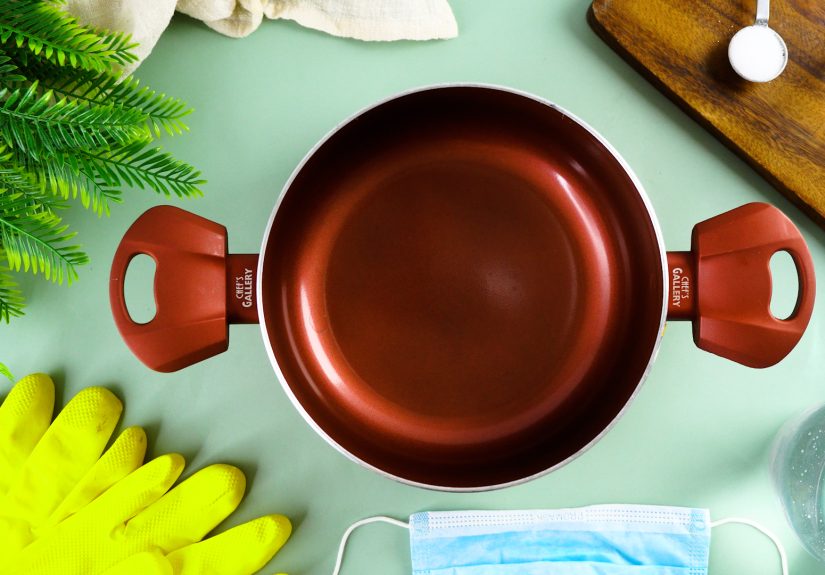
You can, but you’ll struggle to build a deep crust because nonstick pans aren’t meant for screaming-hot sears.
A heavy stainless or cast iron skillet is the better tool for this job.
What if I don’t have a thermometer?
You can use touch/firmness as a rough guide, but a thermometer removes the guessworkespecially for a T-bone with
two muscles and a bone. If steak is a regular thing in your life, a thermometer is worth it.
Should I slice the steak right away?
Rest it first. If you slice immediately, you’ll watch your juices run out like they’re trying to catch the last train home.
Conclusion: Steakhouse Results, Home-Kitchen Control
Pan frying a T-bone steak isn’t complicatedbut it is specific. Dry the surface, heat the pan properly, sear with
confidence, then slow down and butter-baste your way to glory. Use a thermometer, rest the steak, and carve it
like you’re separating two friends who both deserve attention.
Once you nail this method, you can repeat it on other thick steaks with minor tweaks. The real win isn’t just one
great dinnerit’s knowing you can do it again on a random Tuesday with sweatpants and ambition.
Kitchen Experiences: The Real-Life Stuff That Makes You Better (500-ish Words)
If you pan fry T-bone steaks long enough, you start collecting little “kitchen truths”the kind you only learn
after a few smoky evenings and one suspiciously quiet smoke detector. Here are the common experiences home cooks
run into (and how to turn them into wins).
First: the pan teaches humility. A T-bone looks flat until you set it down and realize the bone makes
it wobble like a chair with one short leg. The fix is simple: move the steak around. Don’t be afraid to rotate it,
press it gently for better contact, and sear the edges. You’re not wrestling the steakyou’re negotiating with it.
Second: dryness is everything. People often season the steak beautifully and then sabotage themselves
by skipping the paper towel step. A wet surface doesn’t brown; it steams. The “aha” moment usually happens when
someone finally pats the steak dry and hears that louder, cleaner sizzle. Suddenly the crust shows up on time,
dressed nicely, ready to do its job.
Third: butter is a finisher, not a starter. Many first-time steak makers toss butter in early because
butter smells like success. Then it burns, and the kitchen smells like regret. The better experience is to treat butter
like the encorebring it in after the crust has formed, lower the heat, and baste patiently. You’ll notice the steak
browns more evenly, and the aromas feel “steakhouse” instead of “campfire accident.”
Fourth: the thermometer becomes your calm friend in a stressful relationship. Without it, you end up
poking the steak, staring at it, cutting into it “just to check,” and turning dinner into an improv show. With it,
you get to cook confidentlyespecially with a T-bone, where the tenderloin side and strip side can be in different
life stages at the same moment. Many cooks report that the first night they used a thermometer, they immediately
stopped overcooking steaks. It’s like turning on subtitles for your stove.
Fifth: resting feels annoying until you skip it. Everyone’s hungry. Everyone’s hovering. The steak is
sitting there looking ready. Then you slice too soon and the juices run out like they just remembered they left the
oven on at home. After you do that once, resting becomes non-negotiable. Five to ten minutes buys you a juicier
steak and a more relaxed dinner. Consider it a mandatory “cool-down lap.”
Lastly, pan frying a steak tends to make people braver. After a few successful runs, you start experimenting:
different herbs, a quick pan sauce, a pinch of finishing salt, maybe even cooking two steaks back-to-back like you
own a bistro. That confidence is the real payoff. The method stays the samedry, sear, baste, temp, restbut your
instincts get sharper each time. And that’s how a simple T-bone turns into a signature move.