Table of Contents >> Show >> Hide
- Step 1: Start With the Job (Because Shrubs Need a Purpose)
- Step 2: Read Your Yard Like a Site Inspector (Zone, Sun, Soil, Water)
- Step 3: “Right Plant, Right Place” (AKA: Size Matters More Than You Think)
- Step 4: Choose Shrub Types That Build “All-Season” Landscaping
- Step 5: Don’t Accidentally Adopt a Problem Plant (Invasives + High-Drama Shrubs)
- Step 6: Match the Shrub to Your Maintenance Personality
- Step 7: Shop Smart (How to Pick a Healthy Shrub at the Nursery)
- Step 8: Planting Choices That Make Shrubs Thrive (Not Just Survive)
- Quick “Best Shrubs” Picks by Landscaping Goal (Examples You Can Actually Use)
- Common Mistakes (So You Don’t Become a Weekend Pruning Legend)
- of Real-World Experience: Lessons Gardeners Learn the Fun Way (and the Hard Way)
Choosing shrubs sounds easy until you’re standing in a garden center holding a plant tag like it’s a tiny legal contract. (“Mature width: 10 feet.” Cool cool coolmy flower bed is 3 feet wide.) The good news: picking the best bushes and shrubs for landscaping isn’t about memorizing plant names. It’s about matching the right plant to the right spot, so your yard looks intentional instead of “I adopted everything that was on sale.”
This guide will walk you through a practical, low-regret system to choose shrubs that fit your climate, your sunlight, your soil, and your patience level. You’ll also get specific examples by landscaping goalprivacy, curb appeal, wildlife, and low maintenanceso you can build a yard that looks great in July and still behaves in January.
Step 1: Start With the Job (Because Shrubs Need a Purpose)
Before you pick a plant, pick a mission. Shrubs are the backbone of a landscapemore permanent than annual flowers, and way less forgiving than “I’ll just move it later.” Ask yourself what you want the shrub to do:
- Privacy screen: Block a neighbor’s window, a street view, or that one garbage can that haunts your driveway.
- Foundation planting: Soften the hard lines of your house and make the structure feel grounded.
- Seasonal color: Flowers in spring, berries in fall, winter interest when everything else looks like a sad salad.
- Wildlife support: Pollinators, birds, beneficial insectsyour yard becomes a tiny nature reserve instead of just lawn.
- Low-maintenance structure: Evergreen shape and texture that doesn’t require you to own hedge trimmers (or a grudge).
Pro tip: If a shrub doesn’t have a clear job, it will invent one. Usually by expanding into your walkway.
Step 2: Read Your Yard Like a Site Inspector (Zone, Sun, Soil, Water)
Know your climate: USDA hardiness zone
Start with your USDA Plant Hardiness Zone. This tells you which perennials and shrubs are most likely to survive winter in your area. When a shrub tag lists zones (like “Zones 5–9”), it’s basically saying, “I can live through your winters… probably.” Choose plants rated for your zone (or colder), especially for long-lived shrubs.
Track sunlight honestly (not optimistically)
Sunlight is the #1 reason “full sun” plants look like they’re auditioning for a wilt commercial. Spend a day noticing how light moves through your yard:
- Full sun: 6+ hours of direct sun
- Part sun/part shade: 3–6 hours
- Shade: Under 3 hours, or filtered light under trees
Also remember: summer sun is stronger and lasts longer than winter sun. A spot that looks bright in July might be shaded in October, and vice versa.
Soil and drainage: the unglamorous truth
You don’t need perfect soil. You need honest soil. The biggest practical questions are:
- Does water sit after rain? If puddles linger, you’ll need shrubs that tolerate wet feetor you’ll need to improve drainage or raise the bed.
- Is the soil sandy and fast-draining? Pick drought-tolerant shrubs or plan for regular watering during establishment.
- What’s your soil pH? Many landscape plants do well around slightly acidic to near-neutral soil, but some (like azaleas/rhododendrons) are picky and prefer more acidic conditions.
If you want to be extra-smart (and avoid guessing), get a soil test. It can tell you pH and nutrients so you’re not throwing fertilizer around like confetti.
Water reality: match plants to your irrigation style
Be realistic about watering. Most shrubs need consistent moisture during establishment (often the first season or two), but after that, your choices matter:
- Low-water zone: Tough shrubs (many junipers, some viburnums, certain natives) once established.
- Average moisture: Most common landscape shrubs thrive here.
- Moist/wet zone: Shrubs that naturally grow near water (like buttonbush in many regions).
Step 3: “Right Plant, Right Place” (AKA: Size Matters More Than You Think)
Here’s the mistake that creates the most weekend pruning: buying a shrub for how it looks today, not how it will look at maturity. Always check:
- Mature height (How tall it gets)
- Mature width (How wide it getsthis is the sneaky one)
- Growth habit (Upright, mounding, spreading, arching)
Rule of thumb: If a shrub’s mature width is 6 feet, don’t plant it 18 inches from your walkway unless you enjoy shoulder-checking greenery on the way to your mailbox.
Choose shrubs that naturally fit the space with minimal pruning. Occasional shaping is fine; constant shearing is a lifestyle choice.
Step 4: Choose Shrub Types That Build “All-Season” Landscaping
Evergreen vs. deciduous (or: winter backbone vs. seasonal fireworks)
Evergreen shrubs keep foliage year-round and provide structure in winter. Deciduous shrubs drop leaves but often bring flowers, fall color, and berries.
The best landscapes usually mix both:
- Evergreens for privacy, structure, and winter interest (think hollies, many boxwoods, some arborvitae types).
- Deciduous flowering shrubs for color and pollinators (think hydrangeas, spirea, ninebark, certain viburnums).
Flowering shrubs: pick bloom time like a concert lineup
Instead of picking five shrubs that all bloom in the same two weeks, aim for a “seasonal lineup”:
- Spring bloom: azaleas (acidic soil), some viburnums, serviceberry (often a small tree/shrub form depending on variety)
- Summer bloom: hydrangeas, summersweet (clethra), some spirea varieties
- Late summer/fall interest: beautyberry (berries), certain shrubs with fall color like oakleaf hydrangea
Native shrubs: beauty that also does chores
Native shrubs are often easier once established because they evolved with local weather swings, soils, and wildlife. Many also support pollinators and birds better than some ornamental imports. If you want a yard that feels alive (and not just green), natives are a strong move.
Step 5: Don’t Accidentally Adopt a Problem Plant (Invasives + High-Drama Shrubs)
Some shrubs behave like that one friend who “just needs a place to crash” and then never leaves. Invasive plants can spread aggressively and harm local ecosystems by crowding out native plants.
Before buying, do a quick check with your state university extension or local invasive plant council list. Even common “old favorites” can be invasive in certain regions, while perfectly safe in others. Landscaping is local like that.
Step 6: Match the Shrub to Your Maintenance Personality
Be honestare you a “weekly garden stroll with pruners” person, or a “I water when the sky looks threatening” person?
Questions that predict future regret
- How often does it need pruning? Some shrubs need annual pruning for best bloom; others only need occasional shaping.
- Is it disease-prone in your area? Local recommendations matter more than internet hype.
- Does it drop messy fruit/leaves? (Not badjust plan where it goes.)
- Deer pressure? “Deer-resistant” is more like “deer-less-delicious.” Hungry deer will freestyle.
If you want low maintenance, prioritize shrubs labeled as hardy, adaptable, and naturally compact for your space. “Dwarf” and “compact” cultivars can be helpfuljust verify the actual mature size on the tag.
Step 7: Shop Smart (How to Pick a Healthy Shrub at the Nursery)
A great shrub choice can still fail if you bring home a plant that’s stressed or rootbound. Look for:
- Good overall structure: full canopy, balanced branching
- Healthy foliage: appropriate color (no widespread yellowing, spotting, or crispy edges)
- Reasonable roots: if you can check, avoid roots circling heavily around the pot (a sign it’s been container-bound too long)
- No obvious pests: inspect leaf undersides and stems
Don’t buy the tallest plant just because it looks “more mature.” A slightly smaller, healthier shrub often establishes faster and catches up surprisingly quickly.
Step 8: Planting Choices That Make Shrubs Thrive (Not Just Survive)
Picking the right shrub is half the battle. Planting it correctly is the other halfand it’s the half that determines whether you’ll be bragging next summer or quietly replacing it.
Spacing: plant for maturity, not for the “empty look”
New shrubs look small at first. That’s normal. If you cram them together to avoid empty space, you’ll get overcrowding, disease risk, and constant pruning later. Space based on mature width, and use mulch or temporary annuals to fill gaps while shrubs grow.
Mulch like a professional (not like a volcano artist)
Mulch helps conserve moisture, moderate soil temperature, and reduce weeds. But too much mulchespecially piled against stemscan cause problems. A simple approach:
- Apply a shallow layer (often about 1–3 inches, depending on material).
- Keep mulch pulled back a few inches from the base of the shrub.
- Extend mulch outward to cover the root zone where practical.
Watering: the establishment phase matters
Most shrubs need consistent watering during their first growing season, especially during heat or drought. Deep, less-frequent watering is usually better than frequent shallow sprinkling because it encourages roots to grow outward and downward.
Quick “Best Shrubs” Picks by Landscaping Goal (Examples You Can Actually Use)
These are not universal for every microclimate, but they’re common, practical shrub categories and examples that often work well in U.S. landscapes when matched to the right conditions.
For privacy screens and hedges
- Arborvitae types (great screens; choose varieties sized for your space)
- Hollies (many shapes and sizes; some have berries)
- Boxwood (classic hedge; check for local disease issues and pick resistant cultivars when possible)
- Viburnum (some evergreen or semi-evergreen in milder zones; many deciduous types with flowers and berries)
For foundation planting (house-friendly scale)
- Dwarf/compact boxwood or similar structured evergreens
- Inkberry holly (a native option in many eastern regions; good for structure)
- Panicle hydrangea (often sun-tolerant; big blooms)
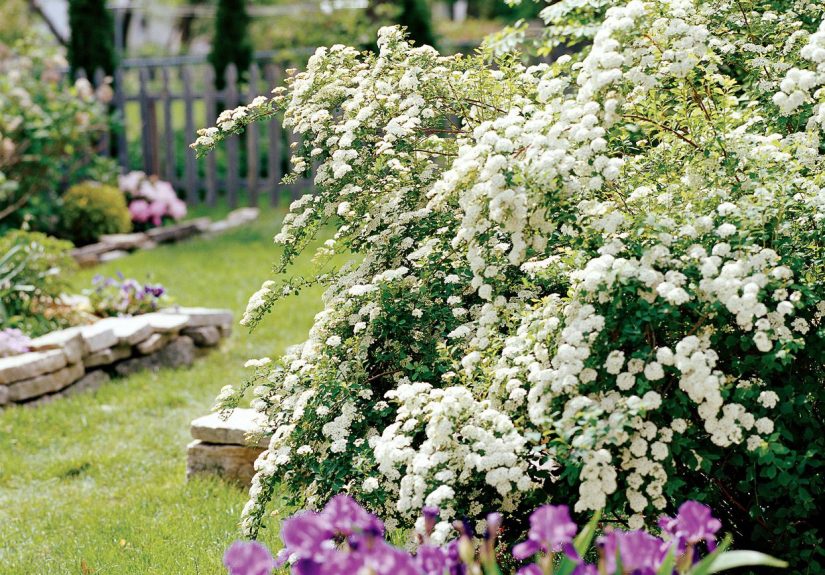
- Spirea (easy color, compact forms, good edging in many designs)
For pollinators and wildlife value
- Summersweet (clethra) (fragrant blooms; often good in moist soils)
- Buttonbush (excellent for wet areas; pollinator magnet)
- Chokeberry (aronia) (flowers + berries + fall color)
- Ninebark (tough, adaptable, good seasonal texture)
For shade or part shade
- Oakleaf hydrangea (great texture and fall color in many regions)
- Azaleas/rhododendrons (best where soil is acidic and drainage is good)
- Sweetspire (itea) (often handles part shade; good fall color)
For low maintenance and toughness
- Junipers (many forms; drought-tolerant once established; watch mature spread)
- Many native shrubs suited to your region (ask your extension office for top performers)
- Potentilla (in many climates; long bloom season, generally easygoing)
Common Mistakes (So You Don’t Become a Weekend Pruning Legend)
- Ignoring mature width and planting too close to paths, windows, or each other.
- Choosing shrubs for flowers only and forgetting winter structure (hello, stick season).
- Over-mulching or piling mulch against stems.
- Planting without checking sunlight (shade plants in sun scorch; sun plants sulk in shade).
- Picking “deer-resistant” shrubs as a guarantee instead of a guideline.
- Skipping local advice (your neighbor’s thriving shrub is often the best “review” you can get).
of Real-World Experience: Lessons Gardeners Learn the Fun Way (and the Hard Way)
If you want the truth about choosing shrubs, it’s this: most “landscape mistakes” aren’t dramatic. They’re slow, quiet, and leafy. Gardeners often describe the same handful of experiencesalmost like a rite of passageso consider this your shortcut.
Experience #1: The Shrub That Looked Cute… Until It Hit Its Growth Spurt. A very common story starts with a bargain shrub planted “temporarily” near the front walk. The first year, it’s adorable. The second year, it’s confident. The third year, it’s blocking the mailbox and grabbing your sleeves like a clingy cousin. The lesson: mature width is not a suggestion. It’s a prediction of your future arguments with hedge trimmers. When gardeners switch to naturally compact cultivarsor simply move the plant earlythey’re amazed how much easier the yard becomes.
Experience #2: Sunlight changes, and your yard is not a static photo. People pick shrubs when the yard looks sunny in summer, then wonder why things struggle later. Trees leaf out, shadows shift, and the angle of the sun changes by season. Gardeners who take a few days to observe light (or who note where snow melts first, or where grass thins) consistently make better shrub choices. It feels slow in the moment, but it saves money later.
Experience #3: “Low maintenance” means different things to different humans. Some people love pruning; others would rather do taxes. Gardeners who succeed long-term pick shrubs that match their maintenance personality. If you don’t want to prune, choose shrubs with a natural shape that fits the bed. If you do enjoy shaping, pick plants that respond well to pruning and don’t punish you for missing a season.
Experience #4: Mulch is helpfuluntil it’s not. Many gardeners learn the “mulch volcano” lesson after noticing shrubs declining for no obvious reason. Once they pull mulch back from stems and keep layers reasonable, plants often rebound. Mulch is a tool, not a sculpture medium.
Experience #5: Native shrubs are the ultimate “set-it-and-forget-it” flexwhen chosen well. Gardeners who add region-appropriate native shrubs often report fewer pest issues, better drought tolerance after establishment, and noticeably more birds and pollinators. The yard feels more alive. The best part: it looks intentional without requiring constant intervention. That’s the dream.
In the end, the most satisfying shrub landscapes are built with a simple formula: clear purpose + honest site conditions + mature-size planning. Do that, and your shrubs will stop being “plants you hope survive” and start being the structure that makes your whole yard look designed.