Table of Contents >> Show >> Hide
- Meet the Plant: “Flowering Almond” Isn’t a Nut Tree
- Where Flowering Almond Grows Best
- How to Plant Flowering Almond
- Watering and Mulching: The First-Year Game Plan
- Fertilizer: Feed It, Don’t Spoil It
- Pruning: The Make-or-Break Move for Next Spring’s Flowers
- Pests and Diseases: What to Watch For (and How to Prevent Problems)
- Landscape Design Ideas: Make the Bloom Show Look Intentional
- Propagation: How to Grow More Flowering Almond
- Troubleshooting: When Your Flowering Almond Isn’t Cooperating
- Experience-Based Notes From Real Gardens (Extra Tips to Make Success More Likely)
- Conclusion: Your Simple Recipe for a Spectacular Spring Shrub
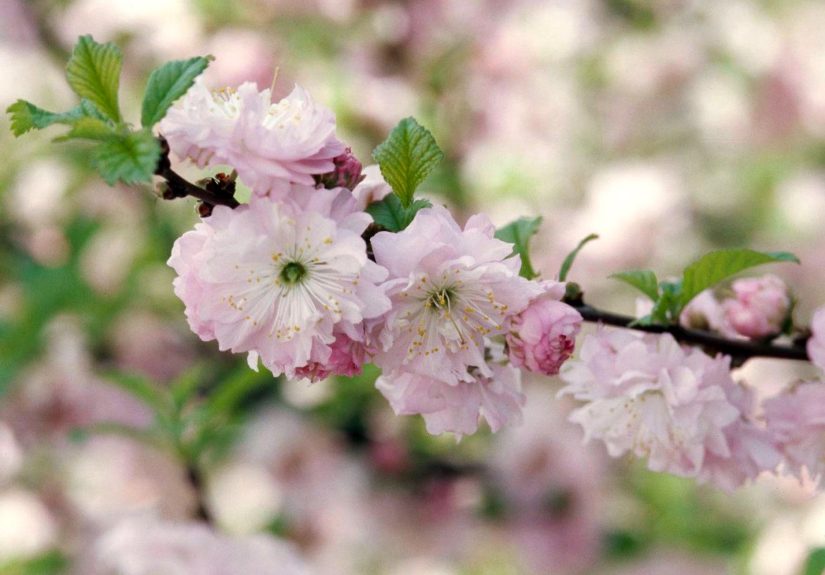
If you’ve ever wanted a shrub that throws a full-on spring confetti partypink (or white) pom-pom blossoms on bare stemsmeet
flowering almond. It’s the plant equivalent of showing up to brunch in sequins: a little extra, highly memorable,
and totally worth inviting into your yard.
This guide covers how to plant and grow flowering almond the right way: choosing the best type, getting it
established, pruning for maximum blooms, and troubleshooting the stuff nobody tells you until your shrub looks like a bad hair day.
Meet the Plant: “Flowering Almond” Isn’t a Nut Tree
First, a quick reality check (said with love): the ornamental flowering almond shrub is not the almond tree that
gives you snack almonds. You’re growing this plant for its flowersnot for a charcuterie board.
Dwarf vs. Tree-Form: Which Flowering Almond Are You Growing?
In U.S. gardens, “flowering almond” usually refers to one of two ornamental Prunus types:
- Dwarf flowering almond (Prunus glandulosa) – typically a compact, multi-stem shrub around 3–5 feet tall, famous
for double pink blooms. Great for small yards, borders, and even large containers. - Flowering almond (Prunus triloba) – a larger shrub or small tree form, commonly 10–15 feet, with showy spring
flowers and a more “statement shrub” presence.
The care is similar for both. The biggest differences are space, training/pruning style, and how
dramatic you want your spring entrance to be.
Where Flowering Almond Grows Best
USDA Hardiness Zones
Flowering almond is generally hardy across a wide range of U.S. climates, but exact performance depends on species/cultivar and
local conditions. As a practical rule:
- Dwarf flowering almond often does well in roughly Zones 4–8 (sometimes colder with protection).
- Prunus triloba is often grown in colder-to-moderate climates, commonly noted in about Zones 3–6 (and sometimes beyond with good siting).
If you’re unsure, check the tag from the grower you purchased frombecause “flowering almond” can be a name tag used for different
plants, and plant labels are basically the birth certificate in this situation.
Light: Give It Sun for the Best Bloom Show
For the most flowers, plant flowering almond in full sun. It can tolerate partial shade, but fewer
sun hours typically means fewer blooms and looser growth. If you live in a colder region, more sun usually helps the shrub thrive
and bloom more reliably.
Soil: The “No Swamp Feet” Rule
The #1 soil requirement: good drainage. Flowering almond can tolerate a range of soils (including clay) as long as
it isn’t sitting wet. Aim for loamy, well-drained soil with average fertility. Slightly acidic to slightly alkaline
is usually finewhat it can’t forgive is consistently soggy roots.
How to Plant Flowering Almond
When to Plant
Plant in early spring or early fall when temperatures are mild and the plant can focus on roots
instead of survival drama. Container-grown shrubs can be planted most of the growing season, but hot summer planting makes watering
much more demanding.
Step-by-Step Planting in the Ground
- Pick the spot. Choose a sunny location with good airflow and soil that drains well. Bonus points if you can keep
it away from sprinkler overspray and areas that stay damp (Prunus plants prefer leaves that dry quickly). - Clear a “no-lawn zone.” Remove turf and weeds in a wide circle so the shrub isn’t fighting grass for water and nutrients.
Think of it as giving your shrub its own personal space bubble. - Dig the hole wide, not deep. Dig a hole about 2–3 times the width of the root ball and about the
same depth. Planting too deep is a classic mistakeyour shrub will not thank you. - Check the roots. If roots are circling the pot, gently loosen them. You’re encouraging them to explore the
neighborhood, not live in a tight little root apartment forever. - Set the plant at the right height. The top of the root ball should sit level with (or just slightly above) the
surrounding soil. - Backfill and water in. Refill with native soil (amend heavily only if your soil is extremely poor). Water deeply
to settle soil around roots. - Mulch like you mean it. Add 2 inches of mulch in a wide ring, keeping mulch a few inches away
from the stems. Mulch touching stems is basically an invitation for rot and pests.
Planting Flowering Almond in a Container
Dwarf flowering almond can do well in a container if you’re willing to water consistently. Use:
- A pot with drainage holes (non-negotiable).
- A high-quality potting mix that drains well.
- A container large enough to support growth (think “small shrub,” not “tiny herb pot”).
Containers dry out faster, and winter cold can be harsher on roots. In colder zones, protect the pot (move it to a sheltered spot,
insulate the container, or overwinter in an unheated garage when appropriate).
Watering and Mulching: The First-Year Game Plan
The first growing season is when you earn your gardening merit badge. Water deeply and consistently so roots establish. A common
beginner mistake is frequent “sips” instead of occasional “soaks.” Go for deep watering that reaches the root zone.
- First season: Water regularly, especially during dry spells. Many gardeners use a benchmark like a few gallons per week during establishment, adjusting for heat, soil type, and rainfall.
- After establishment: Water during drought and prolonged dry periods, especially when buds are forming.
Mulch is your secret weapon. It moderates soil temperature, reduces water loss, and keeps weeds from auditioning for the role of
“main character.”
Fertilizer: Feed It, Don’t Spoil It
Flowering almond isn’t a heavy feeder. If your soil is reasonably healthy, you may only need a light application of a balanced,
slow-release fertilizer in early springafter the plant is established. Overfertilizing can push leafy growth at the expense
of blooms, which is like ordering dessert and getting a salad.
If you want to be precise, do a soil test. It’s the easiest way to avoid guessing games with nutrients and pH.
Pruning: The Make-or-Break Move for Next Spring’s Flowers
Here’s the big secret to flowering almond care: many varieties bloom on old wood (last year’s
growth). That means pruning at the wrong time can erase next spring’s flowers.
When to Prune Flowering Almond
Prune right after flowering finishes in spring. This timing lets the plant produce new growth and set buds for next
year without you accidentally cutting them off.
How to Prune for Shape, Health, and More Blooms
- Start with the obvious. Remove dead, damaged, or diseased wood anytime you see it.
- Thin for airflow. Take out crowded, crossing, or inward-growing stems. Better airflow helps reduce disease issues
(and makes the shrub look intentional instead of “I woke up like this”). - Encourage new flowering wood. On older shrubs, remove a few of the oldest stems at the base each year. This
“renewal pruning” stimulates new canes that will flower well. - Light shaping. After thinning, shorten overly long shoots to maintain a tidy form.
Rejuvenation Pruning for Overgrown Shrubs
If your flowering almond has turned into a spindly tangle with fewer flowers, it may need a stronger reset. After bloom, you can cut
back a portion of the oldest stems hard (near the ground). Don’t remove everything at once unless the plant is very tough and you’re
willing to sacrifice blooms for a season; gradual rejuvenation is usually kinder and more predictable.
Pests and Diseases: What to Watch For (and How to Prevent Problems)
Because flowering almond is in the Prunus group (think cherries, plums, peaches), it shares some of the same
vulnerabilities. The best defense is a good setup: sun, airflow, drainage, and smart pruning.
Common Pests
- Aphids – can cause curled leaves and sticky residue. Often controlled by beneficial insects; a strong spray of water can help early.
- Japanese beetles (regional) – may skeletonize leaves. Hand-picking in the morning can reduce damage on smaller shrubs.
- Scale insects – look for bumps on stems; prune out heavily infested branches when practical.
- Borers – more common when plants are stressed. Keep the shrub vigorous with proper watering and avoid wounding the trunk/stems.
Common Diseases
- Leaf spot / shot hole – spots that may drop out leaving “holes.” Reduce leaf wetness and clean up fallen leaves.
- Brown rot / blossom blight – can affect flowers and shoots, especially in wet springs. Prune out infected twigs and promote airflow.
- Cankers – sunken or oozing areas on stems; prune out affected wood and avoid stress and injuries.
- Powdery mildew – improves with sun and airflow; avoid excess nitrogen.
Prevention Checklist (Your “Future Self” Will Thank You)
- Plant in sun with space for air to move through the shrub.
- Water at the base; avoid overhead watering when possible.
- Keep the area under the shrub clean (remove diseased leaves and prunings).
- Prune right after flowering to keep it open and healthy.
- Avoid overfertilizing with high nitrogen.
Landscape Design Ideas: Make the Bloom Show Look Intentional
Flowering almond is an early-season star, which means you’ll get the best overall look if you pair it with plants that carry the
garden after the blossoms fade. Try:
- Spring bulbs (tulips, daffodils) beneath it for a layered bloom season.
- Evergreens nearby to provide year-round structure.
- Summer bloomers (hydrangea, spirea, weigela) to keep the bed lively when flowering almond goes green-and-quiet.
- Pollinator plants around itflowering almond can help kick off the season for early insects.
Propagation: How to Grow More Flowering Almond
If you’re trying to multiply your shrub (or rescue a favorite cultivar), cuttings are usually the most reliable home-gardener route.
Softwood Cuttings (Common Method)
- In late spring to early summer, snip healthy, non-flowering shoots (about 4–6 inches).
- Remove the lower leaves, dip the cut end in rooting hormone (optional but helpful), and place in a moist, well-draining medium.
- Keep humidity up (a clear bag “mini greenhouse” works) and light bright but indirect.
- Once rooted, pot up and gradually harden off before planting out.
A Note About Suckers and Grafted Plants
Some flowering almonds are grafted. If you see vigorous shoots coming from below the main stems or from the base that look different,
they may be rootstock suckers. Remove them promptly so the plant puts energy into the flowering variety you actually bought.
Troubleshooting: When Your Flowering Almond Isn’t Cooperating
“It’s Not Blooming!”
- Pruned at the wrong time: If you pruned in late summer, fall, winter, or early spring, you may have removed next season’s buds. Switch to pruning right after bloom.
- Too much shade: Move (or thin nearby plants) to increase sun exposure.
- Too much nitrogen: Back off fertilizer and focus on steady watering and good light.
- Frost damage: In some years, late frosts can harm buds. Planting in a sheltered microclimate can help.
Leaves Have Spots or Holes
- Improve airflow with thinning cuts after bloom.
- Clean up fallen leaves and avoid overhead irrigation.
- If disease is persistent year after year, consult a local extension office for region-specific management.
It Looks Leggy and Messy
- This is common as flowering almond ages. Use renewal pruning: remove a few older stems at the base each year right after flowering.
- Consider a gentle rejuvenation plan over 2–3 seasons rather than a one-time haircut.
Experience-Based Notes From Real Gardens (Extra Tips to Make Success More Likely)
The internet loves “easy shrubs,” but gardeners know the truth: every plant is easy until it’s not. The following are
experience-based patterns that come up again and again with flowering almondespecially for new growers who want the
maximum bloom show with minimum heartbreak.
1) The first year is mostly about roots, not flowers. People often buy flowering almond when it’s in full bloom at
the nursery (because of course you doit’s basically wearing a neon sign that says “TAKE ME HOME”). Then it gets planted and looks
underwhelming the rest of the year. That’s normal. In many yards, the “wow” factor ramps up in year two or three, once the root
system is established and the shrub isn’t spending all its energy simply adjusting.
2) Pruning timing is the #1 reason bloom shows go missing. When gardeners report, “It grew a lot but didn’t flower,”
the story often includes a winter pruning session that felt productive at the time. Flowering almond tends to set flower buds on old
wood. If you prune after the plant has already formed buds for next spring, you’re not just trimming branchesyou’re trimming the
party invitations. The fix is simple: prune right after flowering. It feels weird at first (because the shrub looks so pretty
in bloom), but it’s the move that pays off next year.
3) The “too wet” problem shows up faster than the “too dry” problem. In real landscapes, flowering almond often
survives a bit of dryness once established, but it sulkssometimes dramaticallywhen planted where water collects or where sprinklers
constantly wet the foliage. A common experience is “mystery leaf spotting” that improves after switching to drip irrigation, watering
at the base, or opening the shrub up with thinning cuts to increase airflow. If your site holds water, consider planting on a slight
berm or choosing a different spot altogether.
4) Mature shrubs benefit from “renewal pruning” more than perfect shaping. Gardeners who try to keep a flowering
almond perfectly rounded with frequent shearing often end up with a dense outer shell and a bare interiorlike a green lollipop with
commitment issues. The shrubs that keep blooming well long-term are typically thinned from the inside: a few of the oldest stems are
removed at the base each year right after bloom. That steady replacement of old wood with vigorous young shoots helps maintain flower
production and keeps the shrub from looking tired.
5) Flowering almond is best as a “cameo,” not the whole movie. Many gardeners adore the spring blossoms, then feel
disappointed when the shrub fades into the background in summer. The happiest landscape stories usually treat flowering almond like a
seasonal headliner: plant it where it’s visible from a window or entry path in spring, but surround it with plants that peak later.
Pair it with bulbs for spring, then let nearby perennials and summer shrubs carry the rest of the year. This design approach turns
flowering almond from a one-hit wonder into part of a longer, better playlist.
6) Container growing is totally doablebut the watering is not optional. Dwarf flowering almond in a pot can be
stunning, especially near a patio where you can enjoy the blooms up close. The main experience-based takeaway: containers dry out
fast. The “I watered it last week” strategy works in-ground but can fail in pots during warm spells. A thick mulch layer on top of
the potting mix (kept away from stems), plus a consistent watering routine, makes a big difference. In cold climates, experienced
container gardeners also protect the roots in wintereither by moving the pot to shelter or insulating itbecause roots in containers
are more exposed than roots in the ground.
7) When in doubt, reduce stress. Many pest and disease flare-ups follow stress: drought, poor drainage, heavy
pruning at the wrong time, or crowding. Gardeners who focus on the basicssun, drainage, deep watering during establishment, and
timely pruningoften report fewer issues and better bloom consistency. The plant doesn’t need constant “fixing.” It needs the right
conditions so it can do what it was born to do: explode into spring flowers and then quietly mind its own leafy business.
Conclusion: Your Simple Recipe for a Spectacular Spring Shrub
If you remember only three things about how to plant and grow flowering almond, make them these:
plant it in sun, give it well-drained soil, and prune right after it flowers.
Do that, and you’re setting yourself up for that classic “how is this even real?” bloom show every spring.