Table of Contents >> Show >> Hide
- Why Zinnias Are Worth Your Garden Space
- Choose the Right Zinnia Variety Before You Sow
- When to Plant Zinnia Seeds
- Where to Plant: Sun, Soil, and Spacing That Prevents Problems
- What You’ll Need
- How to Plant Zinnia Seeds Outdoors (Direct Sowing)
- How to Start Zinnia Seeds Indoors (For Earlier Blooms)
- Caring for Zinnias After Planting
- Common Problems (and How to Fix Them Without Panicking)
- Pro Tips for Big, Long-Lasting Blooms
- How to Save Zinnia Seeds (So Next Year’s Garden Is Basically Free)
- Quick Troubleshooting Checklist
- Real-World Lessons From Planting Zinnia Seeds (Experience Section)
- Conclusion
- SEO Tags
Zinnias are the “instant gratification” of the flower world. Plant a few seeds, wait a hot minute (okay, a couple of weeks),
and suddenly your yard looks like it’s hosting a tiny parade. If you’ve been nervous about growing flowers from seed, zinnias
are a friendly place to startfast-growing, colorful, and not particularly impressed by your mistakes (as long as you don’t
plant them in cold soil and expect miracles).
In this guide, you’ll learn exactly how to plant zinnia seeds outdoors or indoors, how deep to sow them,
when to plant them for your region, and how to keep your plants blooming like they’re trying to win “Most Likely to Be Cut
for a Mason Jar Bouquet.”
Why Zinnias Are Worth Your Garden Space
Zinnias (especially Zinnia elegans) are popular summer annuals across the U.S. for a reason: they thrive in heat,
tolerate a range of soil conditions (as long as drainage is decent), and bloom for months with basic care. They’re also a
pollinator magnetbees and butterflies treat zinnias like an all-you-can-eat brunch buffet.
Bonus: They’re Great for Cutting
If you like fresh flowers indoors, zinnias are a top-tier cutting flower. Regular cutting (or deadheading) encourages the plant
to keep producing blooms instead of wrapping up its life mission early.
Choose the Right Zinnia Variety Before You Sow
Not all zinnias behave the same. Some stay short and tidy for borders and containers; others shoot up tall and dramatic for
cutting gardens. Your seed packet is basically the zinnia’s résuméread it.
Quick variety cheat sheet
- Dwarf zinnias (about 6–12 inches): great for edging and pots.
- Medium zinnias (1–2 feet): reliable “fill the bed” performers.
- Tall/cut-flower zinnias (2–4 feet): best for bouquets; may need support.
- Disease-resistant series (often labeled as resistant): helpful if your summers are humid.
When to Plant Zinnia Seeds
Timing is everything. Zinnias are warm-season flowers that dislike cold soil and frost. The safest rule:
plant zinnia seeds after your last spring frost.
Temperature matters more than the calendar
Zinnias germinate and grow best when it’s truly warm. Aim to direct sow when the soil is around “summer is coming” temperature,
not “why is my hoodie still on?” temperature. If your area warms up slowly, waiting an extra week can be the difference between
quick sprouts and sad, stalled seedlings.
Want blooms all summer? Use succession planting
Instead of sowing once, sow in waves. Plant a small batch every 2–3 weeks through early-to-mid summer to keep fresh plants coming
into bloom while older ones start to slow down. This is how gardens stay colorful for the long haul without you redoing everything.
Where to Plant: Sun, Soil, and Spacing That Prevents Problems
Sunlight
Zinnias want full sun. More sun generally equals stronger plants and fewer disease issues. If your site only gets
a little sun, zinnias will still try… but they may get leggy and more prone to mildew. Translation: don’t set them up for struggle.
Soil
Zinnias prefer well-drained soil. If your soil is heavy clay, mix in compost to improve drainage. If your soil is
already decent, don’t overdo the “make it rich” impulsetoo much fertility can lead to lush leaves and fewer flowers. Zinnias are
here for the blooms, not the leaf fashion show.
Spacing
Good spacing is your secret weapon. Overcrowding blocks airflow and encourages issues like powdery mildew.
Spacing depends on the variety, but most zinnias end up somewhere in the neighborhood of 8–24 inches apart.
Dwarf types can be closer; tall, bushy types need more room. If you’re unsure, space wideryou can always fill gaps later with more seeds.
What You’ll Need
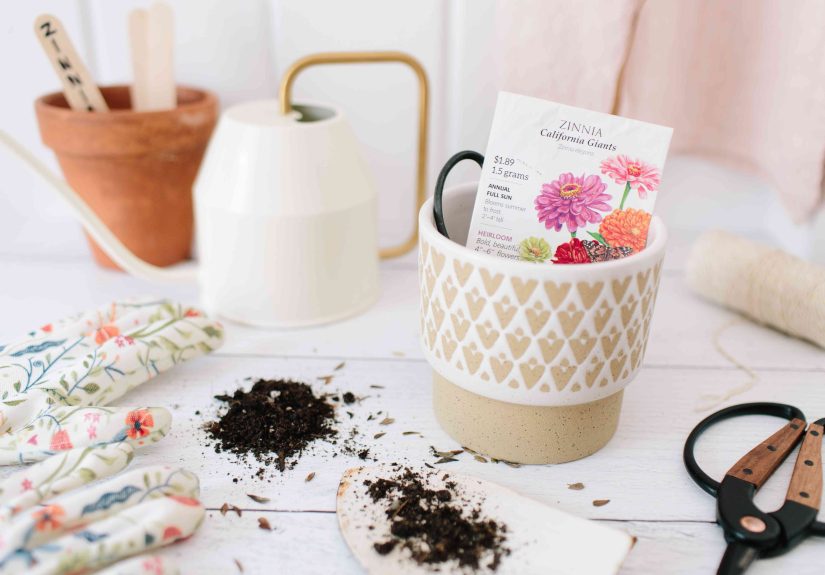
- Zinnia seeds (fresh seeds typically germinate best)
- Garden bed or container with drainage
- Compost (optional, but helpful for improving soil structure)
- Hand trowel or small shovel
- Rake (for smoothing soil)
- Watering can or hose with a gentle setting
- Plant labels (future-you will thank you)
How to Plant Zinnia Seeds Outdoors (Direct Sowing)
Direct sowing is the simplest methodand zinnias often love it because their roots don’t have to deal with transplant drama.
Step 1: Prep the bed
Clear weeds and loosen the top few inches of soil. Smooth the area so seeds make good contact with soil (seeds can’t germinate in midair,
no matter how motivational your speeches are).
Step 2: Plant at the right depth
Sow seeds about 1/4 inch deep. That’s “lightly covered,” not “buried like treasure.” If planting in rows, make a shallow
furrow; if planting in clusters, poke small holes with your finger.
Step 3: Space the seeds
You can sow a few seeds per spot and thin later. A practical approach:
- Drop 2–3 seeds per planting spot.
- Place spots roughly 8–12 inches apart for many medium varieties (wider for tall/bushy types).
- Label what you planted and where (especially if you’re mixing colors or varieties).
Step 4: Water gently
Water the area thoroughly right after planting. Keep the top layer of soil evenly moist (not soggy) until seeds sprout.
Once seedlings are established, let the top inch of soil dry slightly between waterings.
Step 5: Thin the seedlings
When seedlings are a few inches tall, thin to the final spacing for your variety. Snip extra seedlings at soil level rather than
yanking them out (pulling can disturb roots of the ones you’re keeping). Yes, thinning feels rude. Your future blooms disagree.
How to Start Zinnia Seeds Indoors (For Earlier Blooms)
Starting indoors can give you a head start, especially in cooler regions where spring takes its sweet time. The key is handling seedlings gently,
because zinnias can dislike root disturbance.
When to start indoors
Start zinnia seeds about 4–6 weeks before your last expected frost date. If you start too early, seedlings can become rootbound
or stretchedbasically the plant version of cabin fever.
Indoor sowing steps
- Fill containers with a lightweight seed-starting mix (not heavy garden soil).
- Sow seeds 1/4 inch deep, then cover lightly.
- Keep warma consistently warm spot helps quick, even germination.
- Keep evenly moist but not waterlogged. Let the surface dry slightly between waterings to reduce damping-off risk.
- Provide strong light as soon as seedlings emerge (a sunny window can work, but grow lights often produce sturdier plants).
Harden off and transplant carefully
Before planting outside, harden off seedlings over 7–10 days (gradually increase outdoor time). Transplant after frost danger has passed
and the weather is reliably warm. Plant at the same depth as in the potdon’t bury the stem deeper “just in case.”
Caring for Zinnias After Planting
Watering
Water deeply, then allow the top 1–2 inches of soil to dry before watering again. Aim water at the base of the plant.
Wet leaves + warm nights can invite fungal problems, especially in humid climates.
Fertilizing
Zinnias aren’t heavy feeders, but they do appreciate balanced nutrition in lean soils. If you fertilize, go easy:
too much nitrogen can create a big leafy plant with fewer flowers. If your plants look healthy and are blooming, you may not need much at all.
Pinching for bushier plants (optional but awesome)
For fuller, more branched plants, pinch the top growth when seedlings have several sets of leaves. This can delay the first blooms slightly,
but often increases the total number of flowers laterlike trading one cupcake today for twelve cupcakes next week.
Deadheading and cutting
Remove spent blooms or cut flowers regularly. This encourages the plant to keep producing. If you’re growing for bouquets, cut above a leaf node
to promote new stems and buds.
Support for tall varieties
Tall zinnias can flop after rain or when blooms get heavy. Stake individually or use garden netting for a “cut flower field” look.
Common Problems (and How to Fix Them Without Panicking)
Powdery mildew
Powdery mildew shows up as a white, dusty coating on leaves, often later in the season. Prevention is your best strategy:
- Plant in full sun.
- Space plants well for airflow.
- Water at the base, ideally in the morning.
- Avoid overhead watering when possible.
If mildew appears, remove badly affected leaves and improve airflow. In some gardens, choosing resistant varieties and keeping leaves dry makes the biggest difference.
Leaf spot and blight
Leaf spots can happen when foliage stays wet. The game plan is similar: keep leaves dry, avoid crowding, and remove infected plant debris.
Don’t compost heavily diseased material unless you’re confident your compost gets hot enough to break down pathogens.
Pests (aphids, spider mites, and other tiny freeloaders)
Most pest issues can be managed early with a strong spray of water, hand removal, or insecticidal soap. Healthy, well-watered plants usually
outgrow minor pest pressure.
Pro Tips for Big, Long-Lasting Blooms
- Sow more than once. Succession planting keeps blooms coming instead of peaking all at once.
- Don’t overcrowd. Airflow reduces disease and helps plants dry quickly after dew or rain.
- Cut often. The more you cut, the more they bloomzinnias love a haircut.
- Water wisely. Deep watering beats frequent sprinkles.
- Keep a simple garden journal. Note your sowing dates so next year you can repeat what worked (and skip what didn’t).
How to Save Zinnia Seeds (So Next Year’s Garden Is Basically Free)
Zinnia seed saving is straightforward: let a few flowers mature fully on the plant until the heads dry and turn brown. Snip the dried heads,
let them dry a bit more in a well-ventilated spot, then pull them apart and collect the seeds. Store seeds in a labeled envelope in a cool, dry place.
One note: if you planted hybrid varieties, saved seeds may not grow “true” to the parent plant. If you want consistency, look for open-pollinated varieties.
If you like surprises, congratulationsyou’re about to open a mystery box of flowers.
Quick Troubleshooting Checklist
- Seeds didn’t sprout: Soil too cold, seeds planted too deep, or soil dried out during germination.
- Seedlings are tall and floppy: Not enough light indoors, or plants are crowded.
- Lots of leaves, few flowers: Too much nitrogen fertilizer or too much shade.
- Mildew keeps showing up: Increase sun exposure, spacing, and focus on dry foliage.
- Plants topple over: Taller variety needs staking/netting, or too much wind exposure.
Real-World Lessons From Planting Zinnia Seeds (Experience Section)
Garden guides make planting zinnias sound like a fairy tale: sprinkle seeds, clap twice, and suddenly you’re starring in a seed catalog photo shoot.
In real life, zinnias are still easybut they come with a few “classic beginner moments” that most gardeners collect like badges.
The first lesson people learn is that warmth is non-negotiable. Lots of gardeners get excited on the first nice spring weekend and sow early.
Then the temperature drops, the soil chills, and the seeds either sulk or rot. The fix is simple (and slightly annoying): wait until the garden actually feels
like spring is over and summer is clocking in. When zinnia seeds hit warm soil, they pop fast and grow like they have somewhere to be.
The second big lesson is that spacing is not a suggestion. When seedlings come up, they look so small and innocent that it feels cruel to thin them.
Many gardeners decide to “let them sort it out.” The zinnias do sort it outby creating a crowded jungle that holds humidity and invites mildew.
Thinning feels like you’re doing plant crime, but it’s really plant self-care. A few well-spaced zinnias can produce more blooms than a crowded cluster that struggles all season.
Another common experience: the fertilizer trap. Because zinnias grow quickly, it’s tempting to feed them like they’re training for a marathon.
Too much fertilizerespecially high nitrogencan turn your plants into leafy bodybuilders with fewer flowers. Many gardeners learn to start with compost and only fertilize lightly
if the plants truly look like they need it. If your zinnias are green and blooming, your best “fertilizer” might be a pair of scissors for deadheading.
Speaking of scissors, gardeners who grow zinnias for bouquets usually have a “lightbulb moment” about cutting and timing. The first bouquets can flop fast
if you cut blooms that aren’t fully ready. Over time, people learn to cut stems when blooms are firm and the plant is well hydrated (often earlier in the day). Then they learn
the magical part: cutting doesn’t reduce floweringit can increase it. Zinnias respond to harvesting like, “Oh, you want more flowers? Say less.”
There’s also the “weather reality” lesson: zinnias love heat, but they don’t love wet leaves. In humid areas or rainy summers, mildew pressure can feel inevitable.
Gardeners often discover that the biggest improvements come from small changes: planting in full sun, watering at the base, choosing varieties known for better disease resistance,
and leaving enough space for airflow. Some even stagger plantings so younger, fresher plants are always coming in as older ones start looking tired.
Finally, there’s the most fun experience: the moment you realize zinnias are basically a pollinator party. You’ll see bees working the blooms like clockwork,
butterflies dropping in, and beneficial insects hanging around. Many gardeners start with zinnias “just for color” and end up planting extra because the garden suddenly feels more alive.
It’s hard not to get a little hooked when a $3 packet of seeds turns into months of flowers and daily garden entertainment.
If you take one real-world takeaway, make it this: zinnias reward consistency more than perfection. Warm soil, sun, sensible spacing, and regular cutting will carry you a long way.
And if something goes wrong? You can often re-sow a fresh patch and be back in business fastbecause zinnias are forgiving like that.
Conclusion
Planting zinnia seeds is one of the easiest ways to get big summer color without a complicated learning curve. Focus on warm timing, full sun, well-drained soil,
and proper spacing. Direct sow after the last frost for the simplest route, or start indoors 4–6 weeks early if you want a head start. Then keep blooms coming with
consistent watering (at the base), occasional feeding if needed, and regular deadheading or cutting.
Do those basics, and zinnias will do what they do best: bloom like they’re showing off.