Table of Contents >> Show >> Hide
- What Is Swimmer’s Ear, Exactly?
- Symptoms: How to Tell If It’s Swimmer’s Ear (and Not Just “Water Stuck”)
- Prevention: How To Stop Swimmer’s Ear Before It Starts
- How To Get Rid of Swimmer’s Ear: What Actually Works
- When To See a Doctor (or Urgent Care)
- Common Mistakes That Keep Swimmer’s Ear Hanging Around
- Practical Prevention Plans (Because Real Life Is Messy)
- FAQ
- Real-World Experiences: What People Run Into (and What Helps)
- Conclusion
Swimmer’s ear has a very unfair talent: it can turn “best day ever” (pool! lake! beach!) into “why does my head feel like it’s hosting a tiny percussion concert?” It’s also one of those problems that sounds like it only happens to swimmers… until it happens to someone who simply took an enthusiastic shower.
The good news: swimmer’s ear is usually preventable, and when it shows up, it’s typically very treatableespecially if you don’t try to “DIY surgery” with cotton swabs, bobby pins, or that random corner of a towel. (Your ear canal is not a suggestion box. It is a delicate tunnel lined with skin. Be nice to it.)
Quick note: This article is for general education and isn’t a substitute for medical care. If you have severe pain, fever, drainage, hearing changes, diabetes, a weakened immune system, or symptoms that aren’t improving, it’s smart to contact a clinician promptly.
What Is Swimmer’s Ear, Exactly?
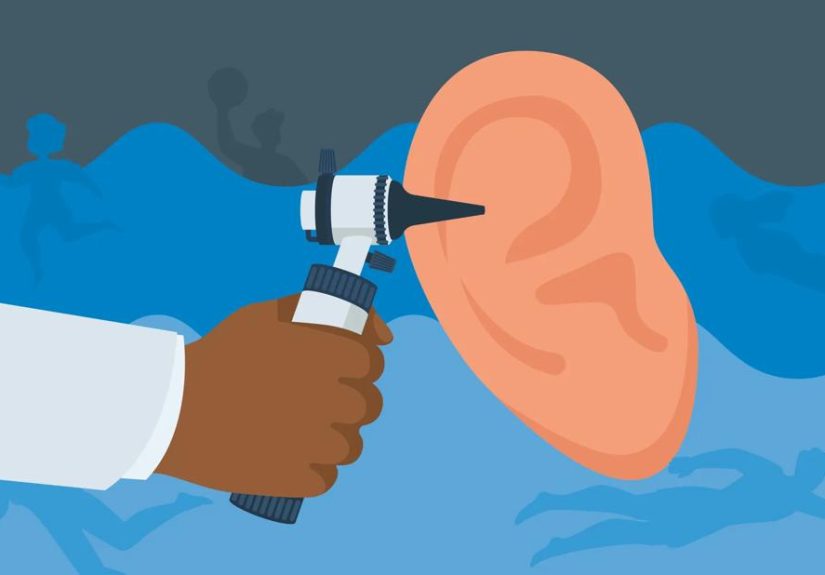
Swimmer’s ear is the common name for acute otitis externainflammation and/or infection of the outer ear canal (the pathway from the outside world to your eardrum). Unlike a middle ear infection (which happens behind the eardrum), swimmer’s ear is more like a “skin infection in a warm, narrow hallway.”
Here’s the classic setup: water gets trapped in the ear canal, the skin becomes soggy and irritated, and bacteria (and sometimes fungi) decide it’s a great time to move in. Add a little scratching, over-cleaning, or rubbing the canal raw, and you’ve basically rolled out a welcome mat for germs.
Why It Happens More in Summer (and Not Just Because Summer Is Messy)
- More water exposure: swimming, sprinklers, humid weather, long showers.
- More trapped moisture: ear canals can hold onto water like a tiny cup.
- More irritation: frequent drying, rubbing, and “Let me just check in there” habits.
- Skin conditions: eczema, dermatitis, and psoriasis can weaken the skin barrier.
Symptoms: How to Tell If It’s Swimmer’s Ear (and Not Just “Water Stuck”)
A little water sloshing around can feel annoying, but swimmer’s ear tends to escalate. Common symptoms include:
- Itching inside the ear canal (often an early clue)
- Pain that can worsen quickly
- Tenderness when you tug the outer ear or press the tragus (the small flap in front of the canal)
- Redness and swelling of the canal
- Drainage (clear, cloudy, or pus-like)
- Muffled hearing or a “plugged” feeling
If symptoms become intensesevere pain, visible swelling of the outer ear, fever, or pain that radiates toward the face or neckdon’t white-knuckle it. Those are good reasons to get evaluated.
Prevention: How To Stop Swimmer’s Ear Before It Starts
Prevention is mostly about two goals: keep the ear canal dry and protect the skin barrier. Think of your ear canal like a well-maintained hiking trail: it does fine when it’s clean and dry, but it gets cranky when it’s soggy and scraped up.
1) Keep Your Ears Dry (Yes, This Is the Big One)
The simplest strategy is also the most effective: don’t let water linger in the canal. After swimming or showering, try this routine:
- Towel first: Dry the outer ear gently.
- Drain gravity-style: Tilt your head so each ear faces down for a few seconds.
- Use a low-tech assist: Gently pull the earlobe in different directions to help water escape (no digging).
- Hair dryer method: Use a hair dryer on the lowest heat and speed setting, held several inches away, to help evaporate moisture.
If you’re a frequent swimmer, consider barriers that reduce water entry:
- Swim caps that cover the ears
- Water-resistant earplugs (or custom-fitted swim molds for serious water people)
2) Be Careful With “Ear Cleaning” (Because Over-Cleaning Backfires)
Earwax gets a bad reputation, but in reasonable amounts it helps protect the ear canal. The canal’s skin is thin and easy to irritate. When you repeatedly scrape it with cotton swabs or other objects, you can create tiny breaks in the skinexactly what bacteria love.
Translation: avoid putting objects in the ear canal. If you feel like wax is truly blocking your hearing or you’re getting repeated issues, a clinician can check safely and remove impacted wax if needed.
3) Consider Preventive Drying Drops (Only When It’s Safe for You)
Many clinicians recommend drying drops for people who get recurrent swimmer’s ear, especially after water exposure. The idea is simple: help the water evaporate and make the canal less friendly to bacterial growth.
Options can include commercially available OTC drying drops. Some medical references also describe a commonly discussed home mixture of equal parts white vinegar (acetic acid) and rubbing alcohol.
Important safety rule: Do not put drops in your ear if you might have a perforated eardrum, ear tubes, recent ear surgery, unexplained ear drainage, or significant ear pain without medical guidance. When in doubt, ask a clinicianbecause “oops” is a terrible sound in an ear.
4) Reduce Risk If You’re Prone to It (Kids, Skin Issues, Devices)
Some people are just more likely to get swimmer’s earespecially kids who basically live in water all summer, people with narrow ear canals, and anyone with eczema/dermatitis affecting the ear. You can lower risk by:
- Managing skin flare-ups around the ears with a clinician’s help
- Keeping earbuds/hearing aids clean and giving ears “air time” when possible
- Taking water breaks during long swim sessions to let ears dry out
How To Get Rid of Swimmer’s Ear: What Actually Works
Let’s be honest: when your ear hurts, you want the fastest safe fix. The most evidence-based path depends on severity, but for true acute otitis externa, topical ear drops are the main treatmentnot oral antibiotics in most cases.
Step 1: Hit Pause on Water (Temporarily)
If you suspect swimmer’s ear, keep the ear as dry as possible. That usually means taking a break from swimming until symptoms improve and treatment is underway. Shower carefully and avoid getting water in the affected ear.
Step 2: Control Pain Like a Pro
Swimmer’s ear can be surprisingly painful because the ear canal skin is sensitive and swelling creates pressure. Pain control matters (and it helps you sleep, which helps you heal).
- OTC pain relievers such as ibuprofen or acetaminophen can help (follow label directions and your clinician’s advice).
- Warm compress against the outer ear can be soothing.
- Avoid poking the ear to “relieve pressure.” That usually makes it worse.
Step 3: Get the Right Drops (This Is Usually the Turning Point)
Clinicians typically treat swimmer’s ear with prescription ear drops that may include: antibiotics, antiseptics, steroids (to reduce swelling/itch), or a combination. If fungus is suspected, antifungal drops may be used instead.
Why drops? Because they deliver medication directly where the infection lives. Oral antibiotics often don’t target the usual bacteria effectively unless infection spreads beyond the canal or the person has special risk factors.
Step 4: Use Ear Drops Correctly (The “It Didn’t Work” Problem Is Often Technique)
Ear drops work best when they actually reach the inflamed skin. A few practical tips can make a big difference:
- Warm the bottle in your hands for a minute (cold drops can feel dizzying).
- Lie on your side with the affected ear facing up.
- Gently straighten the canal:
- Adults: pull the outer ear up and back.
- Children: pull the outer ear down and back.
- Instill the prescribed number of drops.
- Stay in position 3–5 minutes so the medicine coats the canal.
- Lightly press the tragus a few times to help move drops inward (no aggressive pushing).
If the canal is very swollen, a clinician may place an ear wick (a tiny absorbent strip) to help the drops reach deeper parts of the canal.
Step 5: Expect ImprovementBut Finish the Course
With appropriate treatment, many people start feeling better within a couple of days, but that doesn’t mean the infection is fully gone. Use drops exactly as prescribed and for the full duration to reduce relapse risk.
When To See a Doctor (or Urgent Care)
Swimmer’s ear is common, but it can become serious in certain situations. Seek medical care promptly if:
- You have severe pain, rapidly worsening symptoms, or fever
- There’s pus-like drainage, significant swelling, or hearing loss
- Symptoms aren’t improving within 48–72 hours after starting appropriate treatment
- You have diabetes, a weakened immune system, or you’re older with intense pain
- You have facial weakness, severe headache, dizziness, or pain “out of proportion”
These red flags matter because a rare complicationsometimes called malignant or necrotizing otitis externacan occur in high-risk people and needs urgent evaluation and treatment.
Common Mistakes That Keep Swimmer’s Ear Hanging Around
- Stopping drops early because you feel better on day 2
- Getting the ear wet repeatedly during treatment (swimming, careless showering)
- Using random home drops when you might have an eardrum perforation or ear tubes
- Scratching the canal with swabs, nails, or “just this once” objects
- Ignoring a skin condition (eczema/dermatitis) that keeps damaging the canal barrier
Practical Prevention Plans (Because Real Life Is Messy)
If You Swim a Few Times a Week
- Use earplugs or a swim cap that covers ears.
- Dry ears after every swim (tilt + towel + hair dryer on low).
- Ask your clinician whether preventive drying drops make sense for you.
If Your Kid Lives at the Pool All Summer
- Make the “dry your ears” routine part of the post-swim snack ritual.
- Skip cotton swabs (for kids and adults).
- Talk to your pediatrician if swimmer’s ear keeps recurringthere may be a preventive plan tailored to your child.
If You Get It Over and Over
- Consider an ENT evaluation to check for canal narrowing, chronic skin issues, or fungus.
- Clean earbuds/hearing aids regularly and let ears breathe.
- Use prevention consistently for a month or two during your “high-risk season” (often summer).
FAQ
Can I swim with swimmer’s ear?
It’s usually best to pause swimming until pain and inflammation are improving and you’ve started appropriate treatment. Water exposure can slow healing and irritate the canal.
Is swimmer’s ear contagious?
Swimmer’s ear is typically caused by organisms already present in the environment and the ear canal. It’s not usually considered contagious person-to-person like a cold.
Do I need oral antibiotics?
Most uncomplicated swimmer’s ear cases are treated with topical drops. Oral antibiotics may be considered if infection spreads beyond the canal or if special risk factors are presentyour clinician can decide.
What if it’s not getting better?
If symptoms persist or worsen despite treatment, you may need re-evaluation. Sometimes debris blocks drops, the diagnosis is different (like middle ear infection), or fungus is involved.
Real-World Experiences: What People Run Into (and What Helps)
If you’ve ever searched “how to get rid of swimmer’s ear” at 2 a.m., you’re in good company. People tend to describe swimmer’s ear as one of those sneaky problems that starts with a mild itch and ends with “my ear has opinions and it’s sharing them loudly.” Here are common experiences people reportand the practical takeaways that often make the biggest difference.
The “It Was Fine Until I Used a Q-tip” Moment
A classic story goes like this: water feels trapped, so someone reaches for a cotton swab to “soak it up.” It feels better for about 12 seconds. Then the canal gets more irritated, the skin gets micro-scratched, and the remaining moisture stays putbasically a spa day for bacteria. The takeaway: when water is stuck, use gravity (tilt), gentle outer-ear drying, and low heat airflow from a distance. Save the swabs for craft projects and makeup touch-ups, not ear-canal excavation.
The Earplug Debate: “They Help!” vs. “They Make It Worse!”
Earplugs can be fantastic for preventionespecially well-fitting swim plugs that keep water out. But some people notice irritation if plugs are inserted roughly, worn too long, or not cleaned properly. The sweet spot is comfort and cleanliness: choose plugs that fit well, insert gently, wash reusable plugs, and replace them when they start looking like they’ve been living in a gym bag since 2019. If plugs bother your ears, a snug swim cap that covers the ears may be a better option.
The “DIY Drops” Curiosity (and the Safety Trap)
Many frequent swimmers hear about vinegar-and-alcohol mixtures and wonder if it’s a magic shield. Some clinicians do recommend acidifying/drying drops for prevention in people who get recurrent swimmer’s ear. But the safety trap is real: if someone has ear tubes, a known or suspected eardrum perforation, recent ear surgery, or unexplained drainage, putting drops in the canal can sting, worsen irritation, or cause complications. The practical takeaway: prevention drops can be helpful for the right person, but it’s worth confirming with a clinicianespecially if you’ve ever been told you have eardrum issues.
The “Why Aren’t the Drops Working?” Spiral
People often assume the medicine failed when the real culprit is delivery. If the canal is swollen or full of debris, drops may not reach the inflamed skin. In clinical settings, gently cleaning the canal or placing an ear wick can be the game changersuddenly the drops can do their job. At home, technique matters too: lying on your side long enough (3–5 minutes feels like forever when you’re bored), pulling the ear the right direction, and finishing the full course. The takeaway: if you’re not improving within a couple of days, don’t just keep guessingget rechecked.
The Recurring Summer Pattern
Many people notice swimmer’s ear comes back every summer like an unwanted seasonal subscription. A common prevention pattern for frequent swimmers is consistency: barrier protection (plugs/cap), thorough drying after every swim, and addressing underlying skin irritation. Parents also report that making “ear drying” part of a routineright after towel-off and before snacksimproves compliance. The takeaway: the best prevention is boring on purpose. The more automatic it becomes, the less likely swimmer’s ear gets a seat at your summer plans.
Conclusion
Swimmer’s ear is painful, common, andfortunatelyoften preventable. Keeping ears dry, avoiding trauma from cotton swabs, and using smart swimmer habits can dramatically cut your risk. If it does happen, don’t delay: proper ear drops, good technique, and keeping the ear dry during healing are usually the fastest way back to comfort. And if symptoms are severe or you’re in a higher-risk group, getting evaluated early is the safest move you can make.