Table of Contents >> Show >> Hide
- First, a quick reality check: “body heat” vs. heat illness
- Get help fast if you see these warning signs
- How to reduce body heat naturally: 10 home remedies for heat stress
- 1) Move to a cooler environment (yes, this counts as a remedy)
- 2) Start hydrating early and sip steadily (don’t chug like it’s a contest)
- 3) Replace electrolytes when sweat is intense (water is great, but salt matters too)
- 4) Cool your skin with water + airflow (a two-step science trick)
- 5) Take a cool shower or bath (and know when “cold” is appropriate)
- 6) Use cold packs on “high-flow” cooling spots (neck, armpits, groin)
- 7) Change your clothes: light, loose, breathable (your outfit can be a heater)
- 8) Eat “cooling” foods that support hydration (your fork can help)
- 9) Pace activity and take scheduled cool-down breaks (prevention is a remedy)
- 10) Cool your space strategically (fans help… until they don’t)
- What not to do when you’re overheating
- A quick “cool-down” action plan (bookmark this mentally)
- Real-world experiences: what heat stress looks like (and what actually helps)
- Conclusion: cool down smarter, not harder
When the weather turns into a giant hair dryer (and the humidity feels like you’re wearing a wet sweater),
“body heat” isn’t just a vibeit’s physiology. Your body is constantly trying to hold a safe internal temperature.
In hot conditions, it cools itself mainly by sweating and moving heat from your core to your skin. But if heat,
humidity, heavy activity, dehydration, or certain medications get in the way, your cooling system can fall behind.
That’s when heat stress shows upand it can escalate faster than your ice cubes melt.
The good news: most mild heat stress can be handled at home with smart, simple cooling strategiesno moon crystals required.
This guide breaks down 10 practical home remedies to reduce body heat naturally, plus how to spot danger signs,
and how to prevent “I’m fine” from turning into “Why is my vision doing that?”
First, a quick reality check: “body heat” vs. heat illness
People say “my body heat is high” for lots of reasons. Sometimes they mean they feel warm after spicy food,
exercise, or stress. But the phrase also gets used when someone is genuinely overheating from their environment.
In this article, we’re focused on heat stress: your body struggling to shed heat during hot
weather, high humidity, physical activity, or limited airflow.
Heat stress can lead to heat cramps, heat exhaustion, and (in severe cases) heat stroke. Heat exhaustion is
often tied to losing too much water and salt through heavy sweating. Heat stroke is a medical emergency and
happens when the body can’t cool itself effectively and internal temperature climbs dangerously.
Get help fast if you see these warning signs
Home remedies are great for mild overheating. But if symptoms suggest heat stroke or a serious
heat-related emergency, don’t DIY itget medical help immediately.
- Confusion, altered mental status, slurred speech, or acting “not like themselves”
- Loss of consciousness or fainting that doesn’t improve quickly
- Seizures
- Skin that feels very hot (may be dry or very sweaty)
- Symptoms that are severe, worsening, or lasting longer than about an hour despite cooling efforts
If heat stroke is suspected, prioritize cooling and call emergency services. If the person seems confused or
not fully alert, avoid giving them anything to drink because of choking/aspiration risk.
How to reduce body heat naturally: 10 home remedies for heat stress
Think of these as a “cooling toolkit.” You don’t need all 10 every timecombine a few based on your situation.
If you’re overheating after yardwork, you’ll use different tools than someone sweating on a crowded subway platform.
1) Move to a cooler environment (yes, this counts as a remedy)
The fastest way to cool down is to stop adding heat to the problem. Get out of direct sun, step into shade,
or head indoors to air conditioning. If you don’t have AC at home, try an air-conditioned public place like a
library, mall, or community center.
Try this: Sit or lie down, loosen tight clothing, and rest. Your body cools better when it’s not
trying to do cardio and temperature control at the same time.
Real-life tip: If you’re helping someone else, remember the classic trio: water, rest, shade.
It’s basic for a reasonit works.
2) Start hydrating early and sip steadily (don’t chug like it’s a contest)
Dehydration makes it harder to sweat effectively, and sweating is your built-in air conditioner. Sip cool water
regularly, especially if you’ve been sweating. If you’re actively in the heat, small frequent sips are often easier
on the stomach than guzzling a full bottle at once.
Try this: Take several small sips every few minutes while you cool down. If you’re outdoors and
sweating heavily, aim for steady intake rather than waiting until you’re parched.
Avoid: Alcohol (dehydrating) and going heavy on caffeine during intense heat if you’re already feeling
wiped out or dehydrated.
3) Replace electrolytes when sweat is intense (water is great, but salt matters too)
When heat stress involves lots of sweating, you lose both fluid and minerals (like sodium). That’s why heat exhaustion
is often described as “loss of water and salt.” For mild cases, water is helpfulbut if you’re sweaty, crampy,
or have been out in the heat a while, electrolytes can help you bounce back.
Try this: Sip an electrolyte drink (sports drink), oral rehydration solution, or other electrolyte-containing
fluids. Some people tolerate coconut water or milk well, tooespecially if they need both fluid and a little carbohydrate.
Be smart if you have medical conditions: If you have kidney, heart, or liver issuesor you’re on a fluid
restrictionask a clinician what’s safe for you before increasing salt/electrolytes aggressively.
4) Cool your skin with water + airflow (a two-step science trick)
Sweating cools you because evaporation pulls heat from your skin. You can mimic that effect even if your sweating has slowed
or humidity is working against you.
Try this: Spray or sponge cool water on your skin, then use a fan or gentle airflow to boost evaporation.
Cool, wet cloths on arms, legs, and torso also work well.
Best for: Mild to moderate overheating, especially when you can sit and recover for 15–30 minutes.
5) Take a cool shower or bath (and know when “cold” is appropriate)
Water conducts heat away from your body far better than air. A cool shower is one of the easiest, most comfortable ways to
drop your body temperature when you’re overheated.
Try this: A cool (not painfully cold) shower for 5–10 minutes. If you prefer a bath, use cool water and
soak your arms and legs (large surface areas = more cooling).
Important: In severe overheating/heat stroke scenarios, medical guidance often emphasizes rapid cooling.
But at home, if symptoms are severe, don’t delay emergency helpcool while help is on the way.
6) Use cold packs on “high-flow” cooling spots (neck, armpits, groin)
Some areas are especially effective for cooling because large blood vessels run close to the skin. Cooling these zones can
help lower circulating blood temperature more efficiently than placing an ice pack on, say, your elbow (no offense to elbows).
Try this: Wrap an ice pack (or a bag of frozen peasmulti-purpose heroes) in a thin towel and place it on:
- Neck
- Armpits
- Groin
Keep it comfortableavoid direct ice on skin to prevent irritation.
7) Change your clothes: light, loose, breathable (your outfit can be a heater)
Tight, heavy, or dark clothing traps heat. Sweat-soaked fabric can also feel miserable and reduce cooling comfort.
Light, loose, breathable clothing lets heat escape and supports evaporation.
Try this: Swap into dry, lightweight clothes. If you’re outdoors, choose light-colored, breathable fabrics.
If you’re going back outside, add a hat and consider sun protectionsunburned skin has a harder time cooling itself.
8) Eat “cooling” foods that support hydration (your fork can help)
Heavy, greasy meals can make you feel hotterpartly because digestion generates heat and partly because big meals can feel
sluggish in hot weather. Instead, go for lighter meals and water-rich foods that contribute to hydration.
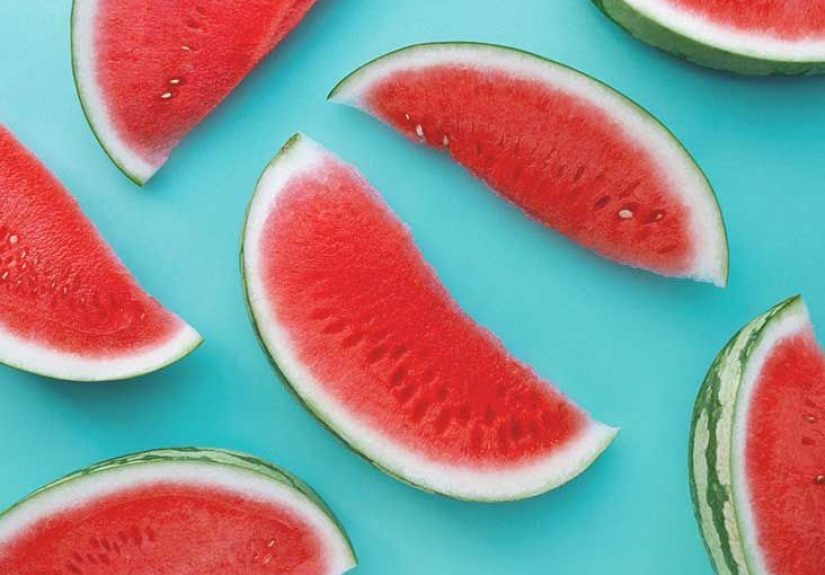
Try this: Build a snack plate or light meal with hydrating foods like watermelon, cucumbers, strawberries,
oranges, lettuce-based salads, yogurt, or chilled soups. You’re not “eating air conditioning,” but you are helping your body
keep up with fluid needs.
Simple example: Watermelon + Greek yogurt + a pinch of granola (or salted nuts if you’ve been sweating)
is a surprisingly solid recovery snack.
9) Pace activity and take scheduled cool-down breaks (prevention is a remedy)
Heat stress often happens when people push through discomfort. Your body gives hints before it waves the emergency flag.
Instead of waiting for dizziness or nausea, plan breaks and reduce intensity.
Try this: If you must be outside, do the hardest tasks early morning or later evening. Work in shorter bursts,
rest in shade or AC, and hydrate consistently. If you’re new to hot conditions, build exposure graduallyyour body can acclimatize
over time, but it needs a ramp, not a cliff.
Specific example: Yardwork plan: 20 minutes working, 10 minutes resting in shade with water, repeatthen stop
and cool indoors if you start feeling headache, nausea, or unusual fatigue.
10) Cool your space strategically (fans help… until they don’t)
If your home feels like an oven, use a “heat in / heat out” strategy. Block heat during the day and vent it when outdoor temps drop.
Try this:
- Close blinds/curtains on sun-facing windows during peak heat.
- Use a fan to move air across your skin when conditions allow, and create cross-ventilation when it’s cooler outside.
- Open windows at night/early morning if it’s cooler outdoors; close them when the day heats up.
- Spend time in air-conditioned public places during extreme heat if your home can’t stay safe.
Fan safety note: Fans can be useful, but don’t rely on a fan alone during extreme heatespecially if the indoor
temperature is very high. Fans move hot air around; they’re not magic, and in some conditions they can be less effective than people expect.
What not to do when you’re overheating
- Don’t “tough it out” through dizziness, nausea, or pounding headache. That’s your body asking for a timeout.
- Don’t drink alcohol to “cool down.” It’s a hydration saboteur in a convincing disguise.
- Don’t chug huge amounts at once if you’re queasysip steadily instead.
- Don’t ignore medication effects: some meds can raise heat risk. If you’re unsure, ask a pharmacist or clinician.
- Don’t give fluids to someone confused or severely illget emergency help and cool them while waiting.
A quick “cool-down” action plan (bookmark this mentally)
- Stop activity and move to shade or AC.
- Loosen clothing and sit or lie down.
- Cool the skin with wet cloths + airflow, or a cool shower.
- Hydrate with cool water; add electrolytes if you’ve been sweating hard.
- Use cold packs on neck/armpits/groin if needed.
- Monitor symptoms. If worsening or severe, get medical help.
Real-world experiences: what heat stress looks like (and what actually helps)
Heat stress is sneaky because it often starts with “I’m just a little tired” and ends with “Why does standing up feel like
launching into space?” Many people describe an early phase where they’re sweating a lot but still pushing through: mowing the lawn,
coaching a kids’ soccer practice, walking a festival, or working outdoors because the job doesn’t pause for weather.
The first clue is usually a shift in how effort feelsnormal tasks suddenly feel heavier, breathing feels more work-y,
and a mild headache creeps in like an unwanted pop-up ad.
One common scenario is the “errand trap”: you park far away, hurry across hot pavement, and bounce between sun and a warm car.
People often report feeling okay until they stop movingthen the dizziness hits. In those moments, the most helpful combo tends
to be the least dramatic: sit down somewhere cool, loosen clothing, sip water slowly, and put a cold compress on the neck.
The reason it feels so effective is that you’re addressing the big three drivers at once: heat input (getting indoors),
heat output (cooling skin), and fluid loss (rehydration).
Athletes and active folks often notice a different warning sign: cramps. Heat cramps can feel like your muscles are staging a
tiny rebellion. People who get them frequently say electrolytes are the turning pointwater helps, but a sports drink or oral
rehydration solution helps the cramping settle faster when sweat loss has been heavy. A practical trick many swear by is making
hydration easier to keep up with: cold water tastes better when you’re overheated, so they use an insulated bottle, add ice,
or flavor water with fruit so they actually drink it instead of just carrying it around like an emotional support accessory.
Parents and caregivers often talk about noticing heat stress in someone else first: a kid getting unusually quiet at a playground,
an older relative looking flushed and “off,” or a friend getting irritable and clumsy. The best move in these stories is nearly
always immediate environment changeshade or ACfollowed by cooling with wet cloths and steady fluids if the person is alert.
It’s also where planning pays off: people who keep a small “heat kit” (water, electrolyte packets, a cooling towel, and a snack)
tend to recover faster because they don’t wait until symptoms are loud.
Another experience many people recognize is the “fan disappointment.” In mild heat, airflow feels great. But during extreme heat,
folks describe the fan as blowing “hot soup air” around the room. That’s when switching strategies mattersclosing blinds,
spending time in an air-conditioned space (even for a couple hours), and using cool showers or damp cloths can make a bigger difference
than trying to out-fan the sun. The takeaway from these real-life patterns is simple: heat stress is easiest to reverse early.
Treat the first symptoms like an early warning, not a challenge to your toughness.