Table of Contents >> Show >> Hide
- Why Toe Cramps Hurt So Much (and Why They Happen)
- Fast Relief: What to Do the Moment a Toe Cramp Starts
- After the Cramp: How to Calm the Soreness at Home
- Hydration and Electrolytes: The Cramp-Proofing Basics
- Toe Cramp Stretches You Can Do Anywhere (No Yoga Mat Required)
- Shoe Check: When Your Footwear Is the Real Culprit
- When Toe Cramps Are Trying to Tell You Something
- Myths and “Quick Fixes” to Be Careful With
- A Simple 7-Day Plan to Reduce Toe Cramps
- FAQ: Toe Cramp Questions People Google at 2 a.m.
- Real-World Experiences: What Toe Cramps Feel Like (and What People Say Helps)
Toe cramps are tiny villains with big energy: one moment you’re walking, stretching, or peacefully existing, and the next your toe decides it’s auditioning for a pretzel-making competition. The good news? Most toe cramps are harmless and respond well to simple at-home fixes like stretching, massage, heat, and hydration. The better news? You don’t need a PhD in Footology to get relief.
This guide breaks down what’s likely happening, how to stop a toe cramp quickly, how to calm the soreness afterward, and how to reduce the odds of it happening againwithout turning your kitchen into a supplement store.
Quick note: This article is for general education, not personal medical advice. If cramps are frequent, severe, or come with other symptoms (like swelling, numbness, or skin color changes), it’s worth checking in with a healthcare professional.
Why Toe Cramps Hurt So Much (and Why They Happen)
A toe cramp is a sudden, involuntary muscle contractionbasically your toe muscles “locking” on a bad setting. Even though toe muscles are small, they’re packed with nerve endings and work constantly to stabilize your balance. When a muscle spasm hits, it can feel intense because the muscle tightens hard and doesn’t relax right away.
Common triggers you can actually do something about
- Muscle fatigue/overuse: Long walks, workouts, or standing for hours can overload the small muscles in your feet.
- Dehydration: Muscles need fluid to contract and relax normally. Even mild dehydration can make cramps more likely.
- Electrolyte imbalance: Minerals like sodium, potassium, magnesium, and calcium play a role in muscle contraction and nerve signaling.
- Tight shoes or awkward foot position: Shoes that squeeze your toes (or high heels) can stress foot muscles and nerves.
- Not enough movement… or too much: Both long periods of sitting/standing and sudden intense activity can contribute.
Less obvious causes (still common)
- Foot mechanics: High arches, flat feet, or toe deformities may make some muscles overwork.
- Cold temperatures: Muscles can tighten up when you’re chilly.
- Medication side effects: Some medicines (including certain diuretics) can affect fluids and minerals.
- Health conditions: Issues involving nerves, circulation, thyroid, kidneys, or blood sugar may increase cramp risk.
Fast Relief: What to Do the Moment a Toe Cramp Starts
When a toe cramp hits, your mission is simple: tell the muscle to let go. The most effective at-home approach is a combination of stretching, gentle pressure, and changing blood flow (heat or cold).
The 60–90 second “Un-knot the Toe” routine
- Stop what you’re doing.
Continuing the activity that triggered the cramp can keep the spasm going.
- Stretch the cramping toe (gently but firmly).
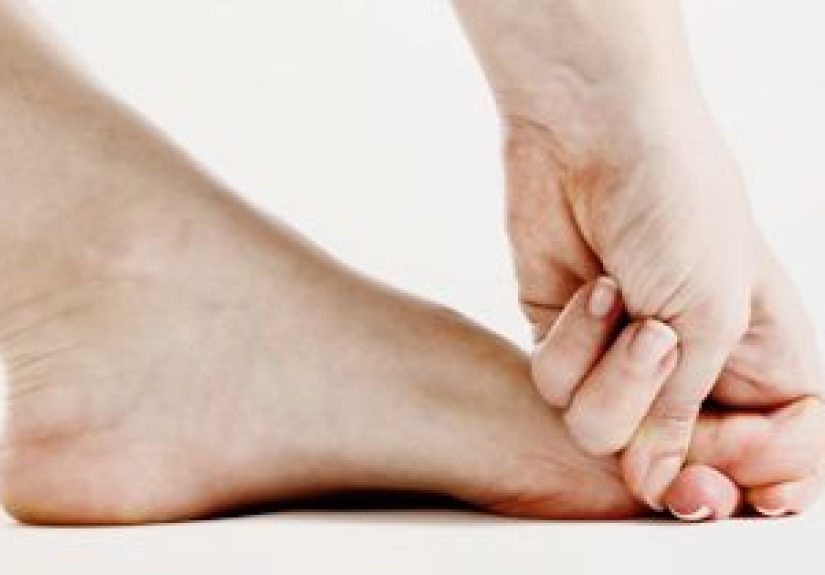
Use your hand to pull the affected toe into a comfortable stretch in the opposite direction of the cramp.
For many toe cramps, that means pulling the toe upward (toward your shin) to lengthen the underside of the foot.
Hold for 15–30 seconds, release, and repeat. - Massage the cramped area.
Use your thumb to press and rub the tight spot. If you can, massage the arch of your foot toothose muscles often join the drama.
- Try standing and gently shifting weight (if it’s safe).
Light pressure and movement can help “reset” the contraction. Keep it comfortableno heroic foot stunts required.
- Add heat if the muscle is still tight.
A warm compress, heating pad, or warm shower can relax the muscle and increase blood flow.
- Use cold if the pain lingers after the spasm releases.
If the cramp stops but the area feels sore or tender, a wrapped ice pack for a short session can help with discomfort.
If you’re thinking, “That’s it?”yes. Toe cramps are often simple problems with simple fixes. The trick is doing them right away.
After the Cramp: How to Calm the Soreness at Home
Sometimes the cramp ends but your toe and foot feel like they ran a marathon while you were sitting down. That’s normal: a strong spasm can leave the muscle temporarily irritated.
Soothing options that usually help
- Warm soak:
A warm foot soak can relax tight muscles. Some people like Epsom salt soaks; the warmth itself is likely doing a lot of the heavy lifting, but many find the ritual soothing.
- Gentle rolling massage:
Roll the sole of your foot over a tennis ball or a frozen water bottle (cold + massage in one). Keep pressure light to moderate.
- Light stretching later in the day:
A few short, gentle stretches can reduce leftover tightnessavoid aggressive stretching that causes sharp pain.
- Over-the-counter pain relief (optional):
If you can safely take OTC anti-inflammatory medicines, they may help with soreness for some people. Always follow the label and consider checking with a clinician if you have medical conditions or take other medications.
Hydration and Electrolytes: The Cramp-Proofing Basics
Toe cramps often show up when your “muscle system” is running low on the ingredients it needsmainly water and electrolytes. You don’t need to chug neon sports drinks 24/7. You do need a plan that matches your sweat level and your day.
Easy hydration rules (that don’t feel like homework)
- Drink steadily across the day instead of guzzling all at once.
- After heavy sweating, consider fluids that replace electrolytes too (food counts!).
- A clue you’re behind: thirst, dry mouth, dark yellow urine, headache, or feeling wiped out.
Food-first electrolytes (low drama, high payoff)
If cramps tend to follow workouts or hot days, aim for meals and snacks that include:
- Potassium: potatoes, beans, yogurt, bananas, leafy greens
- Magnesium: nuts, seeds, legumes, whole grains, leafy greens
- Calcium: dairy or fortified alternatives, leafy greens, tofu (calcium-set)
- Sodium: usually easy to get from normal foods; extreme restriction or heavy sweating can be a factor
Supplement caution: Magnesium and potassium supplements can be risky for some people (especially with kidney issues) and can cause side effects. If you’re thinking about supplements because cramps keep happening, it’s smarter to talk with a healthcare professional and focus on diet and hydration first.
Toe Cramp Stretches You Can Do Anywhere (No Yoga Mat Required)
1) Toe lift-and-lengthen stretch
- Sit down and cross the affected foot over your other knee.
- Gently pull your toes upward (toward your shin) until you feel a stretch in the arch/sole.
- Hold 20–30 seconds, repeat 2–3 times.
2) Toe point–curl sequence (great for prevention)
Slowly point your toes, then curl them, then spread them as wide as you can. Repeat for 30–60 seconds. This helps keep small foot muscles moving and may reduce cramp frequency over time.
3) Calf stretch (because the calf and foot are best friends)
Tight calves can affect how your foot moves and how hard the small foot muscles have to work.
- Stand facing a wall. Place hands on the wall.
- Step the cramped-side leg back, heel on the floor, knee straight.
- Lean in until you feel a calf stretch. Hold 20–30 seconds; repeat.
Shoe Check: When Your Footwear Is the Real Culprit
Shoes can either help your feet do their jobor make them file a formal complaint in the form of toe cramps.
Signs your shoes might be cramp-friendly (and not in a good way)
- Your toes feel squeezed or overlap.
- You get cramps after wearing certain shoes (hello, narrow toe boxes).
- Your foot slides forward, forcing toes to grip for dear life.
- You have little support and your arch muscles overwork.
Quick fixes
- Choose shoes with a wider toe box so toes can spread naturally.
- Make sure you have enough length (a thumb’s width in front of the longest toe is a classic check).
- If you stand a lot, consider supportive insoles (especially if you have high arches or flat feet).
When Toe Cramps Are Trying to Tell You Something
Occasional toe cramps are common. But recurring cramps can be a clue that something needs attentionlike hydration habits, training load, or an underlying issue.
Consider getting medical advice if you notice:
- Cramps that happen frequently (for example, several times a week) or keep worsening
- Cramps with muscle weakness, numbness, tingling, or loss of sensation
- Swelling, redness, warmth, or significant pain that doesn’t improve
- Foot cramps plus a history of diabetes, nerve problems, or circulation issues
- Cramps that appear after starting a new medication
Myths and “Quick Fixes” to Be Careful With
“Just drink tonic water”
Tonic water contains quinine, and quinine has a history with crampsbut it’s not a safe DIY solution. Health authorities have warned against using quinine products for leg cramps because of potential serious side effects. Translation: don’t self-treat cramps with quinine.
“Salt tablets fix everything”
For most people, salt tablets aren’t necessary and can be harmful in certain situations. If you’re cramping due to heavy sweating in the heat, it’s usually safer to rehydrate with water plus food or an appropriate electrolyte drinkespecially if you have medical conditions.
A Simple 7-Day Plan to Reduce Toe Cramps
If toe cramps keep popping up, try this one-week reset. It’s not glamorous, but it’s effective.
Daily
- Hydration: drink regularly throughout the day (especially before/after exercise).
- Foot mobility: 1 minute of toe point–curl–spread (yes, that’s the official name now).
- Calf stretch: 2 rounds per side.
3 times during the week
- Foot massage/rolling: 2–3 minutes per foot.
- Shoe audit: avoid the pair that makes your toes feel like sardines.
After workouts or hot days
- Replace fluids: water plus a snack with electrolytes (yogurt + fruit, beans + rice, a balanced meal).
- Cool down: a short walk and gentle stretch before fully collapsing onto the couch.
FAQ: Toe Cramp Questions People Google at 2 a.m.
Why do toe cramps happen at night?
Night cramps can be related to muscle fatigue, dehydration, foot position, or underlying risk factors. Stretching before bed and staying hydrated can help reduce the frequency for some people.
Can low magnesium cause toe cramps?
Magnesium plays a role in muscle and nerve function, so deficiency can contribute to cramping. But cramps are often multi-factorial, and supplements aren’t automatically the answer. Food-first strategies are a smart start.
Is it normal for cramps to leave soreness?
Yes. A strong muscle spasm can leave temporary soreness, similar to how a muscle feels after being overworked. Gentle heat, light stretching, and time usually help.
Real-World Experiences: What Toe Cramps Feel Like (and What People Say Helps)
Toe cramps have a funny way of showing up when you least expect themlike your body’s idea of a surprise party, except nobody brought snacks and the balloon is your toe. Here are some common, realistic “cramp stories” people describe, along with the at-home moves that tend to help most.
The “I Walked a Lot More Than Usual” Cramp
This is the classic: you spend a day sightseeing, shopping, or chasing a busy schedule, and that night your toes start curling like they’re trying to grab the bedsheet and drag it into a cave. People often notice this after wearing less-supportive shoes or walking on hard pavement for hours. The most helpful combo tends to be a warm foot soak, a tennis-ball roll under the arch, and a gentle toe stretch. Many also say switching to shoes with a wider toe box and better support makes a difference the next daybecause your feet were doing unpaid overtime.
The “Workout Was Great Until My Toe Mutinied” Cramp
Some people report toe cramps mid-workoutespecially during running, cycling, or high-rep strength training. Often, it’s a mix of muscle fatigue and hydration gaps (especially if it’s hot or you sweat a lot). In the moment, stopping to stretch the toe and lightly massage the arch can end the spasm fast. Afterward, rehydrating and eating a snack with electrolytes (think yogurt + fruit, or a normal meal) is a common winner. The big lesson people mention: “I didn’t realize my feet were working that hard,” which is fairfeet rarely get credit until they protest.
The “New Shoes Betrayed Me” Cramp
A surprisingly large number of toe cramps are basically footwear feedback. People describe cramps that hit only when they wear a certain pairoften narrow, stiff, or high-heeled shoes that force toes to grip. The fastest relief is usually taking the shoes off, stretching the toe, and applying warmth. The longer-term fix is even simpler (and slightly annoying): stop wearing the toe-squeezing shoes. If that sounds emotionally difficult, you’re not alone. But toes have no interest in fashion; they only care about space and support.
The “Nighttime Toe Curl From Nowhere” Cramp
Night cramps feel extra dramatic because you’re half-asleep and suddenly negotiating with a rebellious body part. People often say the cramp feels like their toe is stuck in a claw position. The quickest move is to sit up, pull the toe into a gentle stretch (usually upward), and hold it until the muscle releases. Heat helps many people relax the lingering tightness, while a short ice session can calm soreness if the area feels tender afterward. Some also swear by a short pre-bed stretch routine, especially if nighttime cramps are frequent.
The “I’m Hydrated… I Think?” Cramp
Many people assume they’re hydrated because they drank water “at some point today.” Toe cramps are often the moment they realize hydration is more of a daily habit than a single event. People who cramp during hot weather or long activity often report improvement after they start drinking fluids steadily and pairing water with food that naturally contains electrolytes. Not fancyjust consistent. The experience is usually the same: once hydration and recovery become routine, cramps become less frequent and less intense. In other words, your toes stop sending angry emails at midnight.
The takeaway from these experiences is encouraging: toe cramps are usually fixable with basic, repeatable habitsstretching, supportive shoes, steady hydration, and sensible recovery. And if your cramps keep returning despite those changes, that’s not a failureit’s useful information to bring to a clinician who can help you check for underlying causes.