Table of Contents >> Show >> Hide
- Why do warts bleed so easily?
- The 7 steps to stop a wart from bleeding
- Step 1: Apply steady pressure (and don’t keep peeking)
- Step 2: Once bleeding slows, rinse and clean gently
- Step 3: Protect it with a nonstick dressing (so the bandage doesn’t become the villain)
- Step 4: Reduce friction and pressure (especially for plantar warts)
- Step 5: Avoid triggers that re-open the wart (no picking, no DIY surgery)
- Step 6: Treat the wart (after the skin calms down) to prevent future bleeding
- Step 7: Know when to call a doctor (this is the “adulting” step)
- Preventing wart bleeding in the future
- Common mistakes and myths (aka “things that make dermatologists sigh”)
- Quick FAQ
- Experiences people share: what it’s like (and what tends to help)
- Conclusion
A bleeding wart can feel like a tiny skin volcano: one second you’re fine, the next you’re holding a tissue like it’s a life-saving artifact.
The good news? Most bleeding warts are manageable at home with basic first aidand a little strategy to keep the “encore performance” from happening again.
This guide walks you through 7 practical steps to stop the bleeding, protect the area, and reduce the odds of repeat bleeding, plus when it’s smart to call a clinician.
Why do warts bleed so easily?
Common warts and plantar warts are caused by certain types of human papillomavirus (HPV) that make the top layers of skin grow thicker and rougher.
Warts can have tiny blood vessels close to the surface, so if you snag one (shaving, scratching, nail-biting, friction from shoes, pickingaka “the classic mistakes”),
it may bleed more than you’d expect from something so small.
Most of the time, bleeding happens because the wart surface was irritated or partially tornnot because anything is “seriously wrong.”
Still, repeated bleeding, unusual-looking growths, or bleeding that won’t stop deserve medical attention.
The 7 steps to stop a wart from bleeding
Step 1: Apply steady pressure (and don’t keep peeking)
Start with the basics: direct pressure. Wash your hands, then press a clean gauze pad, clean cloth, or tissue firmly onto the bleeding wart.
Keep pressure steady for several minutes. If the wart is on a hand, arm, foot, or leg, gently elevate the area above heart level if you can.
- Don’t “check” every 10 seconds. That breaks the clot and restarts the show.
- If blood soaks through, add more gauze on top instead of removing the first layer.
- If bleeding is heavy or you feel dizzy, seek urgent care.
Step 2: Once bleeding slows, rinse and clean gently
After the bleeding is under control, rinse the area with clean running water. Use mild soap to clean the surrounding skin and gently remove obvious dirt.
Then pat dry with a clean towel or gauze.
Skip the “let me punish this cut with every chemical in my cabinet” approach. Harsh products can irritate tissue and slow healing.
If you want to use an antiseptic, keep it gentle and follow label directionsplain soap and water is usually enough for minor skin injuries.
Step 3: Protect it with a nonstick dressing (so the bandage doesn’t become the villain)
Cover the wart to prevent re-bleeding and keep the wound from sticking to the bandage. A simple method:
- Apply a thin layer of petroleum jelly (or an over-the-counter antibiotic ointment if you tolerate it well).
- Place a nonstick pad over the wart.
- Secure with medical tape or a flexible bandage.
Change the dressing dailyor sooner if it gets wet, dirty, or sweaty. If removing a bandage feels like ripping off a mini wax strip,
you’re more likely to re-open the area (and your patience).
Step 4: Reduce friction and pressure (especially for plantar warts)
Warts bleed again when they’re repeatedly rubbed, bumped, or squeezed. That’s why plantar warts (on the sole) and periungual warts (around nails)
are frequent repeat offenders.
- For plantar warts: use a “donut” pad or moleskin ring so pressure goes around the wart, not directly onto it.
- For hand warts: cover them during sports, weightlifting, or any task where friction is high.
- For shaving-related bleeding: avoid shaving over the wart and consider an electric trimmer around the area instead.
Step 5: Avoid triggers that re-open the wart (no picking, no DIY surgery)
If a wart is bleeding, it’s already irritated. Your job is to help it healnot interrogate it with tweezers.
Common triggers that cause re-bleeding:
- Picking, scratching, or trimming the wart too aggressively
- Nail-biting (especially with warts near the nail)
- Shaving over it
- Rubbing from tight shoes or repetitive motion
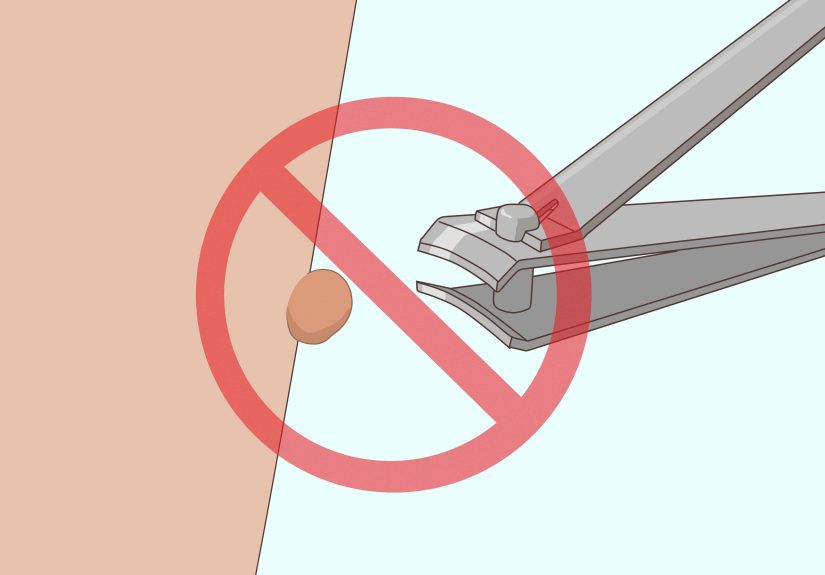
Also: don’t cut a wart off at home. Besides bleeding and infection risk, you may misidentify the growth.
If you’re not 100% sure it’s a wartget it checked.
Step 6: Treat the wart (after the skin calms down) to prevent future bleeding
Stopping the bleeding is step one. Preventing repeat bleeding usually means addressing the wart itself.
Many warts go away on their own, but treatment can help if it’s painful, bothersome, spreading, or frequently traumatized.
Option A: Over-the-counter salicylic acid (a slow-and-steady workhorse)
Salicylic acid products gradually peel away wart tissue. They often take weeks of consistent use, but they’re widely recommended as a first-line at-home option
for common and plantar warts.
- Wait until the bleeding has stopped and the surface looks intact (often 24–48 hours) before restarting or beginning acid treatment.
- Follow product directions and keep treatment only on the wart to avoid irritating normal skin.
- For best results, many dermatology guidelines suggest soaking, gentle filing with a disposable tool, drying, then applying the medication.
Important: Do not use salicylic acid on the face, genitals, or irritated/infected skin unless a clinician advises it.
If you have diabetes, nerve problems in your feet, or poor circulation, talk to a healthcare professional before self-treating foot warts.
Option B: In-office treatments (faster, but not always “one-and-done”)
If home care failsor the wart keeps bleeding because of locationclinicians may recommend:
- Cryotherapy (freezing) with liquid nitrogen (often requires repeat sessions)
- Cantharidin (a blistering agent applied in-office)
- Electrosurgery/curettage or other procedures for stubborn cases
- Immunotherapy approaches for recalcitrant warts
Step 7: Know when to call a doctor (this is the “adulting” step)
Get medical advice promptly if any of these apply:
- Bleeding doesn’t stop after about 10 minutes of steady direct pressure
- The wart bleeds repeatedly with minimal trauma
- Signs of infection: increasing redness, warmth, swelling, pus, red streaking, fever
- Severe pain, rapid growth, color changes, irregular borders, or you’re unsure it’s a wart
- You have diabetes, poor circulation, immune suppression, or you take blood thinners
- The growth is on the face, genitals, or near the eyes
A clinician can confirm the diagnosis and offer safer optionsespecially for tricky locations or high-risk situations.
Preventing wart bleeding in the future
Once the bleeding stops, the goal is to keep it from happening again. Simple habits help:
- Cover high-friction warts during sports, workouts, and long walks.
- Keep feet dry and change socks if sweaty; moisture plus friction is a plantar wart’s favorite playlist.
- Don’t share nail clippers, pumice stones, socks, towels, or shoes.
- Use a separate disposable emery board/pumice for the wart areadon’t “spread the love” to other skin.
- Don’t pick. If you need a mantra: “Hands off the wart, heart.”
Common mistakes and myths (aka “things that make dermatologists sigh”)
- Myth: “I should cut it off.” Reality: This increases bleeding and infection risk and can worsen scarring.
- Myth: “Bleach/strong acids will nuke it.” Reality: Chemical burns are not a wart-removal flex.
- Mistake: Treating immediately after bleeding. Better: let the surface settle, then resume treatment safely.
- Mistake: Reusing the same file/pumice on other body parts. Better: use disposable tools and wash hands after.
Quick FAQ
Is a bleeding wart contagious?
Warts are caused by HPV and can spread through skin contact or by transferring virus from one area to another.
Bleeding doesn’t magically “release extra virus,” but an irritated wart can make it easier to spread by touch.
Keep it covered, avoid picking, and wash your hands after caring for it.
Can a bleeding wart be skin cancer?
Many benign skin growths can bleed if irritated, and most bleeding warts are still just warts.
But because some skin cancers can mimic wart-like bumps, it’s worth getting checked if the spot looks unusual,
grows quickly, changes color, or bleeds repeatedly without obvious trauma.
Should I use salicylic acid if the wart is bleeding?
Generally, wait until active bleeding has stopped and the surface is no longer open or raw.
Applying wart acids to broken skin can sting, irritate, and delay healing.
If the wart keeps bleeding frequently, consider professional evaluation.
What if it’s my child’s wart?
Many childhood warts resolve over time, and treatment choices depend on the child’s age, the wart’s location, and discomfort.
If a child’s wart bleeds often, is painful, or you’re unsure what it is, a pediatrician or dermatologist can guide safer options.
How long should healing take?
Minor superficial bleeding often settles within a day or two with protection.
If the area stays tender, oozes, becomes increasingly red, or keeps re-opening, it’s time to get medical advice.
Experiences people share: what it’s like (and what tends to help)
People often describe a bleeding wart as “way more dramatic than it should be.” One common scenario:
someone notices a small bump on a finger, forgets it exists, then catches it on a backpack zippersuddenly it’s bleeding like it’s auditioning for a soap opera.
The biggest lesson from these experiences is that pressure beats panic. Folks who press firmly and stop checking every few seconds
usually get the bleeding under control fast. The “peek-and-sigh-and-peek-again” approach tends to restart the bleeding.
Another frequent story involves plantar warts. Someone starts a new walking routine or a sport season,
and the wart on the sole gets rubbed by tight shoes. The wart doesn’t just hurtit can crack and bleed, especially after long activity.
People who succeed long-term often mention two changes: they cushion the area (donut pads/moleskin rings) and they commit to a plan
for treatment. For example, they’ll treat at night, keep it covered during the day, and switch socks if sweaty.
The tiny upgradesbetter-fitting shoes, cushioned insoles, and a reliable bandagecan make a big difference.
A classic “oops” moment: shaving. Someone shaves a leg wart or a wart near the knee and ends up with a nick that won’t stop bleeding.
The best fixes people describe are surprisingly boring (which is good): pressure, rinse, petroleum jelly, nonstick pad.
And thenthis is the keythey stop shaving over it. They shave around it, use an electric trimmer, or just let that patch of hair live its best life
until the wart is treated. (Your razor doesn’t need to win every battle.)
People also talk about the mental challenge of wart treatment: salicylic acid is effective for many, but it’s not instant.
The folks who report the best results tend to treat it like brushing teeth: a regular routine, not a one-time heroic act.
They soak briefly, apply medication carefully, protect the surrounding skin if needed, and avoid turning the wart into a DIY renovation project.
They also toss or isolate any filing tools they usedbecause spreading warts to other fingers is a truly unfun side quest.
Finally, many people share relief after getting a stubborn, frequently-bleeding wart treated in-office.
Cryotherapy and other options can be uncomfortable, but for warts that keep splitting openespecially on feet or around nailsprofessional care can be a turning point.
A common takeaway: if you’ve tried weeks of careful home treatment and the wart still bleeds easily, hurts, or keeps coming back,
it’s not “failing.” It’s just a sign you may need a different tool (and ideally someone with liquid nitrogen and a medical license).
Conclusion
When a wart bleeds, your priorities are simple: stop the bleeding with steady pressure, clean gently,
protect it so it doesn’t re-open, and then treat the wart safely once the skin settles.
Most cases improve with basic first aid and smarter protectionespecially for high-friction areas like hands and feet.
If bleeding won’t stop, keeps recurring, or the spot looks unusual, get it checked. Peace of mind is underratedand so is having fingers that aren’t wrapped in tissues.